Hot Water Troubleshooting Checklist for Adelaide Homeowners
Step-by-Step Diagnostic Guide
Follow these steps to identify and potentially resolve your hot water issue.
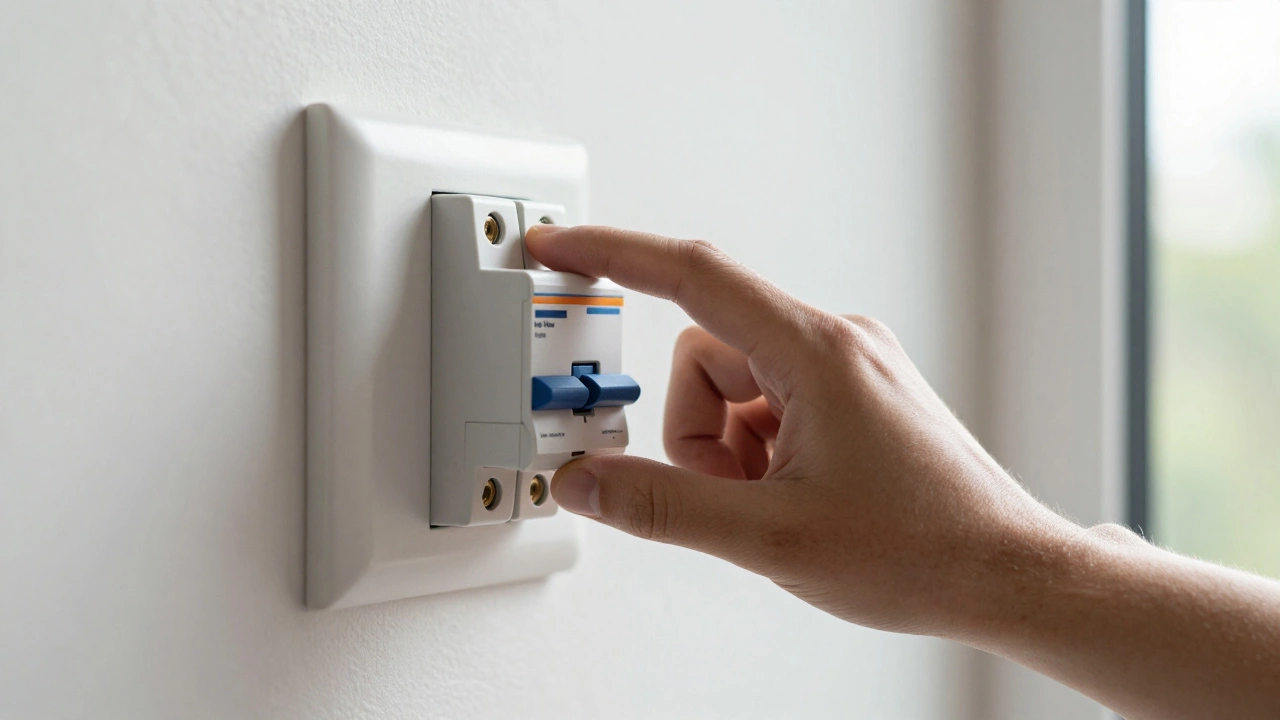
Locate the main switch box (garage, laundry, or near front door). Look for a switch labeled "Hot Water" or "HW". If the button has popped out, push it back in firmly until it clicks. Wait a few minutes and test the tap.
Check the thermostat dial on your cylinder. Ensure it is set between 60°C and 65°C. For digital controllers, look for error codes like "E1" or "HE" which may indicate element failure.
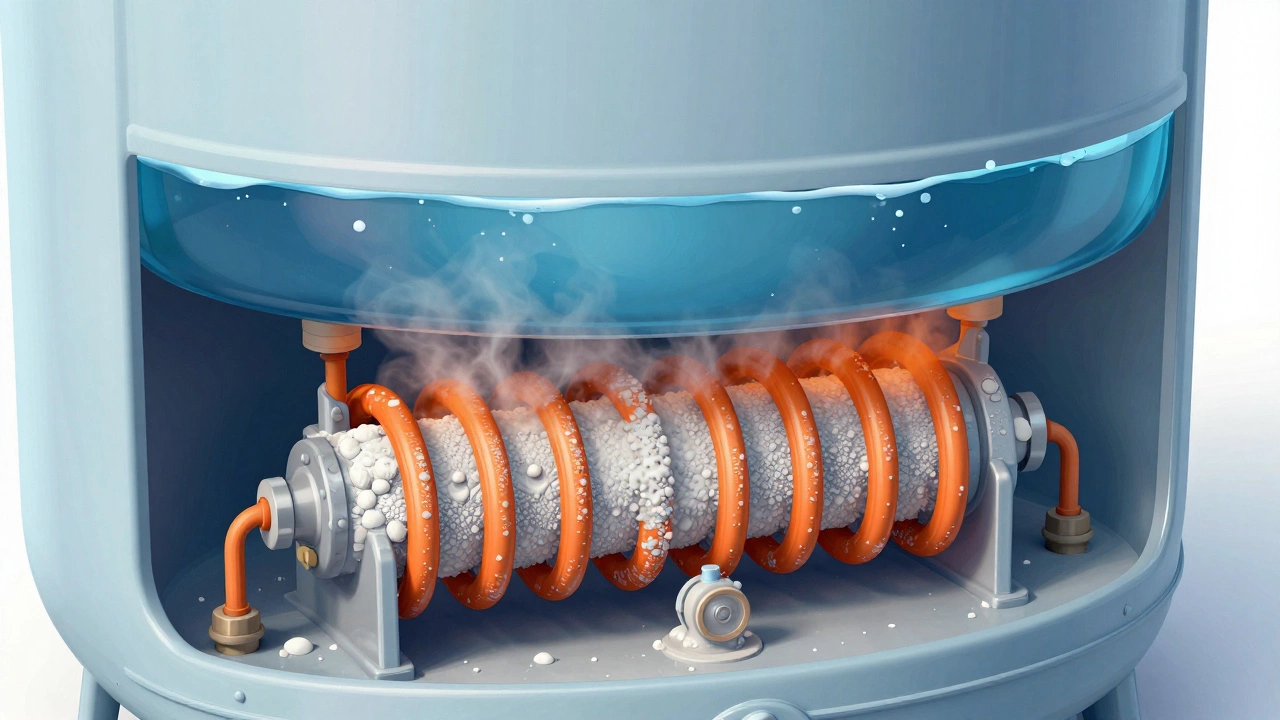
If power and settings are correct, the heating element may have failed due to mineral buildup from Adelaide's hard water. Signs include hot water running out quickly or no heat at all after resetting switches.
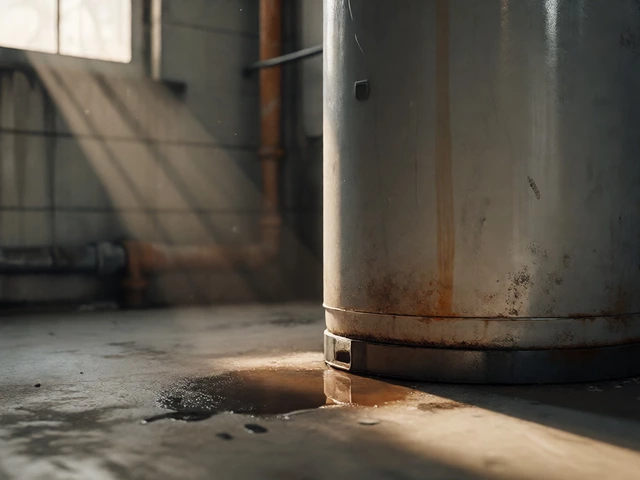
If you smell gas, see leaks from the tank base, or if the switch trips repeatedly, call a licensed plumber immediately. Do not attempt further DIY repairs in these scenarios.
Your Personalized Action Plan
Note: This guide is for informational purposes. Always prioritize safety when dealing with electricity and gas. For persistent issues, consult a licensed professional.
There is nothing quite as shocking-literally and figuratively-as turning on the tap in the morning and getting a blast of icy cold water. You are ready to start your day, maybe you have a meeting to get to or kids to get ready for school, and suddenly your routine is shattered. The question "why has my hot water gone off?" is one of the most common calls we hear from homeowners here in Adelaide. It can be frustrating, but it is rarely a mystery that requires an immediate panic.
Most of the time, the issue is something simple like a tripped switch or a stuck thermostat. In other cases, it might signal a failing component that needs professional attention before it becomes a costly emergency. Understanding the basics of how your system works can save you time, money, and a lot of stress. Before you call out a technician, there are several checks you can perform yourself. These steps often resolve the problem without any cost at all.
We live in a city where the weather can swing from scorching heat to unexpected chills, making reliable hot water essential year-round. Whether you have an electric storage unit in your roof space, a gas continuous flow system outside, or a solar setup on your roof, the principles of troubleshooting remain similar. Let's walk through the most likely culprits, starting with the easiest fixes and moving toward more complex issues.
The Power Supply: Check the Switch First
If you have an electric hot water system, the first place to look is the power supply. Many people forget that these units have their own dedicated safety switches. If you recently had a storm, a power surge, or even just plugged in a high-draw appliance nearby, the safety switch may have tripped. This is a protective mechanism designed to prevent electrical fires.
Locate the main switch box, usually found in the garage, laundry, or near the front door. Look for a switch labeled "Hot Water" or "HW." If the button in the center of the switch has popped out, the circuit is broken. To reset it, push the button back in firmly until it clicks. Then, go to your kitchen or bathroom and turn on the hot water tap. Wait a few minutes. If the water starts to warm up, you have solved the problem. If the switch trips again immediately after resetting, do not keep trying. This indicates a serious fault within the heating element or the wiring, and you should call a licensed electrician or plumber.
For those with gas hot water systems, check if the pilot light is lit. Older models have a visible glass window where you can see the flame. If it is out, try relighting it according to the manufacturer's instructions. If the pilot light keeps going out, it could be a draft issue or a faulty thermocouple, which senses whether the pilot is burning and keeps the gas valve open.
Thermostat Settings and Temperature Control
Sometimes the system is working perfectly, but the settings have been changed accidentally. Children playing around the control panel or a guest adjusting the temperature can lead to confusion. Check the thermostat dial on your hot water cylinder. For electric systems, this is often located behind an access panel on the side of the tank. Ensure it is set to a reasonable temperature, typically between 60°C and 65°C. Setting it too low means you won't have enough hot water for a long shower; setting it too high wastes energy and increases the risk of scalding.
If you have a digital controller, look for error codes. Modern units display specific messages when they detect a fault. A code like "E1" or "HE" might indicate a heating element failure, while "OC" could mean an open circuit. Refer to your user manual to decode these messages. This information is incredibly helpful when you speak to a repair technician, as it narrows down the diagnosis significantly.
Heating Element Failure: The Silent Culprit
In electric storage tanks, the heating element is the component responsible for warming the water. Over time, these elements degrade due to constant exposure to heat and minerals in the water. Adelaide's water can be hard, meaning it contains higher levels of calcium and magnesium. These minerals build up on the heating element, creating an insulating layer that prevents efficient heat transfer. Eventually, the element burns out completely.
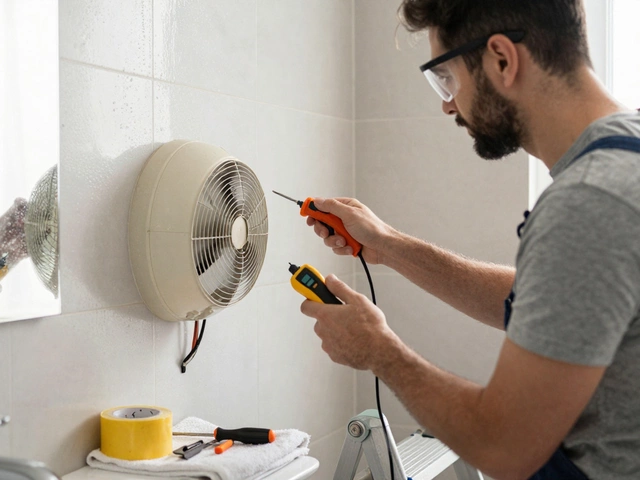
If you have reset the power switch and checked the thermostat, but still have no hot water, the heating element is a prime suspect. Another sign of a failing element is if you have hot water initially, but it runs out very quickly. This suggests the top element might be dead, leaving only the bottom element to work, which is insufficient for large demands. Replacing a heating element is a standard repair job. It involves draining part of the tank, removing the old element, and installing a new one. While DIY enthusiasts might attempt this, it requires handling high-voltage electricity and pressurized water, so professional help is recommended.
Gas System Issues: Ignition and Flow
If you rely on a continuous flow gas heater, the mechanics are different. These units heat water on demand as it flows through a heat exchanger. Common issues include ignition failures or blocked filters. Listen closely when you turn on the hot water tap. Do you hear the gas ignite with a click and a whoosh? If you hear clicking but no flame, the spark igniter might be dirty or misaligned. If you hear no sound at all, the unit might not be receiving power or gas.
Check the gas supply. Is your stove working? If other gas appliances are functioning, the supply is likely fine. However, some gas heaters have a small filter screen inside the inlet pipe to catch debris. If this screen becomes clogged with rust or sediment from your pipes, the water flow will be restricted. The heater's sensor detects low flow and shuts off the ignition to prevent damage. Cleaning this filter can restore proper function. Again, this requires shutting off the water and gas supply, so proceed with caution or hire a professional.
Solar Hot Water Systems: Pumps and Panels
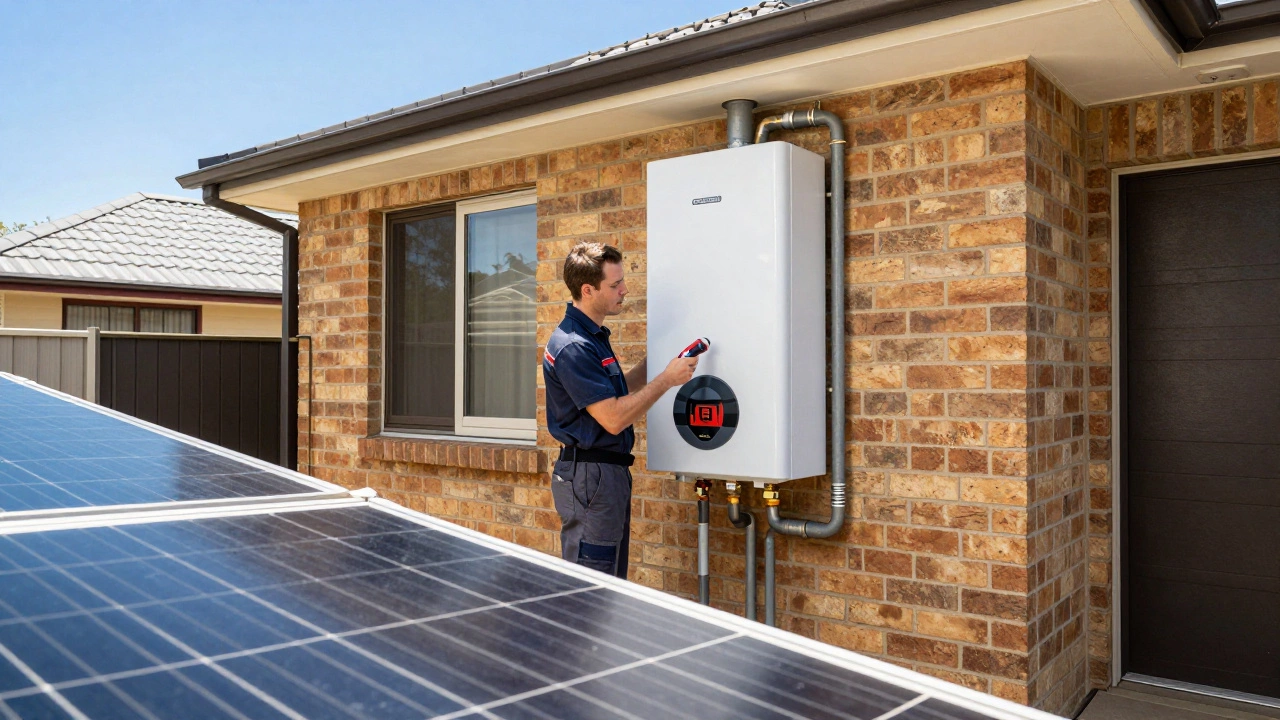
Adelaide is blessed with abundant sunshine, making solar hot water systems popular here. These systems use collectors on the roof to heat fluid, which then transfers heat to the water in the storage tank. If your solar system has stopped providing hot water, the issue might not be with the sun. Check the pump controller. Most systems have a digital display showing the temperature of the panels and the tank. If the panel temperature is much higher than the tank temperature, the pump should be running. If it is not, the pump motor might have failed, or the wiring could be damaged.
Another possibility is a freeze lock. Even in Adelaide, occasional cold snaps can occur. Some systems have antifreeze protection, but if the temperature drops below the protection threshold, the pump may shut down to prevent freezing. Once the weather warms up, the system should resume normal operation. If you have a backup electric booster, ensure it is switched on during cloudy periods or winter months.
When to Call a Professional
While many issues can be resolved with simple checks, some problems require expert intervention. If you smell gas, evacuate the house immediately and call your gas provider. Never try to relight a pilot light if you suspect a leak. If you notice water leaking from the base of your hot water cylinder, the tank itself might be corroding. This is a critical failure that cannot be repaired; the entire unit must be replaced. Continuing to use a leaking tank risks flooding your home and potential electrocution.
Additionally, if you are unsure about any step, especially those involving electricity or gas, it is safer to call a licensed plumber. They have the tools and training to diagnose faults accurately and safely. Regular maintenance, such as flushing the tank to remove sediment and checking pressure relief valves, can extend the life of your system and prevent unexpected breakdowns.
Understanding why your hot water has gone off empowers you to take action quickly. By checking the power, thermostats, and basic components, you can often restore comfort to your home without delay. For persistent issues, professional repair ensures your system operates efficiently and safely for years to come. And while we focus on keeping our homes comfortable, sometimes life takes us in unexpected directions, leading us to explore diverse resources like this directory for entirely different kinds of travel planning needs, though certainly less urgent than a cold shower!
How long does it take for hot water to return after resetting the switch?
It typically takes between 30 to 60 minutes for an electric storage tank to fully reheat the water. Gas continuous flow systems should provide hot water almost immediately once the ignition is successful.
Is it safe to reset a tripped hot water switch multiple times?
You can reset it once. If it trips again immediately, stop. Repeatedly resetting a tripped switch can cause overheating and fire hazards. It indicates a short circuit or ground fault that needs professional inspection.
Why is my hot water brown or discolored?
Discolored water usually indicates rust inside the tank or corrosion of the anode rod. This is a sign that the tank is nearing the end of its lifespan and may need replacement soon.
Can I replace a heating element myself?
While technically possible, replacing a heating element involves working with high-voltage electricity and pressurized water. It is strongly recommended to hire a licensed electrician or plumber to ensure safety and compliance with local regulations.
What is the average lifespan of a hot water system in Adelaide?
Electric storage tanks typically last 8-12 years, while gas continuous flow systems can last 10-15 years. Solar systems often have a lifespan of 15-20 years for the collectors, though pumps and controllers may need replacement sooner.