Washing Machine Lifespan Calculator
Estimate Your Machine's Remaining Life
Answer these questions to get a personalized lifespan estimate based on real-world data
Enter your details above to see your machine's estimated remaining lifespan.
Most people buy a washing machine thinking it’ll last a decade or more. But when yours starts making strange noises, leaks, or refuses to spin, you start wondering: how long should a washing machine last? The answer isn’t simple. It depends on the brand, how you use it, and whether you treat it like a machine or a black box you never touch.
What’s the Real Lifespan of a Washing Machine?
On average, a washing machine lasts between 10 and 12 years. That’s the number most manufacturers and repair technicians agree on. But that’s just an average. Some machines die at 6 years. Others keep going past 15. The difference isn’t luck-it’s usage and care.
In Adelaide, where hard water is common and families often run multiple loads a day, machines wear out faster. A machine doing 5-7 loads weekly will show signs of wear sooner than one doing 2-3. Heavy-duty cycles, high temperatures, and overloading the drum all shorten its life. A machine that’s been running full loads every day since 2018 isn’t going to make it to 2030, no matter how expensive it was.
Brand matters too. Machines from brands like Miele, Bosch, and Whirlpool often hit the 12-year mark with minimal issues. Budget brands, especially those sold at discount retailers, rarely last past 8 years. You get what you pay for-not because the expensive ones are magically better built, but because they use higher-grade motors, bearings, and drum seals.
Signs Your Washing Machine Is Reaching the End
Don’t wait for it to stop working completely. Look for these warning signs:
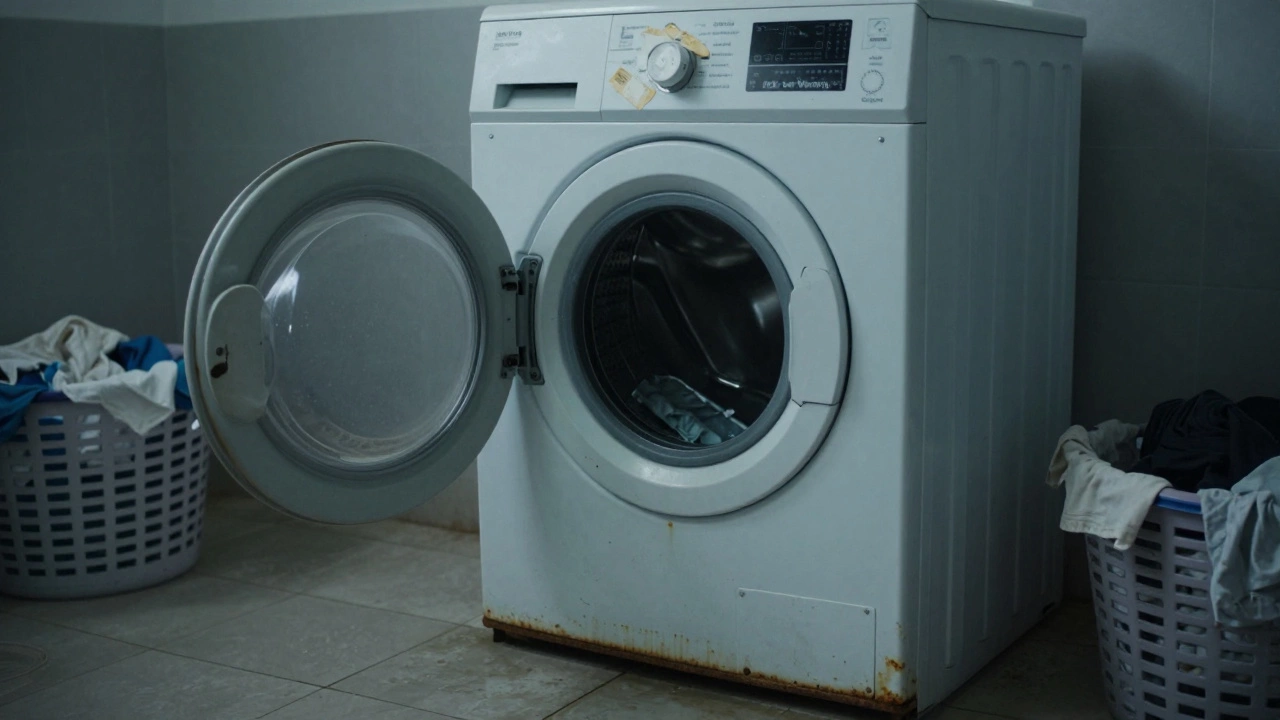
- Noisy operation-Grinding, banging, or loud humming during spin cycle usually means worn bearings or a damaged drum shaft. These aren’t cheap fixes.
- Water leaks-Small puddles under the machine often come from a cracked hose, failing door seal, or damaged tub. Replacing a seal might cost $80. Replacing the tub? That’s nearly the price of a new machine.
- Longer cycle times-If your 90-minute cycle now takes 2 hours, the control board or water inlet valve might be failing. It’s a symptom of aging electronics.
- Clothes come out dirty or smelly-This isn’t always about detergent. It can mean the drum isn’t spinning properly, or mold has built up inside the seal or drain pump. Deep cleaning helps, but if it keeps coming back, the design is failing.
- Door won’t unlock-A stuck door is often a faulty door lock mechanism. Easy fix? Maybe. But if it’s happened twice in a year, the whole locking system is wearing out.
One of the biggest red flags is when you start needing repairs more than once a year. If you’ve paid for three service calls in two years, you’re spending more on repairs than you would on a new machine. And you’re still risking a breakdown during laundry day.
What Drives a Washing Machine to Die Early?
It’s not always the machine’s fault. Here’s what actually kills them:
- Overloading-Stuffing 10kg of clothes into a 7kg machine strains the motor, suspension, and drum. It’s like running a car at full throttle every day.
- Hard water-Mineral buildup clogs pipes, corrodes heating elements, and gums up the drum bearings. In Adelaide, using a water softener or descaling agent every 3 months can add years to your machine’s life.
- Skipping maintenance-Most people never clean the detergent drawer, filter, or door seal. Mold and lint buildup lead to odors, blockages, and mechanical stress.
- Using too much detergent-Excess suds don’t rinse out. They stick to the drum and hoses, creating residue that attracts bacteria and wears down rubber parts.
- Plugged drain-If your machine drains slowly, the pump works harder. Over time, that kills the pump motor. Always check the drain hose for kinks or lint.
One technician in Norwood told me he sees the same pattern every winter: machines die because people run hot washes with heavy loads, don’t clean the filter, and then blame the machine. It’s not broken-it’s neglected.
Should You Repair or Replace?
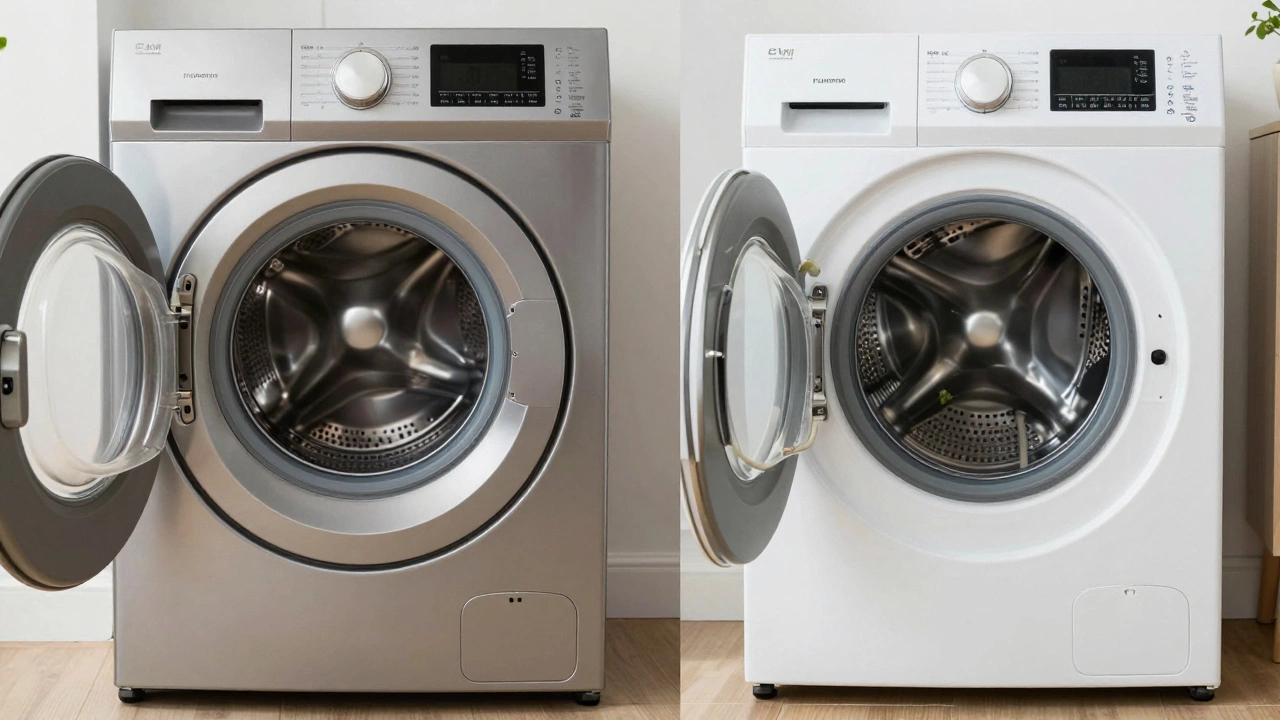
Here’s a simple rule: if the repair cost is more than half the price of a new machine, walk away.
Let’s say your machine is 8 years old and the motor fails. A new motor costs $350. A decent new washing machine? Around $700-$900. Paying $350 to extend its life by 2-3 years? Not worth it. You’re just delaying the inevitable.
But if it’s a 4-year-old machine and the door seal is cracked? That’s a $120 fix. Easy call. The machine still has half its life left.
Another factor: warranty. If your machine is still under warranty (most last 2-5 years), get it fixed. If it’s out of warranty and you’re paying for repairs, you’re basically funding someone else’s new appliance.
And don’t forget the hidden cost: time. Waiting for a repair technician, losing a day of laundry, risking damage to your clothes-it adds up. Sometimes, replacing it is the cheapest option.
How to Make Your Washing Machine Last Longer
If you want to squeeze every year out of your machine, do these 5 things:
- Clean the filter monthly-It’s usually behind a small panel at the front bottom. Empty it into a bucket. Lint, coins, and buttons build up fast.
- Wipe the door seal-After each wash, pull back the rubber gasket and dry it. Mold grows in the damp folds.
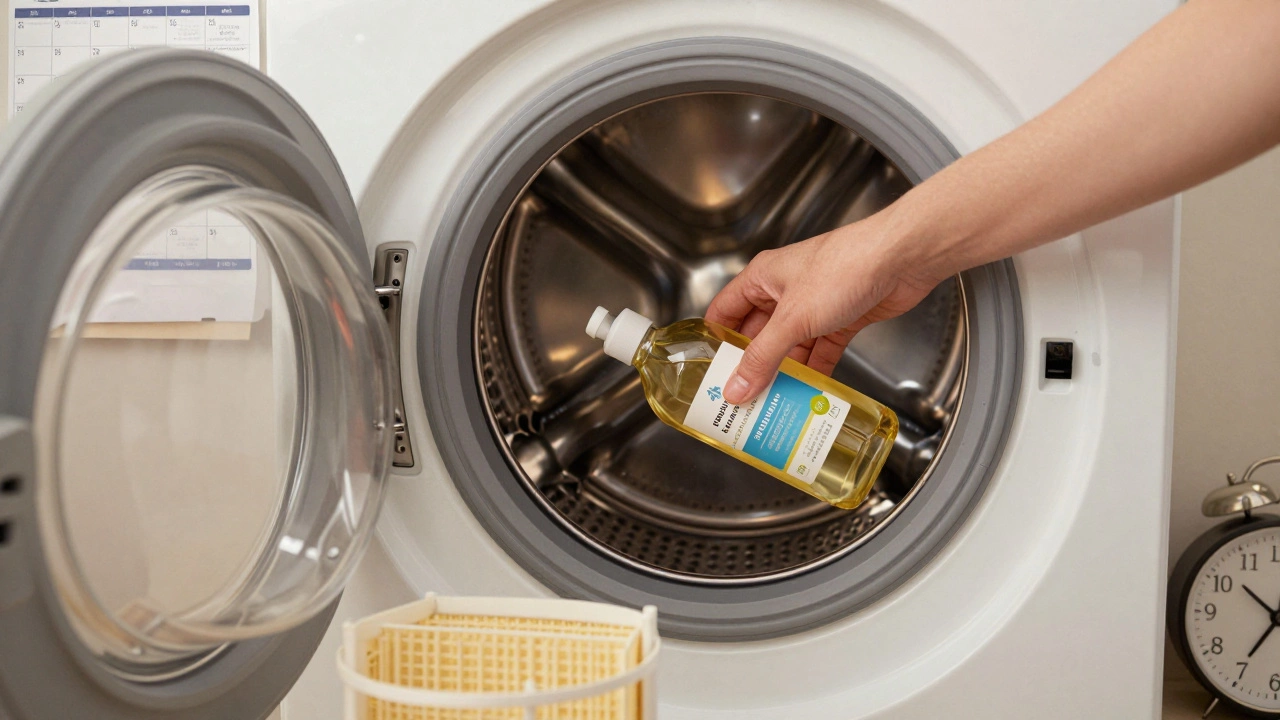
- Run a hot empty cycle with vinegar or washing machine cleaner-Once a month. It kills bacteria and dissolves detergent residue.
- Don’t overload-Leave a hand’s width of space between the top of the load and the drum.
- Use the right detergent-High-efficiency (HE) detergent for front-loaders. Regular detergent creates too many suds and damages the system.
These steps take 10 minutes a month. That’s less time than you spend scrolling through Instagram. But they can easily add 3-5 years to your machine’s life.
When It’s Time to Buy a New One
Replace your machine if:
- It’s over 10 years old and you’re spending more than $200 a year on repairs
- It’s leaking, noisy, or not cleaning properly despite cleaning and maintenance
- You’re tired of waiting for repairs or dealing with broken cycles
- You want better energy efficiency-new models use 30-50% less water and electricity
Modern machines are smarter, quieter, and more efficient. A 2025 model with an A+++ rating can save you $150 a year on power and water bills. That pays for the machine in 5 years. And you won’t have to worry about it dying mid-cycle.
Look for models with stainless steel drums, direct drive motors (no belts), and good customer service ratings. Avoid the cheapest models on sale-they’re built to fail in 6 years.
What Happens to Old Washing Machines?
Most end up in landfill. But you don’t have to. In South Australia, you can take old appliances to a EPA-approved recycling center. Many retailers also take back old machines when you buy a new one. Some charities accept working machines for low-income families. Don’t just toss it. Someone else might need it.
And if it’s still working? Sell it on Facebook Marketplace. A 7-year-old machine in good condition still fetches $150-$250. That’s money back toward your new one.
Final Thought: It’s Not Just a Machine
Your washing machine is one of the most used appliances in your home. It handles your family’s daily hygiene. It deserves more than just a shrug when it starts acting up.
Knowing how long it should last isn’t about guessing. It’s about watching for signs, doing simple maintenance, and making smart decisions when it starts to fail. Don’t wait for disaster. Pay attention. Act early. And when the time comes to replace it, choose something built to last-not just something that looks good on sale.
How long does a washing machine typically last?
Most washing machines last between 10 and 12 years with normal use. Machines used heavily, in hard water areas, or poorly maintained may last only 6-8 years. High-quality models from brands like Miele or Bosch often exceed 15 years with proper care.
Is it worth repairing a 10-year-old washing machine?
Generally, no. If your machine is 10 years or older and needs a major repair-like a new motor, drum, or control board-it’s usually cheaper to replace it. Repair costs over $350 on an old machine rarely make financial sense, especially when new models are more efficient and reliable.
What causes washing machines to break down early?
Overloading, hard water, using too much detergent, and skipping maintenance are the top causes. Lint and mineral buildup clog pipes and damage bearings. Mold in the door seal leads to odors and mechanical stress. Running heavy loads on hot cycles every day wears out components faster.
How often should I clean my washing machine?
Clean the filter every month, wipe the door seal after each use, and run a hot empty cycle with vinegar or washing machine cleaner once a month. These simple steps prevent mold, blockages, and mechanical wear.
Should I buy a more expensive washing machine?
Yes, if you want it to last. Machines priced under $500 often use plastic parts, weaker motors, and cheaper seals that fail in 5-7 years. Spending $800-$1,200 on a model with a stainless steel drum, direct drive motor, and good warranty gives you better reliability and 12+ years of use.