Water Heater Maintenance Estimator
Enter your details to estimate how much skipping annual flushes could cost you in energy waste and potential repairs.
Extra Energy Cost
$0.00
Due to reduced efficiency from sediment insulation.
Risk Status
Low
Maintenance recommended soon.
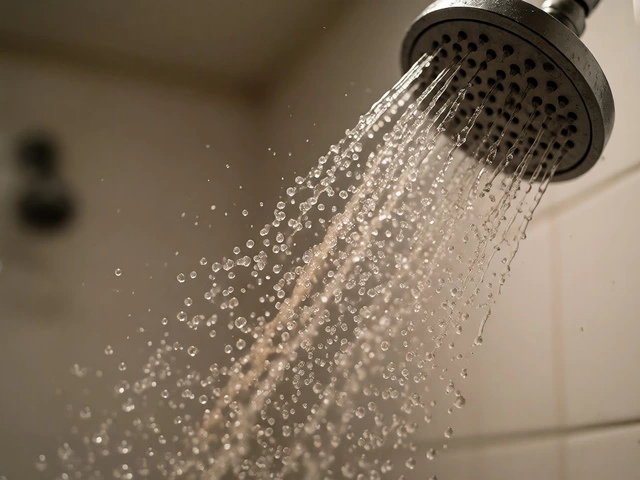
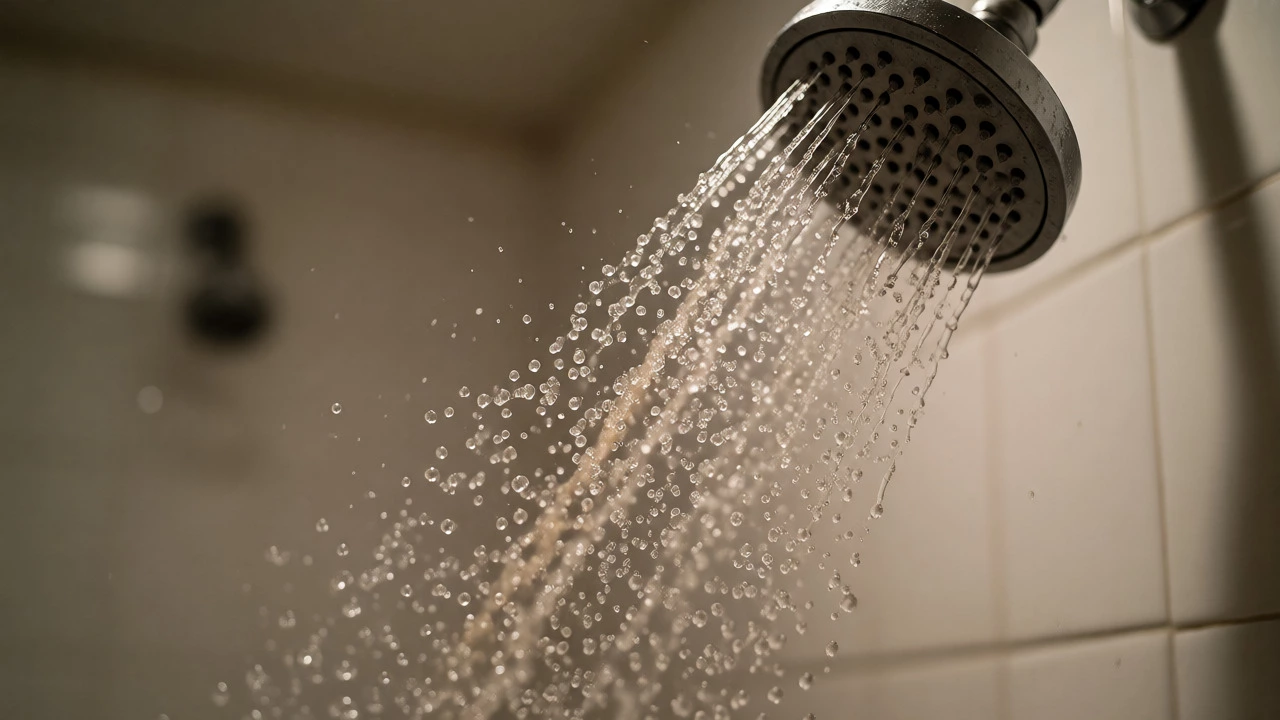
You turn on the hot tap in your shower, expecting a soothing stream of warmth. Instead, you get lukewarm water that sputters and pops like popcorn. Or worse, the water comes out brownish or smells like rotten eggs. This isn't just bad luck; it's usually the result of one skipped chore: flushing the water heater. Most homeowners ignore this step until their unit fails completely, but the damage starts long before the tank bursts.
The Silent Killer: Sediment Buildup
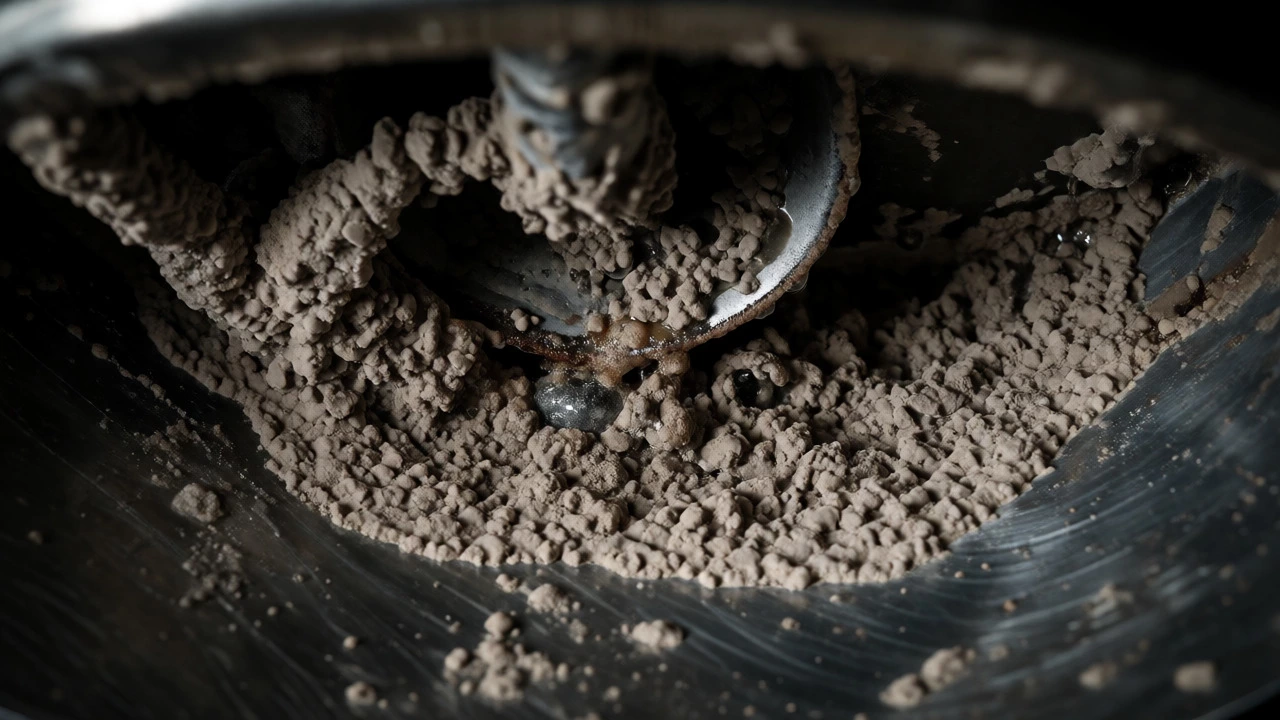
Here is the reality: all water contains minerals. In Adelaide, where we deal with hard water, those minerals are mostly calcium and magnesium. When your electric water heater or gas water heater heats this water, these minerals don't evaporate. They settle to the bottom of the tank as sediment. Over time, this layer grows thicker and harder, turning into a crusty sludge.
Why does this matter? Because that sediment sits right under the heating elements or burner. It acts as an insulator. The heat has to work harder to push through that layer of dirt to reach the water above it. This forces your appliance to run longer cycles, driving up your energy bills by 10-15% without you even noticing. You're literally paying to heat rocks at the bottom of your tank.
Corrosion and Tank Failure
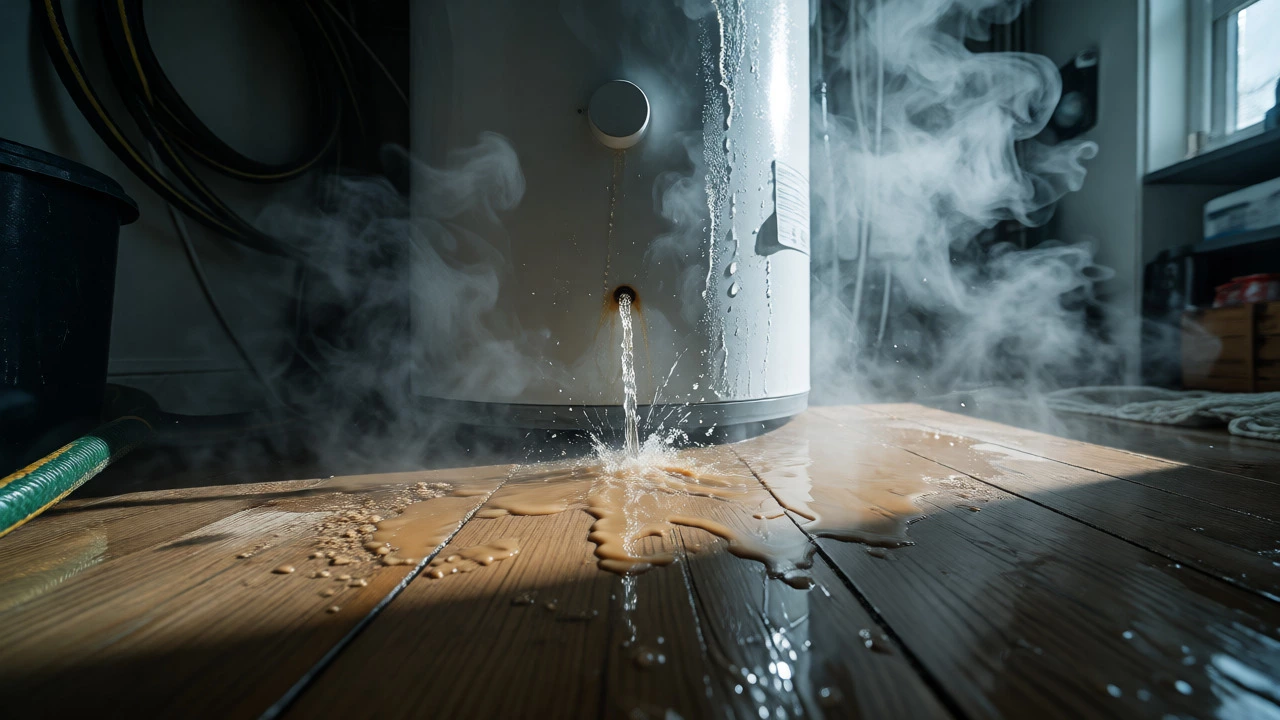
Sediment doesn't just block heat; it eats metal. As the mineral layer accumulates, it traps moisture against the steel lining of the tank. This creates pockets of corrosion. If you have an older unit with a worn-out anode rod, which is designed to sacrifice itself to prevent rust, you are in serious trouble. Once the anode is gone, the tank body starts to corrode from the inside out.
Small pinhole leaks develop. You might see a tiny drip near the base, often mistaken for condensation. But soon, that leak becomes a gush. A burst water heater can dump 100 to 300 litres of scalding water onto your floor in minutes. If you live in an apartment or have timber floors, the cleanup costs can dwarf the price of a new heater.
Noise and Efficiency Loss
Hear that banging or rumbling noise? That’s not your house settling. That’s trapped steam bubbles trying to escape through layers of compacted sediment. Known as "kettling," this noise indicates significant buildup. The sound is caused by water getting trapped under the sediment, boiling rapidly, and then exploding upward when it breaks free.
This process also reduces your hot water capacity. The sediment takes up space that should be filled with water. So, if you have a 315-litre tank, you might effectively only have 280 litres of usable hot water because the rest is solidified mud. For a family taking back-to-back showers, this means running out of hot water way earlier than expected.
The Smell Factor
Have you ever noticed a sulfur or rotten egg smell coming from your hot taps? This is caused by bacteria thriving in the sediment layer. Sulfate-reducing bacteria feed on the organic matter and minerals accumulated at the bottom of the tank. They produce hydrogen sulfide gas as a waste product. While cold water might smell fine, heating it releases the gas, making the odor potent and unpleasant.
Flushing the tank removes the food source for these bacteria. Simply replacing the anode rod won't fix this if the sediment remains. You need to physically remove the sludge to stop the smell from returning within weeks.
Tankless vs. Storage Heaters: Does It Apply?
If you have a tankless water heater, you might think you’re off the hook. Not exactly. While they don't store large volumes of water, they still have heat exchangers that scale up with mineral deposits. Hard water causes scaling on the internal coils, reducing efficiency and causing flow restrictions.
For tankless units, the maintenance involves circulating a descaling solution (usually vinegar-based) through the system rather than draining a tank. Skipping this leads to overheating errors and premature failure of the heat exchanger. So, whether you have a traditional storage tank or a modern instant unit, neglect always wins.
| Issue | Cause | Consequence | Estimated Cost Impact |
|---|---|---|---|
| Higher Energy Bills | Sediment insulating heating elements | Unit runs 20% longer to heat water | + $150 - $300 per year |
| Reduced Hot Water Volume | Sediment displacing water | Showers end prematurely | Inconvenience / Need larger unit |
| Premature Element Burnout | Overheating due to poor heat transfer | Electric elements fail early | $50 - $150 per replacement |
| Tank Corrosion | Moisture trapped under sediment | Leaks and tank rupture | $1,000+ for replacement & cleanup |
How Often Should You Flush?
Plumbers generally recommend flushing your water heater once a year. However, if you live in an area with extremely hard water, like parts of South Australia, every six months is safer. Look at the signs: if your water tastes metallic, smells odd, or the tank makes noises, it’s overdue.
Do you actually need to do it yourself? It’s a manageable DIY task if you’re comfortable working with plumbing valves. You’ll need a garden hose, a bucket, and about 30 minutes. Turn off the power or gas, connect the hose to the drain valve, open the valve, and let it run until the water runs clear. Then refill and restart.
However, if your drain valve is old and brittle, opening it might cause it to snap or leak permanently. In that case, call a professional. A licensed plumber can inspect the anode rod while they’re there, saving you a second visit later.
When Flushing Isn’t Enough
If your water heater is over 10 years old and hasn’t been flushed, flushing might actually trigger a leak. The sediment may have been plugging small holes in the corroded tank. Removing it exposes the weakness. If water starts leaking from the drain valve after flushing, it’s likely time for a replacement rather than a repair.
Also, check the pressure relief valve. If it’s dripping, that’s a separate issue related to thermal expansion, not necessarily sediment. Don’t confuse the two. A dripping TPR valve needs replacement, but it doesn’t mean your tank is full of mud.
Can I flush my water heater myself?
Yes, most homeowners can flush a standard storage water heater. You need a garden hose that fits the drain valve, a bucket, and basic tools. Ensure the power or gas is off first. Connect the hose, direct it outside, open the valve, and drain until clear. Be cautious with old plastic drain valves as they can break easily.
How much does it cost to hire someone to flush a water heater?
In Australia, a professional flush typically costs between $150 and $250. This often includes a safety inspection and checking the anode rod. Compared to the cost of a new water heater ($1,000-$2,500), regular maintenance is a cheap insurance policy.
Does flushing a water heater void the warranty?
No, routine maintenance like flushing does not void warranties. In fact, many manufacturers require proof of annual servicing to honor claims. Keeping a log of your flushes can help if you ever need to make a warranty claim.
Why is my water heater making popping noises?
Popping or rumbling noises are caused by "kettling." Sediment at the bottom of the tank traps water, which boils and creates steam bubbles. These bubbles collapse violently when they rise through the cooler water above. Flushing the tank removes the sediment and stops the noise.
What happens if I never replace the anode rod?
The anode rod sacrifices itself to prevent the steel tank from rusting. Once it dissolves completely, corrosion attacks the tank walls directly. This significantly shortens the lifespan of your water heater, potentially cutting its life from 10-15 years down to 5-7 years.
Next Steps for Homeowners
Check your calendar. If it’s been more than 12 months since your last flush, schedule it now. Inspect the base of your unit for any dampness or rust stains. Listen for noises during operation. If you spot leaks or hear loud banging, book a professional inspection. Regular attention keeps your hot water flowing and your wallet intact.