Oven Repair vs. Replacement Calculator
Enter Your Details
Result
There is nothing worse than opening your oven door to find a cold interior when you expected heat, or worse, discovering that the temperature fluctuates wildly enough to ruin a delicate roast. You check the manual, and it tells you the appliance is eight years old. That number sits right on the fence of modern appliance lifespans. Is this the end of the road for your kitchen workhorse, or is a quick fix all that stands between you and dinner?
The short answer depends entirely on what broke and how much it costs to fix compared to buying new. But before you call a technician or head to the store, we need to look at the math. In Adelaide, the capital city of South Australia known for its moderate climate and growing population, labor rates for qualified electricians and appliance technicians have risen significantly over the last few years. An eight-year-old electric oven, a kitchen appliance that uses electrical heating elements to cook food at high temperatures is neither brand new nor ancient, but it has likely seen better days.
The 50% Rule: A Simple Financial Test
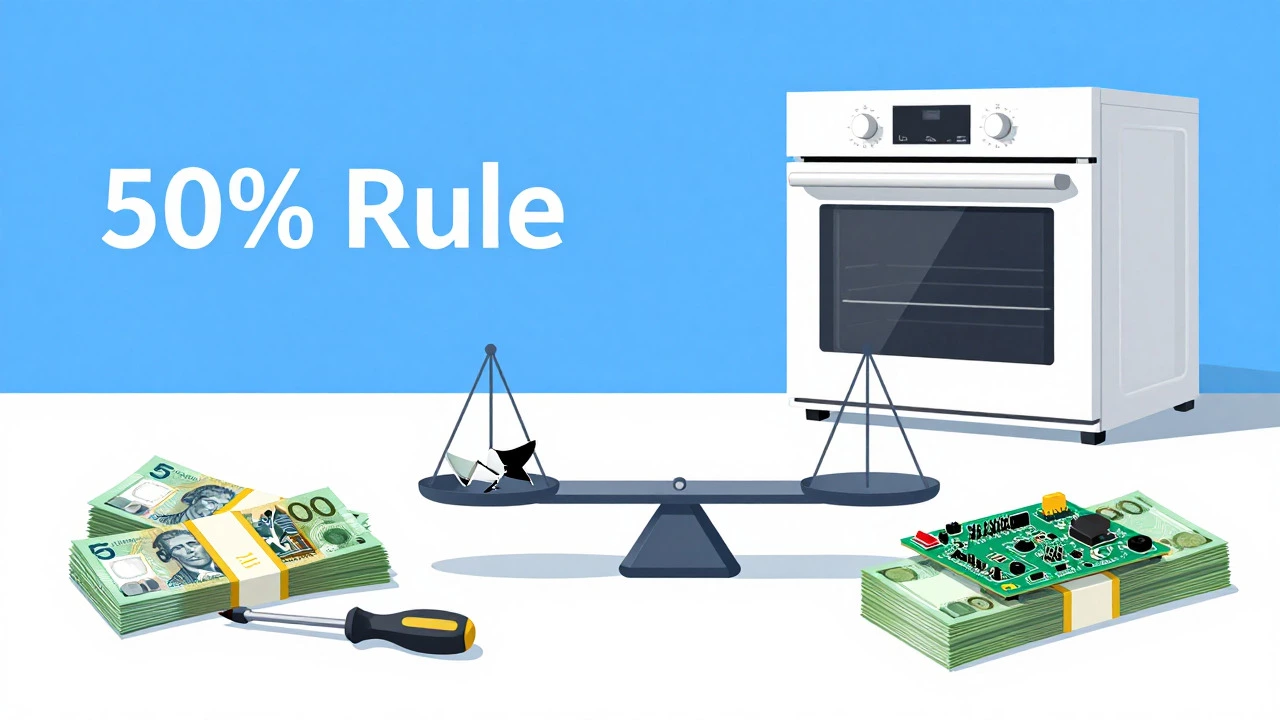
When deciding whether to repair or replace, most professional technicians use a straightforward heuristic known as the 50% rule. If the cost of the repair exceeds 50% of the price of a comparable new unit, replacement is usually the smarter financial move. This isn't just about the immediate bill; it's about future reliability.
Let’s break down the numbers. A mid-range built-in electric oven in Australia typically costs between $600 and $1,200 AUD, depending on features like steam injection, pyrolytic cleaning, or smart connectivity. A basic model might be closer to $400. Now, consider the repair costs. A service call fee alone in metropolitan areas can range from $80 to $150. Parts are another expense. A simple thermostat might cost $30 to buy but requires two hours of labor to install, pushing the total bill toward $300.
If your repair quote is $350 for a $600 oven, you are spending nearly 60% of the new value on a machine that is already eight years old. At that point, you are pouring money into a sinking ship. However, if the issue is a faulty door switch costing $150 total, that is only 25% of the new value. That is a repair worth making.
| Scenario | Estimated Repair Cost (AUD) | New Oven Price (AUD) | Recommendation |
|---|---|---|---|
| Minor Issue (Switch/Light) | $120 - $180 | $600 | Repair |
| Moderate Issue (Thermostat/Element) | $250 - $350 | $800 | Consider Replace |
| Major Issue (Control Board/Motor) | $400 - $600+ | $900 | Replace |
Common Failures in Eight-Year-Old Ovens
Understanding what typically breaks helps you anticipate the worst-case scenario. After eight years of thermal cycling-heating up to 250°C and cooling down repeatedly-components degrade. The most common failures fall into three categories: heating elements, thermostats, and control boards.
Heating Elements: These are the coils at the bottom or top of the oven. They don't always fail completely; sometimes they develop hot spots or burn out entirely. Replacing an element is relatively cheap ($50-$100 for parts) and easy to do. If this is your only problem, repairing is almost always worth it. The element is a consumable part, much like brake pads on a car.
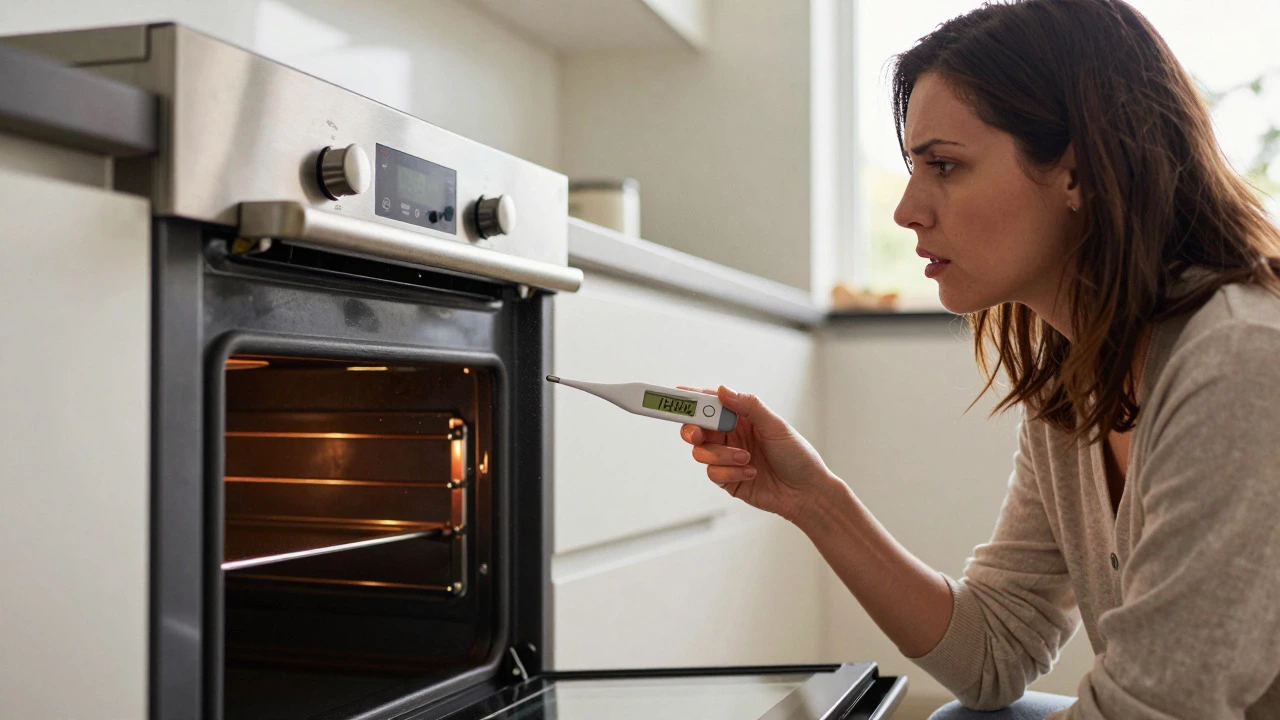
Thermostats and Sensors: The oven relies on a temperature sensor to tell the control board when to cut power. If this sensor drifts, your cookies might burn while the center remains raw. Thermostat repairs involve more labor because they are often buried behind panels. If the sensor fails, the cost jumps. If the thermostat itself is mechanical and stuck, it might indicate broader wear in the internal mechanisms.
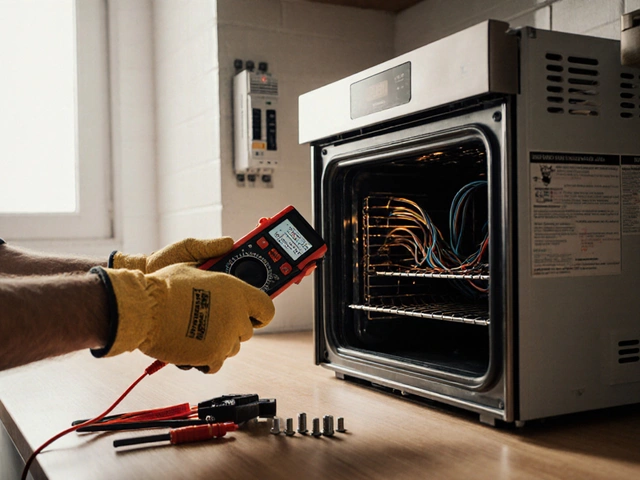
Electronic Control Boards: This is the brain of the oven. If the display flickers, buttons become unresponsive, or the oven turns on by itself, the control board is likely suspect. These boards are expensive ($150-$300 for parts) and require precise installation. When the brain dies, the body rarely follows with enthusiasm. A failed control board on an eight-year-old unit is a strong signal to replace the entire appliance.
Efficiency and Technology Gaps
Beyond the immediate repair bill, you must consider energy efficiency. Ovens manufactured eight years ago, around 2018, were good, but today’s models are significantly more efficient. Modern ovens use better insulation materials, improved sealing gaskets, and smarter heating algorithms that reduce preheat time and energy waste.
In Australia, where electricity prices have been volatile, an inefficient oven can add noticeable costs to your quarterly bills. A newer model might save you 10-15% on energy usage for cooking. Over the next five years, those savings could amount to hundreds of dollars, offsetting the initial purchase price of a new oven. If your current oven takes 20 minutes to preheat to 180°C and a new one does it in 10, you are also saving time-a resource that money can’t buy back.
Furthermore, technology has shifted. Many new ovens offer convection fans that distribute heat more evenly, eliminating the need to rotate trays mid-cook. Some include self-cleaning functions that use high heat or steam to break down grease, sparing you the scrubbing. If your eight-year-old oven lacks these features, upgrading improves your daily quality of life, not just your bank account.
Safety Concerns with Aging Appliances
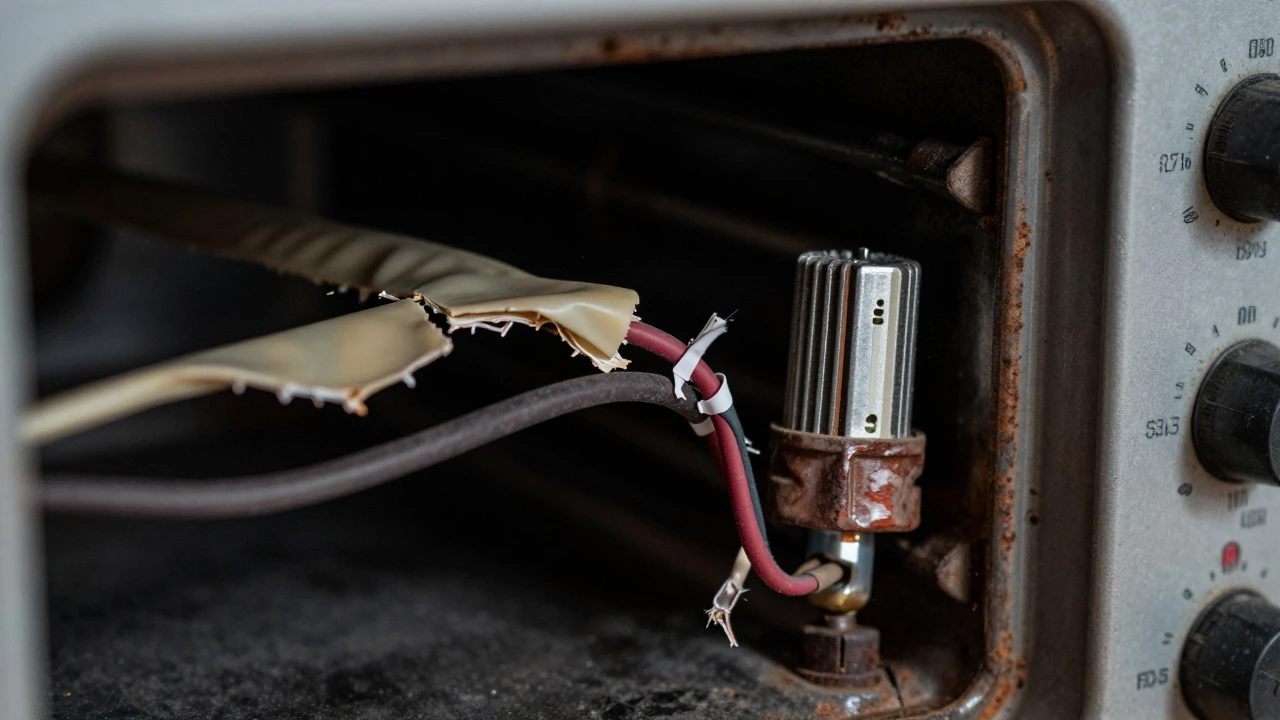
Safety should never be an afterthought. As ovens age, wiring insulation can become brittle, and connections can loosen due to heat expansion and contraction. While rare, electrical faults in older appliances can pose fire risks. If your oven sparks, smells like burning plastic even after cleaning, or trips the circuit breaker frequently, stop using it immediately.
An eight-year-old oven is generally safe if it has been well-maintained. However, if it has undergone multiple repairs, the integrity of the internal wiring may be compromised. Technicians often note that repeated disassembly increases the risk of loose connections. If a diagnostic reveals frayed wires or corroded terminals, replacement becomes a safety imperative rather than just a financial decision.
Environmental Impact: Repair vs. Replace
Many people feel guilty about throwing away a large appliance. Electronics waste is a genuine environmental concern. From an ecological standpoint, repairing extends the life of existing materials and reduces manufacturing demand. If the repair is minor and the oven will last another three to five years, repairing is the greener choice.
However, if the oven is inefficient and consumes excessive energy, keeping it running may have a higher carbon footprint over time than replacing it with a highly efficient model. Additionally, many manufacturers now offer take-back programs. When you buy a new oven, they often remove the old one for proper recycling. Copper, steel, and glass from your old oven can be recovered and reused, mitigating the waste impact. Check with local retailers in Adelaide to see if they provide free removal services with purchase.
When to Definitely Replace
Use this checklist to make your final decision. If you check any of the following boxes, it is time to say goodbye to your old oven:
- The repair cost is more than half the price of a new, comparable model.
- The oven has required more than two major repairs in the last three years.
- The control board or main electronic module has failed.
- You cannot find replacement parts easily, indicating the model is discontinued.
- The oven door seal is cracked or missing, leading to significant heat loss.
- You are planning to sell your home soon; a new oven adds curb appeal and value.
Conversely, if the issue is a simple element replacement, a broken light bulb, or a faulty door latch, and the oven otherwise performs well, go ahead and repair it. There is no shame in squeezing every last year of performance out of a reliable machine.
Finding Reliable Help in Adelaide
If you decide to repair, ensure you hire a qualified technician. In South Australia, electrical work must be performed by licensed electricians. Look for reviews on local platforms, ask for recommendations from neighbors, and verify that the technician offers a warranty on both parts and labor. A reputable provider will give you a clear written estimate before starting work. Avoid cash-only deals that lack receipts or warranties.
Get at least two quotes if possible. Sometimes, one technician might recommend a full board replacement while another suggests a simpler component fix. Comparing approaches can reveal whether you are getting honest advice or being upsold. Remember, the goal is a functional oven, not necessarily the most expensive repair.
How long does an electric oven typically last?
Most electric ovens last between 10 to 15 years with regular use. However, heavy daily use or frequent high-temperature cooking can shorten this lifespan. If your oven is eight years old, it is approaching the midpoint of its expected life, so major failures are becoming more likely.
Can I replace an oven heating element myself?
Yes, replacing a heating element is one of the few oven repairs suitable for DIY enthusiasts. It usually involves unscrewing the old element and plugging in the new one. Always turn off the power at the circuit breaker first. If you are unsure, watch manufacturer-specific videos online. For gas ovens, however, professional help is strongly recommended due to gas line risks.
Is it cheaper to repair or replace an oven thermostat?
Replacing a thermostat typically costs between $200 and $350 including labor. If your oven is worth less than $700, this repair might not be financially wise. Consider that a new oven comes with a fresh thermostat and other updated components. Use the 50% rule to guide your decision.
What signs indicate my oven is failing beyond repair?
Signs include inconsistent baking results despite calibration, frequent tripping of circuit breakers, visible sparking inside the oven, strange burning smells that persist after cleaning, and unresponsive digital controls. If multiple issues arise simultaneously, the underlying cause is likely systemic wear, making replacement the better option.
Do new ovens come with warranties?
Yes, most new ovens in Australia come with a standard one-year manufacturer warranty, which covers defects in materials and workmanship. Some brands offer extended warranties for an additional fee. Register your new oven promptly to activate the warranty coverage. This protection provides peace of mind that your repaired eight-year-old unit no longer has.