
Fan Problem Diagnostic Tool
Answer a few questions about your fan's behavior to get a likely diagnosis and recommended action.
Diagnosis
Description of the issue.
You’re standing in your kitchen after cooking a roast dinner. The air is thick with grease particles and the smell of roasted garlic lingers on every surface. You reach for the switch above your stove, but nothing happens-or worse, it just blows warm, stale air around without actually removing the odor. This is where confusion often starts. Is that device above your cooktop a ventilation fan or an extractor fan? Most people use these terms interchangeably, but if you are looking to fix a broken unit or upgrade your home’s airflow, knowing the difference saves you money and prevents costly mistakes.
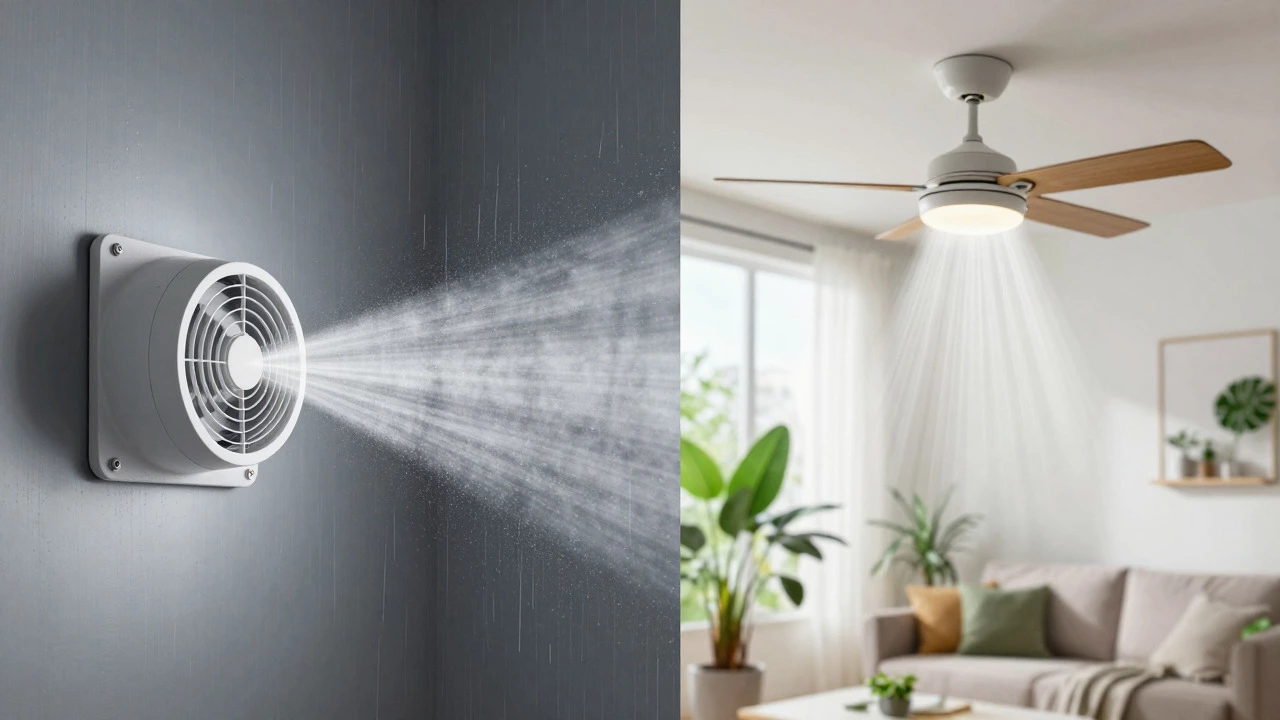
In short, they are not the same thing, although there is significant overlap in how we talk about them. An extractor fan is designed to pull contaminated air out of a specific space and expel it outside. A ventilation fanis a broader term for any fan used to circulate air within a building, which can include bringing fresh air in, moving air between rooms, or simply circulating air to prevent stagnation. Understanding this distinction is crucial when diagnosing why your system isn’t working or deciding which type of repair service you need in Adelaide.
The Core Function: Extraction vs. Circulation
Let’s break down what each machine is actually doing. When you think of an kitchen extractor fan, you are thinking about removal. Its job is to capture smoke, steam, cooking odors, and grease at the source-the stovetop-and push them through ducting to the outdoors. It creates negative pressure in the room, pulling air from other parts of the house to replace what was removed. If you install one in a bathroom, its goal is to remove humidity to prevent mold growth. The key metric here is "extraction rate," usually measured in cubic meters per hour (m³/h).
A general ventilation fan, on the other hand, focuses on air quality and movement rather than just removal. This category includes whole-house fans, ceiling fans, and intake vents. For example, a whole-house ventilation system might bring fresh, filtered air into your living spaces while gently pushing stale air out through passive vents. It doesn’t necessarily have a powerful motor sucking air out of a single room; instead, it balances the entire home’s atmosphere. In older homes, especially those built before modern insulation standards, simple window fans or attic fans fall under this umbrella. They move air, but they don’t always "extract" pollutants directly from a source like a frying pan.
Why does this matter for repairs? Because the mechanisms differ. An extractor fan deals with grease filters, high-speed motors, and complex ductwork connections. A general ventilation fan might rely on simple blade rotation, thermostats, or humidistats. If you call a technician expecting a simple bulb change for a ventilation issue, but you actually have a clogged grease trap in an extractor unit, the diagnosis will be very different.
Anatomy of an Extractor Fan
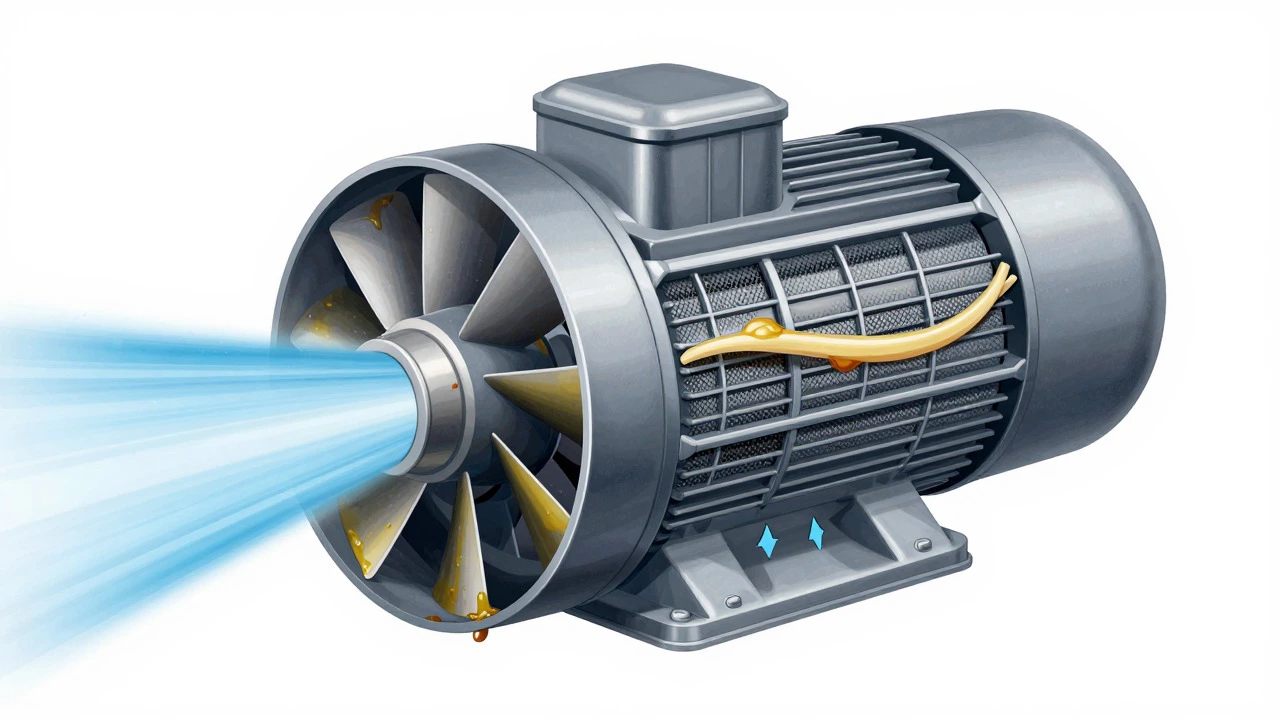
To understand why your range hood or bathroom extractor might be failing, you need to know what’s inside. These units are robust because they handle harsh conditions. Here are the critical components:
- Motors: Extractor fans use high-torque motors designed to run continuously during cooking or showering. Over time, bearings wear out, causing noise or complete failure.
- Fans/Impellers: These blades spin at high speeds to create suction. Grease buildup on impellers in kitchen units throws off the balance, leading to vibration and eventual motor burnout.
- Ducting: Unlike recirculating systems, proper extraction requires rigid or flexible ducting that leads outside. Blockages here-bird nests, debris, or collapsed pipes-are common causes of poor performance.
- Filtration: Kitchen extractors use metal mesh filters to catch grease. Bathroom models may use charcoal filters if they recirculate air, though direct extraction is preferred.
If your fan is running but not extracting air effectively, the issue is rarely the motor itself. More often, it’s a blocked filter, a disconnected duct, or a damper flap that won’t open. These are mechanical issues specific to extraction systems.
Anatomy of a General Ventilation Fan
General ventilation fans are simpler by design. A standard ceiling fan or a wall-mounted exhaust fan in a closet has fewer moving parts. The primary component is the motor and the blades. In many residential settings, "ventilation" is achieved through passive means-vents in walls or roofs that allow air to escape naturally as fresh air enters elsewhere. Active ventilation fans in this category often rely on sensors. For instance, a heat recovery ventilator (HRV) exchanges indoor and outdoor air while retaining heat, using a core mechanism rather than just a spinning blade. These systems are more about energy efficiency and air freshness than immediate pollutant removal.
When these fail, the problem is often electrical-a tripped breaker, a faulty switch, or a worn-out capacitor in the motor. They don’t accumulate grease, so maintenance is less frequent but still necessary to ensure blades are clean and balanced.
Comparison: Which One Do You Have?
| Feature | Extractor Fan | Ventilation Fan |
|---|---|---|
| Primary Goal | Remove contaminants (smoke, steam, odors) | Circulate air, maintain temperature/freshness |
| Airflow Direction | Outward only (usually) | Inward, outward, or internal circulation |
| Location | Kitchens, bathrooms, laundries | Living rooms, attics, basements, whole-house |
| Filtration | Grease filters, carbon filters | Minimal or none (sometimes HEPA in HRVs) |
| Noise Level | Higher (due to power) | Lower (designed for comfort) |
| Maintenance | Regular cleaning of filters/ducts | Dusting blades, checking switches |
Common Problems and Signs You Need Repair
Whether you have an extractor or a ventilation fan, ignoring early warning signs leads to bigger bills. In Adelaide, where summer humidity can spike and winter dust storms roll in, your fans work hard. Here is what to look out for.
Loud Grinding or Rattling Noises: This is almost always a mechanical issue. For extractor fans, it could be a loose grease filter or a foreign object in the duct. For ventilation fans, it’s likely unbalanced blades or worn bearings. Don’t wait until it stops working; the motor might overheat.
Poor Airflow: If the fan runs but feels weak, check the filters first. Clogged grease filters in kitchen extractors reduce efficiency by up to 50%. In bathrooms, a blocked external vent cap due to leaves or spiderwebs is a common culprit. If filters are clean, the ductwork might be disconnected or crushed.
Moisture and Mold: If your bathroom mirror fogs up immediately after you turn on the fan, your extractor isn’t moving enough air. This suggests the motor is weakening or the ducting is leaking back into the roof cavity. Over time, this leads to mold growth, which is a health hazard and expensive to remediate.
Switch Issues: Sometimes the fan is fine, but the control isn’t. Timers, humidistats, and light-linked switches fail frequently. If the fan works when you manually wire it but not via the switch, you’ve found your problem.
DIY Fixes vs. Professional Help
Some tasks are safe for homeowners. Cleaning metal grease filters in the dishwasher or with hot soapy water takes ten minutes and restores performance. Dusting the blades of a ceiling ventilation fan improves airflow. Checking the external vent cap for blockages is also easy-if you have a ladder and safety gear.
However, electrical work and internal motor repairs require professionals. In Australia, electrical regulations are strict. If the fan is hardwired into your circuit, turning off the power at the switchboard is essential. But if you’re unsure about wiring colors or testing capacitors, call a licensed electrician or appliance repair specialist. Attempting to replace a motor in a high-speed extractor fan without proper tools can damage the housing or void warranties.
For complex issues like ductwork leaks in the roof space or motor replacements in integrated range hoods, professional repair services in Adelaide offer peace of mind. They have the diagnostic tools to measure airflow and voltage, ensuring the fix lasts.
Maintenance Tips for Longevity
Prevention is cheaper than cure. Follow these simple steps to keep your fans running efficiently:
- Clean Filters Monthly: For kitchen extractors, wash metal filters monthly. Replace carbon filters every six to twelve months.
- Check External Vents Quarterly: Ensure the outlet on your roof or exterior wall is clear of debris, bird nests, and insect screens that might be clogged.
- Lubricate Bearings Annually: Some older ventilation fans have accessible bearing points. A drop of oil can silence squeaks. Newer sealed bearings don’t need this.
- Test Humidistats: Spray water near the sensor in bathroom fans to ensure they turn on automatically. If they don’t, replace the sensor module.
- Inspect Ducting During Roof Work: If you’re having your roof inspected or cleaned, ask workers to check for disconnected or crushed flexi-ducting.
By understanding whether you’re dealing with an extraction system focused on pollution removal or a ventilation system focused on air circulation, you can diagnose problems faster and maintain your home’s air quality better. Whether you’re fixing a noisy bathroom fan or a sluggish kitchen hood, knowing the anatomy helps you decide when to DIY and when to call in the experts.
Can I use a ventilation fan instead of an extractor fan in the kitchen?
Not really. A standard ventilation fan moves air but lacks the power and filtration needed to remove grease and smoke effectively. Without proper extraction, grease will coat your cabinets and walls, creating a fire hazard and making cleaning difficult. Always use a dedicated kitchen extractor fan for cooking areas.
How do I know if my bathroom extractor fan is working properly?
Hold a piece of tissue paper near the grille when the fan is on. If the paper sticks firmly, the airflow is good. If it flutters or falls, the fan is weak or blocked. Also, check if the mirror clears quickly after a hot shower. If it stays foggy, the extraction rate is insufficient.
Why is my extractor fan making a loud rattling noise?
Rattling usually indicates a loose component. Check if the grease filters are securely attached. If they are, the issue might be inside the housing-a loose screw, a damaged impeller blade, or a foreign object in the duct. Turn off the power and inspect visually, or call a technician if you suspect internal motor damage.
Do I need to vent my extractor fan outside?
Yes, for optimal performance. Direct extraction removes moisture and odors from your home. Recirculating models use carbon filters to clean air before blowing it back in, but they are less effective at controlling humidity. If your model allows ducting outside, it is highly recommended.
How often should I replace my extractor fan motor?
Motors typically last 10 to 15 years with regular maintenance. If the fan runs hot, makes grinding noises, or stops working entirely, the motor may need replacement. In some cases, replacing the entire unit is more cost-effective than repairing an old motor.