Electric Water Heater Repair and Maintenance Guide
When your electric water heater, a household appliance that heats water using electrical elements instead of gas. Also known as storage tank water heater, it’s one of the most relied-on but least talked-about systems in your home. You don’t notice it until the cold shower hits — then you realize how much you depend on it. Unlike gas models, electric water heaters use one or two heating elements inside a tank to warm water, and they’re common in homes without natural gas lines. These units typically last 8 to 12 years, but with proper care, some can push past 15 — and yes, a few even hit 20 or more.
What kills most electric water heaters isn’t age — it’s neglect. Limescale buildup from hard water coats the heating elements, forcing them to work harder and burn out faster. A faulty thermostat can make the water too hot or not hot enough. And if the anode rod, which protects the tank from rust, isn’t checked every few years, the tank itself starts corroding from the inside. These aren’t mysterious problems. They’re predictable, preventable, and often fixable without replacing the whole unit. Many homeowners panic and call for a full replacement when all they really need is a new element, a cleaned tank, or a reset thermostat.
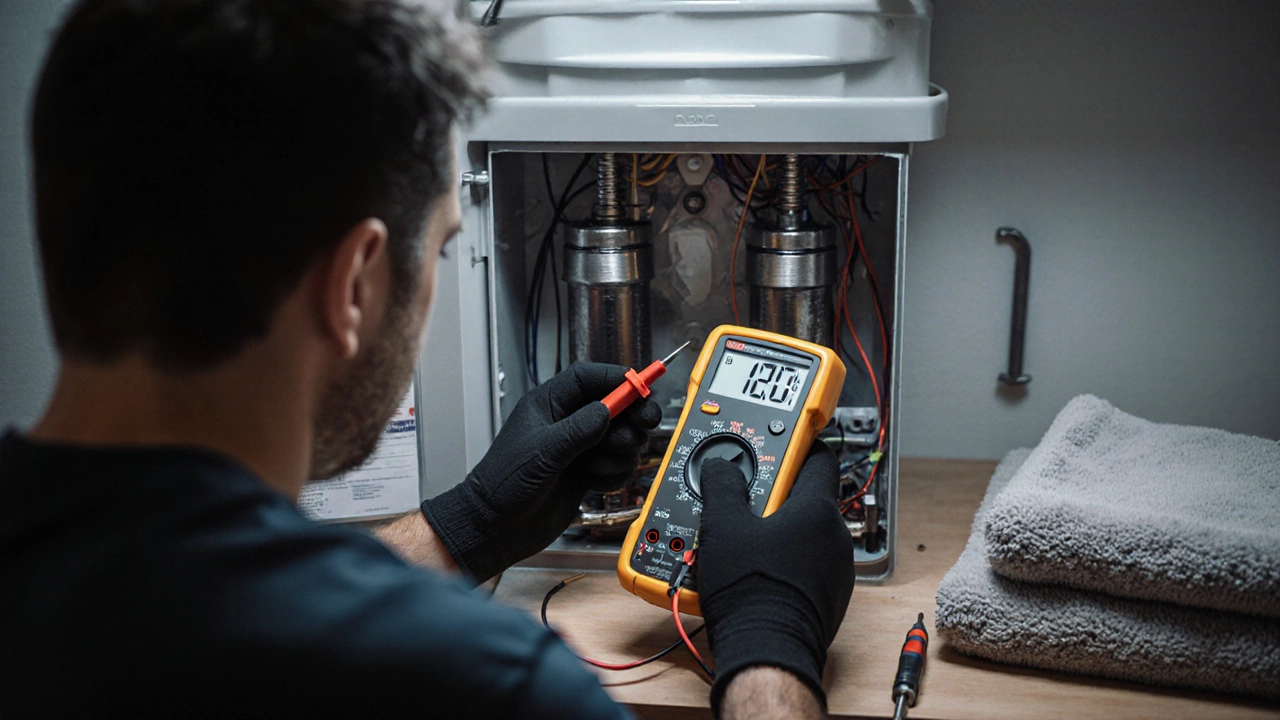
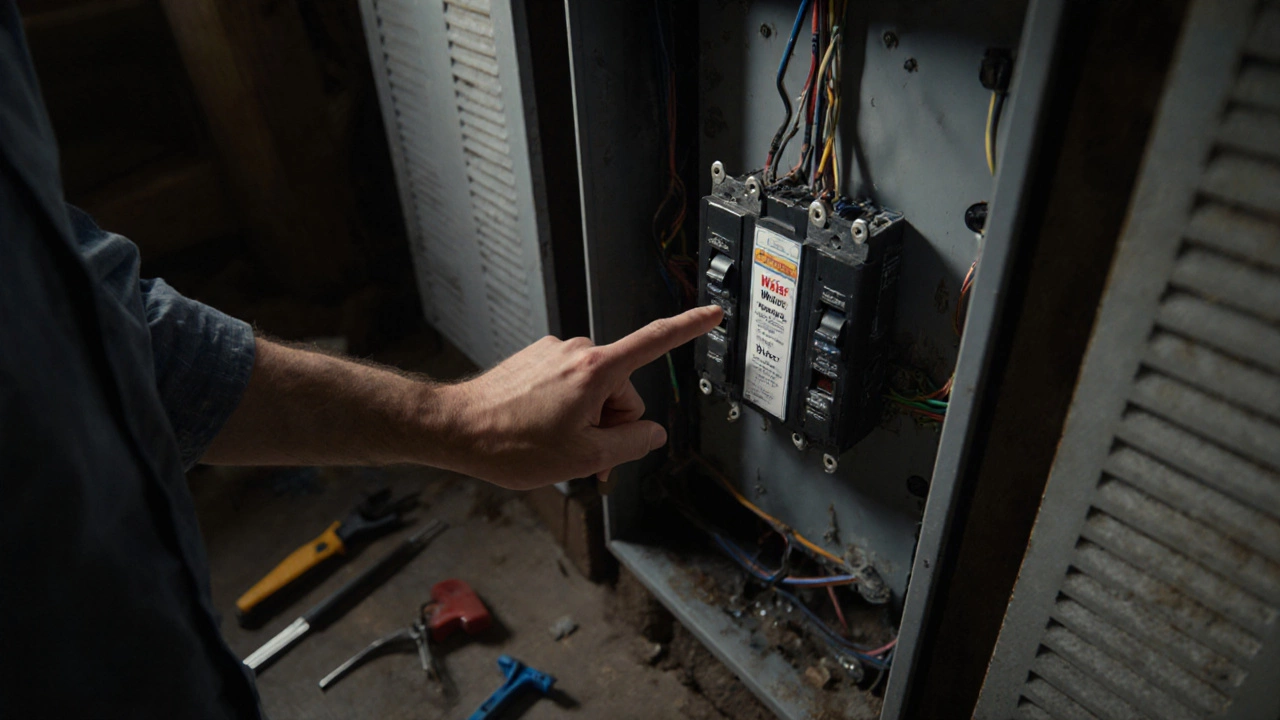
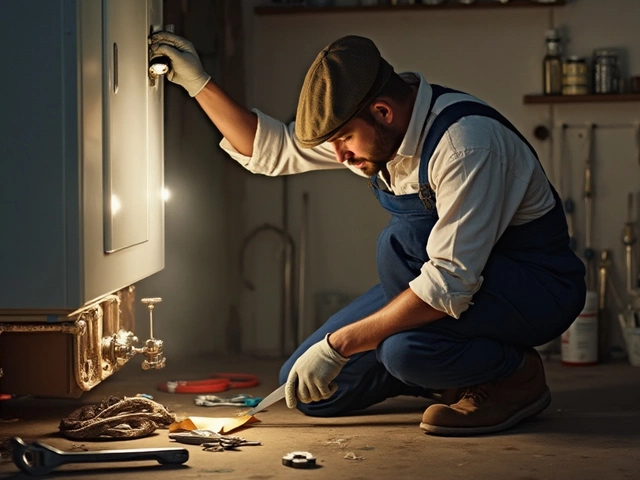
It’s not just about fixing the heater — it’s about knowing when to stop spending money on it. A 12-year-old electric water heater that’s leaking or taking forever to heat up? Repairing it might cost half as much as a new one, but you’re still paying higher electricity bills and risking a flood. On the other hand, a 6-year-old heater with a bad element? That’s a $150 fix, not a $1,500 replacement. You’ll find posts here that walk you through checking the power supply, testing the elements with a multimeter, flushing sediment, and even replacing the thermostat yourself — safely and without calling a pro unless you need to.
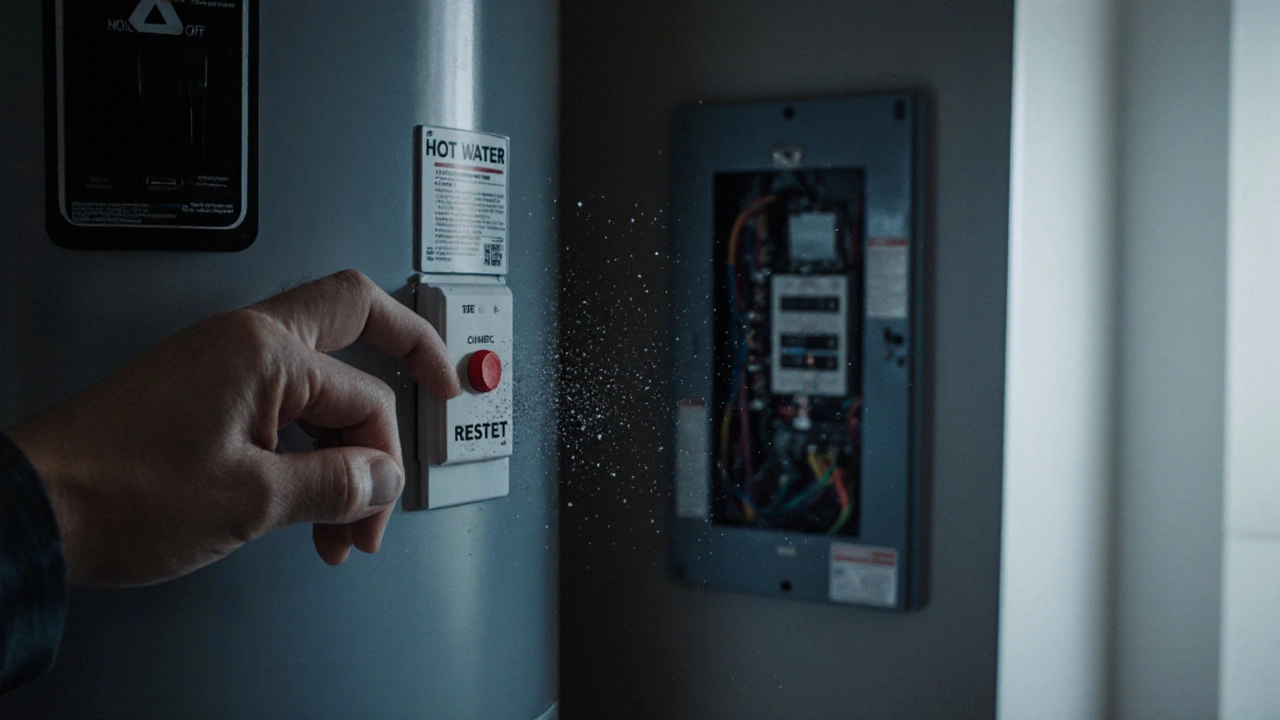
And if you’re wondering whether your heater can really last 30 years like some claim — yes, but only if you’ve been flushing it yearly, replacing the anode rod every 3–5 years, and keeping the pressure under control. Most people don’t do that. That’s why most fail before 10. The real question isn’t whether your heater is broken — it’s whether you’ve been taking care of it. Below, you’ll find real-world guides from people who’ve been there: how to diagnose a silent heater, why the reset button keeps tripping, how to tell if the tank is corroded, and whether it’s smarter to upgrade to a tankless model. No fluff. Just what works.