Water Heater Maintenance Calculator
Maintenance Assessment
Maintenance Recommendations
Proper maintenance can extend your water heater's life by 4-6 years and save you up to $800 in premature replacements.
Estimated Savings: $0
If your water heater died after just five years, you’re not alone. Most people expect these units to last 10 to 15 years. But in places like Adelaide, where hard water is common, it’s not unusual to see them give out before the warranty even runs out. So why do water heaters fail so quickly? It’s not bad luck. It’s usually a few simple, preventable issues that build up over time.
Sediment Buildup Is the Silent Killer
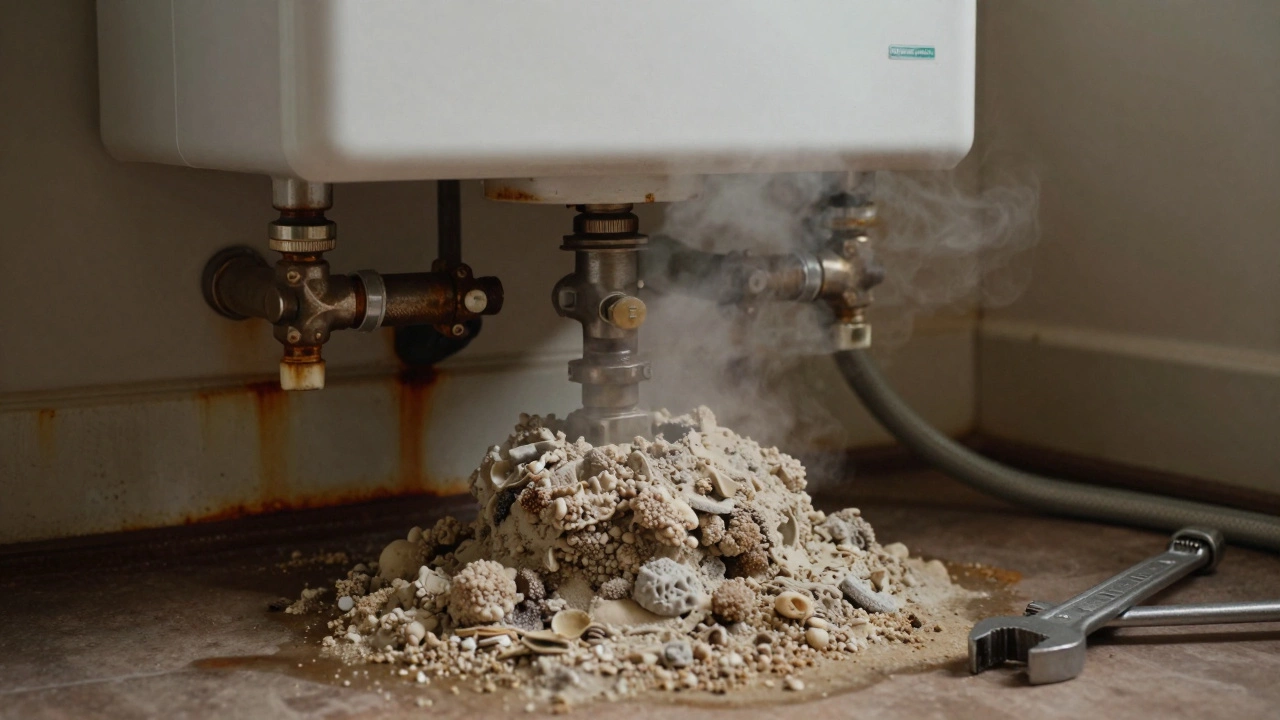
Hard water doesn’t just leave spots on your glasses. It leaves layers of minerals-mostly calcium and magnesium-at the bottom of your tank. Every time the heater turns on, those minerals settle and harden. Over time, this sediment forms a thick blanket between the heating element and the water. That means the element has to work twice as hard to heat the same amount of water. It overheats. It burns out. And then your hot water disappears.
Here’s the scary part: that sediment layer isn’t just inefficient. It can literally cook the tank lining. In extreme cases, the bottom of the tank starts to rust through from the inside out. You won’t see it coming until you wake up to a puddle on the floor. A simple annual flush can remove 80% of this buildup. But most homeowners never do it.
The Anode Rod Is Your First Line of Defense
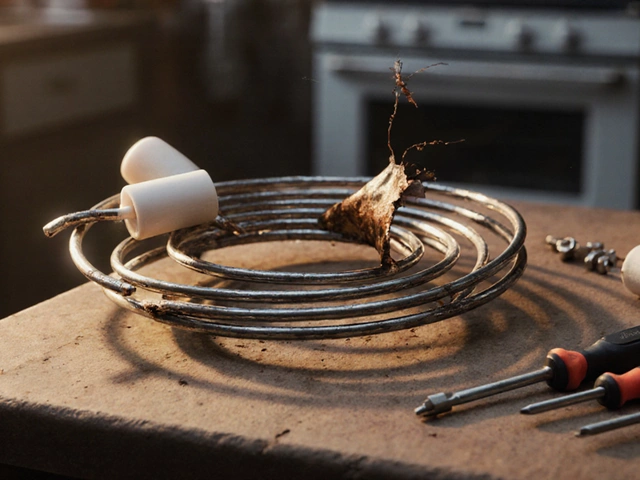
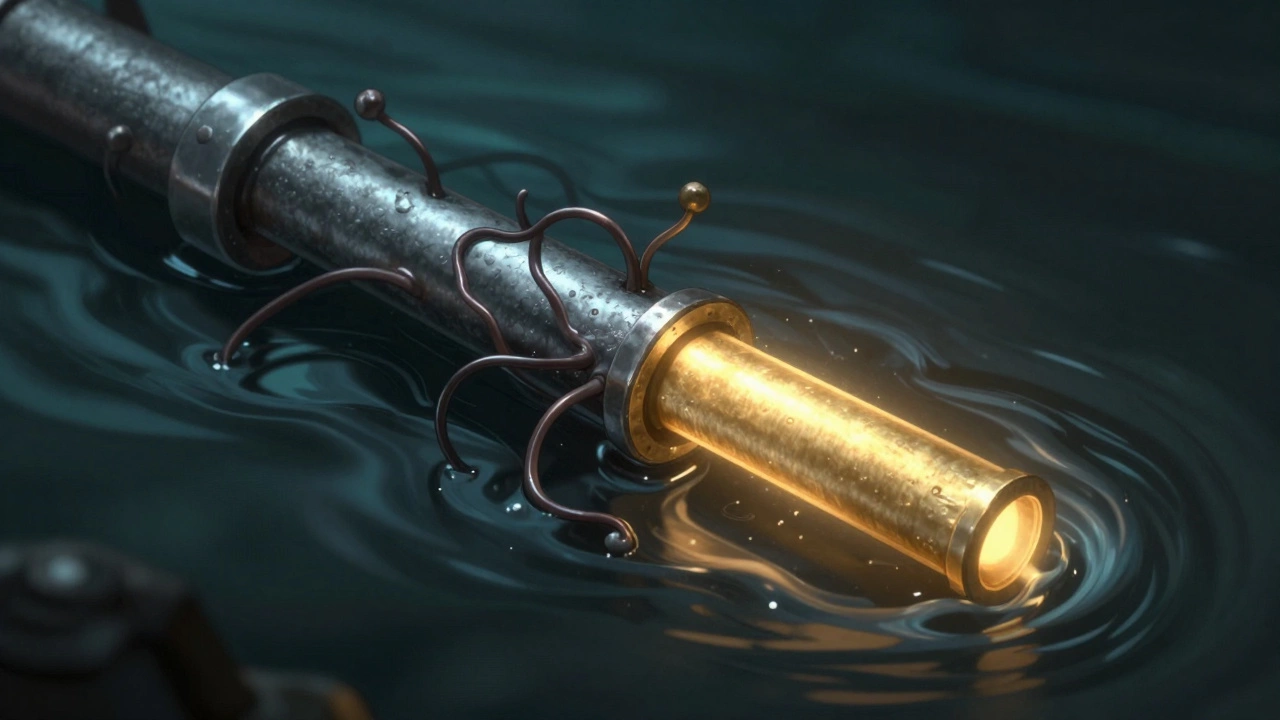
Every water heater has a sacrificial anode rod. It’s a long metal stick, usually made of magnesium or aluminum, hanging inside the tank. Its job? To attract corrosive elements in the water-before they can eat away at the steel tank. Think of it like a bodyguard for your water heater.
But here’s the catch: that rod doesn’t last forever. In hard water areas, it can corrode completely in as little as two to three years. Once it’s gone, the tank starts rusting from the inside. And once that happens, there’s no fix. You need a new unit.
Most manufacturers recommend checking the anode rod every three years. But in Adelaide, where water hardness levels regularly exceed 200 mg/L, you should check it every two. And if it’s more than half eaten away? Replace it. A new rod costs $50. A new water heater? $1,500 and up.
Thermostat Settings Are Making Things Worse
Many people leave their water heater set to 70°C or higher. They think hotter water means better cleaning or faster showers. But high temperatures do more than scald skin-they accelerate corrosion and mineral buildup.
Studies from the Australian Government’s Energy Efficiency Office show that setting your water heater to 60°C reduces sediment formation by nearly 40% compared to 70°C. It also cuts energy use by 10-15%. And yes, 60°C is still hot enough to kill Legionella bacteria, which is the main health concern.
Turn it down. Seriously. You’ll get the same comfortable showers, and your heater will last years longer. If you’re worried about germs, install a point-of-use mixer valve. It blends hot and cold water right at the tap to give you safe, consistent temperature without cranking up the tank.
Pressure Problems Are Hidden Enemies
Water pressure in Adelaide homes often runs between 500 and 700 kPa. That’s higher than the recommended 400-500 kPa for most water heaters. High pressure puts constant stress on the tank seams, valves, and pipes. It causes tiny leaks that turn into big ones. It makes the pressure relief valve drip constantly-which many people ignore until it fails.
That little valve on top of your heater? It’s not just a safety feature. It’s a warning sign. If it’s dripping, your pressure is too high. If it’s stuck shut? You’re one overheating event away from a tank explosion. Install a pressure-reducing valve if yours is above 600 kPa. It’s a $200 job that can double your heater’s life.
Installation Mistakes Are More Common Than You Think
Not all installers know what they’re doing. I’ve seen water heaters installed backwards-cold water hooked to the hot outlet. I’ve seen them mounted on uneven floors that stress the tank. I’ve seen units connected to pipes that aren’t properly supported, causing strain on the inlet/outlet fittings.
Even small things matter. If the installer didn’t use Teflon tape on the threads, you’ll get slow leaks. If they didn’t install a thermal expansion tank (required in closed-loop systems), pressure spikes will damage the heater over time.
Always hire a licensed plumber. Ask if they’ve installed water heaters in your area before. Ask if they flush the tank after installation. If they say no, walk away.
Brand and Quality Matter-But Not How You Think
Yes, some brands last longer. But the difference isn’t always in the tank material. It’s in the design. Units with dual anode rods, thicker glass linings, or copper heating elements tend to survive longer. But even the best heater will fail fast if it’s not maintained.
Don’t fall for the “12-year warranty” marketing. That’s usually just a prorated warranty. After five years, you’re paying 70% of the replacement cost. Look for units with full coverage for at least the first five years. And if you’re in a hard water area, skip the cheapest models. They often come with thinner tanks and weaker anodes.
What You Can Do Right Now
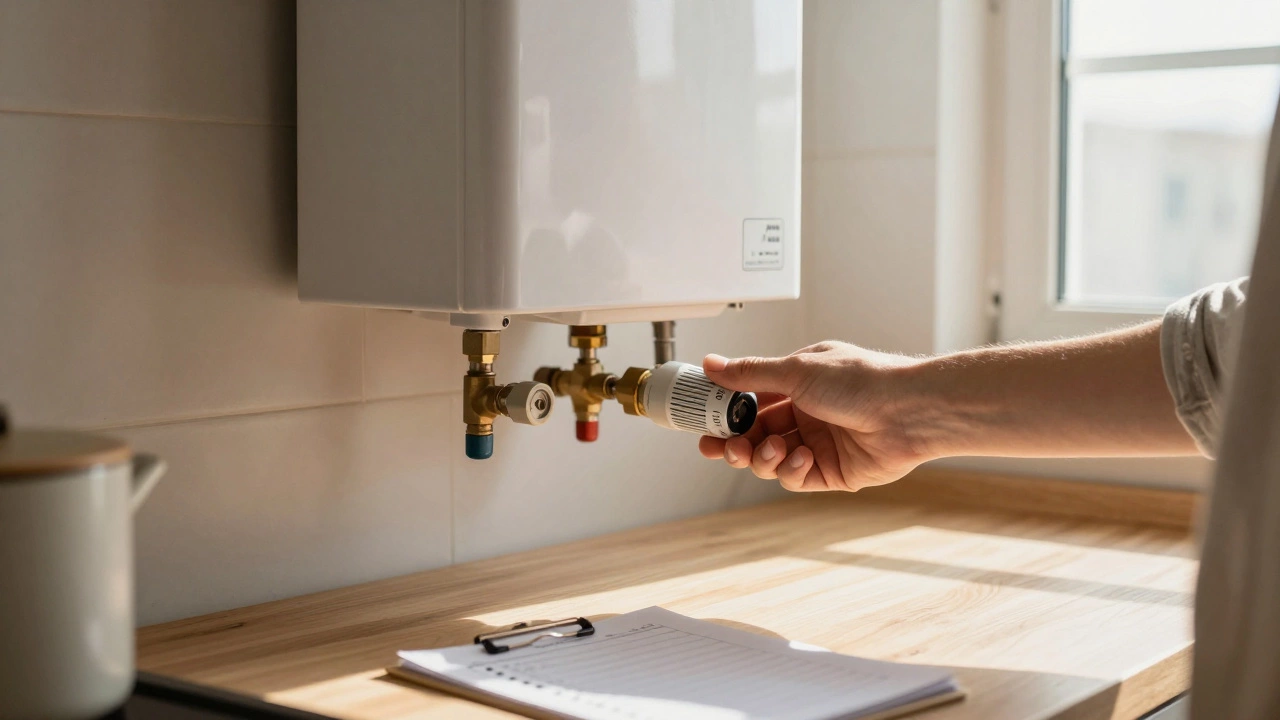
Here’s your quick checklist to extend your water heater’s life:
- Drain a bucket of water from the tank every six months to flush out sediment.
- Check the anode rod every two years-replace it if it’s more than half gone.
- Set the thermostat to 60°C.
- Test the pressure relief valve once a year-lift the lever and let water flow for 10 seconds.
- Install a pressure-reducing valve if your water pressure is above 600 kPa.
- Get a professional inspection every five years, especially if your heater is over eight years old.
These steps won’t cost much. But they’ll save you thousands in premature replacements. Water heaters don’t die suddenly. They die slowly-from neglect. Fix the small things, and your heater will outlast your expectations.
How often should I flush my water heater?
Flush your water heater every six months if you have hard water, which is common in Adelaide. If your water is softer, once a year is enough. Flushing removes sediment that builds up at the bottom and causes overheating and corrosion. Just attach a hose to the drain valve and let it run until the water runs clear.
Can I replace the anode rod myself?
Yes, if you’re comfortable with basic tools. Turn off the power and water supply first. Drain a few liters from the tank to reduce pressure. Use a socket wrench to remove the old rod-it’s usually on top of the tank. Install the new one the same way. Make sure it’s tightened snugly but don’t over-torque it. If you’re unsure, hire a plumber. It takes about 45 minutes.
Why does my water heater smell like rotten eggs?
That smell comes from sulfur bacteria reacting with the magnesium in the anode rod. It’s not dangerous, but it’s unpleasant. The fix? Replace the magnesium rod with an aluminum-zinc one, or flush the tank with hydrogen peroxide. You can also raise the temperature to 70°C for a few hours to kill the bacteria-then lower it back to 60°C. Don’t leave it high permanently-it wears out the tank faster.
Is it worth repairing an old water heater?
If your heater is over 10 years old and you’re facing a major repair-like a leaking tank or a burnt-out element-it’s usually not worth it. The cost of parts and labor often approaches 60% of a new unit’s price. Plus, older models are less efficient. If you’ve already replaced the anode rod and flushed the tank, and it’s still failing, it’s time to replace it. New units save 20-30% on energy bills.
What’s the best type of water heater for Adelaide?
For most homes in Adelaide, a gas storage heater with a dual anode rod and a 10-year full warranty is the best balance of cost and durability. If you’re replacing an electric model, consider a heat pump water heater. They’re more expensive upfront but use 60% less electricity and last longer because they don’t rely on direct heating elements. Avoid cheap electric tanks-they’re the ones that fail fastest in hard water areas.