Freezer Repair vs. Replace Decision Tool
Not sure if you should fix your freezer or buy a new one? Enter the details below to get a data-driven recommendation based on industry standards.
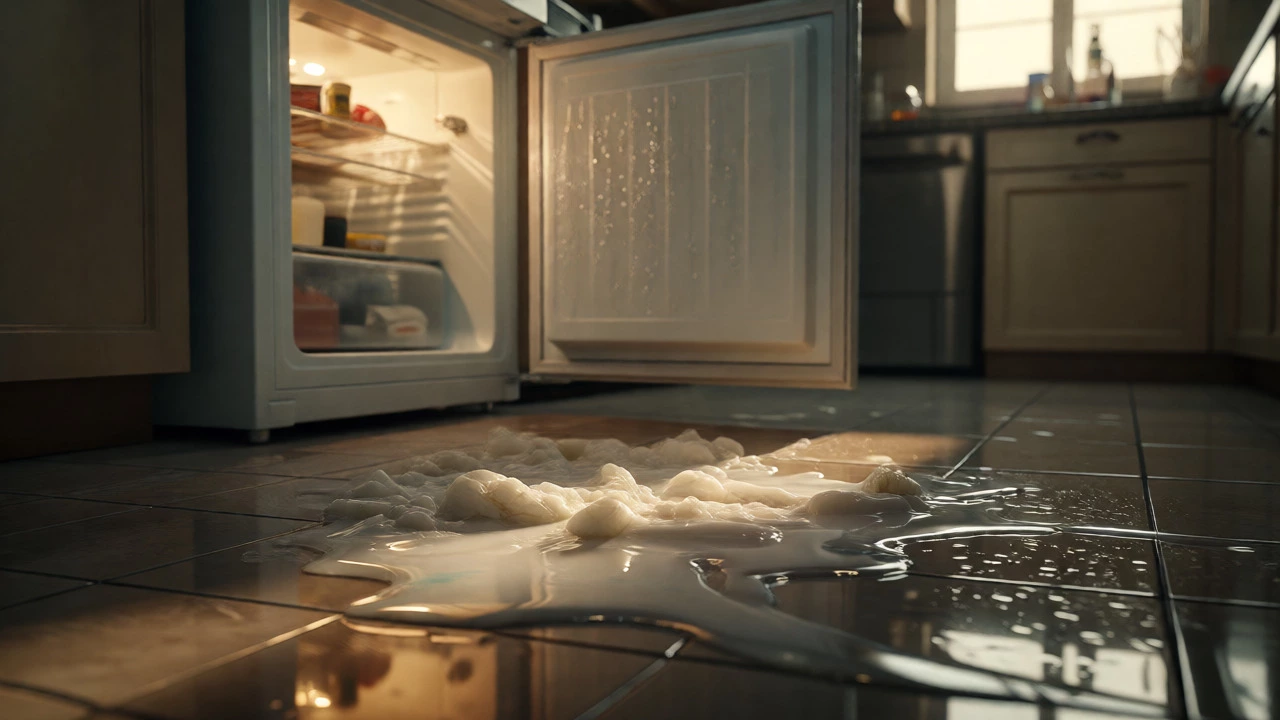
You’re staring at the puddle of water on your kitchen floor, or maybe you just realized your ice cream has turned into a sugary soup. The first thought is panic. The second is usually, "Do I fix this, or do I just buy a new one?" It’s a question every homeowner faces eventually, and the answer isn't always obvious. You might think a $200 repair bill is cheap compared to a $1,500 new unit, but if that freezer is fifteen years old and guzzling electricity, keeping it alive might actually be costing you more in the long run.
| Scenario | Recommended Action | Why? |
|---|---|---|
| Unit is < 7 years old | Repair | Lifespan expectancy is still high; parts are likely available. |
| Repair cost > 50% of new unit price | Replace | Diminishing returns on investment for an aging machine. |
| Compressor failure (older model) | Replace | Compressors are expensive; labor + part often equals new unit cost. |
| Minor seal or thermostat issue | Repair | Cheap fixes that extend life significantly. |
| Discontinued model/parts | Replace | Hunting for rare parts is frustrating and often futile. |
The Age Factor: How Old Is Too Old?
Let’s talk numbers because they don’t lie. Most modern chest freezers have a lifespan of about 11 to 14 years. Upright models might last a bit longer, hitting 15 to 20 years if treated well. If your freezer is under seven years old and something breaks, you should almost certainly repair it. You haven’t gotten your money’s worth yet. But once you cross that ten-year mark, things get murky. At twelve years old, you’re already living on borrowed time. Spending $300 on a repair now might seem smart, but what happens when the fan motor dies six months later? Now you’ve spent $600 on a dying horse.
Here is a rule of thumb I use with clients in Adelaide: if the repair quote is more than half the price of a comparable new freezer, walk away. For example, if a basic new upright freezer costs $800 and the technician quotes $450 to fix your current one, put that money toward the new unit. You get a warranty, better energy ratings, and peace of mind. If the quote is $150 for a simple door gasket replacement on that same $800 unit? Fix it immediately.
What Exactly Broke? Diagnosing the Problem
Not all breakdowns are created equal. Some issues are trivial annoyances; others are terminal illnesses for your appliance. Understanding the specific fault helps you decide quickly.
- Door Seals (Gaskets): These rubber strips keep cold air in. Over time, they crack or lose their magnetic grip. A broken seal makes the compressor work overtime, raising your power bill. Replacement is cheap ($20-$50 for parts) and easy. Definitely worth fixing.
- Thermostat Failures: If your freezer runs constantly but never gets cold enough, or shuts off too early, the thermostat might be faulty. This is a moderate repair. If the unit is young, fix it. If it’s ancient, consider replacing the whole thing since thermostats can sometimes signal other electrical gremlins.
- Defrost System Issues: Ice buildup on the back wall usually means the defrost heater, timer, or drain is clogged. Cleaning a drain is free. Replacing a heater element is affordable. This is rarely a reason to replace the entire freezer unless the wiring harness itself is corroded beyond repair.
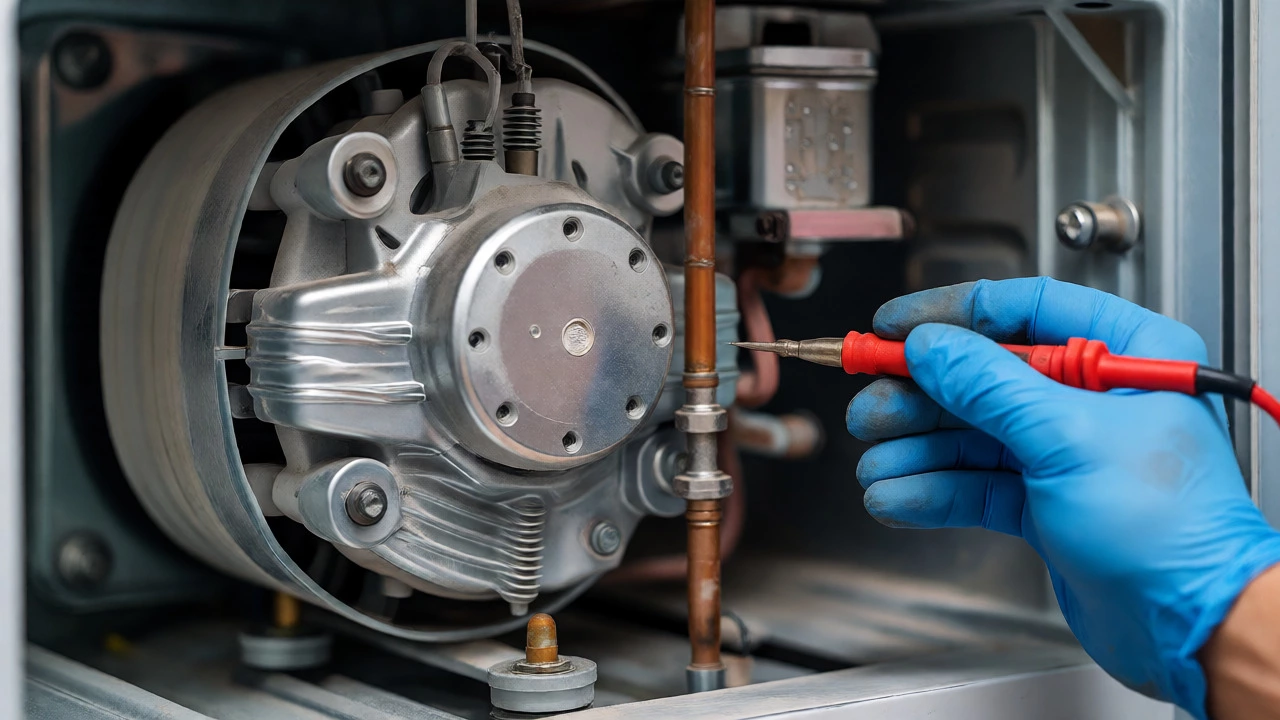
- Compressor Failure: This is the heart of the freezer. If the compressor hums loudly, clicks, or doesn’t start at all, you have a big problem. Compressors are heavy, expensive components. Labor is intensive. On a mid-range freezer, a compressor replacement can easily hit $500-$700 AUD. Unless you have a high-end commercial-grade unit, this is usually the end of the road.
The Hidden Cost: Energy Efficiency
We often ignore how much electricity our appliances sip until we see the quarterly bill. An old freezer from 2010 might consume 400-500 kWh per year. A modern equivalent from 2026 could use as little as 250 kWh. That’s a difference of nearly 50%. With Australian electricity prices hovering around $0.30-$0.40 per kWh depending on your provider, that’s a saving of $45-$100 per year. Over five years, that’s up to $500 back in your pocket.
If your freezer is loud, hot to the touch on the sides, or runs continuously, it’s inefficient. Sometimes, repairing an inefficient old unit is like putting a new tire on a car that only does 5 km per liter. You’re spending money to maintain poor performance. Check the energy rating sticker on your current model. If it’s rated C or D, and you’re looking at a repair over $100, seriously consider upgrading to an A-rated model. The environmental impact of manufacturing a new fridge is offset by its lower energy consumption within a few years.
Parts Availability and Technician Access
This is the practical hurdle nobody talks about enough. Can you even get the parts? Manufacturers typically support models for 7-10 years after production stops. After that, finding a specific control board or hinge becomes a treasure hunt. You might find a used part on Facebook Marketplace, but buying second-hand electronics for a freezer is risky. What if the donor unit had a leaky compressor?
In Australia, major brands like Electrolux, Westinghouse, Samsung, and LG have good local supply chains. Niche or imported brands (like some Japanese models) might require special ordering, which adds weeks of downtime. Imagine waiting three weeks for a part while your frozen food spoils. The cost of lost groceries plus the inconvenience often outweighs the savings of a repair. Always ask the technician: "How long will this take?" If the answer is "a month," buy a new one.
When Repairing Makes Perfect Sense
So, when should you definitely say yes to the repairman? Here are clear-cut cases where keeping your freezer is the smart move:
- It’s Under Warranty: Obvious, but check your paperwork. Even extended warranties cover parts and labor. Never pay out-of-pocket if you don’t have to.
- The Unit is High-End: If you bought a premium integrated freezer for $2,000+ three years ago, a $300 repair is negligible. You paid for quality build materials that last longer.
- Simple Mechanical Fixes: Door hinges, handles, interior lights, or shelving brackets. These are cosmetic or minor functional issues. They don’t affect cooling performance. Fix them yourself or hire a handyman for less than a specialist call-out fee.
- Recent Purchase: If you bought a second-hand freezer recently and it fails in month two, try to negotiate with the seller. If not, repair it to protect your initial investment.
The Emotional and Environmental Angle
There’s also the sentimental value. Maybe that chest freezer was your grandmother’s, or it’s perfectly fitted into a custom cabinet in your kitchen. Removing an integrated unit can be a nightmare involving cabinetry work. In these cases, the "cost" of replacement isn’t just the appliance price-it’s the renovation cost. If you have a built-in freezer, repair is almost always preferred unless the unit is completely dead.
Environmentally, throwing away a working appliance contributes to landfill waste. Electronics contain hazardous materials like refrigerants and oils. If you can extend the life of a freezer by 3-5 years with a reasonable repair, you’re reducing your carbon footprint. Just ensure the technician recovers the refrigerant properly during any sealed-system repairs. In Australia, licensed technicians must follow strict guidelines for handling gases like R600a or R134a.
How to Get the Best Deal on Repairs
Don’t just accept the first quote. Call two or three local appliance repair services. Ask for a flat-rate diagnostic fee versus hourly rates. Flat rates are safer for you. Also, ask if they offer a warranty on the repair itself. A reputable company will guarantee their work for 3-12 months. If they won’t stand behind their fix, don’t hire them.
Before calling, gather info. Take a photo of the model number sticker (usually inside the door frame or on the back). Send it via email or text to the repair shop beforehand. They can check part availability instantly. This saves you from booking a technician who arrives, looks at it, says "I don't have that part," and charges you a call-out fee anyway.
Frequently Asked Questions
Is it cheaper to repair or replace a freezer?
It depends on the age and the fault. Generally, if the repair cost exceeds 50% of the price of a new unit, replacement is cheaper in the long run due to improved energy efficiency and warranty coverage. For units under 7 years old, repair is usually the more economical choice.
How long should a freezer last?
Most household freezers have an average lifespan of 11 to 15 years. Chest freezers tend to last slightly longer than upright models due to simpler designs and fewer moving parts. Proper maintenance, such as cleaning coils and checking seals, can extend this lifespan.
Can I replace the compressor myself?
Technically yes, but practically no. Replacing a compressor requires specialized tools for brazing copper lines and handling refrigerants. You need a license to legally handle refrigerants in Australia. Mistakes can lead to leaks or system contamination, making professional installation essential.
What are signs my freezer is failing?
Common signs include excessive frost buildup, warm exterior surfaces, loud clicking or humming noises, food thawing despite the light being on, and a significant increase in your electricity bill. If the compressor runs continuously without cycling off, it’s struggling.
Is it worth repairing an old freezer with a bad seal?
Yes, absolutely. Door seals are inexpensive and easy to replace. A bad seal causes the compressor to work harder, wasting energy and potentially leading to premature compressor failure. Fixing the seal is a low-cost maintenance step that can add years to the appliance's life.