Boiler Lifespan Calculator
Input Your Boiler Details
Results
Enter your boiler details to see estimated lifespan
Most people don’t think about their boiler until it stops working. Then suddenly, you’re without hot water in the middle of winter, and the cost of a new one hits hard. So how long do boilers actually last? The short answer: 10 to 15 years for most modern systems. But that number can swing from 7 to over 25 depending on what kind you have, how well it’s cared for, and where you live.
What Determines How Long Your Boiler Lasts?
Not all boilers are created equal. The type you installed matters more than you think. Condensing boilers - the kind most homes in Australia and the UK have now - are built to last longer than older non-condensing models. They’re more efficient, yes, but also more complex. That means more parts that can wear out, like the heat exchanger or the pump.
Gas boilers typically last 10-15 years. Oil boilers? They often run longer - 15 to 20 years - because they’re simpler and built tougher. Electric boilers are rare in homes here, but they can hit 20 years if the elements don’t corrode. If you’ve got an old cast iron boiler from the 1980s, it might still be chugging along. Those things were built like tanks. But they’re also inefficient and can leak or rust out faster than modern units.
Maintenance Is the Biggest Factor
A boiler that gets a yearly service lasts 30% longer than one that doesn’t. That’s not a guess. A 2023 study by the Australian Energy Efficiency Association tracked 1,200 homes over five years. Homes with annual servicing had boilers that ran an average of 14.7 years. Those without? Just 11.1 years.
What does a service actually do? A technician checks for leaks, cleans the heat exchanger, tests pressure, and looks at the flue. They also check for carbon monoxide - something you can’t smell but can kill you. Skipping this isn’t just risky. It’s a false economy. A $150 service now can save you $3,000 in early replacement.
And don’t just wait for the annual check. If your boiler starts making strange noises - banging, gurgling, whistling - that’s not normal. It’s a sign of limescale buildup, air in the system, or a failing pump. Fixing those early can add years to its life.
Water Quality and Hardness Matter More Than You Think
Adelaide’s water is hard. That means it’s full of minerals like calcium and magnesium. Over time, these build up inside your boiler’s pipes and heat exchanger. This scale acts like insulation. Your boiler has to work harder to heat water, which burns out components faster.
If you’ve got hard water and no water softener, your boiler might only last 8-10 years. Install a magnetic water conditioner or a chemical inhibitor system, and you can stretch that to 15+. It’s not glamorous, but it’s one of the most cost-effective upgrades you can make.

Signs Your Boiler Is Near the End
You don’t need to wait for it to die to know it’s failing. Watch for these red flags:
- Water leaks around the base - even small drips mean internal corrosion
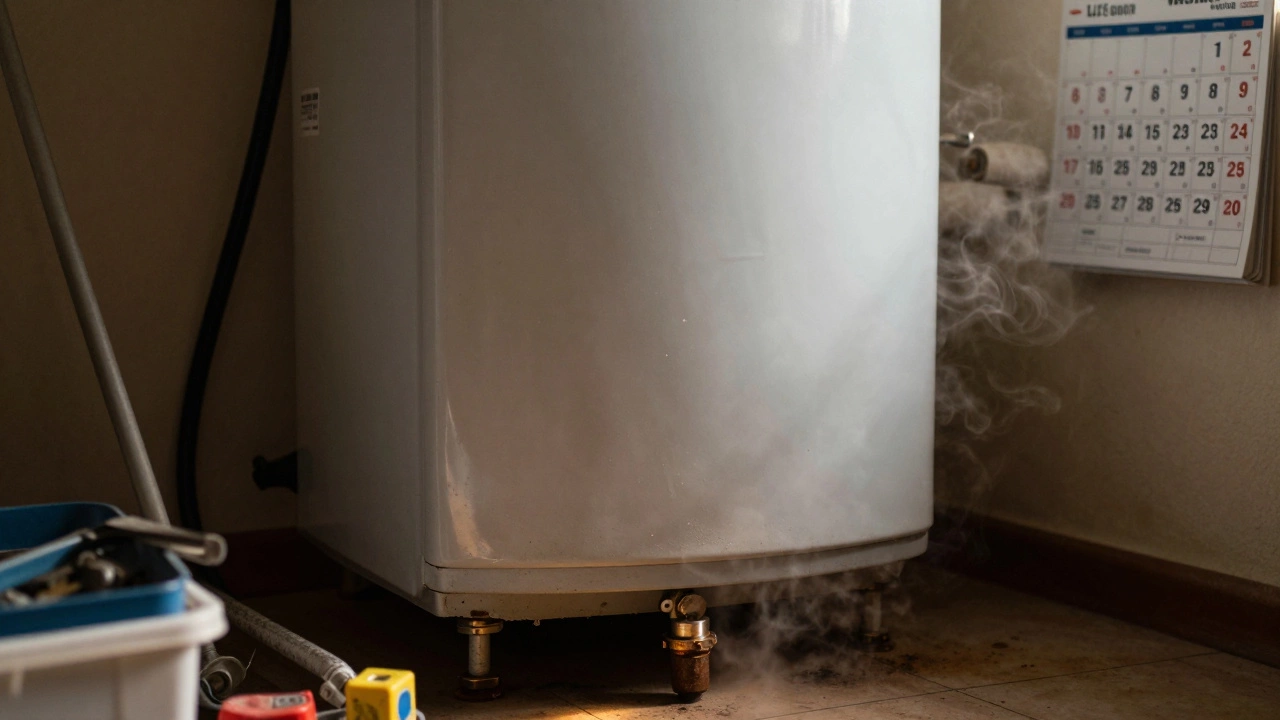
- Pressure drops frequently - you’re refilling it every few weeks? That’s a sign of a hidden leak
- Strange smells - like burning plastic or rotten eggs - could mean electrical failure or gas issues
- It takes longer to heat up - or the radiators stay cold in spots
- Frequent error codes - especially E1, E2, or E4 - often point to sensor or pump failure
- Repair costs keep climbing - if you’ve spent more than half the price of a new boiler on fixes, it’s time to replace
One homeowner in Norwood had their boiler repaired five times in three years. Each fix cost $300-$500. By year six, the total repair bill hit $2,100. A new A-rated condensing boiler cost $3,800 installed. She replaced it. Her heating bills dropped 35% in the first year.
How Replacement Costs Compare to Repair
Here’s the hard truth: most boilers under 10 years old are worth repairing. Between 10 and 15, it’s a toss-up. Over 15? Almost always replace.
Let’s say your boiler is 12 years old and needs a new pump ($700) and a heat exchanger flush ($400). That’s $1,100. A new boiler? Around $3,500 installed. At first glance, repair wins. But consider this: your old boiler runs at 78% efficiency. A new one is 94%. That’s 16% more heat for the same gas. In Adelaide’s winter, that’s $300-$500 saved per year. You’ll pay off the new boiler in under 4 years. Then it’s pure savings.
What to Look for in a New Boiler
When it’s time to replace, don’t just pick the cheapest. Look for:
- Energy efficiency rating - Aim for A-rated (90%+ efficiency). The government gives rebates for these in South Australia.
- Warranty length - 7-10 years is standard. Longer warranties mean the manufacturer has confidence in the unit.
- Brand reputation - Worcester Bosch, Vaillant, and Baxi have solid track records here. Avoid no-name brands.
- Size - Too small and it struggles. Too big and it cycles on/off too often, wearing out faster. A professional should size it based on your home’s square footage and insulation.
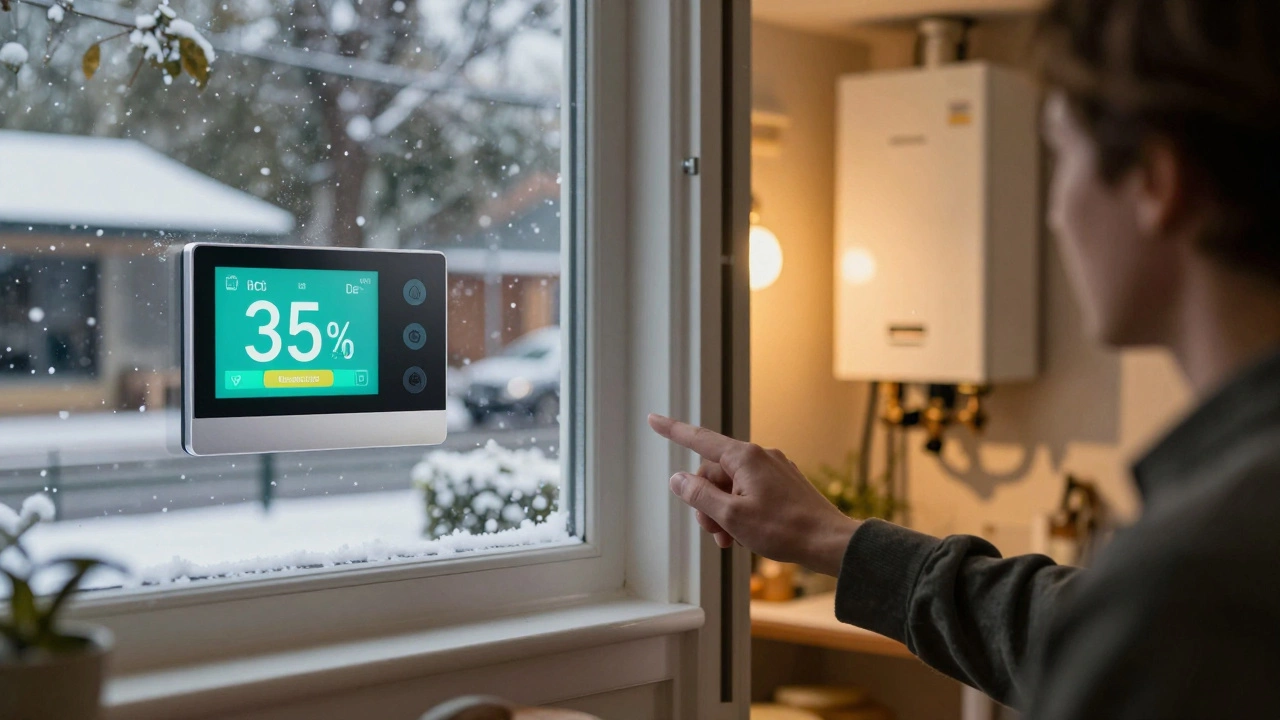
Also, ask about smart controls. A programmable thermostat or app-controlled system lets you fine-tune heating. That alone can cut energy use by 10-15%.
What About Second-Hand or Refurbished Boilers?
Some companies sell refurbished boilers. They look new, come with a warranty, and cost half the price. But here’s the catch: they’re usually taken from homes with poor maintenance. That means internal corrosion, scale buildup, or worn seals. Even if it works now, it could die in 2-3 years. You save money upfront, but you’ll pay more in replacements and energy bills. Not worth it.
How to Extend Your Boiler’s Life
Want to get every last year out of your current boiler? Do this:
- Get it serviced every year - even if it seems fine
- Flush the system every 3-5 years to remove sludge
- Install a magnetic filter - it catches rust and debris before it clogs the pump
- Check the pressure regularly - it should be between 1-1.5 bar
- Keep vents and flues clear - don’t let leaves or snow block airflow
- Use a programmable thermostat - don’t run it at full blast all day
These steps cost less than $500 total. They can add 5-7 years to your boiler’s life. That’s like getting a free upgrade.
When to Act - Not Wait
Waiting until your boiler dies is a recipe for disaster. Winter in Adelaide can drop below freezing. A broken boiler means no hot water, no heating, and possibly frozen pipes. That’s a $10,000+ repair job if pipes burst.
Plan ahead. If your boiler is 10+ years old, start researching replacements now. Get quotes. Compare models. Wait until the last minute, and you’ll pay more for emergency installation. Plus, plumbers get swamped in winter. You might wait weeks.
Replace before it breaks. It’s not just about comfort. It’s about safety, cost, and peace of mind.
Can a boiler last 20 years?
Yes, but it’s rare. Cast iron boilers from the 1970s and 80s can last 20-30 years if they’ve been meticulously maintained. Modern condensing boilers, however, are designed for 10-15 years. Their complex parts - like the condensate pipe and electronic controls - are more prone to wear. So while it’s possible, don’t count on it. Plan for replacement around the 15-year mark.
Is it worth repairing a 12-year-old boiler?
It depends on the cost. If the repair is under $800 and the boiler is still heating efficiently, yes. But if you’re replacing major parts like the heat exchanger or control board, it’s likely not worth it. At 12 years, efficiency drops. You’re paying more for gas, and the next failure is just around the corner. Most experts say: if repair costs exceed 50% of a new unit’s price, replace it.
Do boilers wear out faster in cold climates?
Yes. In colder regions, boilers run more often and for longer periods. That extra strain accelerates wear on pumps, valves, and heat exchangers. Even in Adelaide, where winters are mild, boilers that run daily for 4-6 months straight will show signs of wear faster than ones in warmer areas. Regular maintenance is even more critical here.
What’s the average cost to replace a boiler in Australia?
In South Australia, a standard condensing boiler installation runs between $3,200 and $4,800. That includes removal of the old unit, new pipework, flue installation, and a full system flush. High-efficiency models with smart controls can go up to $6,000. Always get at least three quotes. Prices vary widely depending on brand, complexity, and labor rates.
Can I install a new boiler myself?
No. In Australia, only licensed gas fitters can legally install or service gas boilers. Doing it yourself is not only illegal - it’s extremely dangerous. Gas leaks, carbon monoxide buildup, and improper venting can kill. Even if you’re handy, skip the DIY. Hire a professional. It’s not just about the law - it’s about safety.