
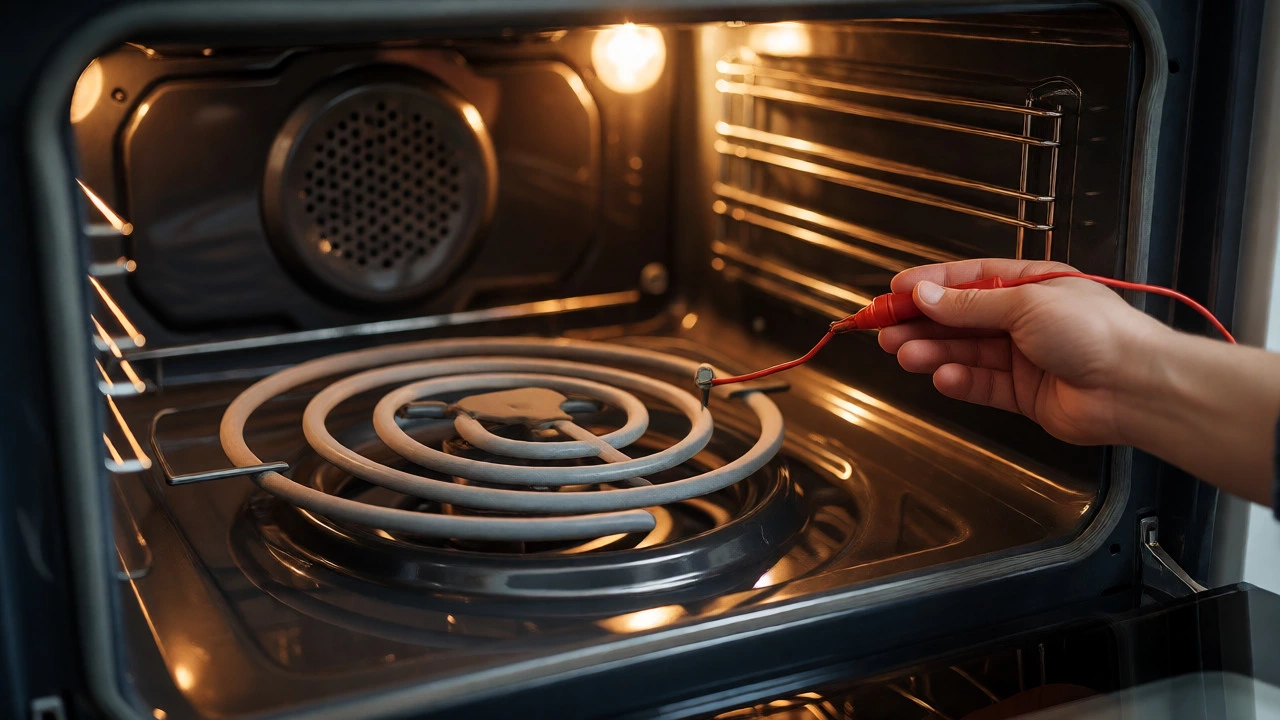
Oven Element Diagnostic Tool
Enter your multimeter reading (in Ohms) or select a visual symptom to determine if your oven element is blown or if the issue lies elsewhere.
Safety Note: Always disconnect power before testing with a multimeter. If you are unsure about working with mains voltage, consult a qualified electrician.
You turn on the oven, wait ten minutes, and put your hand near the door. Cold air hits you. It’s frustrating, especially when you’ve got a roast waiting or cookies that need baking right now. The most common culprit? A blown oven element. But how do you know for sure it's the element and not the thermostat or the control board?
Here is the quick reality check before we get into the nitty-gritty:
- The Glow Test: Most bake elements glow red-hot. If yours stays dull grey while the oven is set to 180°C, it’s likely dead.
- Uneven Heating: Food burns on top but stays raw in the middle? The top element might be fine, but the bottom one could be gone.
- Visual Inspection: Look for physical damage-blisters, holes, or burnt spots on the metal coil.
- Multimeter Check: This is the only way to be 100% certain. You are looking for continuity (resistance).
Why Elements Fail (And Why It Happens More Than You Think)
An electric oven element is essentially a thick wire wrapped around a ceramic core, insulated by magnesium oxide powder. When electricity flows through it, resistance creates heat. Simple physics, right? But these things have a lifespan. In Australia, where many homes run older appliances, elements often fail after 5-10 years of regular use. Grease buildup is the silent killer here. If you spill sugary sauces or fat onto a hot element, it can cause thermal shock or create hotspots that burn out the coil faster than normal.
Another factor is power surges. If you live in an area with unstable grid voltage, like some suburbs in Adelaide during storm season, your element takes a beating every time the power flickers. It doesn’t always blow immediately; sometimes it weakens until it finally snaps under load.
The Visual Signs: What to Look For
Before you grab a screwdriver, just look inside. Modern ovens usually have two main elements: a bake element at the bottom and a grill element at the top. Some convection ovens also have a circular fan element at the back.
Turn the oven on and watch closely. A healthy bake element will start glowing bright orange-red within a few minutes. If it stays dark, it’s not getting power, or it’s broken internally. But wait-if it glows unevenly, say half red and half black, that’s a sign of internal breakage. The circuit is complete enough to heat part of the wire, but the rest is severed.
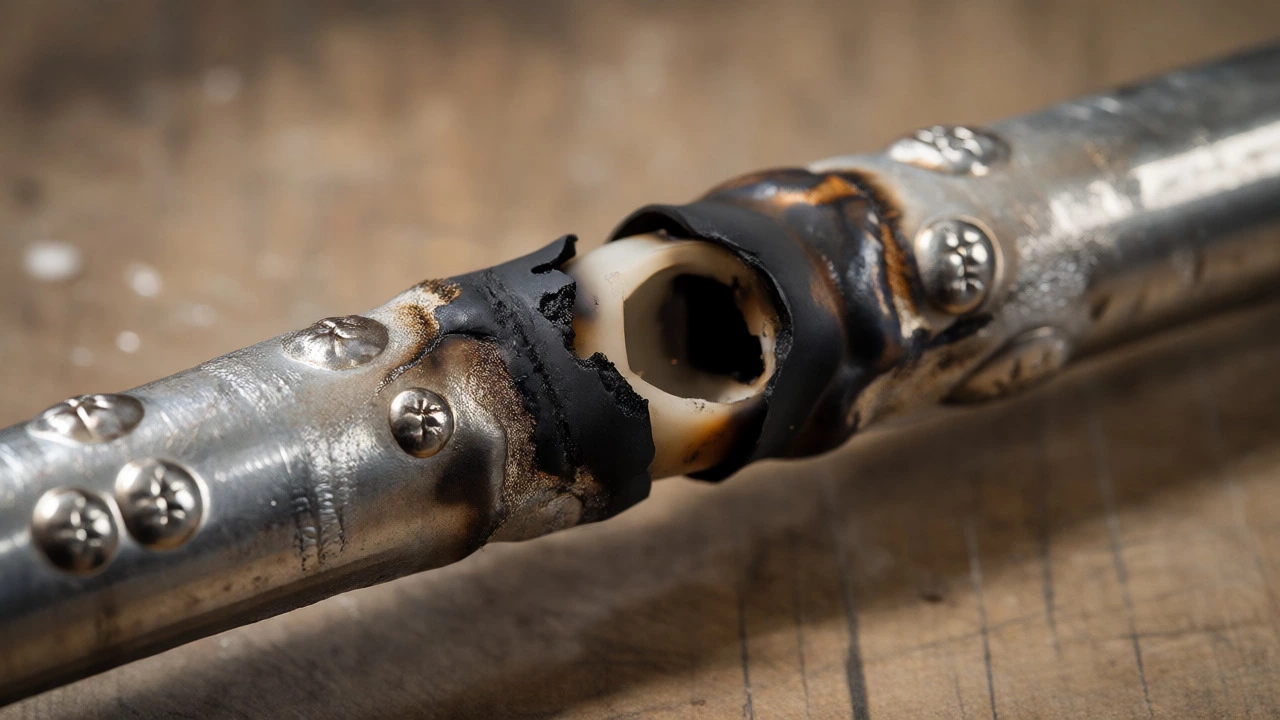
Now, switch off the oven and let it cool completely. Run your eyes over the metal surface. Do you see any bubbles? Little blisters on the sheath mean moisture got inside the insulation. This causes short circuits and eventual failure. Also, look for black scorch marks or actual holes. If the metal looks eaten away, replace it immediately. Don’t try to clean it off and hope for the best.
Testing Continuity with a Multimeter
This is the step most people skip, and it’s why they end up buying parts they don’t need. You need a digital multimeter. Set it to the Ohms (Ω) setting. Make sure the oven is unplugged or the circuit breaker is off. Safety first-working with 230V mains is no joke.
Locate the terminals on the element. Usually, there are two small screws holding wires to the ends of the coil. Disconnect one wire from each terminal so you’re testing just the element itself, not the whole oven circuit. Touch one probe to one terminal and the other probe to the second terminal.
What should the meter read? For a standard domestic oven element, you want to see a low resistance value, typically between 20 and 50 ohms. If the screen shows "OL" (Over Limit), "1", or infinity, the circuit is open. That means the wire inside is snapped. Game over. The element is blown. If it reads close to zero ohms, you might have a short circuit to earth, which is also bad news and requires replacement.
| Reading | Meaning | Action Required |
|---|---|---|
| 20-50 Ω | Normal Resistance | Element is likely good. Check thermostat or wiring. |
| OL / Infinity | Open Circuit | Element is blown. Replace it. |
| 0-5 Ω | Short Circuit | Element is faulty. Replace it. |
| Fluctuating | Intermittent Fault | Loose connection or failing element. Inspect terminals. |
Differentiating Between Bake, Grill, and Fan Elements
Not all elements work the same way. If your oven bakes fine but won’t grill, you don’t need to replace the whole system. Just focus on the top element. Grill elements are exposed coils, usually visible at the ceiling of the cavity. They glow intensely. If they don’t light up, test them the same way as the bake element.
Fan ovens add another layer of complexity. The circular element surrounds the fan motor at the back wall. If this blows, your oven might still heat via the bottom element, but it won’t circulate air properly. You’ll notice food cooking slower or unevenly across racks. Testing this one can be tricky because the terminals are often hidden behind a cover panel. You might need to remove the rear interior shield to access the connections.
Remember, if you have a multifunction oven, check the user manual. Some models disable certain elements based on the selected mode. Ensure you are actually selecting a mode that uses the element you are testing. It sounds obvious, but I’ve seen plenty of "broken" ovens that were just set to 'Fan Only' without realizing the bake element wasn't supposed to engage.
When It’s Not the Element
If your multimeter says the element is fine, don’t panic. There are other suspects. The thermal fuse is a safety device designed to cut power if the oven overheats. If it blows, the entire heating circuit stops. You can test this too-it should show continuity (near zero ohms). If it’s open, replace it, but figure out why it blew first.
Then there’s the thermostat. Mechanical thermostats click when they reach temperature. If you hear clicking but no heat, the contact points might be burnt or stuck open. Electronic thermostats rely on sensors. If the sensor is dirty or disconnected, the control board thinks the oven is already hot and won’t send power to the element.
Finally, consider the selector switch. If the knob feels loose or gritty, the internal contacts might be worn out. Power never reaches the element because the switch isn’t making the connection. This is common in older mechanical ovens.
Replacing the Element: A Quick Guide
Once you’ve confirmed the diagnosis, replacing the element is surprisingly DIY-friendly. Here’s the general process for most Australian freestanding ovens:
- Isolate Power: Turn off the circuit breaker specifically for the oven. Do not rely on the oven’s own switch.
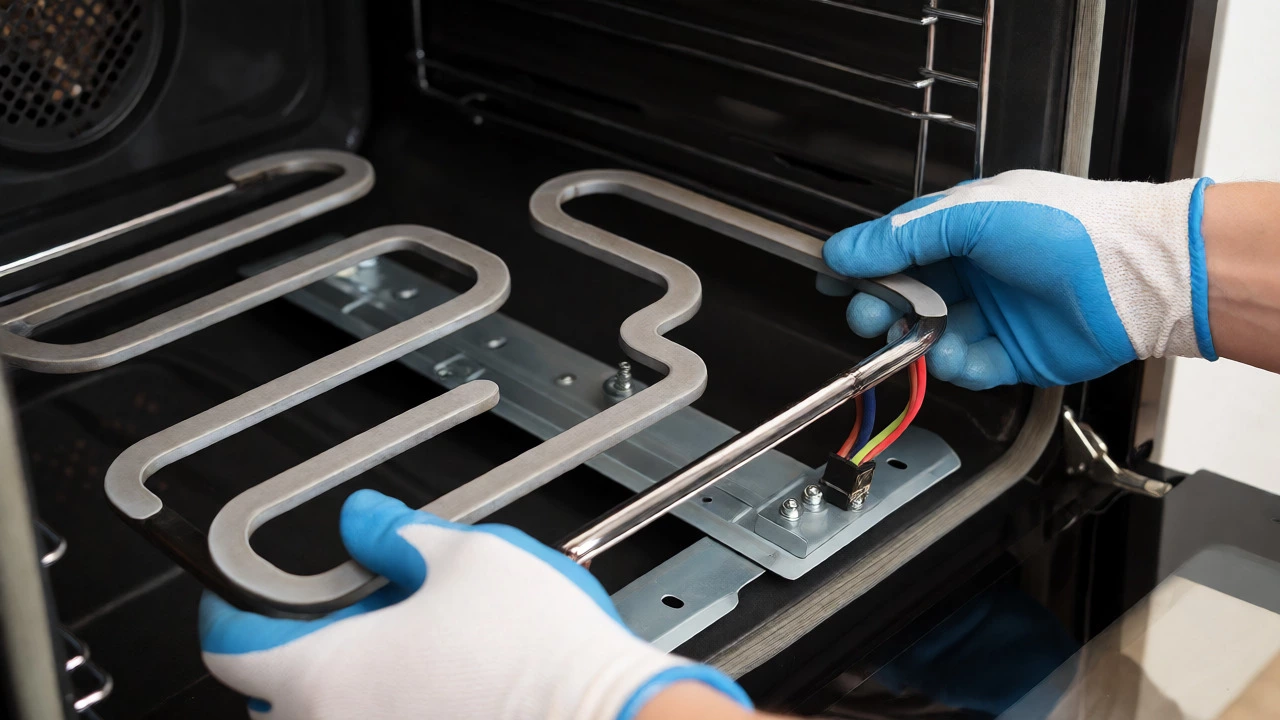
- Access the Element: Open the oven door. Remove the oven racks. For bake elements, unscrew the brackets holding the element to the back wall. Slide the element forward gently.
- Disconnect Wires: Take a photo of the wiring configuration first! Then, undo the screws holding the wires to the terminals. Pull the element out through the opening.
- Install New Part: Feed the new element’s wires through the hole. Connect them to the correct terminals (match colors if possible, otherwise use your photo). Tighten screws securely-loose wires cause arcing and fire risks.
- Reassemble: Push the element back into place, reattach the brackets, and put the racks back in.
- Test: Restore power. Turn the oven to 180°C. Wait 5-10 minutes. Watch for that beautiful red glow.
Cost-wise, a replacement element in Australia ranges from $40 to $120 depending on the brand and model. Compare this to a call-out fee for a technician, which often starts at $100+. If you are handy with a screwdriver and a multimeter, you save significant cash.
Safety Warnings You Shouldn’t Ignore
Never touch an element with bare hands if it’s been recently used. Residual heat can cause severe burns even after the oven turns off. Always wear gloves if you must handle it.
Also, ensure you buy the exact match. An element with different wattage or dimensions can fit physically but perform poorly. Too low wattage? Slow cooking. Too high? Trips the breaker or melts the socket. Check the rating plate inside the oven door frame for the model number before ordering online.
Can I drive with a blown oven element?
If it’s a built-in oven, yes, you can still use the stove hobs above it, provided they are gas or induction and separate from the oven circuit. However, if it’s a freestanding range cooker, the electrical fault might trip the main RCD (Residual Current Device), cutting power to the whole unit. Check your switchboard.
How long does an oven element last?
Typically 5 to 10 years. Heavy daily use, frequent self-cleaning cycles, and grease spills shorten this lifespan. High-quality brands may last longer, but budget models often fail sooner due to thinner insulation.
Is it dangerous to leave a blown element in the oven?
Generally, no immediate danger if the circuit is open (no current flowing). However, if the element has shorted to the casing, it could pose a shock hazard or trip your safety switches repeatedly. It’s best to disconnect power until replaced.
Why did my new element blow instantly?
This usually indicates a wiring issue elsewhere, such as a faulty thermostat sending continuous power, or a loose neutral wire causing voltage spikes. It could also be a defective part, though rare. Check the thermostat and wiring harness.
Do all oven elements glow red?
Most traditional resistive elements do. However, some modern halogen or infrared grills glow differently, and certain concealed bake elements are covered by enamel trays so you won’t see the glow directly. Check your specific model type.