Gas Appliance Lifespan & Replacement Estimator
Enter your appliance details below to estimate its remaining lifespan and get a recommendation on whether to repair or replace.
Fill in the form to see if you should repair or replace your appliance.
Reference Data: Average Lifespans
| Appliance | Avg. Lifespan | Common Failure Points |
|---|---|---|
| Gas Hob/Cooktop | 13–15 Years | Burner caps, igniters, knobs |
| Gas Oven | 15–17 Years | Thermostats, door seals, fans |
| Inst. Hot Water | 10–12 Years | Heat exchangers, valves |
| Storage HW Tank | 8–12 Years | Corrosion, anode rods |
| Space Heater | 15–20 Years | Combustion chambers, sensors |
You’re standing in your kitchen, staring at that old gas stove. It’s been with you through three moves and countless Sunday roasts. But lately, the burners are uneven, and the ignition takes a few extra clicks. You wonder: is it worth fixing, or is it time to say goodbye? The answer isn’t just about repair costs; it’s about life expectancy. Knowing how long your gas appliances should last helps you budget, plan replacements, and avoid the stress of a sudden breakdown in the middle of winter.
Most people treat their appliances like immortal fixtures. We plug them in, use them daily, and forget they have an expiration date. In reality, every gas hob, oven, and hot water system has a shelf life dictated by usage patterns, maintenance habits, and build quality. If you live in Adelaide, where winters can get chilly enough to demand reliable heating, understanding these timelines is crucial for keeping your home comfortable and safe.
The General Rule of Thumb for Gas Appliances
There is no single number that applies to every device, but industry standards provide solid baselines. Generally, major gas appliances last between 10 and 20 years. This range feels broad because it depends heavily on what you’re looking at. A high-end commercial-grade oven might outlive a budget-friendly entry-level model by a decade. However, wear and tear is universal. Rubber seals degrade, metal expands and contracts with heat, and electronic igniters fail over thousands of cycles.
Think of it like a car. A well-maintained vehicle can run for 300,000 kilometers, while a neglected one might break down at 150,000. The same logic applies here. Regular servicing extends life; ignoring small issues accelerates decline. If your appliance is approaching its expected lifespan, minor repairs often become less cost-effective compared to replacement. Why pour money into a 15-year-old unit when a new one comes with a warranty and better energy efficiency?
Lifespan Breakdown by Appliance Type
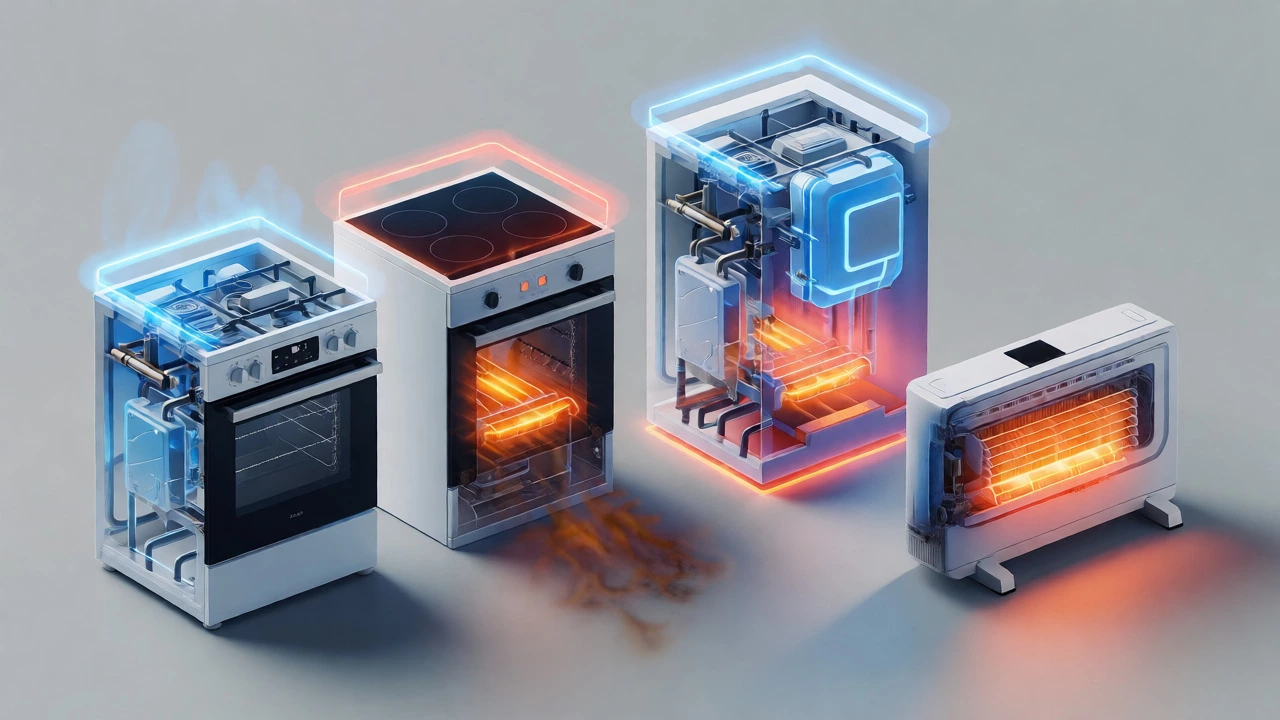
Different devices face different stresses. Here is a realistic look at how long specific units typically survive under normal household conditions.
| Appliance Type | Average Lifespan (Years) | Key Failure Points |
|---|---|---|
| Gas Hob/Cooktop | 13-15 | Burner caps, igniters, control knobs |
| Gas Oven | 15-17 | Thermostats, door seals, fan motors |
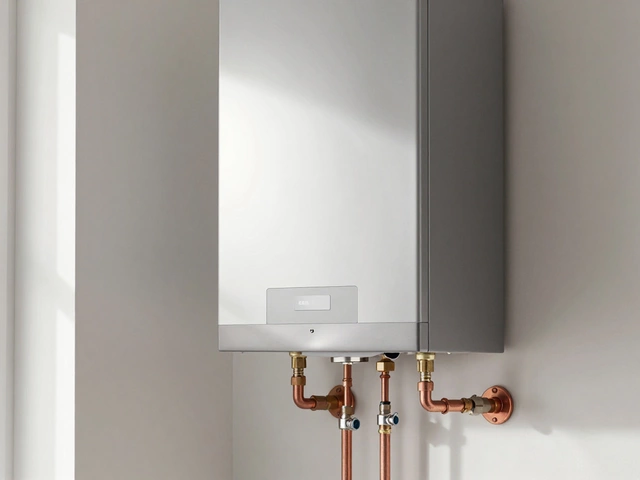
| Instantaneous Hot Water System | 10-12 | Heat exchangers, diaphragms, valves |
| Storage Hot Water Tank | 8-12 | Tank corrosion, anode rods, heating elements |
| Gas Space Heater | 15-20 | Combustion chambers, safety sensors, fans |
Notice the pattern? Devices with moving parts or constant exposure to moisture and heat tend to fail sooner. Your instantaneous hot water system, for instance, works hard every time you turn on a tap. That constant thermal cycling wears out internal components faster than a space heater that runs only during cold months. Conversely, a storage tank sits idle much of the day, but it battles internal corrosion from water contact, which is why checking the anode rod is vital.
Signs Your Appliance Is Nearing the End
How do you know if your unit is dying naturally or just needs a tune-up? Look for these red flags. They aren’t just annoyances; they are signals that the core functionality is degrading.
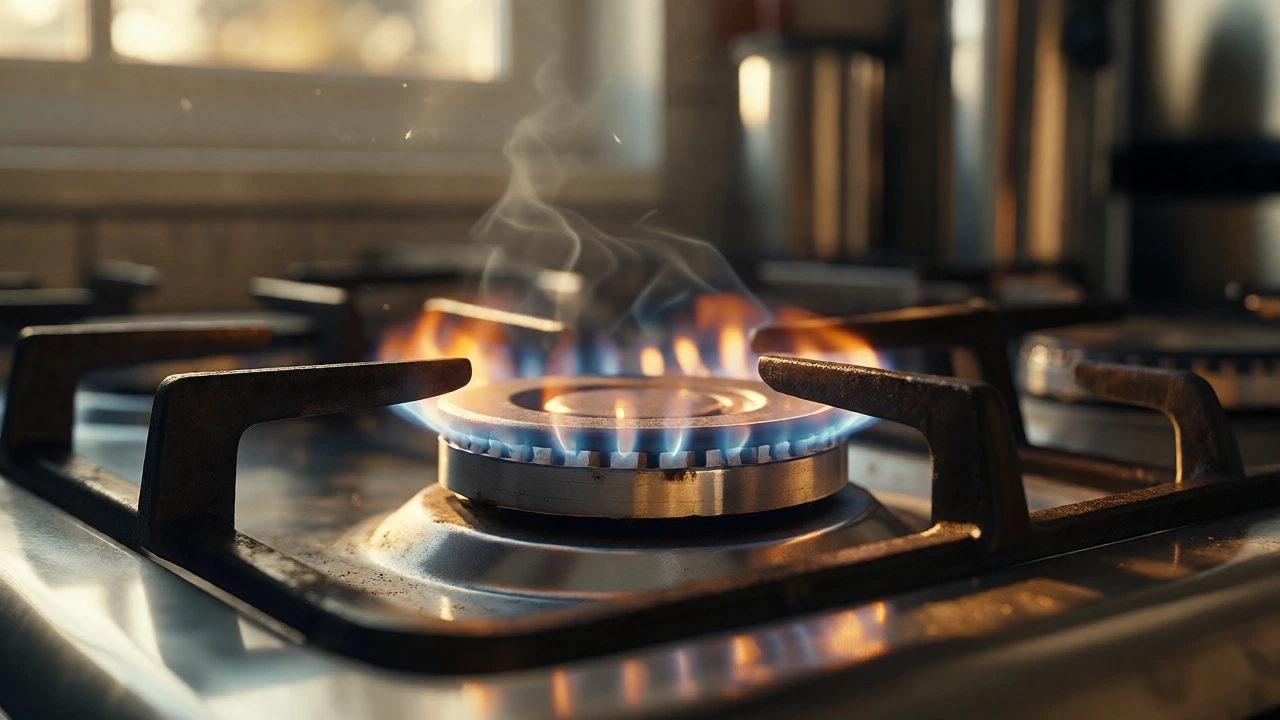
- Inconsistent Performance: If your oven bakes unevenly despite recalibration, the thermostat or fan may be failing. For hobs, yellow flames instead of blue indicate incomplete combustion, often due to clogged jets or worn injectors.
- Increased Energy Bills: An aging appliance loses efficiency. If your gas bill spikes without a change in usage, the unit is likely working harder to produce the same result.
- Frequent Repairs: If you’ve called a technician more than twice in a year, you’re entering the "repair spiral." Each fix addresses a symptom, not the underlying age-related decay.
- Unusual Noises or Smells: Banging, whistling, or a persistent gas smell after use suggests mechanical failure or leaks. Never ignore gas smells-evacuate and call a professional immediately.
Consider the cost-benefit ratio. If a repair costs more than 50% of the price of a new unit, replacement is usually the smarter financial move. New models also meet current safety standards and offer features like auto-ignition and precise temperature control that older units lack.
Maintenance Habits That Extend Life
You can push those averages higher. Proper care adds years to any gas appliance. It doesn’t require being a mechanic, just consistency.
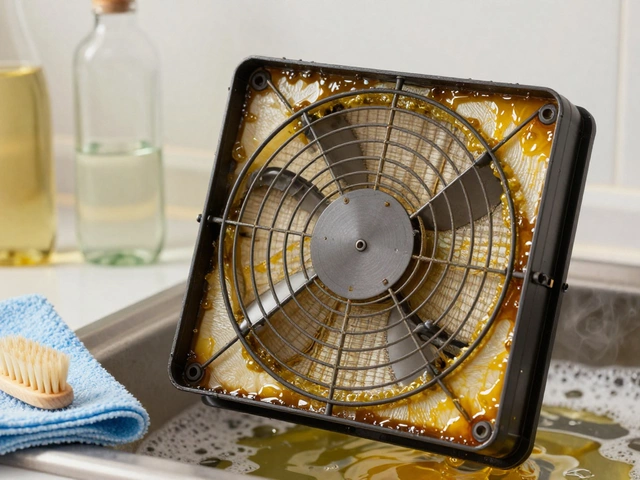
For cooktops and ovens, clean spills immediately. Sugary liquids carbonize and eat away at enamel surfaces. Check burner caps for blockages monthly; a simple soak in warm soapy water clears most debris. Replace rubber gaskets on oven doors if they feel stiff or cracked. A poor seal lets heat escape, forcing the element to work overtime.
Hot water systems need annual checks. While you can’t easily service the internals yourself, ensure the pressure relief valve is tested yearly. For storage tanks, inspect the external casing for rust spots. Inside, the sacrificial anode rod protects the steel tank from corroding. If this rod dissolves completely, the tank itself begins to rust, leading to inevitable leaks. Replacing the anode rod is cheap insurance against buying a whole new tank.
Space heaters require dust removal from vents and filters. Blocked airflow causes overheating, which damages internal sensors. Always follow the manufacturer’s manual for specific cleaning intervals. Generic advice is good, but your specific model knows best.
Safety Considerations for Aging Units
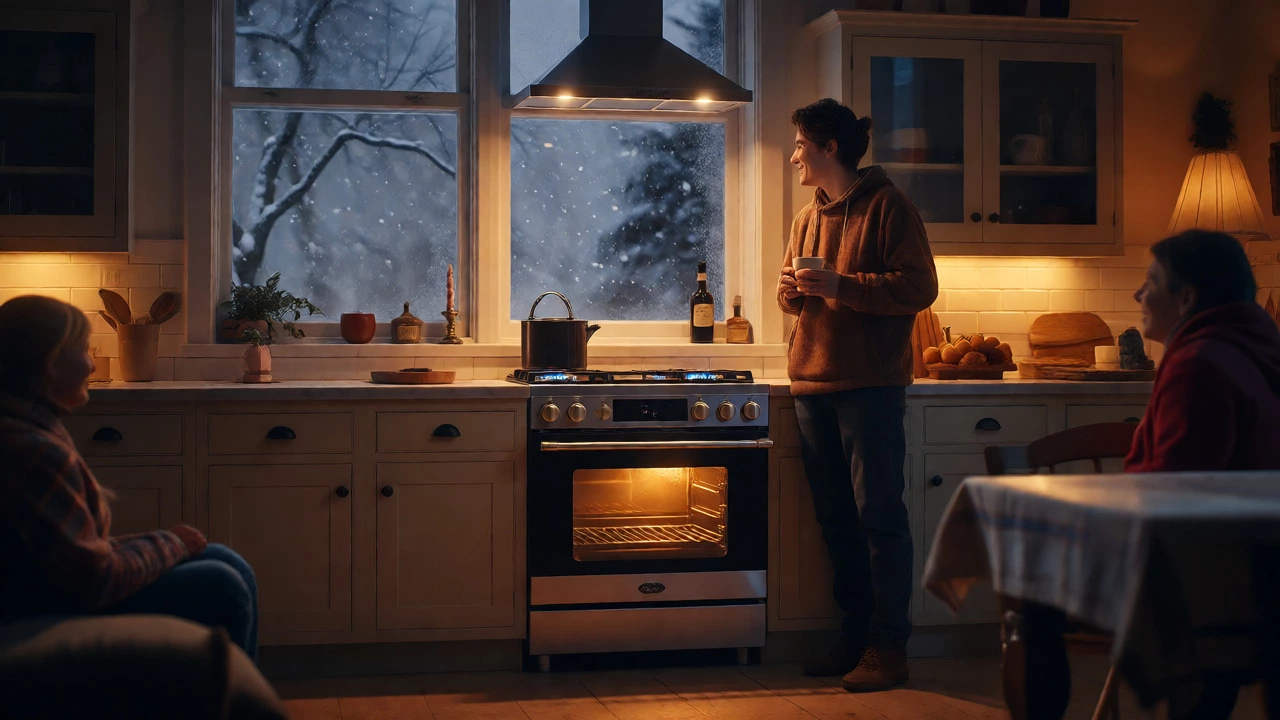
Age isn’t just about convenience; it’s about safety. Older gas appliances may lack modern safety features like flame failure devices that cut off gas if the flame goes out. Carbon monoxide leaks are another silent risk. As burners age, combustion becomes less efficient, potentially producing more CO. Installing a carbon monoxide detector near sleeping areas and gas appliances is non-negotiable for homes with older units.
Also, consider compatibility with modern regulations. Gas types and pressures can shift slightly over decades. While rare, very old units might not align perfectly with current supply standards, requiring adjustments that add complexity to repairs. If your appliance predates 2000, a professional inspection is wise even if it seems to work fine.
When to Repair vs. Replace
This decision keeps many homeowners up at night. Use this simple framework:
- Check the Age: Is it within the average lifespan listed above? If yes, repair is likely viable. If no, lean toward replacement.
- Assess the Cost: Get a quote. If the repair exceeds half the cost of a new, comparable model, replace it.
- Evaluate Efficiency: Will a new unit save enough on gas bills to offset the purchase price within five years? Modern condensing boilers and efficient stoves often do.
- Consider Availability: Are parts still available for your model? Discontinued models mean hunting for used parts, which is risky and time-consuming.
Remember, replacing an appliance is an investment in peace of mind. You gain reliability, safety, and often aesthetic upgrades. Plus, warranties cover future headaches, unlike repaired old units that come with no guarantees beyond the labor performed.
Do gas appliances expire even if they still work?
Yes, manufacturers often recommend replacement after a certain period regardless of function. Internal components like seals and hoses degrade invisibly, increasing safety risks. Even if the unit heats up, hidden wear could lead to leaks or inefficient combustion.
How does water hardness affect hot water system lifespan?
Hard water causes mineral buildup inside heat exchangers and tanks. This scale acts as insulation, reducing heat transfer efficiency and causing overheating. In hard water areas, installing a water softener can extend the life of your hot water system by several years.
Is it safe to use a gas oven past its expected lifespan?
It can be, provided it passes regular safety inspections. However, the risk of component failure increases significantly. Ensure you have functioning smoke and carbon monoxide detectors. If you notice any unusual odors or performance drops, consult a licensed gas fitter immediately.
Can I extend the life of my gas hob myself?
Absolutely. Regular cleaning of burner heads and ensuring proper air mixture are key. Avoid using abrasive cleaners that scratch surfaces, as scratches trap grime and accelerate corrosion. Also, don't force control knobs; gentle handling preserves internal switches.
What happens if I ignore a yellow flame on my gas appliance?
A yellow flame indicates incomplete combustion, producing carbon monoxide and soot. Ignoring this can lead to respiratory issues and blackening of surrounding cabinets. It also wastes gas. Adjusting the air shutter or cleaning the burner usually fixes it, but persistent yellow flames need professional attention.