Water Heater Reset Timer Guide
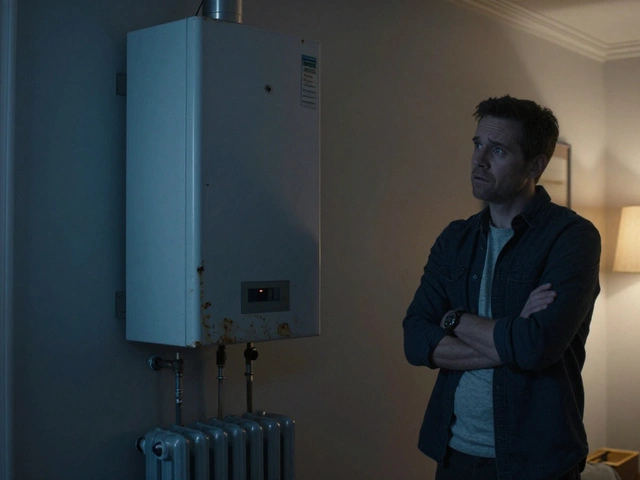
Picture this: You step into the shower after a long day in Adelaide, expecting warm water, and instead get hit with an icy blast. You check the unit, see the red "Reset" button, and wonder how long you need to hold it down before things go back to normal. It’s a frustrating moment, but the answer isn’t as simple as counting to ten. In fact, holding that button for too long-or pressing it without fixing the underlying issue-can be dangerous.
The short answer is that you typically need to press and hold the reset button for about five to ten seconds while lighting the pilot. However, if the button pops back up immediately or won't stay depressed, the problem isn't your finger strength; it's likely a safety sensor telling you something is wrong with the gas flow or airflow. This guide will walk you through exactly what that button does, when to use it, and when to stop and call a professional.
Quick Summary / Key Takeaways
- Hold Time: Press and hold the reset button for 5-10 seconds while lighting the pilot flame.
- Function: The button resets the thermocouple circuit, allowing gas to flow only when heat is detected.
- Safety First: If the button won't stay down, do not force it. This indicates a faulty thermocouple or blocked vent.
- Frequency: Needing to reset weekly suggests a failing component that requires replacement.
- Gas Smell: If you smell rotten eggs, evacuate immediately and call emergency services, not a repairman.
Understanding the Role of the Reset Button
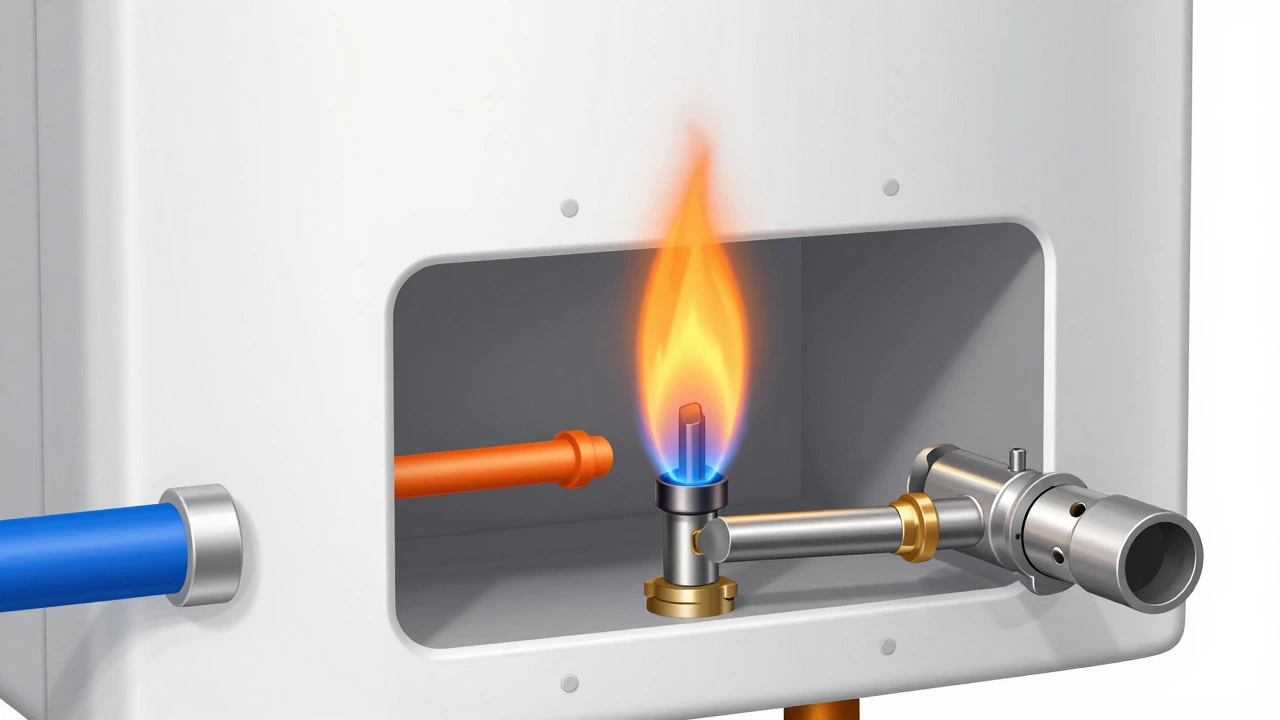
To understand why you have to hold the button, we first need to look at the mechanism behind it. Most gas water heaters use a safety device called a thermocouple is a temperature-sensing device that generates a small electrical current when heated by the pilot flame. Think of it as the brain of your water heater’s safety system. Its job is simple: if there is no flame, there should be no gas flowing.
When you press the reset button, you are manually opening the gas valve to let gas reach the pilot assembly. When you release the button, the thermocouple checks if it’s hot. If the pilot is lit, the thermocouple generates enough voltage to keep the gas valve open. If the pilot is out, the thermocouple cools down, the voltage drops, and the gas valve snaps shut to prevent a gas leak. Holding the button gives the thermocouple time to heat up and create that necessary electrical signal.
Step-by-Step: How to Safely Reset Your Water Heater
If your water heater has lost its pilot light, here is the correct procedure to get it running again. Safety is paramount, so take your time.
- Turn off the gas supply: Locate the gas control knob near the bottom of the tank. Turn it to the "Off" position. Wait at least five minutes. This allows any residual gas in the chamber to dissipate. If you smell gas strongly during this wait, leave the house and call your gas provider.
- Locate the pilot assembly: Remove the access panel at the bottom of the water heater. You may also need to remove a metal shield covering the burner area. Look for a small tube (the pilot) pointing toward a burner nozzle.
- Set the knob to "Pilot": Push the gas control knob in slightly and turn it to the "Pilot" setting. This prepares the valve to receive gas when you press the reset button.
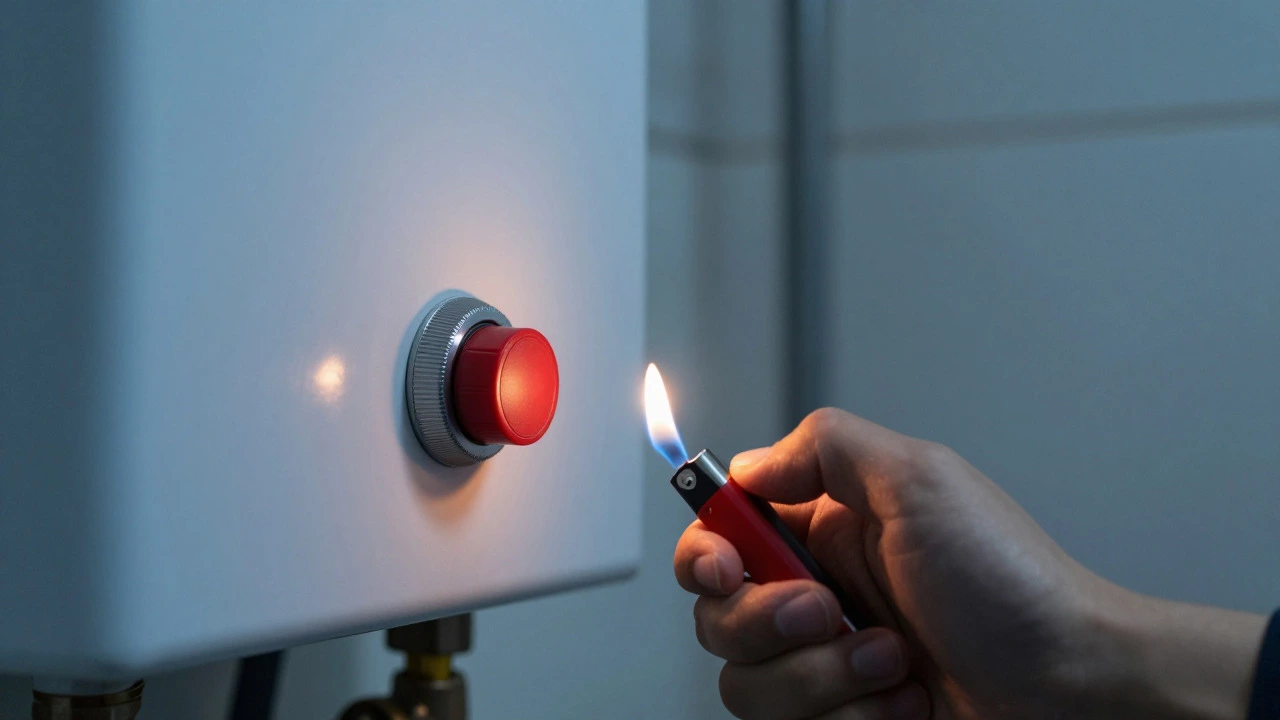
- Press and hold the reset button: This is usually a red or yellow button next to the knob. Press it firmly. Keep it pressed.
- Light the pilot: While still holding the reset button, use a long-reach lighter or a match to ignite the gas at the pilot tube. Do not use a standard short matchstick; your fingers could get burned.
- Hold for 60 seconds: Once the pilot is lit, keep holding the reset button for another 60 seconds. This ensures the thermocouple is fully heated.
- Release slowly: Gently let go of the button. If the pilot stays lit, turn the gas control knob to "On." Replace the access panels.
Why Won't the Pilot Stay Lit?
You’ve held the button for a full minute, released it, and the flame dies instantly. This is the most common frustration homeowners face. It means the thermocouple isn't sending the "all clear" signal to the gas valve. Here are the three most likely culprits:
1. A Dirty or Misaligned Thermocouple
Over time, dust, lint, and combustion byproducts can coat the tip of the thermocouple. This insulation prevents it from heating up properly. Check if the pilot flame is directly hitting the tip of the thermocouple. If the flame is weak or blowing sideways, the sensor won't register the heat. You can gently clean the tip with fine steel wool, but be careful not to bend it.
2. A Faulty Thermocouple
Thermocouples wear out. They don't last forever. If cleaning doesn't help, the internal wire might be broken or degraded. Replacing a thermocouple is a relatively inexpensive DIY fix if you’re handy, involving unscrewing two nuts and swapping the part. It costs around $20-$40 for the part itself.
3. Drafts or Blocked Vents
In Adelaide, strong winds can sometimes cause downdrafts that blow out the pilot or cool the thermocouple too quickly. Ensure your flue pipe (the exhaust pipe going through the roof) is clear of bird nests or debris. If the air isn't moving correctly, the pilot flame gets extinguished as soon as you let go of the button.
Comparison: Common Issues vs. Solutions
| Symptom | Likely Cause | Recommended Action |
|---|---|---|
| Pilot lights but goes out immediately | Faulty or dirty thermocouple | Clean tip or replace thermocouple |
| No gas sound when pressing button | Gas supply turned off or valve failure | Check main gas line; call technician if valve is dead |
| Pilot flame is yellow or lazy | Dirt in pilot orifice or low oxygen | Clean pilot tube; ensure ventilation |
| Smell of gas persists | Leak in gas line or cracked manifold | Evacuate and call emergency services |
| Button feels stiff or stuck | Internal valve mechanism jammed | Do not force; replace gas control valve |
When to Stop DIY and Call a Professional
There is a fine line between saving money on a repair bill and risking your home’s safety. You should call a licensed plumber or gas fitter if:
- The pilot keeps going out daily: This suggests a chronic issue with the gas pressure or the control valve, which needs calibration.
- You hear a hissing sound: This could indicate a gas leak. Never ignore this.
- The water heater is over 10 years old: Older units may have corroded tanks or outdated safety features. A professional can assess if replacement is more cost-effective than repair.
- You are uncomfortable with gas: Gas appliances require specific knowledge. If you feel unsure at any step, stop. In Australia, gas work must often be certified by a licensed tradesperson to maintain insurance validity.
Maintenance Tips to Avoid Future Resets
Prevention is always easier than cure. To keep your water heater running smoothly and avoid those cold showers:
- Inspect the pilot annually: Make sure the flame is blue and steady. A yellow flame indicates incomplete combustion, which produces carbon monoxide.
- Flush the tank: Sediment buildup can reduce efficiency and cause overheating. Flushing the tank once a year helps maintain performance.
- Check the venting: Ensure the exhaust pipe is clear of obstructions like leaves or bird nests, especially after winter storms.
Frequently Asked Questions
How long should I hold the reset button on my water heater?
You should press and hold the reset button for approximately 5 to 10 seconds while lighting the pilot. After the pilot ignites, continue holding it for another 60 seconds to allow the thermocouple to heat up sufficiently before releasing.
What happens if I press the reset button too many times?
Pressing the reset button repeatedly without success can flood the combustion chamber with unburned gas, creating a fire hazard. Always wait at least five minutes between attempts to allow gas to dissipate.
Is it safe to reset a water heater myself?
Yes, resetting the pilot light is generally safe if you follow the manufacturer's instructions and ensure proper ventilation. However, if you smell gas or if the pilot won't stay lit after multiple attempts, call a professional.
Why does my water heater pilot light keep going out?
Common reasons include a dirty or faulty thermocouple, drafts blowing out the flame, a clogged pilot tube, or issues with the gas control valve. Cleaning the thermocouple tip often resolves minor issues.
Can I use a lighter to light the pilot?
Yes, but use a long-reach barbecue lighter or a fireplace match. Standard matches are too short and can burn your fingers. Ensure the lighter flame is close to the pilot tube while holding the reset button.
How much does it cost to replace a thermocouple?
The part itself typically costs between $20 and $40 AUD. If you hire a professional plumber or gas fitter in Adelaide, labor costs may add another $80 to $150, depending on the service call fee.
What if my water heater doesn't have a reset button?
Older models or electric water heaters may not have a manual reset button for the pilot. Electric units rely on thermostats and circuit breakers. If your electric heater isn't working, check the home's circuit breaker first. For older gas units, consult the manual for specific ignition instructions.