Dishwasher Troubleshooting Guide
What is your dishwasher doing?
Select the primary symptom you are experiencing:
Check if the pump is humming. If it is, there is likely a mechanical blockage (broken glass, food debris) jamming the impeller.
Action: Clean the filter first. If the pump still hums without draining, remove the pump to clear debris or replace the motor.
Corrosion or "pitting" can cause the element to burn out, preventing the water from reaching sanitization temperatures.
Action: Use a multimeter to check for continuity. If the circuit is open, the element must be replaced.
The rubber seal may have lost elasticity, cracked, or become warped over time.
Action: Inspect the seal for gaps or grime. If the rubber feels brittle or hard, pop out the old gasket and press in a new one.
Mineral buildup (calcium/magnesium) can prevent the solenoid valve from opening.
Action: Verify water is reaching the unit. Check the valve's electrical connection and inspect for limescale buildup.
Tiny holes in the arms can become clogged with seeds or food remnants, dropping water pressure.
Action: Remove the spray arms and use a toothpick or small brush to clear the nozzles. Recommended every 3-6 months.
Moisture or electrical surges may have damaged the capacitors or relays on the main board.
Action: Since boards cannot be "cleaned," a total replacement specific to your model number is usually required.
The Quick Rundown: Most Common Culprits
- Drain Pump: The most frequent failure; usually caused by debris blockage or motor burnout.
- Heating Element: Responsible for drying and sanitizing; often burns out over time.
- Door Gaskets: Rubber seals that perish, leading to leaks.
- Spray Arms: Clogs in the small holes that stop water from reaching the dishes.
- Inlet Valve: The part that lets water in; can fail due to mineral buildup.
The Drain Pump: Why Your Water Won't Leave
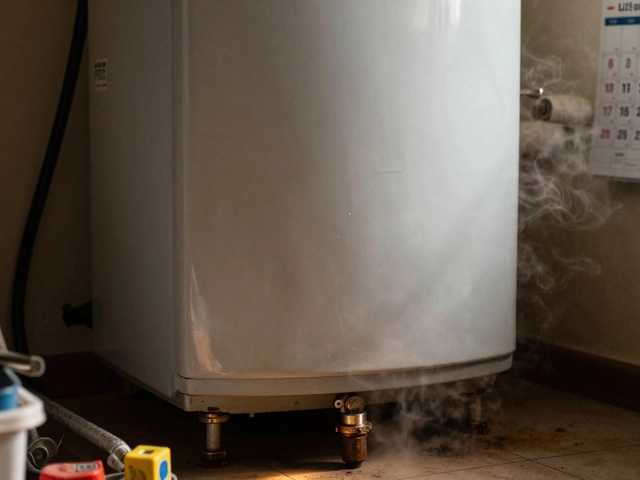
If you see standing water at the bottom of the tub, you're likely dealing with a Drain Pump failure. This is a small motor that pushes waste water out of the machine and into your plumbing. It's the hardest working part of the system and, consequently, the one most likely to quit. Usually, it's not a motor failure but a mechanical blockage. A stray piece of broken glass, a popcorn kernel, or a plastic tie-wrap can jam the impeller, causing the motor to hum loudly without actually moving any water.
When the pump fails, the machine might throw an error code or simply stop mid-cycle. In a real-world scenario, a customer might find a bottle cap has migrated into the pump housing, effectively locking the blades. Cleaning the filter is the first line of defense, but if the pump is humming and nothing is moving, you'll need to pull the pump out to clear the debris or replace the unit if the motor windings have burnt out.
The Heating Element: Cold Water and Wet Dishes
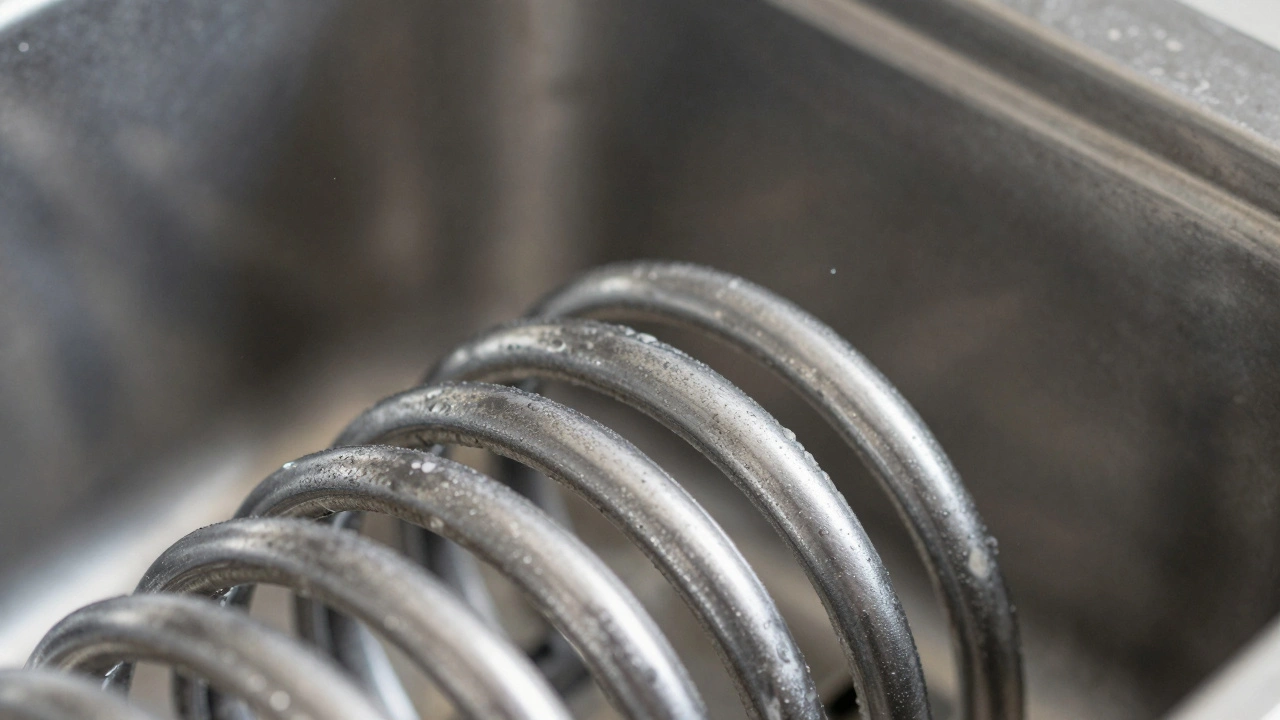
Ever notice that your dishes come out damp or, worse, cold? That points directly to the Heating Element. This component is a large metal loop at the bottom of the tub (in traditional models) or a concealed heater in the walls of newer ones. Its job is to heat the water to the necessary temperature for detergents to activate and to create steam for the drying phase.
Over time, the element can succumb to "pitting" or corrosion, especially if you use a very aggressive detergent or have extremely hard water. Once a crack forms in the outer sheath, the electricity leaks into the water, and the circuit breaker often trips. If you find your dishwasher is simply not heating, a multimeter check for continuity is the quickest way to confirm if the element is dead. If the circuit is open, the part needs to be replaced.
| Component | Primary Symptom | Typical Cause | Difficulty to Fix |
|---|---|---|---|
| Drain Pump | Standing water in tub | Food debris / Blockage | Medium |
| Heating Element | Wet dishes / No heat | Burnout / Corrosion | Medium to High |
| Door Gasket | Water on kitchen floor | Rubber degradation | Easy |
| Inlet Valve | Doesn't fill with water | Limescale buildup | Medium |
| Spray Arm | Dirty spots on plates | Clogged nozzles | Very Easy |
The Door Gasket: Where the Leaks Start
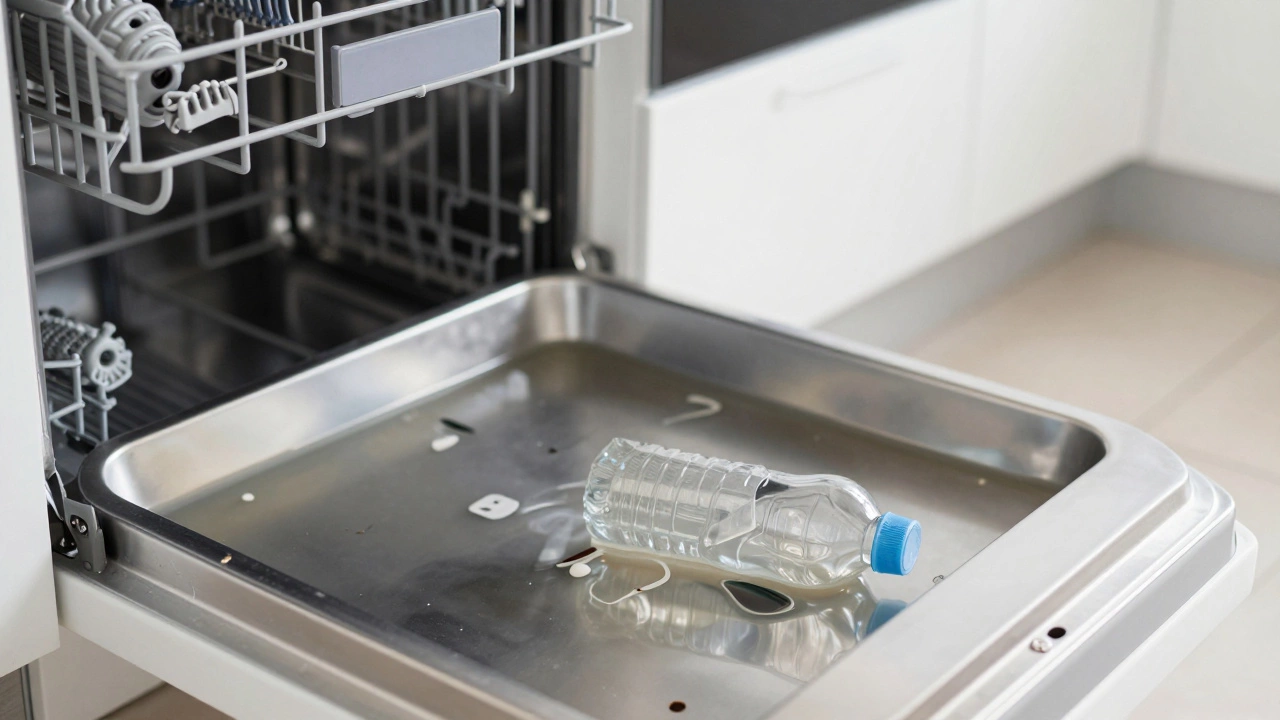
A leak doesn't always mean your machine is broken; sometimes it just means the Door Gasket is worn out. This is the rubber seal that runs around the perimeter of the door. Because it's constantly exposed to hot water, steam, and chemicals, the rubber eventually loses its elasticity. It can crack, warp, or simply flatten out, allowing water to seep through during the spray cycle.
If you notice water dripping from the bottom of the door, check for a visible gap in the seal. Often, a simple buildup of grime or a piece of food stuck to the gasket is the culprit. However, if the rubber feels hard or looks brittle, it's a sign of age. Replacing a gasket is one of the few dishwasher repair tasks that most homeowners can do without professional help, as it usually involves popping the old seal out and pressing a new one into the groove.
The Water Inlet Valve: Solving the Fill Problem
If your dishwasher won't start or makes a faint buzzing sound but doesn't fill with water, the Inlet Valve is the prime suspect. This solenoid-controlled valve opens to let water flow from your home's pipes into the machine. The biggest enemy here is mineral buildup. In areas with hard water, calcium and magnesium can crystallize inside the valve, preventing it from opening fully or sealing shut completely.
When this part fails, you might see "slow fill" issues where the machine takes forever to start the wash, or you might find the machine filling up even when it's turned off. A leaking inlet valve is dangerous because it can lead to an overflow that floods your kitchen while you're asleep. Testing the valve involves checking if water is actually reaching the unit and then checking the valve's electrical connection.
The Spray Arms: The Silent Performance Killers
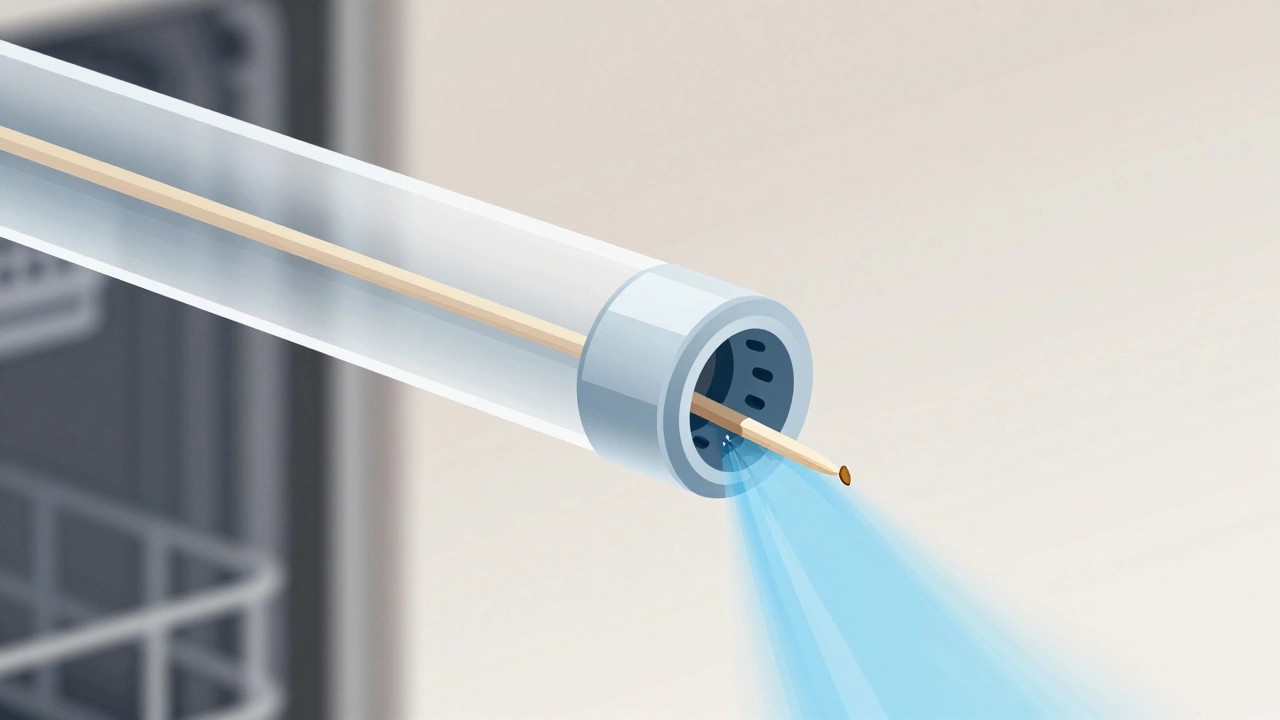
Not every failure is a total breakdown. Sometimes the machine works, but it just doesn't clean. This is almost always due to the Spray Arm. These rotating arms have tiny holes that shoot jets of water upward and downward. Over time, seeds, toothpicks, or remnants of hard food get stuck in these holes.
Imagine your dishwasher is like a shower; if the showerhead is clogged, you don't get a full spray. The same thing happens here. When the nozzles are blocked, the water pressure drops, and the arms might stop rotating entirely. The fix is incredibly simple: pop the arms out (most just click off) and use a toothpick or a small brush to clear the holes. It's a maintenance task that prevents the need for more expensive repairs down the line.
The Control Board: The Brain of the Operation
Finally, we have the Control Board. This is the computer that tells the pump when to drain, the heater when to turn on, and the arms when to spray. While less common than a clogged pump, board failure is the most expensive. These boards are sensitive to moisture and electrical surges.
A failing board usually manifests as "glitchy" behavior. Your dishwasher might suddenly stop mid-cycle, skip the drying phase, or start acting as if a button is being pressed when it isn't. If you're seeing erratic error codes that don't make sense, the board's capacitors or relays might be failing. Unlike a gasket or a spray arm, you can't "clean" a control board; if it's fried, you'll need a replacement specific to your model number.
How do I know if my dishwasher pump is actually broken?
The biggest sign is standing water at the bottom of the tub after a cycle. If you hear a humming sound but the water isn't moving, the pump is likely jammed. If you hear absolutely nothing during the drain phase, the motor may have burnt out or the control board isn't sending power to it.
Can I replace the heating element myself?
Yes, but it depends on the model. In older machines with an exposed element, it's a straightforward process of removing the element nuts and swapping the part. In newer "hidden heat" models, you often have to remove the entire tub or the bottom panel, which is significantly more labor-intensive.
Why does my dishwasher leak from the bottom?
Common causes include a perished door gasket, a clogged drain hose, or a leak in the sump seal. If the leak is a slow drip, check the gasket first. If it's a sudden flood, it's more likely a failed hose connection or a punctured tub.
How often should I clean the spray arms?
Every three to six months. Depending on how much you use the machine and the types of food you eat, debris can build up quickly. Checking them regularly ensures your dishes stay clean and prevents the pump from working too hard to push water through clogged holes.
What causes the control board to fail?
The main culprits are electrical surges and humidity. Because the board is located near a heat and water source, moisture can seep into the electronics and cause short circuits. Using a high-quality surge protector for your kitchen appliances can help mitigate this risk.
Next Steps for Troubleshooting
If you're facing a breakdown right now, don't start by replacing parts. Start with a "systematic check." First, clear your filters and check the spray arms. If that doesn't work, check for standing water-this tells you if the problem is in the drainage system. If the water is gone but the dishes are cold, move your focus to the heating element. Always remember to unplug the machine or turn off the breaker before opening any panels; dealing with water and electricity is a dangerous combination if you aren't careful.