Boiler Breakdown Severity Checker
Answer the questions below to determine if you need immediate professional help or if this can wait until morning.
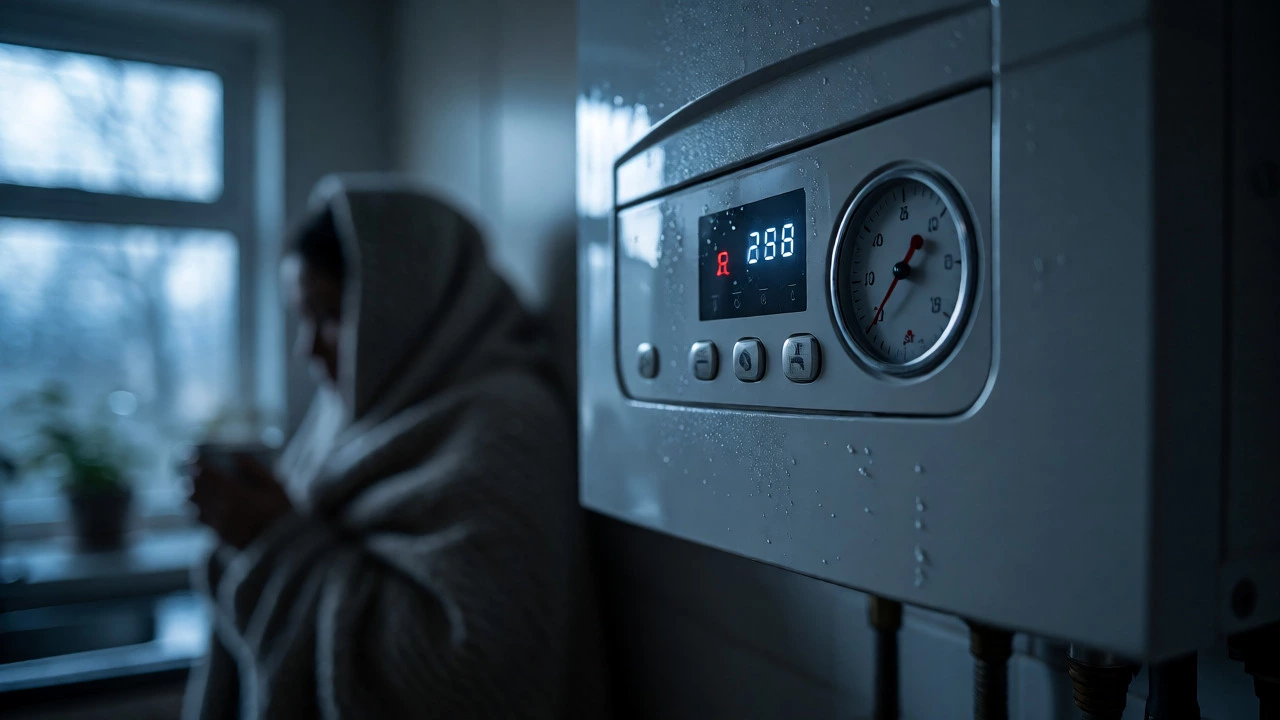
You wake up shivering. The radiators are cold, the taps run lukewarm at best, and your boiler is making a noise you’ve never heard before-a low, grinding hum or perhaps a sharp bang. Your first instinct might be to grab a blanket and wait until morning. But is it safe to wait? Is a broken boiler actually an emergency, or just a massive inconvenience?
The answer isn’t a simple yes or no. It depends entirely on *how* it’s broken. Some failures mean you’re freezing but safe; others mean you’re risking your life. Knowing the difference can save you hundreds of pounds in call-out fees-or potentially save your home from disaster.
When It’s Truly an Emergency: The Danger Signs
Before you check your bank account for the cost of a repair, check your health and safety. There are specific symptoms that classify a boiler issue as a genuine emergency requiring immediate professional intervention. If you see these, do not try to fix it yourself. Do not even try to turn it back on.
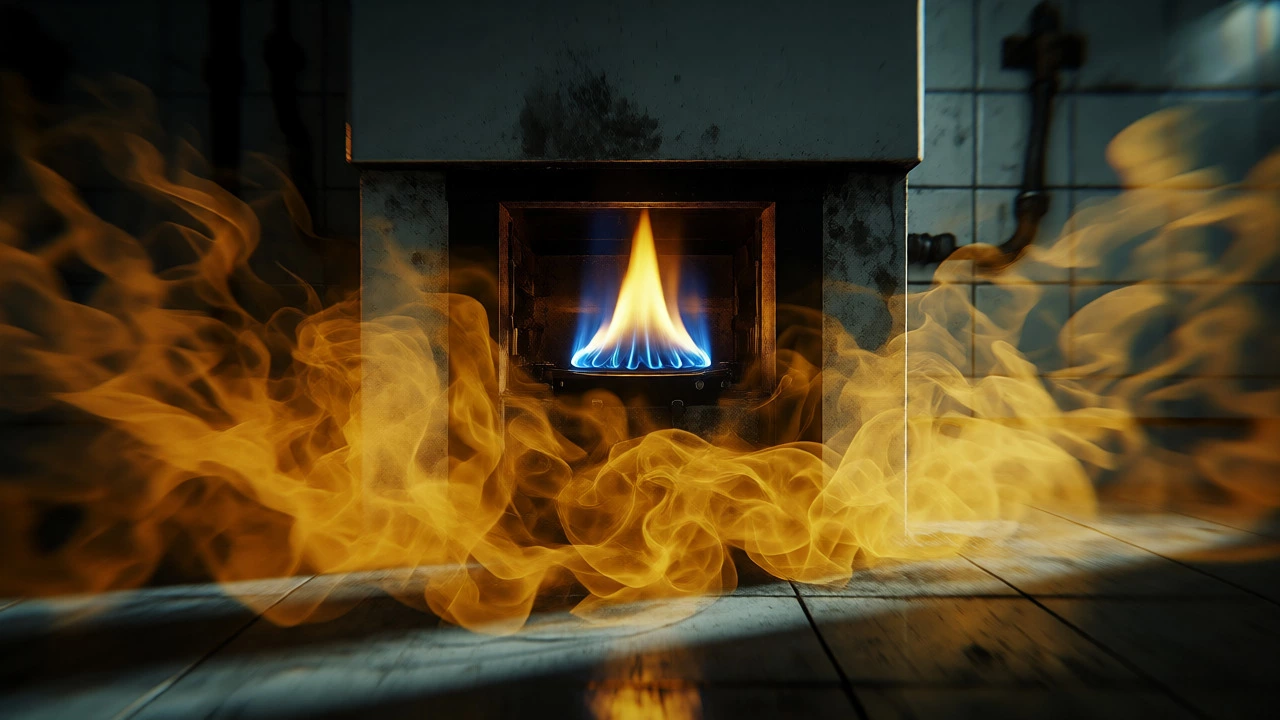
Carbon Monoxide (CO) is the silent killer here. It’s an odorless, colorless gas produced when fuel burns incompletely. If your boiler is leaking CO, you might feel dizzy, nauseous, or have a headache. Look for yellow or orange flames instead of the crisp blue ones you’re used to. Soot marks around the boiler casing or pilot light are also red flags. If you suspect a CO leak, open windows immediately, evacuate if necessary, and call the Gas Emergency Service Line right away.
Another critical sign is a gas smell. Natural gas has a distinct rotten-egg odor added to it so we can detect leaks. If you smell this near your boiler, leave the house immediately. Don’t flip light switches-sparks could ignite the gas. Call the emergency line from outside.
What about water? A small drip under the boiler is annoying. A gushing leak that’s soaking into your floorboards, ceiling below, or electrical components is an emergency. Water damage spreads fast, leading to mold and structural rot. If the leak is hitting the boiler’s internal electronics, it could short-circuit and cause a fire hazard. Turn off the mains water supply to the boiler if you know how, and get help now.
Inconvenience vs. Urgency: The Grey Area
So, your boiler isn’t leaking gas or flooding your kitchen. Does that mean you can wait? Not necessarily. In many regions, especially where winters are harsh, having no heating or hot water for more than 24 hours shifts from "inconvenient" to "urgent."
Consider who lives in your home. Are there young children, elderly relatives, or people with respiratory conditions like asthma? For them, a drop in indoor temperature isn’t just uncomfortable-it’s a health risk. Hypothermia sets in faster than you think, especially in poorly insulated homes. If the outdoor temperature is dropping below freezing, waiting three days for a standard appointment might not be wise.
Also, look at the error code. Modern boilers display fault codes on their digital screens. Codes related to ignition failure, pressure loss, or sensor errors often require a part replacement. While not always dangerous, they won’t fix themselves by tapping the side of the unit. If you’ve already tried resetting the boiler once (and only once), stop. Repeated resets can flood the spark electrode or lock out the system further, making the eventual repair more complex and expensive.
Common Causes Behind the Breakdown
Understanding why your boiler failed helps you communicate better with the engineer. Most breakdowns fall into a few predictable categories.
| Fault Symptom | Likely Cause | Severity Level |
|---|---|---|
| No heat/hot water, normal pressure | Failed diverter valve or pump seizure | Urgent (Repair within 24-48 hrs) |
| Low pressure warning | Leak in system or faulty pressure relief valve | Moderate (Top up, monitor closely) |
| Boiler cuts out randomly | Faulty thermostat or PCB (circuit board) issue | Moderate (Schedule soon) |
| Banging or kettling noises | Limescale buildup or airlocks | Low (Service needed, not emergency) |
| Yellow flame | Combustion problem / Carbon Monoxide risk | Emergency (Immediate shutdown) |
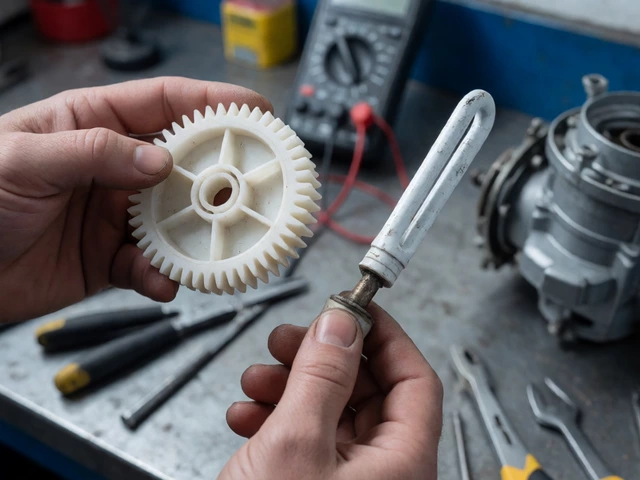
Let’s unpack a couple of these. A seized pump is a classic winter failure. The pump circulates hot water through your radiators. If it seizes due to lack of use over summer, the boiler overheats and shuts down as a safety measure. You’ll likely have no hot water and no heating. This needs a new pump or sometimes just a skilled kick-start by a pro, but don’t expect DIY fixes to last.
Then there’s the pressure relief valve. If this valve is dripping, it’s trying to protect the system from excessive pressure. A steady drip means the valve is failing or the expansion vessel has lost its air charge. It’s not an explosion risk usually, but if ignored, the pressure builds until something else bursts. And trust me, you don’t want a burst pipe inside your wall cavity.
What You Can Do Before Calling a Pro
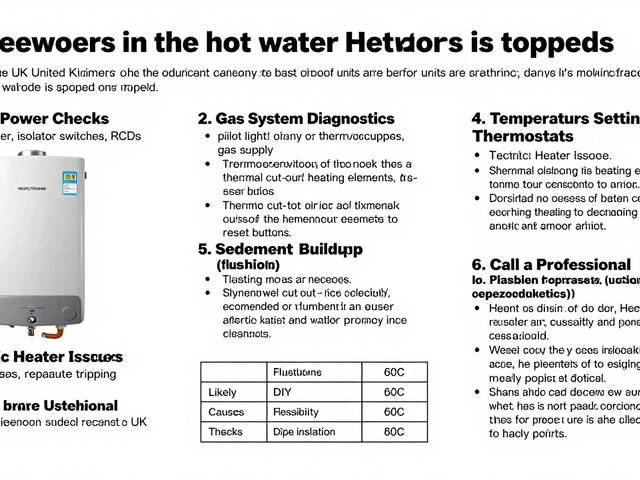
Engineers hate being called out for issues you could solve yourself. They also love customers who’ve done basic checks because it speeds up the diagnosis. Here’s your pre-call checklist.
- Check the power: Has the fuse tripped? Is the plug socket working? Try plugging in a lamp to test the outlet.
- Check the gas supply: Is the gas meter displaying a credit? Did the smart meter cut off automatically? Check other gas appliances-if the hob works, the supply is fine.
- Look at the pressure gauge: Ideally, it should sit between 1 and 1.5 bar when cold. If it’s near zero, you need to repressurize the system using the filling loop. If it’s above 3 bar, bleed a radiator to lower it.
- Reset once: Find the reset button. Press it firmly for a few seconds. If it fires up, great. If it fails again, stop. Don’t press it five times.
If you’ve done all this and the boiler still refuses to cooperate, it’s time to make the call. Be ready to tell the dispatcher exactly what you’ve checked. Saying "I’ve checked the power, gas, and pressure, and I’ve reset it twice" tells them this is a genuine mechanical fault, not user error.
Costs and Expectations: What Will Happen Next?
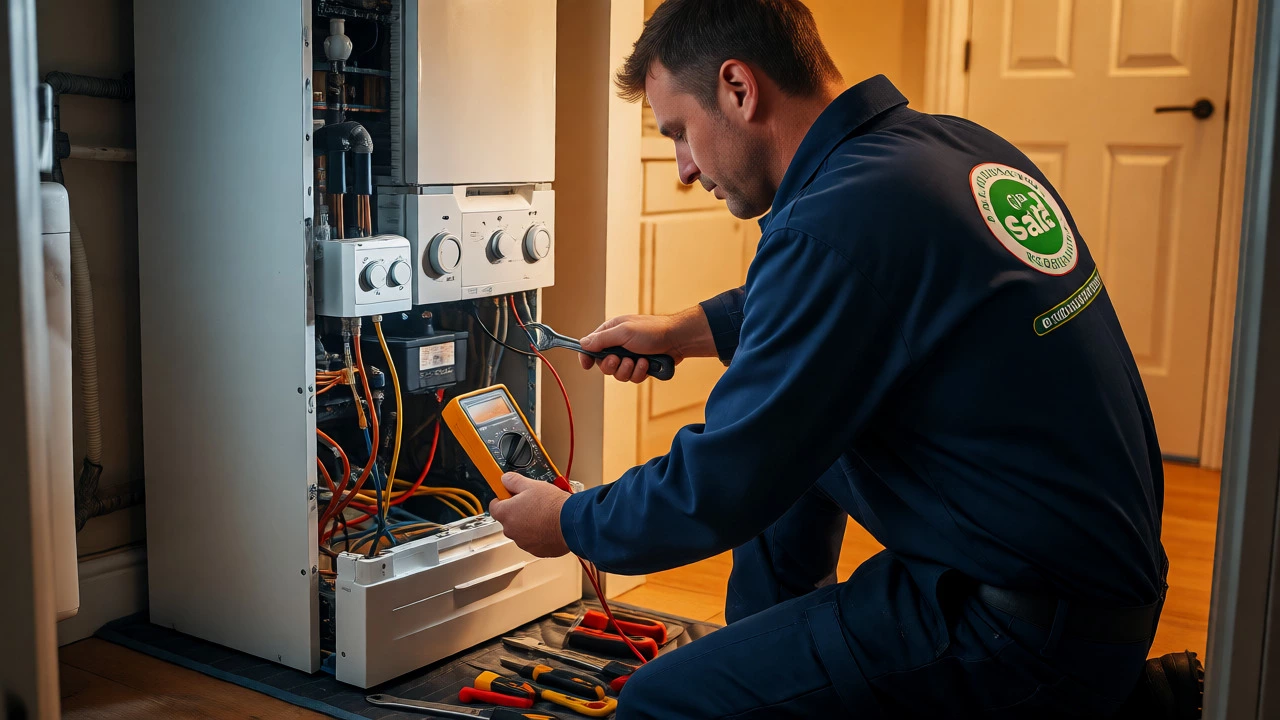
Worried about the bill? Let’s talk numbers. An emergency call-out fee typically ranges from £80 to £150 depending on the time of day and your location. This covers the engineer’s travel and initial diagnostic hour. If parts are needed, add those costs on top. A new diverter valve might cost £150-£250 including labor. A full boiler replacement, obviously, runs much higher.
Here’s a pro tip: ask if the call-out fee is waived if you proceed with the repair. Many reputable local firms do this. Also, check if your boiler is still under warranty. If it is, contact the manufacturer first. They might cover the labor, though you may still pay for parts if wear-and-tear is involved. Never let a non-warranty engineer touch a warranty boiler unless they are authorized by the brand, or you’ll void the coverage instantly.
Timing matters too. During peak cold snaps (like late January or early February), engineers are booked solid. Even if you call at 8 AM, the earliest slot might be tomorrow afternoon. If you’re vulnerable, explain your situation clearly. Ask if they can prioritize based on medical need. Some councils offer grants or assistance for vulnerable households facing heating emergencies.
Preventing the Next Panic
You don’t want to be Googling "emergency boiler repair" every year. Prevention is cheaper than cure. Annual servicing by a Gas Safe registered engineer is the single best thing you can do. They clean key components, check combustion levels, and spot tiny leaks before they become floods.
Between services, keep an eye on your pressure. Top it up monthly during heating season. Bleed your radiators if they’re cold at the top. Consider adding a magnetic filter to your system to catch sludge before it clogs your heat exchanger. These small habits extend the life of your boiler significantly, pushing its lifespan toward the 15-year mark rather than breaking down at eight.
Can I sleep with a broken boiler?
Yes, provided there are no gas smells, carbon monoxide warnings, or active water leaks. Ensure your home stays above 16°C (60°F) if possible. Use portable electric heaters safely, keeping them away from curtains and bedding. If temperatures drop drastically, consider staying with family or friends until repairs are made.
How long does a boiler repair take?
Most common repairs, like replacing a pump or fan, take 1-2 hours. Complex issues involving the main circuit board or heat exchanger might take longer, especially if parts need ordering. Always ask the engineer for an estimated timeline before they start work.
Is it worth repairing an old boiler?
If your boiler is over 15 years old and requires a major component replacement costing more than 50% of a new boiler's price, replacement is often better value. New condensing boilers are significantly more efficient, lowering your energy bills. However, if it’s under 10 years and the fault is minor, repair is usually the smarter financial choice.
Why is my boiler making a banging noise?
This is often called "kettling." It’s caused by limescale buildup on the heat exchanger or trapped air in the system. While not an immediate emergency, it reduces efficiency and stresses the boiler. Book a service to flush the system and add inhibitor fluid to prevent future scaling.
Do I need a Gas Safe engineer?
Absolutely. In the UK, any work on gas appliances must be performed by a Gas Safe registered engineer. Using an unregistered person is illegal and invalidates your insurance. Always ask to see their ID card upon arrival.