
Water Heater Health Check
Select the symptoms you are currently experiencing with your water heater to receive a diagnostic recommendation.
- Rusty or discolored hot water
- Popping, rumbling, or cracking noises
- Inconsistent heat or running out quickly
- Visible leaks or moisture around base
- Unit is older than 10 years
Check the boxes on the left and click "Analyze Symptoms" to see your diagnosis.
Healthy / Monitor
Your water heater appears to be in good condition. No major red flags detected based on your selection.
Recommendation: Continue annual flushing and monitor for changes.
Needs Attention
You have selected multiple minor symptoms. These indicate wear but may not require immediate replacement.
Recommendation: Schedule a professional inspection. Consider flushing the tank or replacing the anode rod if applicable.
Replace Soon
Critical warning signs detected. Your water heater is likely failing or at high risk of imminent failure.
Recommendation: Begin shopping for a new unit immediately. Avoid DIY repairs on the tank body.
Emergency Replacement
Visible Leaks Detected!
If the leak is coming from the tank body itself, patching is rarely permanent. Structural failure is likely.
Recommendation: Turn off power/gas and water supply. Call a plumber for extraction and installation to prevent water damage.
You’re standing in the shower, waiting for that perfect temperature, and suddenly the water runs cold. It’s annoying, sure, but is it just a fluke, or is your water heater on its last legs? Most homeowners ignore their tank until it completely dies, usually flooding the basement or utility closet in the process. The truth is, your unit gives you plenty of warnings before it quits. If you know what to look for, you can schedule a replacement on your terms, not at 2 AM on a Sunday.
Key Takeaways
- Rusty water: Discoloration often indicates internal corrosion of the tank lining.
- Loud noises: Popping or rumbling sounds mean sediment buildup is overheating the bottom of the tank.
- Inconsistent heat: Running out of hot water quickly suggests a failed heating element or thermostat issue.
- Visible leaks: Moisture around the base or valves is a critical sign of structural failure.
- Age factor: Tanks over 10-15 years old are statistically likely to fail soon, regardless of symptoms.
The Sound of Trouble: Noises from the Tank
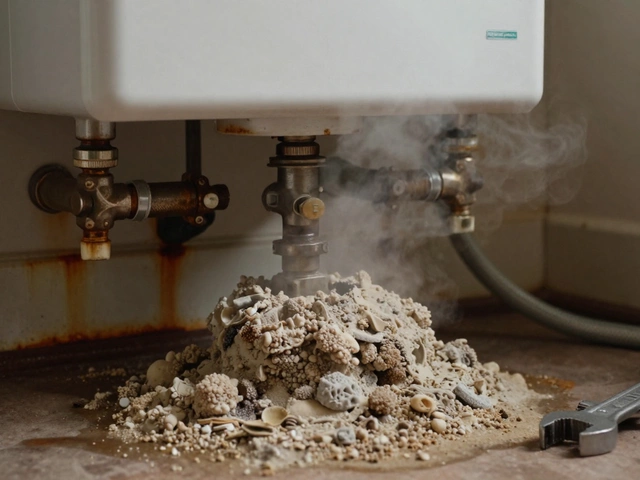
If your water heater sounds like a popcorn machine or a distant thunderstorm, pay attention. This isn’t just background noise; it’s physics working against you. In areas with hard water, minerals like calcium and magnesium settle at the bottom of the tank as sediment. When the heating elements (in electric models) or the burner (in gas models) fire up, they heat this layer of sludge instead of the water directly above it. The trapped steam bubbles burst through the sediment, creating loud popping or cracking noises.
This isn’t just annoying-it’s damaging. The sediment acts as an insulator, forcing the burner to work harder and hotter to transfer heat to the water. Over time, this excessive heat weakens the steel floor of the tank. If you hear these sounds, flushing the tank might help temporarily, but if the noise persists after a flush, the damage to the tank’s integrity may already be done.
Color Changes: What Rusty Water Tells You
Turn on your hot water tap. Does the water come out clear, or does it have a brownish tint? If it’s rusty, you need to distinguish between two scenarios. First, check your cold water tap. If both hot and cold are rusty, the problem is likely in your home’s piping, not the heater. But if only the hot water is discolored, the issue is inside the tank.
Most tanks use a sacrificial anode rod to prevent corrosion by attracting corrosive elements away from the steel tank walls. Once this rod is fully consumed, the corrosion attacks the tank itself. Rusty water is often the first visible sign that the protective lining is compromised. While you can replace an anode rod in some cases, once rust appears in the water output, it’s often too late to save the tank. It’s time to start shopping for a new one.
Temperature Issues: Too Cold or Not Enough
A sudden drop in water temperature is the most obvious sign, but it has different causes depending on your fuel source. For electric heaters, one of the two heating elements might have burned out. Since many units operate sequentially, losing one element means you’ll get lukewarm water instead of scalding hot water. You can test this with a multimeter, but if the element is old, replacing the whole unit is often more cost-effective than hiring a technician for a part swap.
Gas heaters have different quirks. If the pilot light keeps going out or the burner cycles strangely, you might have a thermocouple issue. However, if the water simply doesn’t stay hot long enough, the dip tube-which directs incoming cold water to the bottom of the tank-might be broken. Without a functional dip tube, cold water mixes immediately with the hot water at the top, reducing your usable hot water volume significantly.
Leaks: The Final Countdown
Water is sneaky. A small leak can turn into a catastrophic flood overnight. Check the connections at the top of the unit where the pipes enter. Tightening fittings might solve a minor drip there. But look at the base of the tank. If you see moisture pooling under the unit, or worse, active dripping from the tank body itself, the game is over. Steel tanks corrode from the inside out. Once a pinhole leak forms in the tank wall, patching it is rarely a permanent fix. The pressure will find another weak spot within days.
| Location of Leak | Likely Cause | Action Required |
|---|---|---|
| T&P Valve | Excessive pressure or faulty valve | Replace valve or install expansion tank |
| Inlet/Outlet Pipes | Loose fittings or worn washers | Tighten connections or replace gaskets |
| Tank Base/Body | Internal corrosion/Structural failure | Replace water heater immediately |
Age Matters More Than Symptoms
Even if your unit looks fine and makes no noise, age is a killer metric. Standard storage-tank water heaters typically last between 8 and 12 years. High-efficiency models might stretch to 15. If your unit is over 10 years old, you are playing with fire. Don’t wait for a symptom. Proactive replacement allows you to choose the right size and efficiency rating without the stress of an emergency. Plus, modern heat pump water heaters use electricity to move heat rather than generate it, offering up to 60% energy savings compared to older conventional electric tanks.
When to Call a Professional vs. DIY
Can you handle this yourself? Flushing the tank and checking the anode rod are decent DIY projects for handy homeowners. Replacing a heating element or a T&P valve is also manageable if you’re comfortable with plumbing basics. However, dealing with gas lines requires caution. If you smell gas, leave the house and call your utility provider. And if the tank is actively leaking from the body, do not try to patch it. Call a plumber for extraction and installation. The labor cost is worth avoiding a $5,000 water damage bill.
How long should a water heater last?
Typically, traditional tank-style water heaters last between 8 and 12 years. Tankless models can last up to 20 years with proper maintenance. Factors like water hardness, usage patterns, and maintenance frequency significantly impact lifespan.
What does it mean if my water heater is making popping noises?
Popping or rumbling noises usually indicate sediment buildup at the bottom of the tank. This sediment traps heat, causing steam bubbles to form and burst. While flushing the tank can remove sediment, persistent noise often signals that the tank's bottom is being damaged by excessive heat.
Is rusty water from the hot tap always a bad sign?
Yes, if only the hot water is rusty. It typically means the sacrificial anode rod is depleted and the tank interior is corroding. If both hot and cold water are rusty, the issue is likely in your home's plumbing pipes rather than the water heater itself.
Can I still use my water heater if it is leaking slightly?
If the leak is from a pipe connection or valve, you might manage for a short time. However, if the leak is coming from the tank body itself, it is a critical failure. Continued use risks a sudden rupture and significant water damage. Replace the unit as soon as possible.
How often should I flush my water heater?
Manufacturers generally recommend flushing the tank once a year to remove sediment. In areas with very hard water, every six months may be necessary. Regular flushing extends the life of the tank and improves energy efficiency.