Gas Hob Installation Risk & Cost Calculator
Where are you located?
Installation Complexity
How does the new setup compare to the old one?
Your Safety & Cost Analysis
Based on legal liability, insurance validity, and physical safety hazards.
DIY Estimate
Professional Estimate
Replacing a kitchen appliance feels like a straightforward weekend project. You buy the new unit, unplug the old one, and swap them out. But when that appliance runs on gas, the rules change completely. The question isn't just about whether you *can* do it yourself; it is about whether you are legally allowed to, and more importantly, whether your family will be safe breathing the air in your kitchen.
If you live in the UK or Ireland, the answer is a hard yes: you need a qualified professional. In other parts of the world, the rules might differ slightly, but the physics of combustion remain the same. A mistake with electricity might trip a breaker. A mistake with gas can fill your home with carbon monoxide, an odorless killer that doesn't care if you read the manual.
The Legal Reality: Who Can Touch Gas?
In many jurisdictions, particularly within the United Kingdom, working on gas appliances is strictly regulated. This isn't bureaucracy for the sake of paperwork; it is a safety net built on decades of lessons learned from preventable tragedies. Under the Gas Safety (Installation and Use) Regulations, only engineers registered with the Gas Safe Register is the official body authorized to register gas engineers in Great Britain. can legally carry out work on gas appliances.
This means that even if you are handy with tools, have replaced three hobs before, and feel confident tightening a nut, doing so without this certification is illegal. If you are a landlord, the stakes are even higher. Failure to ensure gas appliances are installed by a competent person can lead to heavy fines, invalidation of insurance policies, and criminal charges if something goes wrong.
For homeowners who aren't landlords, the legal risk is lower, but the practical risks remain. Insurance companies often include clauses that void coverage for damages caused by unqualified work. If a DIY installation leads to a fire or carbon monoxide leak, your insurer might refuse to pay out, leaving you with thousands in repair costs.
Why "Simple" Swaps Are Tricky
You might look at a gas hob and think, "It's just a burner and a pipe." It looks simpler than a washing machine or a fridge. However, gas systems operate under pressure and involve invisible hazards. Here is why replacing a hob is not as simple as plugging in a toaster:
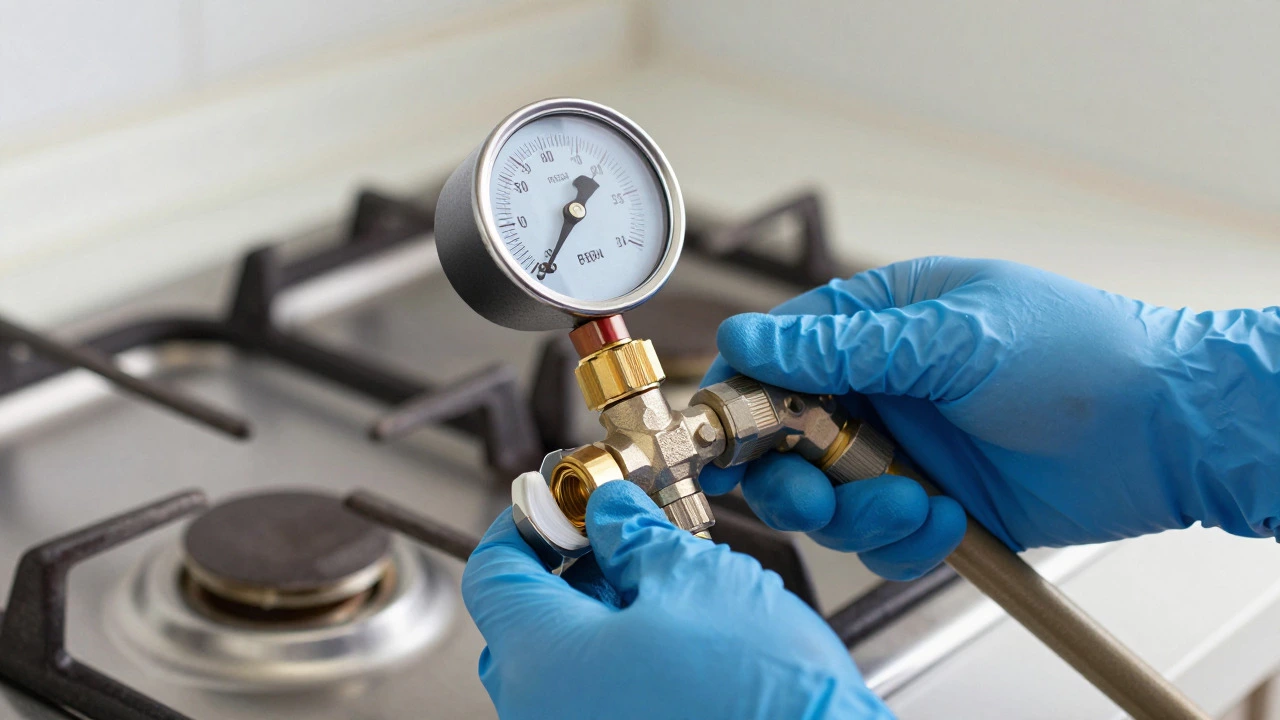
- Pressure Testing: When a gas line is disconnected, air enters the pipes. Before turning the gas back on, the system must be purged and tested for leaks. Professionals use manometers to check that the gas pressure is correct for the specific model of your hob. Too little pressure means weak flames; too much can cause overheating or damage to the regulator.
- Seal Integrity: The connection point between the gas supply pipe and the inlet valve on the hob requires a perfect seal. Using the wrong type of tape, over-tightening, or using degraded washers can lead to slow leaks. These leaks might not smell immediately if the ventilation is poor, allowing gas to accumulate.
- Combustion Airflow: Gas needs oxygen to burn cleanly. An improperly positioned hob or one installed near a blocked vent can lead to incomplete combustion. This produces carbon monoxide (CO), a colorless, odorless gas that binds to hemoglobin in your blood more effectively than oxygen does. Symptoms of CO poisoning include headaches, dizziness, and nausea-often mistaken for flu.
- Electrical Interlocks: Modern gas hobs often have electric ignition systems or fans. While the gas part requires a gas engineer, the electrical connection must also meet local wiring standards. Mixing up these responsibilities can create a hazard where the electrical fault triggers a gas issue, or vice versa.
The Role of the Gas Safe Registered Engineer
When you hire a Gas Safe Registered Engineer is a professional certified to install, service, and repair gas appliances safely., you are paying for more than just labor. You are paying for liability coverage and technical expertise. Here is what they bring to the table that a DIYer typically lacks:
- Leak Detection Equipment: They carry electronic gas detectors and soap solution kits to verify every joint is secure. They don't guess; they measure.
- Knowledge of Standards: They know the specific British Standards (like BS 6891 for flexible hoses) required for different installations. For example, they know which flexible hose length is appropriate for your cabinet setup to prevent kinking or pulling.
- Documentation: Upon completion, they provide a certificate or receipt detailing the work done. This document is crucial for future sales of your property, insurance claims, and peace of mind.
- Identification of Hidden Issues: While removing the old hob, an experienced engineer might spot corrosion in the pipework, a failing isolation cock, or poor ventilation in the kitchen. Catching these issues early prevents larger problems later.
Can You Do Any Part of the Job Yourself?
While the actual connection of the gas supply must be left to a pro, there are steps you can take to prepare. This can save time and potentially reduce the cost of the engineer's visit, as they charge by the hour.
First, you can remove the old hob. Turn off the gas supply at the isolation valve (if present) or the main meter. Disconnect the electrical plug if it has one. Unscrew the hob from the countertop or lift it out if it is a drop-in model. Clean the area thoroughly. Grease and food debris can interfere with the seal of the new unit.
Second, check the specifications of your new hob. Ensure it fits the cutout dimensions of your countertop. Measure the width, depth, and height clearance. Also, verify the gas type. Most homes in the UK use Natural Gas (G20), but some rural areas or older properties might use LPG (Liquefied Petroleum Gas, G31). Connecting a Natural Gas hob to an LPG supply without converting the jets can result in dangerously high flames and excessive heat output.
Third, ensure you have a suitable isolation valve installed nearby. Regulations often require an accessible shut-off valve within reach of the appliance. If your current setup lacks this, mention it to the engineer so they can include it in their quote.
Comparison: DIY vs. Professional Installation
| Factor | DIY Installation | Professional Installation |
|---|---|---|
| Legality (UK/Ireland) | Illegal for gas connections | Fully compliant |
| Safety Risk | High (Leaks, CO poisoning) | Low (Tested and certified) |
| Insurance Validity | Often voided | Maintained |
| Cost | Lower upfront (no labor fee) | Higher upfront (labor + parts) |
| Warranty | May be voided by manufacturer | Preserved |
| Documentation | None | Certificate provided |
Signs Your Current Hob Needs Replacement
Before you commit to buying a new hob, make sure the old one is truly beyond repair. Sometimes, a simple fix can extend its life. However, certain signs indicate that replacement is the safer and more economical choice.
- Yellow Flames: Gas flames should be blue. Yellow or orange flames indicate incomplete combustion, which produces carbon monoxide. Cleaning the burner heads might help, but if the problem persists, the gas mix or injectors may be faulty.
- Rotten Egg Smell: Gas suppliers add mercaptan to natural gas to give it a distinct smell. If you smell this when no appliances are running, or continuously around the hob, you have a leak. Evacuate the house and call the gas emergency number immediately. Do not try to fix this yourself.
- Uneven Heating: If one side of a pan heats up while the other stays cold, the burner cap might be cracked or misaligned. Replacing individual caps is cheap, but if multiple burners are failing, the whole unit might be aging.
- Ignition Failure: If the spark clicks but never lights, or stops lighting altogether, the igniter electrode or module could be broken. Again, minor fixes exist, but frequent electrical failures suggest internal wear.
- Age of Appliance: Gas hobs typically last 10-15 years. After this period, seals degrade, metal fatigues, and spare parts become harder to find. Investing in a new, energy-efficient model might save money on gas bills in the long run.

Choosing the Right New Gas Hob
Once you've decided to replace the hob, selecting the right model involves more than just aesthetics. Consider the following factors:
Burner Configuration: Look at your cooking habits. Do you use large woks? You'll need a high-output wok burner (typically 3.5kW to 4.5kW). Do you simmer sauces frequently? A low-power simmer burner (around 0.75kW to 1kW) gives you precise control. A standard configuration usually includes two medium burners, one small simmer burner, and one large booster burner.
Material and Maintenance: Stainless steel is durable and easy to clean but shows fingerprints. Cast iron grates are sturdy and distribute heat well but are heavy and can rust if not dried properly. Glass-ceramic tops look sleek and are easy to wipe down, but they can crack if dropped on or subjected to thermal shock (e.g., placing a cold pot on a hot surface).
Ventilation Compatibility: If you plan to install a downdraft extraction system (where the fan is built into the hob), ensure your kitchen has adequate external ventilation. Otherwise, you might end up recirculating stale, humid air back into the room.
What to Expect During the Installation
When the engineer arrives, the process usually takes between 45 minutes to an hour. Here is the typical workflow:
- Assessment: The engineer checks the existing gas supply, the condition of the pipework, and the location of the new hob. They verify that the gas type matches the appliance.
- Removal: If you haven't already removed the old hob, they will disconnect it safely. They will cap off the old gas line temporarily.
- Preparation: They inspect the new hob for any transit damage. They may need to convert the gas jets if switching between Natural Gas and LPG.
- Connection: They connect the new flexible hose or rigid pipe to the gas supply and the hob's inlet valve. They apply appropriate thread sealant (usually PTFE tape or liquid thread sealant, depending on the fitting type).
- Testing: This is the critical step. They pressurize the system and check all joints with a leak detector. They then light each burner to check for stable flames and correct pressure.
- Final Checks: They ensure the hob is level and secure. They explain how to use the controls and where the isolation valve is located.
- Certification: They hand over the documentation proving the work was done safely.
Troubleshooting Common Post-Installation Issues
Even with professional installation, you might encounter minor issues. Here is how to handle them:
Hob Won't Light: Check if the gas supply is turned on at the isolation valve. Sometimes, the valve gets bumped during cleaning. If the supply is on, listen for the click of the igniter. If you hear clicking but no flame, the gas might not be reaching the burner. Call the engineer back immediately.
Flames Lift Off Burner: If the flames are lifting away from the burner holes, it could be due to strong drafts from an open window or extractor fan. Adjust the ventilation. If the problem persists, the gas pressure might be too high, requiring a professional adjustment.
Smell of Gas After Installation: A faint smell might linger from the purging process, but it should disappear quickly. If the smell persists after 10-15 minutes, turn off the gas, open windows, and call the engineer. Do not ignore this.
Is it illegal to replace a gas hob yourself in the UK?
Yes, it is illegal. Under the Gas Safety (Installation and Use) Regulations, only engineers registered with the Gas Safe Register can legally work on gas appliances. Doing so yourself can invalidate your home insurance and pose serious safety risks.
How much does it cost to hire a gas engineer to install a hob?
Costs vary by region and provider, but typically range from £80 to £150 for a standard installation. This price usually includes the labor, basic testing, and certification. Complex installations involving new pipework or electrical changes will cost more.
Can I install a gas hob if I am not a landlord?
Technically, the law applies to everyone, but enforcement is stricter for landlords. However, for homeowners, the primary reason to hire a pro is safety and insurance. If you install it yourself and a leak causes damage, your insurer may deny the claim.
What documents should I receive after installation?
You should receive a receipt or certificate from the Gas Safe Registered Engineer. This document confirms the work was carried out safely and complies with regulations. Keep this for your records, especially if you sell your home later.
How do I know if my gas hob is leaking?
The most obvious sign is the smell of rotten eggs (mercaptan). Other signs include hissing sounds near the appliance, dead vegetation near outdoor gas meters, or unexpected increases in your gas bill. If you suspect a leak, evacuate the house and call the gas emergency number.
Do I need to turn off the gas main to replace a hob?
Not necessarily. If you have an isolation valve (cock) near the hob, you can turn that off. If not, the engineer will likely turn off the main supply to ensure safety during the disconnection and reconnection process.
Can a gas engineer also install the electrical connection?
Many gas engineers are also qualified electricians, but not all. If your hob has electric components (like a clock or fan), check if the engineer holds both Gas Safe registration and electrical qualifications (such as NICEIC approval). If not, you may need a separate electrician.