Boiler Replacement Impact Checker
Select the option that best describes your property.
Modern Home
Built after 1990s. No water tank in the roof/loft.
Older Property
Has a large plastic/metal water tank in the loft or roof space.
Not Sure
Unsure of plumbing layout. Assume standard modern setup.
Ask your engineer: "Will you be isolating or moving the main cold water feed?"
Your Prediction:
Toilet Flushing
Hot Showers
The boiler must be drained for safety. Use an electric shower if available, or wait until installation is complete.
Recommended Preparation:
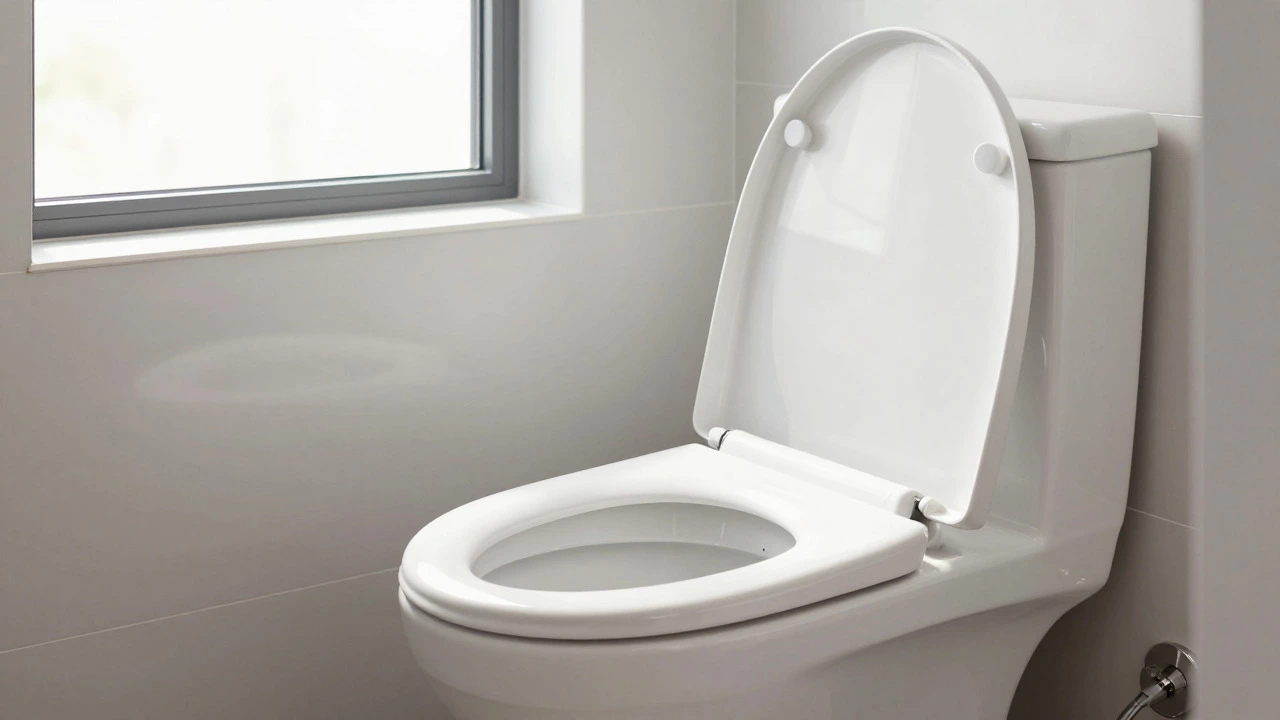
Picture this: you’ve finally scheduled the boiler replacement is the process of removing an old heating system and installing a new one to improve efficiency and reliability. The technicians are coming tomorrow. You’re excited about lower energy bills and reliable heat. Then, a panic sets in. You haven’t used the bathroom in three days because the plumber said they might turn off the water. Can you actually flush the toilet while your boiler is being swapped out?
The short answer is yes, usually. But like most things involving home plumbing, there are conditions. It depends entirely on whether your toilet relies on gravity-fed cold water or if it needs pressure from a tank that the engineers need to drain. Let’s break down exactly how your house works so you don’t end up in a sticky situation.
How Your Toilet Gets Water
To understand if you can flush, you first need to know where the water comes from. In most modern homes in Adelaide and across Australia, toilets are connected directly to the mains cold water supply. This line runs independently of your heating system. When you push the handle, a valve opens, letting high-pressure city water rush into the cistern (the tank behind the lid). Once full, it flushes the bowl.
This direct connection means that as long as the main water stopcock is open, your toilet should work perfectly fine, even if the boiler is completely disconnected. However, older properties or specific setups can complicate things. If your home has a loft tank (a large plastic or metal tank in the roof space) that supplies cold water to taps and possibly the toilet, the engineers might need to drain that tank to access pipes running through the ceiling. If that tank is drained, your toilet won’t fill up.
- Direct Mains Supply: Most common in newer builds. Toilet works regardless of boiler status.
- Loft Tank System: Common in older homes. Toilet may fail if the tank is drained for pipe access.
- Combi Boiler Setup: Provides instant hot water but doesn't affect cold water lines for toilets.
Why Engineers Might Turn Off the Water
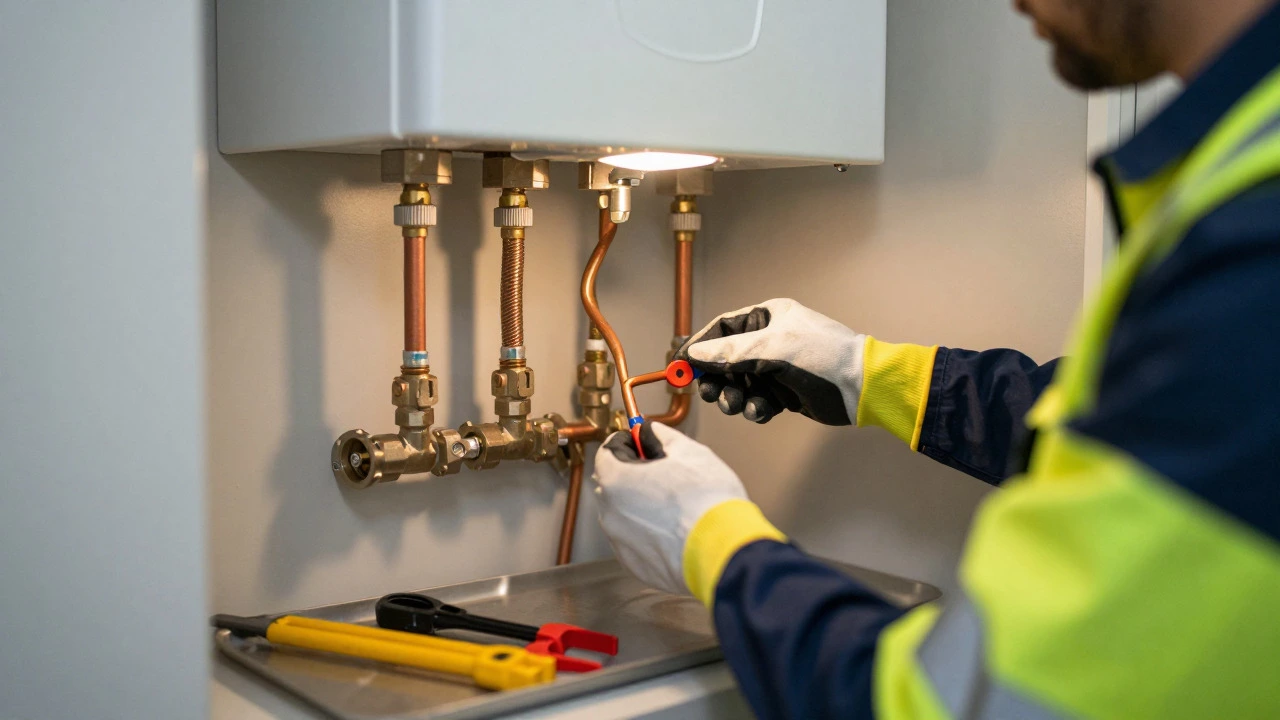
You might wonder why anyone would cut the water if the toilet isn’t part of the heating system. The issue isn’t the toilet; it’s the pipes. During a boiler installation is the technical procedure of fitting a new central heating unit, which often requires draining existing radiators and pipes., engineers need to drain the entire heating circuit. This involves opening valves at the bottom of radiators and sometimes near the boiler itself.
If the new boiler is a combi-boiler (combination boiler), it draws water directly from the mains. The old system might have been a regular boiler with a separate hot water cylinder. Swapping these systems often requires moving pipework. If the cold water feed for your kitchen sink or bathroom taps runs close to the boiler flue or gas line, the engineers might temporarily isolate that section to fit new brackets or insulation. While rare, this isolation could briefly cut water to nearby fixtures, including the toilet if the cistern is fed from that same branch.
Always ask the engineer before they start: "Will you be isolating the main cold water supply?" If they say yes, plan accordingly. If they say no, you’re likely good to go.
The Hot Water Factor
Here’s where people get confused. You can flush the toilet, but can you wash your hands afterward? That depends on your hot water system is the mechanism that heats water for domestic use, which may be integrated into the boiler or separate.. If your boiler provides both central heating and domestic hot water (DHW), turning off the boiler means no hot water until the new unit is commissioned.
During the replacement day, expect cold showers and cold handwashing. This doesn’t stop you from using the toilet, but it does mean you should keep some wet wipes or a bucket of warm water handy for hygiene. If you have an electric shower, it will still work because it heats water instantly via electricity, bypassing the boiler entirely. Check your bathroom setup beforehand.
| Utility | Status During Replacement | Reason |
|---|---|---|
| Toilet Flushing | Usually Works | Connected to cold mains water |
| Hot Showers | Unavailable | Boiler is offline for safety |
| Cold Taps | Usually Works | Independent of heating circuit |
| Central Heating | Offline | Radiators are drained |
Preparation Tips for the Big Day
Don’t leave anything to chance. Even if the toilet should work, having a backup plan reduces stress. Here’s what you can do the night before:
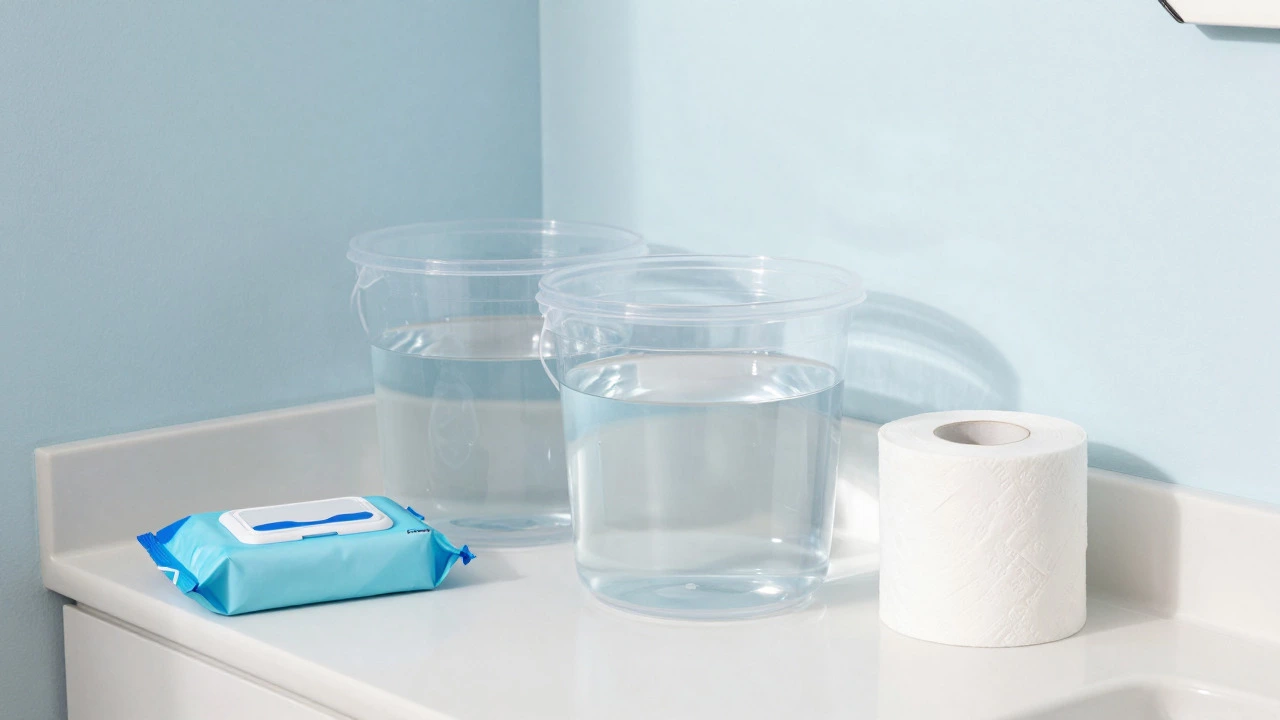
- Fill Buckets: Keep two buckets filled with water near the toilet. One for flushing if the cistern fails, one for handwashing.
- Stock Up on Wipes: Buy unscented baby wipes or biodegradable cleaning wipes. They’re lifesavers when hot water is scarce.
- Clear Access: Move furniture away from the boiler room. Engineers work faster when they have space, reducing the time water might be isolated.
- Ask About Timing: Confirm with the company if they’ll be working on the cold water feed. If they are, schedule your morning routine early.
- Check for Condensation Tanks: If you have a condensing boiler, ensure the condensate pipe is accessible. Blockages here can cause the new boiler to shut down, but they don’t affect water pressure.
What If the Toilet Stops Working?
If you flush and nothing happens, don’t panic. First, check if other cold taps are running. If the kitchen tap works but the toilet doesn’t, the issue is likely local to the cistern. Maybe the engineer accidentally bumped the isolation valve under the sink that feeds the bathroom. Ask them to check the angle valve connecting the wall pipe to the toilet cistern.
If all cold water is off, the main stopcock has been closed. Locate it-usually under the kitchen sink or where the water meter enters the house-and wait for the engineers to reopen it. Never force a valve that feels stuck; you could crack the pipe. Patience is key here.
Long-Term Benefits of the Swap
While the day of replacement is inconvenient, the long-term payoff is significant. Modern condensing boilers are high-efficiency heating units that recover waste heat from exhaust gases, achieving over 90% efficiency. are far more efficient than older models. In Adelaide, where winters can be chilly, a new boiler can reduce your gas bills by up to 20%. Plus, fewer breakdowns mean less emergency plumbing stress in the future.
Think of the inconvenience as a small price for years of reliable heat and hot water. Just make sure you hire a Gas Safe registered engineer (or equivalent certified professional in Australia) to ensure the job is done right. A poorly installed boiler can lead to leaks, carbon monoxide risks, and voided warranties.
Final Thoughts on Comfort and Convenience
So, can you use the toilet? Yes, in 95% of cases. The remaining 5% depend on unique plumbing layouts or extensive pipe rerouting. By asking the right questions and preparing simple backups, you can navigate the replacement day without discomfort. Remember, the goal is a safer, more efficient home. A little temporary hassle is worth the peace of mind that comes with a brand-new heating system.
Will my toilet flush if the boiler is turned off?
Yes, typically. Toilets are connected to the cold water mains, which operates independently of the boiler's heating function. Unless the main water supply is isolated for pipe work, your toilet will continue to function normally.
Do I need to empty the toilet cistern before boiler replacement?
No, you do not need to empty the cistern. The water in the toilet tank is fresh cold water from the mains, not heated water from the boiler. Draining it serves no purpose and only creates unnecessary mess.
How long will the water be off during boiler installation?
Water is usually only off if engineers need to move cold water pipes. This might take 1-2 hours. For standard swaps where pipes remain untouched, water stays on the entire time. Always confirm with your technician.
Can I take a shower while the boiler is being replaced?
Not if you rely on the boiler for hot water. The system must be drained and depressurized for safe installation. Electric showers will still work as they use electricity to heat water instantly.
Is it safe to use the toilet if the heating pipes are leaking?
If the leak is from the heating system (radiators), it does not affect the toilet's cold water supply. However, if the leak is severe and causes flooding near the toilet's base, avoid using it to prevent slipping hazards or further damage.