Who Do You Call If Your Boiler Isn't Working? A Complete Guide
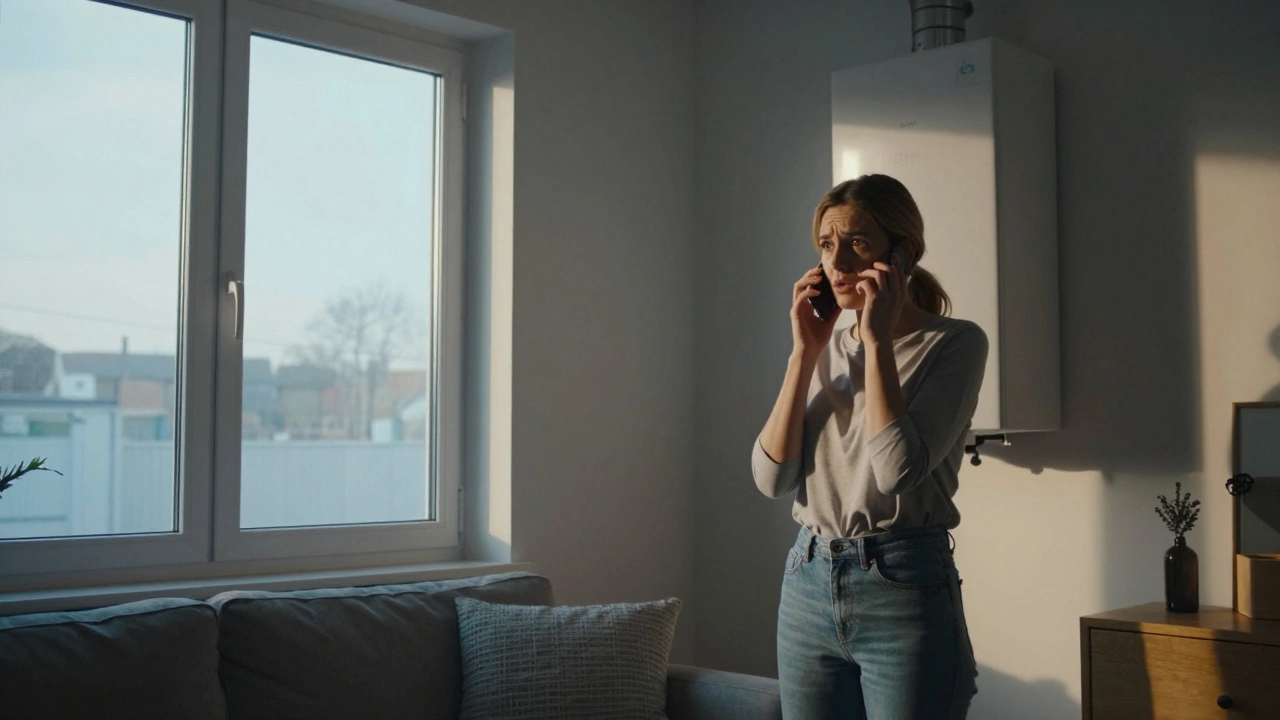
It’s 7:00 AM on a Tuesday. You step out of the shower, shivering, because the water suddenly turned ice cold. Or worse, you walk into your living room and realize the heating hasn’t kicked in despite the thermostat being set to twenty degrees. Panic sets in. Who do you call if your boiler isn't working?
The short answer is: a qualified Gas Safe registered engineer. But before you dial that number, there are critical steps you need to take to ensure safety, save money, and get your home warm again as fast as possible.
This guide cuts through the noise. It tells you exactly who to contact, how to verify they are legitimate, what questions to ask, and when you can fix it yourself versus when you absolutely must call a pro. We’ll also cover the specific context for homeowners in Adelaide and across Australia, where terminology and regulations differ slightly from the UK or Europe.
Step 1: Safety First – Is This an Emergency?
Before you look up phone numbers, assess the situation. Not every boiler issue requires an immediate emergency call, but some do. Your safety depends on recognizing the difference.
- You smell gas. It often smells like rotten eggs due to added odorants.
- You hear hissing sounds coming from the appliance or pipework.
- You see visible flames outside the combustion chamber.
- You experience dizziness, nausea, headaches, or breathing difficulties while near the boiler. These are symptoms of carbon monoxide poisoning.
If any of these apply, evacuate the house, open windows if safe to do so, and call from outside. Do not touch electrical switches or light matches. Carbon monoxide is odorless, colorless, and deadly. Never gamble with it.
If none of these life-threatening signs are present, proceed to Step 2. You likely have a mechanical or electrical fault, not an imminent explosion risk.
Step 2: Can You Fix It Yourself? (The Quick Checks)
Many "broken" boilers aren't actually broken. They’re just confused, tripped, or low on pressure. Before paying for a technician visit, try these three simple checks. They solve about 40% of common calls.
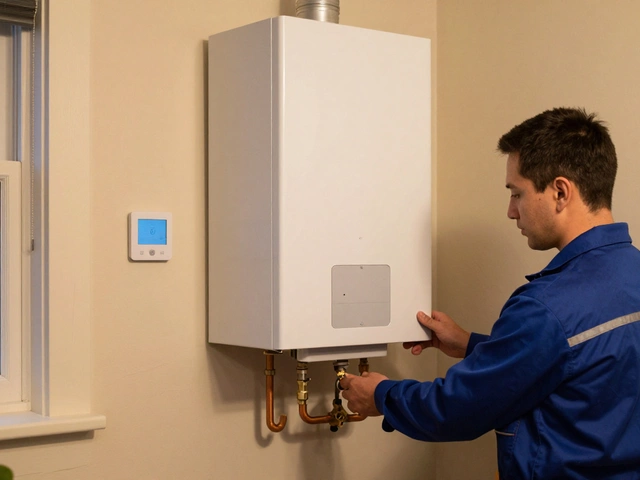
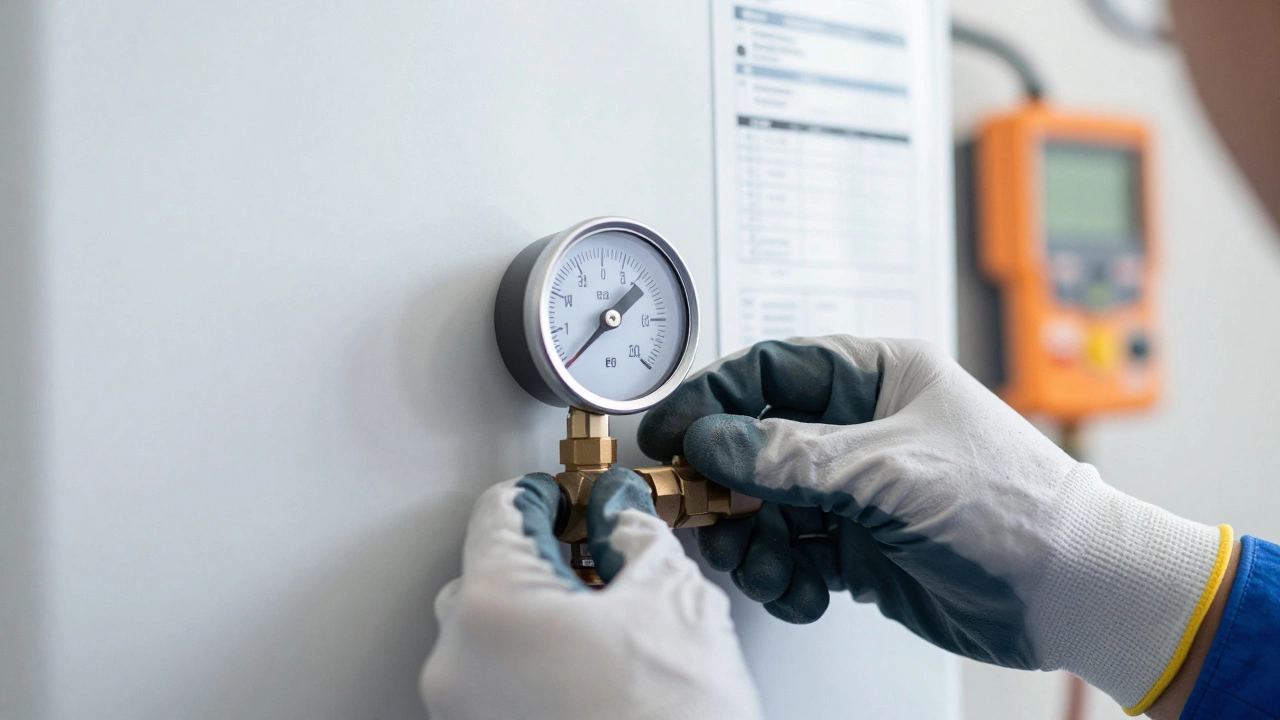
- Check the Pressure Gauge: Most modern boilers have a small dial showing pressure. It should be between 1 and 1.5 bar. If it’s below 1 bar, the boiler may lock out. You can often repressurize it using the filling loop (a flexible hose connecting two valves under the unit). Turn the valves slowly until the needle hits 1.2, then close them. Try turning the boiler back on.
- Reset the Unit: Look for a reset button (often a red button or a switch marked 'Reset'). Press it once. Wait a minute. See if it restarts. If it locks out again immediately, stop pressing it. You have an underlying fault that needs professional diagnosis.
- Check the Thermostat and Power: Sounds silly, but check if the thermostat is set to 'Heat' and not 'Off'. Check if the boiler has power. Is the display lit? If not, check your circuit breaker/fuse box. Did a trip happen elsewhere in the house?
If these steps don’t work, move to Step 3. Calling a professional is now necessary.
Step 3: Who Exactly Should You Call?
This is where most people make mistakes. They search "boiler repair near me" and click the first ad. That’s risky. Here is the hierarchy of who to call, ranked by reliability and safety.
| Provider Type | Best For... | Risk Level | Cost Estimate (AUD) |
|---|---|---|---|
| Manufacturer's Official Service | Newer units under warranty; complex electronic faults | Low | $150 - $300 (call-out fee) |
| Licensed Gas Fitter / HVAC Technician | General repairs, leaks, ignition failures | Low (if licensed) | $80 - $120 (call-out fee) |
| Emergency After-Hours Specialist | No heat/water at night or weekends | Medium (verify license!) | $200 - $400+ (premium rates) |
| Unlicensed Handyman | Never for gas/electrical work | High | Variable (often cheap, costly later) |
Understanding Australian Regulations vs. International Standards
If you’ve read advice from the UK, you’ll see references to "Gas Safe Register." In Australia, specifically in South Australia where I’m based in Adelaide, the terminology is different. There is no "Gas Safe" scheme here.
In Australia, you must hire a Licensed Gas Fitter or HVAC Technician who holds a current C-Gas ticket (for high-pressure gas) or L-Gas ticket (for low-pressure natural gas/LPG), depending on your supply type. In South Australia, this license is issued by Consumer and Business Services (CBS).
Step 4: How to Vet a Technician
Not all licensed technicians are created equal. Some are honest tradespeople; others are sales-driven sharks looking to upsell you on a new unit you don’t need yet. Here is how to protect yourself.
Questions to Ask Before Booking:
- "Are you licensed to work on [Natural Gas/LPG] systems in South Australia?" (Ask for their license number.)
- "What is your call-out fee, and does it include the first hour of labor?" (Hidden fees are common.)
- "Do you charge extra for parts mark-up?" (Some companies add 30-50% on top of part costs.)
- "Is the repair guaranteed?" (Look for at least a 6-month guarantee on parts and labor.)
Red Flags to Watch For:
- Door-to-door solicitors: If someone knocks on your door saying they saw your boiler venting smoke from the street, run. Legitimate engineers come by appointment.
- Refusal to provide a written quote: For major repairs or replacements, always get a fixed-price quote in writing before work begins.
- Pressure tactics: If they say, "This part is failing, we must replace it NOW or you’ll explode," pause. Unless it’s a gas leak, most mechanical failures allow time for a second opinion.
Step 5: What to Expect During the Repair
Once the technician arrives, stay involved. You don’t need to know engineering, but you should understand the process.
- Diagnosis: The tech will check error codes (if digital), test gas pressure, inspect the flue for blockages, and listen to the pump. This takes 15-30 minutes.
- Quote: They should explain the problem in plain English. "Your diverter valve is stuck" is better than "Unit code E4." They should give you a price for repair vs. replacement.
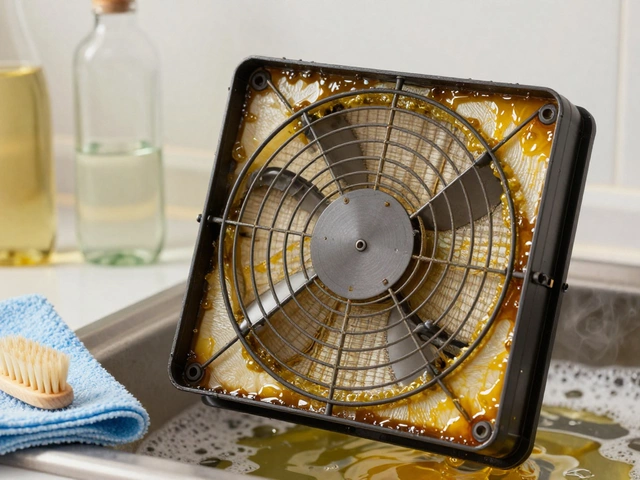
- Repair: Common fixes include replacing the thermocouple, cleaning the heat exchanger, or swapping a faulty fan. This usually takes 1-2 hours.
- Testing: They must test for gas tightness and ensure the flue gases are within safe limits. Ask to see the combustion analysis results.
Pro Tip: If your boiler is over 10-12 years old, ask the technician to evaluate its efficiency. An old boiler might be costing you hundreds of dollars a year in wasted energy. Sometimes, repairing an ancient unit is throwing good money after bad.
When to Replace Instead of Repair
There comes a point where repair doesn’t make sense. Use this rule of thumb:
The 50% Rule: If the cost of the repair is more than 50% of the cost of a new, efficient unit, consider replacement. New condensing boilers are significantly more efficient (90%+ AFUE) compared to older non-condensing models (70-80%).
Additionally, replace if:
- The heat exchanger is cracked (this is a major component and expensive to fix).
- You’re having frequent breakdowns (more than twice a year).
- The boiler makes loud banging noises (kettling), indicating severe limescale buildup that is hard to reverse.
Preventing Future Breakdowns
The best way to avoid asking "who do I call?" is to prevent the failure. Maintenance is key.
- Annual Servicing: Have a licensed technician service your boiler every year. In Australia, this is often overlooked but crucial for safety and warranty validity.
- Keep the Area Clear: Ensure nothing blocks the air intake or exhaust flue. Leaves, debris, or stored boxes can cause overheating and shutdowns.
- Monitor Pressure: Check the gauge monthly. Slow drops indicate a leak that needs fixing before it becomes a total loss of pressure.
- Install a Carbon Monoxide Detector: Place one near the boiler and in sleeping areas. Test it monthly. This is your last line of defense.
Adelaide-Specific Advice
Living in Adelaide, you face unique challenges. Our winters can be damp and cold, putting strain on older systems. Also, many homes here use LPG (bottled gas) rather than natural gas mains. LPG boilers require slightly different maintenance, particularly regarding condensate management and pressure regulation.
If you’re on LPG, ensure your tank has sufficient supply. A low tank level can sometimes cause erratic burner behavior. Contact your gas supplier (like AGA or local providers) to check levels if you suspect supply issues.
For residents in older heritage homes in suburbs like North Adelaide or Unley, be aware that flue routing can be tricky. If you’re installing a new unit, ensure the technician understands heritage conservation requirements for external modifications.
Frequently Asked Questions
It’s 7:00 AM on a Tuesday. You step out of the shower, shivering, because the water suddenly turned ice cold. Or worse, you walk into your living room and realize the heating hasn’t kicked in despite the thermostat being set to twenty degrees. Panic sets in. Who do you call if your boiler isn't working?
The short answer is: a qualified Gas Safe registered engineer. But before you dial that number, there are critical steps you need to take to ensure safety, save money, and get your home warm again as fast as possible.
This guide cuts through the noise. It tells you exactly who to contact, how to verify they are legitimate, what questions to ask, and when you can fix it yourself versus when you absolutely must call a pro. We’ll also cover the specific context for homeowners in Adelaide and across Australia, where terminology and regulations differ slightly from the UK or Europe.
Step 1: Safety First - Is This an Emergency?
Before you look up phone numbers, assess the situation. Not every boiler issue requires an immediate emergency call, but some do. Your safety depends on recognizing the difference.
Call emergency services (000 in Australia) immediately if:
- You smell gas. It often smells like rotten eggs due to added odorants.
- You hear hissing sounds coming from the appliance or pipework.
- You see visible flames outside the combustion chamber.
- You experience dizziness, nausea, headaches, or breathing difficulties while near the boiler. These are symptoms of carbon monoxide poisoning.
If any of these apply, evacuate the house, open windows if safe to do so, and call from outside. Do not touch electrical switches or light matches. Carbon monoxide is odorless, colorless, and deadly. Never gamble with it.
If none of these life-threatening signs are present, proceed to Step 2. You likely have a mechanical or electrical fault, not an imminent explosion risk.
Step 2: Can You Fix It Yourself? (The Quick Checks)
Many "broken" boilers aren't actually broken. They’re just confused, tripped, or low on pressure. Before paying for a technician visit, try these three simple checks. They solve about 40% of common calls.
- Check the Pressure Gauge: Most modern boilers have a small dial showing pressure. It should be between 1 and 1.5 bar. If it’s below 1 bar, the boiler may lock out. You can often repressurize it using the filling loop (a flexible hose connecting two valves under the unit). Turn the valves slowly until the needle hits 1.2, then close them. Try turning the boiler back on.
- Reset the Unit: Look for a reset button (often a red button or a switch marked 'Reset'). Press it once. Wait a minute. See if it restarts. If it locks out again immediately, stop pressing it. You have an underlying fault that needs professional diagnosis.
- Check the Thermostat and Power: Sounds silly, but check if the thermostat is set to 'Heat' and not 'Off'. Check if the boiler has power. Is the display lit? If not, check your circuit breaker/fuse box. Did a trip happen elsewhere in the house?
If these steps don’t work, move to Step 3. Calling a professional is now necessary.
Step 3: Who Exactly Should You Call?
This is where most people make mistakes. They search "boiler repair near me" and click the first ad. That’s risky. Here is the hierarchy of who to call, ranked by reliability and safety.
| Provider Type | Best For... | Risk Level | Cost Estimate (AUD) |
|---|---|---|---|
| Manufacturer's Official Service | Newer units under warranty; complex electronic faults | Low | $150 - $300 (call-out fee) |
| Licensed Gas Fitter / HVAC Technician | General repairs, leaks, ignition failures | Low (if licensed) | $80 - $120 (call-out fee) |
| Emergency After-Hours Specialist | No heat/water at night or weekends | Medium (verify license!) | $200 - $400+ (premium rates) |
| Unlicensed Handyman | Never for gas/electrical work | High | Variable (often cheap, costly later) |
Understanding Australian Regulations vs. International Standards
If you’ve read advice from the UK, you’ll see references to "Gas Safe Register." In Australia, specifically in South Australia where I’m based in Adelaide, the terminology is different. There is no "Gas Safe" scheme here.
In Australia, you must hire a Licensed Gas Fitter or HVAC Technician who holds a current C-Gas ticket (for high-pressure gas) or L-Gas ticket (for low-pressure natural gas/LPG), depending on your supply type. In South Australia, this license is issued by Consumer and Business Services (CBS).
Why this matters: Using an unlicensed person to work on a gas boiler is illegal in many jurisdictions and voids your insurance. If an unlicensed fitter causes a leak or fire, your home insurer will likely deny the claim. Always ask to see their license number before they start work.
Step 4: How to Vet a Technician
Not all licensed technicians are created equal. Some are honest tradespeople; others are sales-driven sharks looking to upsell you on a new unit you don’t need yet. Here is how to protect yourself.
Questions to Ask Before Booking:
- "Are you licensed to work on [Natural Gas/LPG] systems in South Australia?" (Ask for their license number.)
- "What is your call-out fee, and does it include the first hour of labor?" (Hidden fees are common.)
- "Do you charge extra for parts mark-up?" (Some companies add 30-50% on top of part costs.)
- "Is the repair guaranteed?" (Look for at least a 6-month guarantee on parts and labor.)
Red Flags to Watch For:
- Door-to-door solicitors: If someone knocks on your door saying they saw your boiler venting smoke from the street, run. Legitimate engineers come by appointment.
- Refusal to provide a written quote: For major repairs or replacements, always get a fixed-price quote in writing before work begins.
- Pressure tactics: If they say, "This part is failing, we must replace it NOW or you’ll explode," pause. Unless it’s a gas leak, most mechanical failures allow time for a second opinion.
Step 5: What to Expect During the Repair
Once the technician arrives, stay involved. You don’t need to know engineering, but you should understand the process.
- Diagnosis: The tech will check error codes (if digital), test gas pressure, inspect the flue for blockages, and listen to the pump. This takes 15-30 minutes.
- Quote: They should explain the problem in plain English. "Your diverter valve is stuck" is better than "Unit code E4." They should give you a price for repair vs. replacement.
- Repair: Common fixes include replacing the thermocouple, cleaning the heat exchanger, or swapping a faulty fan. This usually takes 1-2 hours.
- Testing: They must test for gas tightness and ensure the flue gases are within safe limits. Ask to see the combustion analysis results.
Pro Tip: If your boiler is over 10-12 years old, ask the technician to evaluate its efficiency. An old boiler might be costing you hundreds of dollars a year in wasted energy. Sometimes, repairing an ancient unit is throwing good money after bad.
When to Replace Instead of Repair
There comes a point where repair doesn’t make sense. Use this rule of thumb:
The 50% Rule: If the cost of the repair is more than 50% of the cost of a new, efficient unit, consider replacement. New condensing boilers are significantly more efficient (90%+ AFUE) compared to older non-condensing models (70-80%).
Additionally, replace if:
- The heat exchanger is cracked (this is a major component and expensive to fix).
- You’re having frequent breakdowns (more than twice a year).
- The boiler makes loud banging noises (kettling), indicating severe limescale buildup that is hard to reverse.
Preventing Future Breakdowns
The best way to avoid asking "who do I call?" is to prevent the failure. Maintenance is key.
- Annual Servicing: Have a licensed technician service your boiler every year. In Australia, this is often overlooked but crucial for safety and warranty validity.
- Keep the Area Clear: Ensure nothing blocks the air intake or exhaust flue. Leaves, debris, or stored boxes can cause overheating and shutdowns.
- Monitor Pressure: Check the gauge monthly. Slow drops indicate a leak that needs fixing before it becomes a total loss of pressure.
- Install a Carbon Monoxide Detector: Place one near the boiler and in sleeping areas. Test it monthly. This is your last line of defense.
Adelaide-Specific Advice
Living in Adelaide, you face unique challenges. Our winters can be damp and cold, putting strain on older systems. Also, many homes here use LPG (bottled gas) rather than natural gas mains. LPG boilers require slightly different maintenance, particularly regarding condensate management and pressure regulation.
If you’re on LPG, ensure your tank has sufficient supply. A low tank level can sometimes cause erratic burner behavior. Contact your gas supplier (like AGA or local providers) to check levels if you suspect supply issues.
For residents in older heritage homes in suburbs like North Adelaide or Unley, be aware that flue routing can be tricky. If you’re installing a new unit, ensure the technician understands heritage conservation requirements for external modifications.
How much does it cost to call a boiler repair technician in Australia?
Expect to pay between $80 and $120 for a standard call-out fee during business hours. This often includes the first 30-60 minutes of labor. Parts are charged separately. Emergency after-hours or weekend calls can range from $200 to $400 or more. Always ask for a fixed-price quote before authorizing work.
Can I fix my boiler myself if I'm handy?
You can perform basic checks like resetting the unit, checking pressure, and ensuring power is connected. However, any work involving gas lines, electrical components inside the casing, or combustion chambers must be done by a licensed gas fitter. DIY repairs on gas appliances are dangerous and illegal in many cases.
What is the difference between a Gas Safe engineer and an Australian licensed gas fitter?
"Gas Safe" is a UK-specific registration scheme. In Australia, there is no Gas Safe register. Instead, you must hire a technician with a valid state-issued license, such as a C-Gas or L-Gas ticket in South Australia. Always verify their local license number with your state's consumer affairs body.
My boiler keeps locking out. What does this mean?
Lockout is a safety feature. It means the boiler detected a fault (such as failure to ignite, overheating, or flame loss) and shut down to prevent danger. Resetting it temporarily might work, but if it locks out again, there is an underlying issue like a blocked flue, faulty sensor, or gas supply problem that requires professional diagnosis.
How long does a typical boiler repair take?
Simple repairs like replacing a thermocouple or cleaning a filter can take 30-60 minutes. More complex issues involving heat exchangers or control boards may take 2-4 hours. If special parts need to be ordered, the repair might span multiple days.