Appliance Description Builder
Follow the steps below to build a complete and accurate description. Check off each section as you complete it to see your progress.
- Core Identity Provided
- Symptoms Described
- Condition Noted
- Environment Included
Imagine calling a repair service and saying, "My white box in the kitchen is making a loud noise." The technician on the other end probably feels like they’re solving a riddle. Without specific details, you’re wasting both your time and theirs. Describing an appliance correctly isn’t just about being polite; it’s about getting the right part, the right advice, or the right replacement quickly.
Whether you are filing a warranty claim, buying a second-hand unit, or explaining why your fridge is leaking, the way you describe the machine matters. This guide breaks down exactly what information to include so that anyone reading or listening understands precisely what you have and what is wrong with it.
The Core Identity: Brand, Model, and Serial Number
Before you talk about symptoms, you need to establish who the appliance is. Think of this as the name tag. Most people know the brand, but many skip the Model Number is a unique alphanumeric code that identifies the specific design and version of a product. Why does this matter? Because a "Samsung Fridge" could be one of fifty different units with completely different internal layouts. One might use a compressor from Company A, while another uses a compressor from Company B. If you don't give the exact model, the technician might drive out with the wrong part, costing you an extra visit.
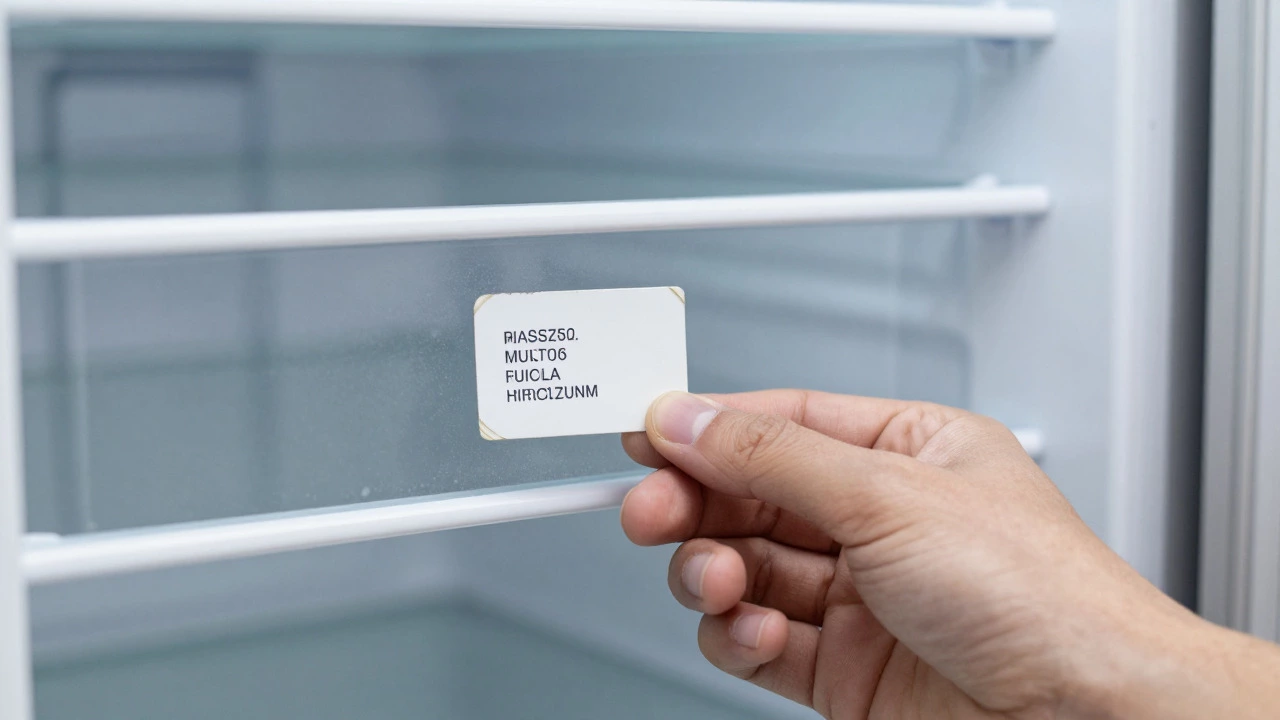
You can usually find these details on a sticker inside the appliance. For fridges and freezers, check the inner wall or behind the crisper drawers. For washing machines and dishwashers, look around the door hinge or inside the drum/tub. Ovens and hobs often have labels on the side panel or behind the control knobs. Write these down. Do not rely on memory. The serial number is also crucial for warranty checks, as it tells the manufacturer when the unit was built.
| Appliance Type | Common Label Locations | What to Record |
|---|---|---|
| Refrigerator / Freezer | Inner rear wall, behind drawers, top interior shelf | Brand, Model, Serial, Voltage (110V/240V) |
| Washing Machine | Door rim, inside detergent drawer, back panel | Brand, Model, Serial, Capacity (kg) |
| Dishwasher | Top rim of tub, door frame, side walls | Brand, Model, Serial, Cycle Count (if visible) |
| Oven / Cooker | Side panels, behind control knobs, bottom kickplate | Brand, Model, Gas/Electric Type, Installation Date |
Describing Physical Condition and Age
Once you’ve identified the machine, you need to set expectations regarding its age and physical state. An appliance is a mechanical object that wears down over time. Mentioning the year of purchase helps the listener gauge whether parts are still readily available. If you bought a high-end oven in 2015, parts might still exist. If you bought a budget microwave in 2008, finding a replacement magnetron might be impossible.
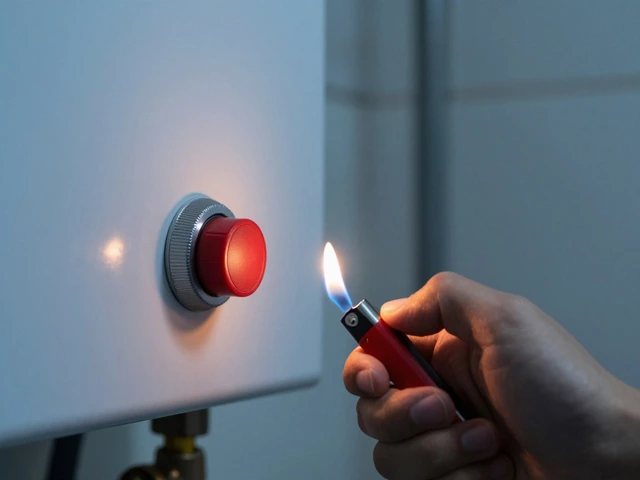
Beyond age, describe the physical integrity. Is there visible damage? A dent in the washing machine drum changes how you describe the vibration issues compared to a unit that has never been bumped. For gas appliances, note if the burner grates are rusted or if the ignition spark is weak. These visual cues help a technician diagnose potential safety hazards before they even arrive at your door. In Adelaide, where humidity can affect electronics, noting any condensation or corrosion on terminals is particularly relevant.
Articulating the Fault: What is Actually Wrong?
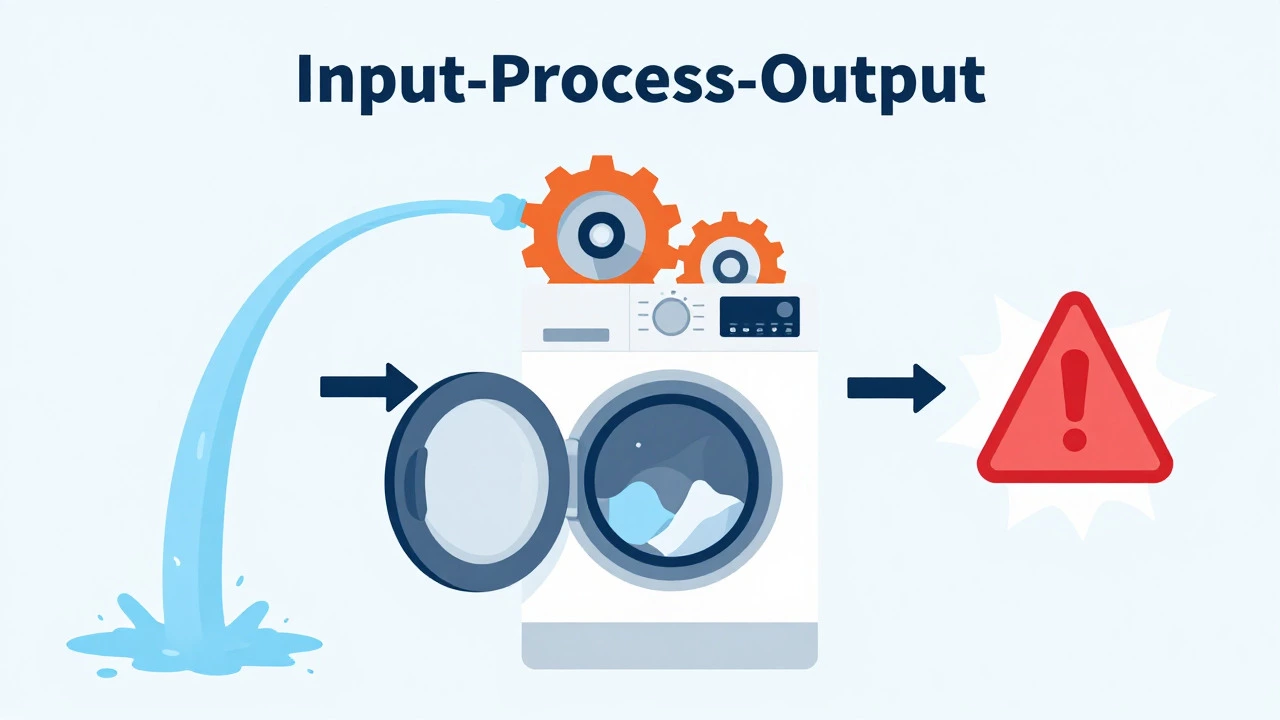
This is where most descriptions fail. People say "it's broken." But "broken" is not a symptom. You need to describe the behavior. Use the "Input-Process-Output" framework in your head. What did you do (Input)? What should happen (Expected Output)? What actually happens (Actual Output)?
Let’s look at concrete examples:
- Vague: "The washer won't spin."
- Specific: "The washer fills with water and agitates, but during the final spin cycle, it stops and the lid lock stays engaged for 30 minutes before error code E10 appears."
Notice the difference? The specific version gives the technician three clues: the fill system works, the agitation motor works, but the drain/spin mechanism or the lid switch is failing. Error codes are gold. Always write them down. They are direct links to the manufacturer's diagnostic manual. If the screen flashes "F5" or "E2," that is a precise map to the problem.
If there is no error code, describe the sounds. "A grinding noise" is better than "a bad noise." Is it a high-pitched squeal (often bearings or belts) or a low rumble (often a foreign object or pump)? Smells matter too. A burning smell indicates electrical overheating. A rotten egg smell suggests a sewage backup in the plumbing connected to the appliance.
Contextual Details: Installation and Environment
Appliances don't live in a vacuum. Their environment affects their performance. When describing an issue, briefly mention the setup. Is the washing machine balanced on uneven tiles? Is the fridge pushed against a hot wall? Is the dishwasher installed under a counter with poor ventilation?
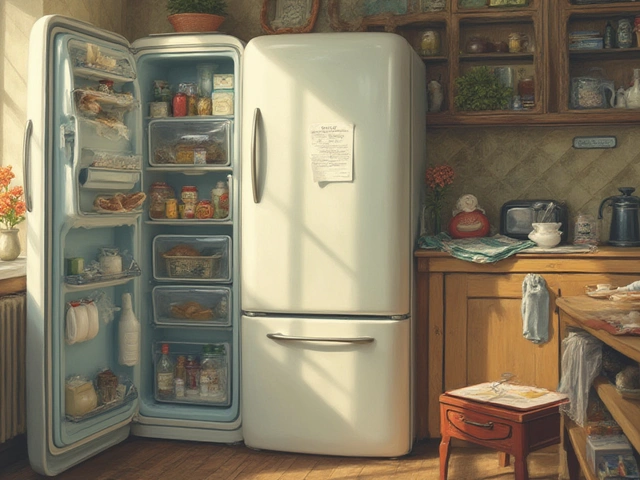
For example, if a refrigerator is not cooling properly, mentioning that it is located next to a stove that runs all day adds critical context. Heat buildup can cause the compressor to work harder and eventually fail. Similarly, if a tumble dryer isn't drying clothes, knowing that the exhaust vent is long and bends twice helps identify airflow restrictions. These environmental factors are part of the appliance's operational profile and must be included in a complete description.
Formatting Your Description for Clarity
When writing this information down for a service ticket, email, or online forum post, structure it logically. Don’t write a stream-of-consciousness paragraph. Use a standard format that technicians and sellers recognize instantly.
- Header: Brand, Model, Serial Number, Year of Purchase.
- Current Status: Working, Intermittent Failure, Complete Failure.
- Symptoms: Step-by-step account of what happens when you run it. Include error codes.
- Physical State: Any dents, leaks, burns, or wear marks.
- Environment: Location in the home, power supply type, installation quirks.
This structure ensures that nothing gets lost in translation. It allows the reader to scan for key data points quickly. If you are selling a used appliance, this same structure builds trust. Buyers want to know the history and current condition without asking ten follow-up questions.

Common Mistakes to Avoid
Even with good intentions, people make errors in appliance descriptions that lead to confusion. Here are the biggest pitfalls:
- Mixing up Model and Serial: The model number defines the design; the serial number defines the individual unit. Swapping them confuses inventory systems.
- Ignoring Voltage Specs: Especially important for imported goods or travel appliances. Specifying 110V vs 240V prevents dangerous mismatches.
- Overlooking Accessory Packs: If a hob is missing a burner cap or a fridge is missing a gasket, note it. Missing parts change the cost of repair significantly.
- Assuming Symptoms Are Causes: Saying "the capacitor is bad" is a diagnosis, not a description. Say "the fan doesn't start, only spins when nudged." Let the expert diagnose.
Avoid using jargon unless you are sure the listener understands it. Instead of "the solenoid valve is sticking," say "the water stops flowing halfway through the wash cycle." Simple language is more universally understood and less prone to misinterpretation.
Why Accurate Descriptions Save Money
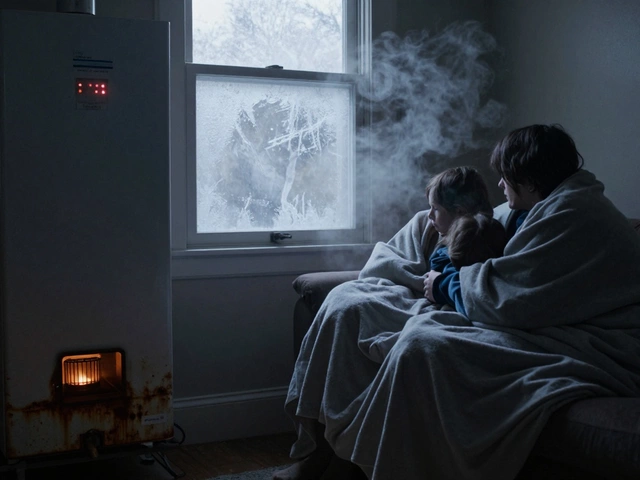
In the world of Appliance Service is the professional maintenance and repair of household machinery to ensure optimal performance and longevity., time is money. Every minute a technician spends guessing what you mean is a minute billed to you. By providing a precise, structured description, you reduce the likelihood of incorrect parts orders, unnecessary site visits, and prolonged downtime. It transforms a frustrating interaction into a professional transaction. Whether you are dealing with a stubborn boiler or a silent fridge, the quality of your description directly impacts the speed and cost of resolution.
Where is the model number usually located on a washing machine?
On most modern washing machines, the model and serial numbers are found on a sticker inside the door rim, behind the detergent dispenser drawer, or on the back panel near the top corner. Check the user manual if the label is worn off.
Do I need to list every single feature of the appliance when describing it?
No. Focus on identification (brand/model), age, current fault, and physical condition. Extra features like "steam function" or "Wi-Fi enabled" are only relevant if they are part of the problem or if you are selling the unit.
What if the error code disappears before I can write it down?
Keep a phone nearby. Many error codes flash briefly. If it disappears, try to replicate the action that caused it immediately after resetting the machine. Alternatively, check the user manual for common intermittent faults related to the symptoms you observed.
Is it important to mention the voltage rating when describing an appliance?
Yes, especially for imported devices or older models. In Australia, standard household voltage is 240V. If you have a 110V device from overseas, specifying this prevents incorrect transformer recommendations or safety risks.
How detailed should my description be for a second-hand sale?
Be honest and specific. List the brand, model, age, and any known defects. Include photos of the label and any damage. Transparency reduces buyer anxiety and speeds up the sale process.