Oven Repair Decision Tool
Step 1: What type of oven do you have?
This determines the baseline safety protocols required.
Step 2: What is the main problem?
Select the symptom that best describes the issue.
Step 3: Additional Details
Please confirm the details below.
Assessment Result
Recommended Action:
Is your oven refusing to heat up, or is the temperature fluctuating wildly while you're trying to bake a Sunday roast? It’s tempting to grab a screwdriver and tackle the problem yourself. After all, watching a YouTube tutorial feels like enough preparation for most household repairs these days. But when it comes to electric oven repair, fixing heating elements, thermostats, and electrical connections in domestic ovens, the stakes are significantly higher than fixing a leaky tap or replacing a door hinge.
The short answer is: yes, you can repair some parts of your own oven, but only if you strictly follow safety protocols and know exactly which components are safe to touch. For many common issues-like a broken door seal or a faulty light bulb-you don’t need a professional. However, dealing with high-voltage wiring, gas lines, or complex control boards requires specialized tools and knowledge that go beyond basic DIY skills. In Adelaide, where summer heatwaves push our appliances to their limits, knowing the difference between a quick fix and a dangerous mistake can save you from serious injury or costly damage.
Understanding the Risks of DIY Oven Repair
Before you even think about opening the back panel of your oven, you need to understand what you’re dealing with. An electric oven a kitchen appliance that uses electricity to generate heat for cooking operates at voltages that can be lethal. Unlike a washing machine or a fridge, an oven stores energy in capacitors and maintains high temperatures even after being turned off. Residual heat can burn you, and live wires can shock you.
One of the biggest misconceptions is that unplugging the oven makes it safe. While disconnecting power is the first step, some modern ovens have electronic controls that retain charge. Additionally, if your home has a hardwired connection rather than a plug, simply turning off the switch at the wall might not be enough if there’s any chance of accidental re-energization. You must isolate the circuit at the main distribution board (fuse box) and use a voltage tester to confirm zero energy before touching anything.
Another risk is voiding your warranty. Most major brands like Bosch German multinational engineering company known for home appliances, Samsung South Korean multinational electronics corporation, or LG South Korean multinational conglomerate require certified technicians for internal repairs. If you strip the casing or tamper with the internal wiring, they may deny coverage for future issues. Always check your user manual before starting any work.
What You Can Safely Fix Yourself
Not every oven issue requires a technician. There are several low-risk tasks that homeowners can handle without special training. These fixes usually involve external components or non-electrical parts.
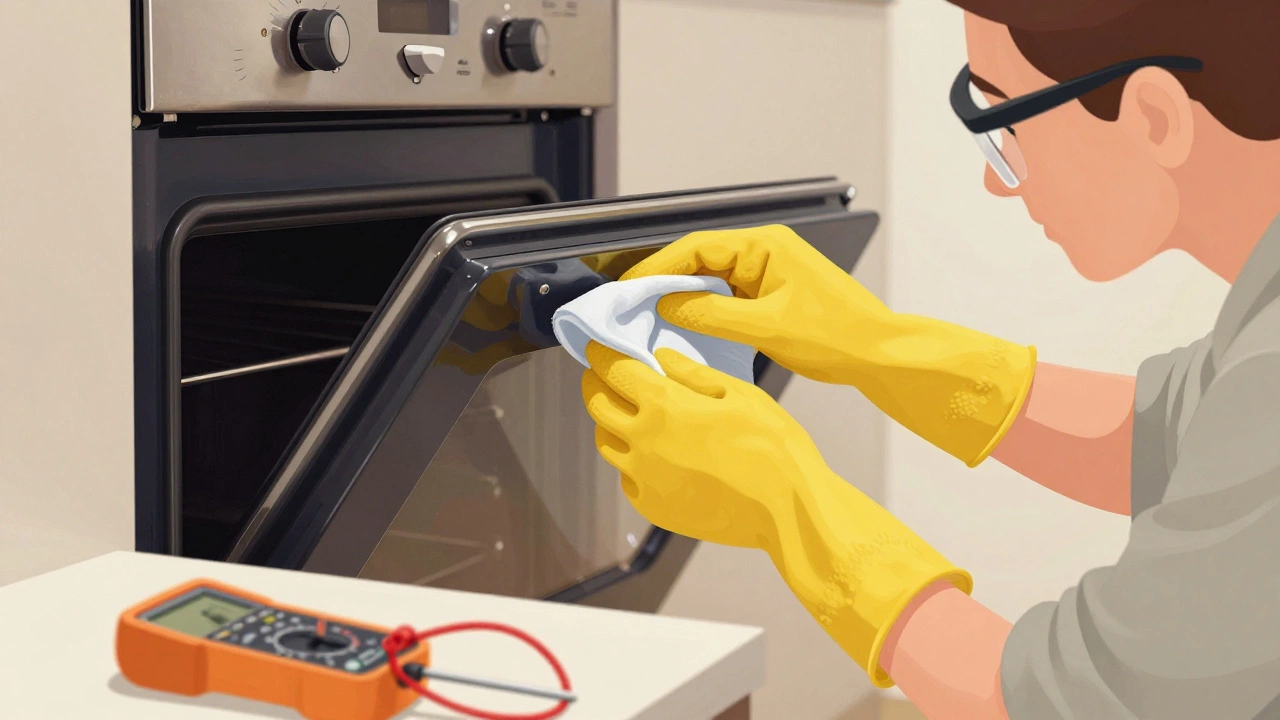
- Cleaning the Door Seals: Over time, grease and food debris build up on the rubber gasket around the oven door. This prevents the door from sealing tightly, causing heat loss and inefficient cooking. Simply wipe the seals with warm soapy water and a soft cloth. Avoid abrasive cleaners that could damage the rubber.
- Replacing the Oven Light: If your interior light burns out, you can usually replace it yourself. First, ensure the oven is cool and disconnected from power. Remove the glass cover carefully (it’s often fragile), unscrew the old bulb, and install a new one rated for high temperatures (usually halogen or LED). Check your manual for the correct wattage.
- Tightening Loose Knobs or Handles: Wobbly knobs or loose door handles are often just a matter of tightening screws. Use the appropriate screwdriver size to avoid stripping the heads. If a knob falls off, align it with the spindle and press firmly until it clicks into place.
- Checking the Power Supply: Sometimes the problem isn’t the oven at all. Check if other appliances on the same circuit are working. Reset any tripped breakers in your fuse box. Ensure the plug is securely inserted if your oven is plug-in type.
These tasks are straightforward and carry minimal risk. They also help you determine if the issue is more complex than it appears. If cleaning the seals doesn’t improve heating efficiency, or if resetting the breaker doesn’t restore power, it’s time to look deeper-or call a pro.
When to Call a Professional Technician
There are clear signs that your oven needs professional attention. Ignoring these warnings can lead to fire hazards, carbon monoxide poisoning (for gas ovens), or complete appliance failure.
| Symptom | Likely Cause | Risk Level | Action Required |
|---|---|---|---|
| Burning smell or smoke | Electrical short, melted insulation, or foreign object | High | Stop use immediately; call technician |
| Oven won’t heat at all | Failed heating element, thermostat, or relay | Medium-High | Professional diagnosis recommended |
| Error codes on display | Control board malfunction or sensor fault | Medium | Consult manual; likely needs tech |
| Uneven cooking or hot spots | Broken fan, misaligned element, or calibration issue | Low-Medium | Can attempt self-check; otherwise call pro |
| Gas odor (for gas ovens) | Leak in gas line or burner assembly | Very High | Evacuate area; contact emergency gas service |
If your oven displays error codes, refer to the manufacturer’s troubleshooting guide. Codes like “E1” or “F5” often indicate specific sensor failures that require replacement parts and recalibration. Attempting to bypass these errors by forcing the oven to operate can cause further damage.
In Adelaide, finding a reliable technician is easier than you might think. Look for licensed electricians or appliance specialists who hold certifications from bodies like Energy Safe Victoria regulatory body overseeing electrical safety in Victoria, Australia (note: South Australia uses Energy Safe SA South Australian regulatory authority for electrical and gas safety). Always ask for proof of insurance and references before hiring someone.
Step-by-Step Guide to Basic Oven Diagnostics
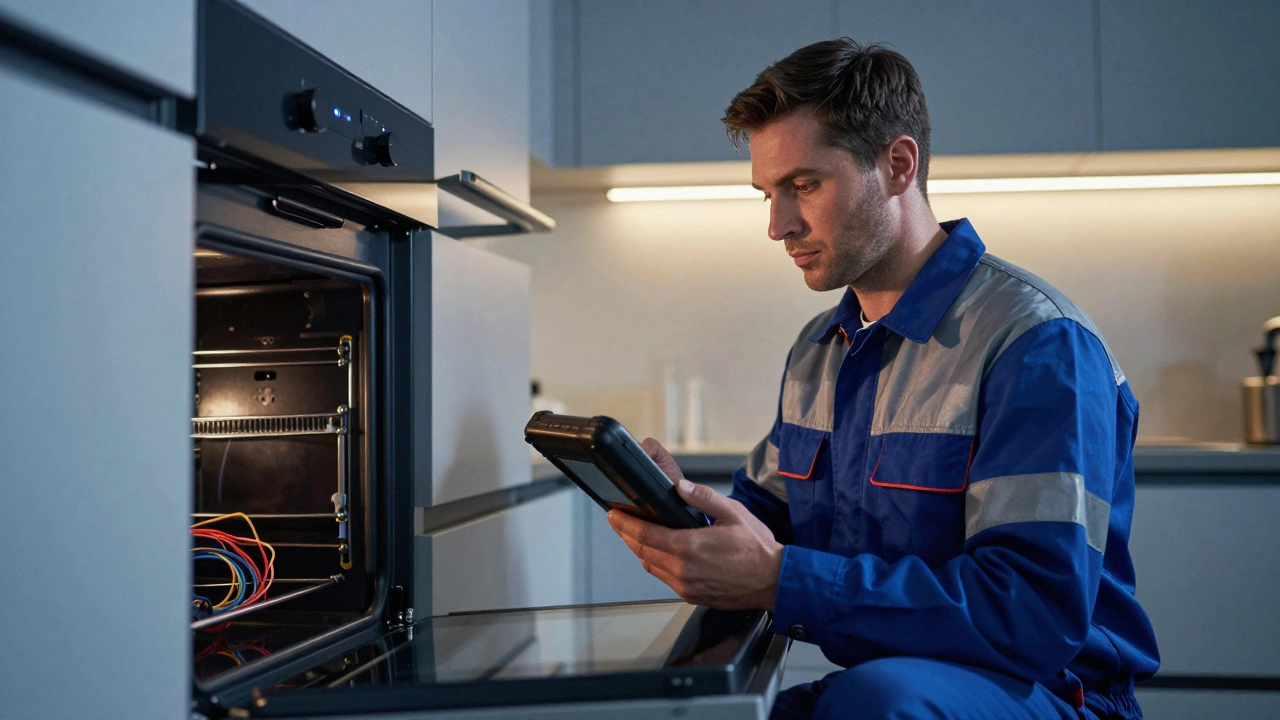
If you want to narrow down the problem before calling a pro, here’s a safe diagnostic process. Remember: never open the back panel unless you’ve confirmed zero voltage.
- Visual Inspection: Look inside the oven cavity. Are there visible breaks in the heating elements? Do they glow evenly when heated? A broken coil will show a gap or dark spot.
- Test the Thermostat: Set the oven to 180°C and use an independent oven thermometer to check the actual temperature. If it’s off by more than 20°C, the thermostat may be faulty.
- Check the Door Switch: The oven should stop heating when the door opens. If it continues to run, the door switch is defective. This is a safety hazard and needs immediate repair.
- Listen for Unusual Noises: Humming, buzzing, or clicking sounds can indicate failing relays or loose connections. Note when the noise occurs (during preheat, during cooking, etc.).
- Inspect the Control Panel: If buttons are unresponsive or the display flickers, the control board may be damaged. Moisture or spills can cause corrosion over time.
Document your findings. Take photos of any damage and write down error codes. This information will help the technician diagnose the issue faster and potentially reduce labor costs.
Cost Comparison: DIY vs. Professional Repair
Money is often the driving factor behind DIY decisions. Let’s break down the real costs involved.
A professional oven repair in Adelaide typically ranges from $150 to $300 for standard issues like element replacement or thermostat adjustment. Complex problems involving control boards or gas valves can cost $400-$600. Parts are usually included in this price, but labor rates vary by provider.
If you choose DIY, you’ll pay only for parts. A heating element costs $30-$80, a thermostat $40-$100, and a door switch $20-$50. However, you must factor in tool costs (multimeter, screwdrivers, pliers) and the value of your time. More importantly, consider the potential cost of mistakes. A wrong wire connection can fry the entire control board ($200+ part alone) or start an electrical fire.
For older ovens (over 10 years), repair costs may approach the price of a new unit. Modern ovens offer better energy efficiency and features. In such cases, replacement might be smarter than repeated repairs.
Safety Precautions Before Starting Any Repair
If you decide to proceed with a minor repair, follow these non-negotiable safety steps:
- Disconnect Power: Turn off the circuit breaker at the main panel. Label it “DO NOT TOUCH” to prevent others from switching it on accidentally.
- Verify Zero Energy: Use a multimeter or voltage tester on the terminals inside the oven to confirm no current is flowing.
- Wear Protective Gear: Gloves protect against sharp edges and residual heat. Safety glasses shield your eyes from dust or debris.
- Work in a Dry Environment: Never repair an oven near water sources. Keep the floor dry and clear of clutter.
- Have a Fire Extinguisher Nearby: Class C extinguishers are designed for electrical fires. Know how to use one before you start.
Never work alone if possible. Having someone nearby ensures help is available if something goes wrong.
Is it legal to repair my own oven in Australia?
Yes, it is legal to perform minor repairs on your own oven, such as cleaning, replacing bulbs, or adjusting settings. However, any work involving electrical wiring, gas lines, or internal components must comply with local regulations. In South Australia, only licensed electricians can perform certain electrical works. Unauthorized modifications may violate safety standards and void insurance claims.
How much does it cost to repair an electric oven in Adelaide?
Average repair costs in Adelaide range from $150 to $300 for common issues like heating element replacement or thermostat calibration. Complex repairs involving control boards or gas systems can exceed $500. Prices vary depending on the brand, model, and urgency of the service.
Can I replace the heating element myself?
Technically, yes-but it’s risky. Replacing a heating element involves disconnecting high-voltage wires and removing internal panels. If done incorrectly, it can cause electrical shorts or fire hazards. Only attempt this if you have experience with electrical work and proper tools. Otherwise, hire a qualified technician.
What should I do if my oven smells like burning plastic?
Turn off the oven immediately and unplug it. A burning plastic smell indicates melting insulation or wiring, which poses a serious fire risk. Do not attempt to locate the source yourself. Contact a professional technician right away. If smoke is visible, evacuate the area and call emergency services.
How often should I service my oven?
Annual servicing is recommended for heavy-use ovens, especially those used daily for baking or roasting. Regular cleaning helps prevent buildup that affects performance. For gas ovens, annual checks by a certified technician are crucial to detect leaks or combustion issues early.