Microwave Magnetron Diagnostic Tool
Select the symptoms you are experiencing with your microwave below to determine if the magnetron is likely the culprit.
Analyzing...
Please select symptoms and run the diagnostic.
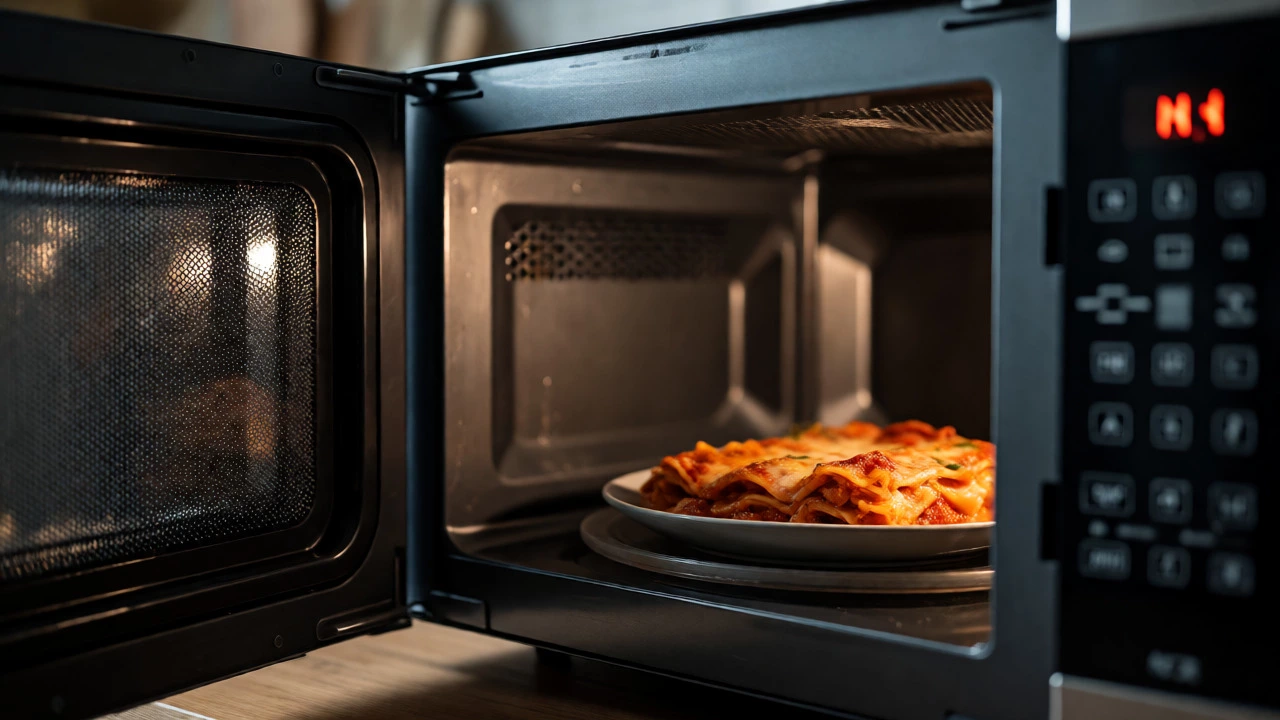
You put your leftover lasagna in the microwave, hit start, and watch the turntable spin. The light is on. The fan is humming. But when you open the door two minutes later, the cheese is still cold and hard. It’s frustrating, right? Before you assume the whole appliance is dead or call a technician for a $150 service fee, you need to know what’s actually happening inside that metal box. In most cases where a microwave runs but doesn’t heat, the culprit is the magnetron, which is the vacuum tube component that generates microwaves by converting high-voltage electricity into electromagnetic radiation. Knowing the specific signs of a failing magnetron can save you time, money, and a trip to the store.
What Exactly Is a Magnetron?
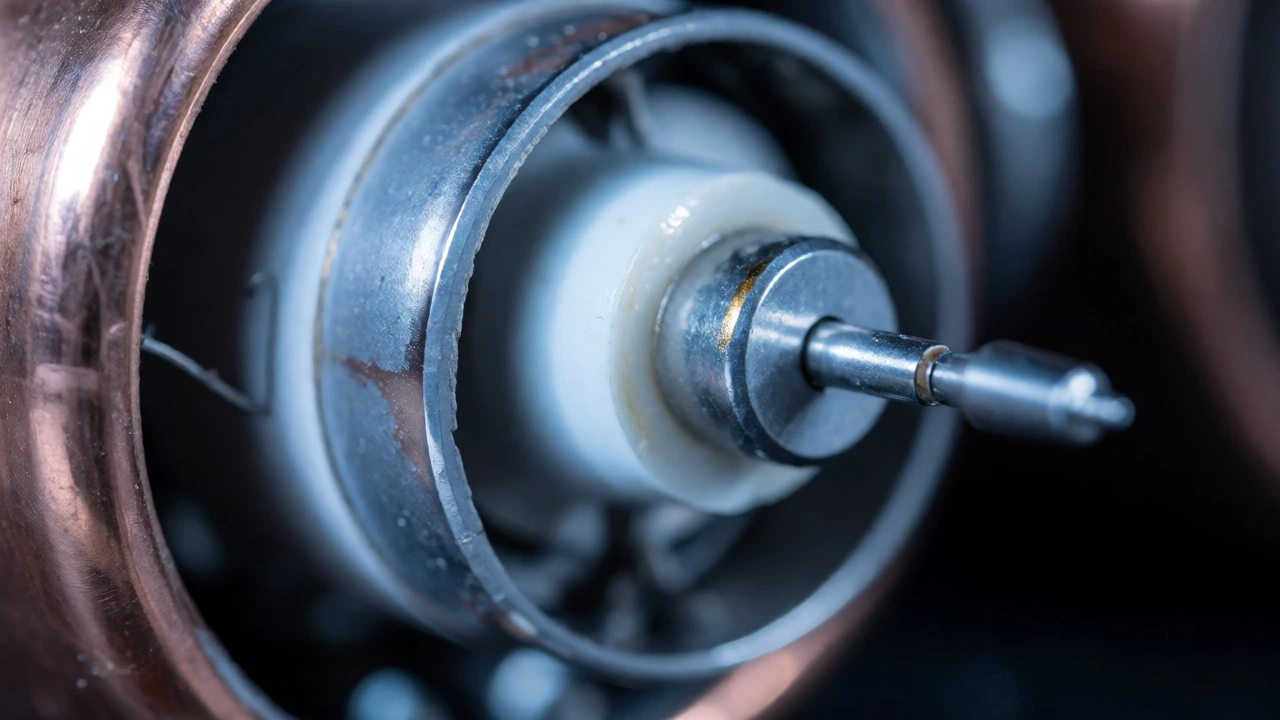
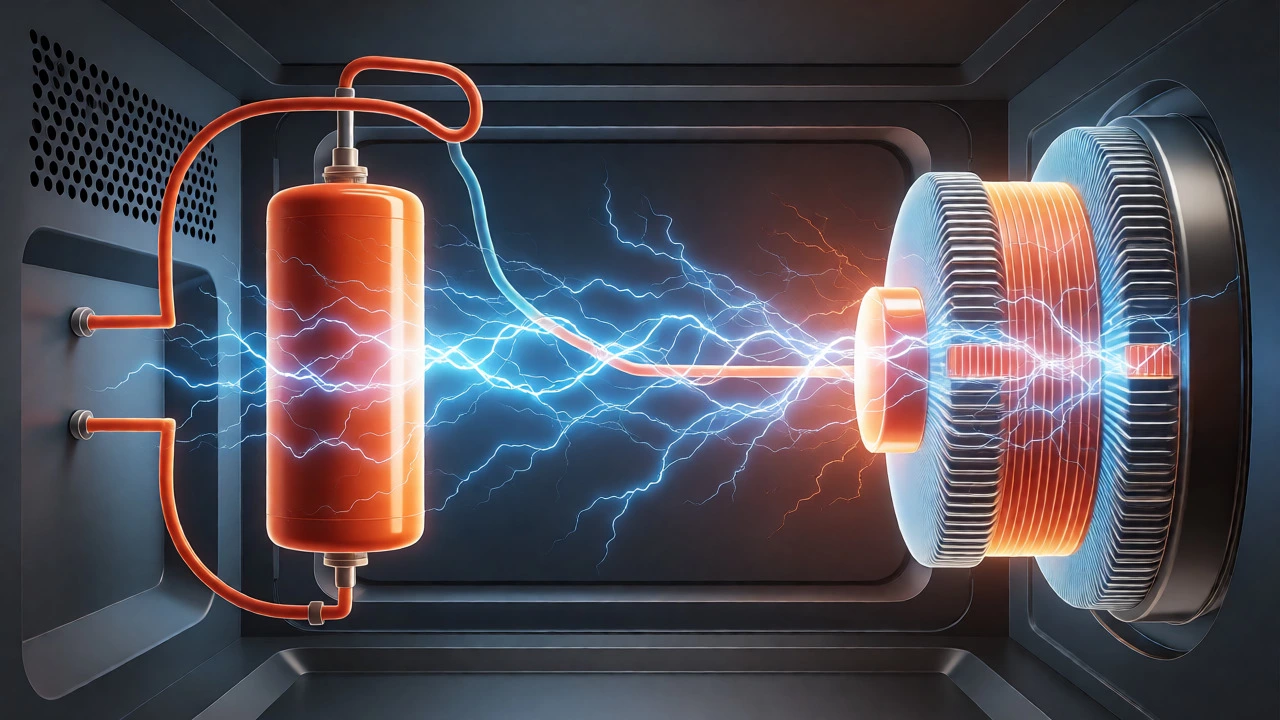
To understand why it fails, you have to understand what it does. Think of the magnetron as the engine of your microwave. Unlike a standard light bulb that just glows, this device uses a heated cathode and a magnetic field to shoot electrons around in a circle. When these electrons hit the resonant cavities inside the tube, they produce microwaves. These waves bounce around the metal cavity and agitate water molecules in your food, creating heat through friction. If the magnetron stops producing those waves, your microwave becomes nothing more than a noisy, spinning box with a bright light. It’s a sealed unit, usually made of copper and ceramic, designed to last about 8 to 10 years under normal household use. But like any high-stress electrical component, it has a lifespan.
The Primary Symptom: Cold Food Despite Running Sounds
The most obvious sign-and the one that triggers 90% of searches for "bad magnetron symptoms"-is the disconnect between operation and result. Your microwave completes its cycle. The timer counts down. The plate rotates. You hear the hum. Yet, the interior temperature of your food hasn’t changed. This happens because the low-voltage circuits (power supply, control board, motor) are working fine, but the high-voltage system responsible for generating heat has failed.
How do you distinguish this from other issues? Try the "water test." Place a cup of water in the center of the turntable and run the microwave on high for one minute. If the water remains lukewarm or cold, the magnetron isn’t generating energy. If the water gets hot but your frozen dinner stays cold, you might have a different issue, like a weak capacitor or a diode problem, though a dying magnetron often causes uneven heating before total failure.
Noise Changes: Humming, Buzzing, or Grinding
A healthy magnetron makes a steady, low-frequency hum. It’s background noise you tune out. A sick magnetron changes its song. Listen closely during operation. Do you hear a loud buzzing sound that vibrates the counter? That’s often a sign of internal arcing within the tube itself. As the vacuum seal degrades or the antenna corrodes, electricity jumps across gaps it shouldn’t, creating audible sparks and irregular noises.
Sometimes, you’ll hear a grinding or rattling sound. This can be tricky because a bad turntable motor also grinds. Here’s how to tell them apart: pause the microwave halfway through the cycle. If the grinding stops immediately when the high-voltage circuit cuts off, it’s likely the magnetron or the high-voltage diode. If the noise continues while the turntable keeps spinning (on some models), it’s the motor. Also, if the hum gets significantly louder over time, even if it still heats, the magnetron is struggling and nearing the end of its life.
Burning Smell and Visible Damage
Smell is a powerful diagnostic tool here. If you open the microwave and catch a sharp, acrid odor resembling burning plastic or ozone, stop using it immediately. This smell often comes from the magnetron’s antenna cap-the small piece at the tip of the waveguide that touches the cooking chamber. Over time, grease splatters can accumulate there. If not cleaned, this carbon buildup creates a conductive path, causing arcing. The arc burns the antenna cap, which then overheats the magnetron tube.
Look inside the cooking cavity. On the right-hand side (usually), there’s a rectangular hole covered by a mica sheet. Pull out the turntable and inspect this area. If you see black scorch marks, holes, or a burnt-looking patch on the mica cover, the magnetron’s antenna is likely damaged. While replacing the cheap mica sheet ($5 part) might fix minor arcing, deep burn marks on the metal wall behind it indicate the magnetron itself is compromised. In severe cases, you might see physical cracks on the ceramic body of the magnetron if you were to remove the outer casing, but you rarely need to go that far to spot the external symptoms.
Tripping the Circuit Breaker
Does your microwave blow a fuse or trip the home circuit breaker every time you try to heat something? This is a classic sign of a shorted magnetron. Inside the tube, if the filament breaks or the insulation fails, it creates a direct short circuit. The high-voltage transformer tries to push massive current through this short, drawing way more amperage than the circuit can handle. The breaker trips to prevent a fire.
If your microwave trips the breaker instantly upon pressing "Start," the problem is almost certainly in the high-voltage chain: the magnetron, the high-voltage diode, or the capacitor. Since the magnetron is the most expensive and common failure point in this scenario, it’s the first suspect. Note: Never reset the breaker repeatedly without unplugging the microwave first; you risk damaging the wiring or starting a fire.
Uneven Heating and Hot Spots
Before a magnetron dies completely, it often acts up. You might notice that the edges of your soup are boiling while the center is ice-cold. Or perhaps your popcorn only pops on one side of the bag. This inconsistency suggests the magnetron is losing power output. It’s no longer generating a consistent field strength. The waves are being produced, but they’re weak or erratic.
This phase can last weeks or months. Some people tolerate it by stirring food more frequently. However, a weakening magnetron puts extra strain on the high-voltage transformer and capacitor, which can lead to catastrophic failure of those components too. If you find yourself constantly rotating plates mid-cycle to get even heat, your magnetron is likely on its last legs.
| Symptom | Likely Cause: Bad Magnetron | Likely Cause: High-Voltage Diode/Capacitor | Likely Cause: Control Board/Motor |
|---|---|---|---|
| Food stays cold | Yes (Primary) | Yes | No (Usually heats) |
| Loud buzzing/grinding | Yes (Internal Arcing) | Rarely | Yes (Motor grind) |
| Trips Breaker | Yes (Short Circuit) | Yes | No |
| Burning Smell | Yes (Antenna Cap) | No | No |
| Display works | Yes | Yes | No (Often blank) |
Is It Worth Replacing the Magnetron?
Here’s the practical reality check. A new magnetron costs between $30 and $60 depending on the model. Labor, if you hire a pro, adds another $80-$120. So, a repair totals roughly $120-$180. A brand-new countertop microwave costs $80-$150. For older units (over 7 years old), replacement is often smarter. Why? Because other parts (door switches, capacitors) are also aging. Fixing the magnetron might just mean the capacitor blows next month.
However, if you have a built-in microwave or a high-end model costing $400+, repairing the magnetron makes financial sense. Just ensure you discharge the high-voltage capacitor before touching anything inside. That capacitor stores enough charge to kill you, even when unplugged. If you’re not comfortable with that, stick to diagnosing via symptoms and let a professional handle the swap.
Can I test my magnetron myself?
Yes, but it requires caution. Unplug the microwave and discharge the high-voltage capacitor. Remove the outer cover and locate the magnetron. Disconnect the two high-voltage leads. Use a multimeter set to resistance (Ohms). Measure across the two terminals of the filament. A good reading is typically less than 1 Ohm (often near zero). If it reads infinite resistance (OL), the filament is broken, and the magnetron is dead. Note: This test checks continuity but doesn't guarantee the tube produces microwaves under load, so a passing test doesn't rule out all magnetron failures.
Why does my microwave make a sparking noise?
Sparking is usually caused by arcing between the magnetron's antenna and the mica waveguide cover. Grease buildup on the antenna tip conducts electricity, jumping to the metal wall. Clean the antenna cap with rubbing alcohol and replace the mica sheet. If the antenna itself is pitted or burned, the magnetron needs replacement. Never run the microwave empty, as this concentrates energy and damages the magnetron.
How long do magnetrons last?
Under average residential use (heating 2-3 times daily), a magnetron typically lasts 8 to 10 years. Heavy commercial use drastically reduces this to 1-3 years. Factors like running the microwave empty, poor ventilation, or frequent surges shorten the lifespan. If your microwave is under 5 years old and showing symptoms, check warranty coverage before paying for repairs.
Is a bad magnetron dangerous?
A failing magnetron can be dangerous if it causes excessive arcing, which may damage the cavity walls or start a small fire due to accumulated grease igniting. Additionally, if the shielding is compromised, there is a theoretical risk of microwave leakage, though modern ovens have safety interlocks. The biggest immediate danger is electrical shock from the high-voltage capacitor if you attempt DIY repair without discharging it properly.
Do all microwaves use the same magnetron?
No. Magnetrons vary by wattage (600W, 700W, 1000W, etc.), mounting style, cooling fins, and connector type. You must match the exact specifications of the original part. Using an incompatible magnetron can cause improper fitting, overheating, or insufficient heating. Always bring the old magnetron to the store or use the exact model number of your microwave to order replacements.