
Boiler Service Cost vs. Savings Calculator
Enter Your Details
5-Year Financial Projection
| Scenario | Total 5-Year Cost |
|---|---|
|
Safe
Serviced Annually
Includes service fees + optimized energy bills |
$0 |
|
Risk
Neglected System
Energy waste + repairs + potential warranty loss |
$0 |
Your boiler is the heart of your home's heating system, but it’s also a complex machine burning fuel under pressure. Skipping annual maintenance might save you a few hundred dollars in the short term, but the hidden costs pile up fast. In Adelaide, where winters can be surprisingly cold and dry, a neglected unit doesn’t just risk breaking down-it becomes a potential hazard.
Most homeowners think a boiler only needs attention when it stops working. That’s a dangerous myth. A boiler that runs silently isn’t necessarily running safely. Carbon monoxide leaks, rising energy bills, and voided warranties are the silent killers of unserviced systems. Let’s look at exactly what goes wrong inside that metal box when you ignore the service schedule.
The Silent Killer: Carbon Monoxide Risks
The most immediate and severe risk of an unserviced boiler is carbon monoxide (CO) poisoning. This colorless, odorless gas is produced by incomplete combustion. When a boiler is dirty or damaged, the burners don’t mix air and gas efficiently. Instead of clean exhaust, you get toxic fumes.
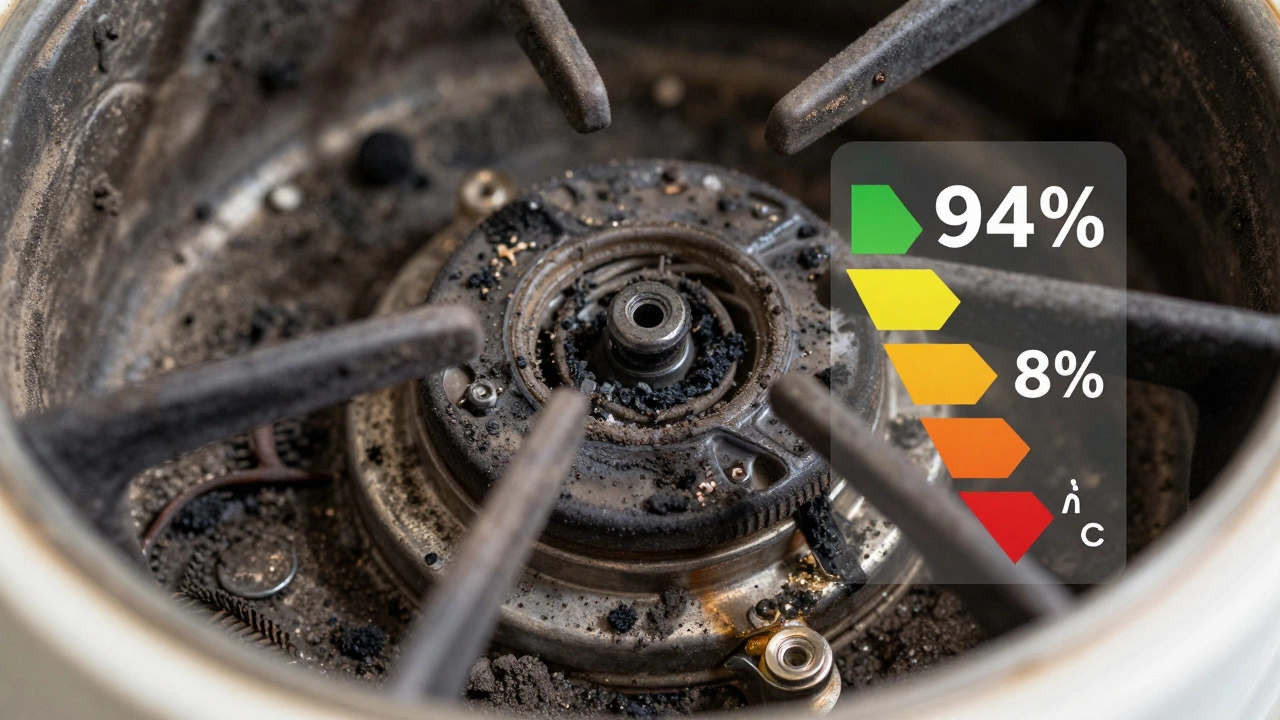
Over time, soot builds up on the heat exchanger. This layer acts like insulation, trapping heat where it shouldn’t be. The components overheat, cracks form, and CO escapes into your living space. You won’t smell it. You won’t see it. Symptoms mimic the flu-headaches, dizziness, nausea-but they hit everyone in the house at once.
In Australia, strict regulations govern gas appliances because these incidents happen more often than people admit. A simple annual check includes testing for CO emissions with a flue gas analyzer. Without this test, you’re guessing if your home is safe.
Why Your Energy Bills Are Skyrocketing
If your heating bill has jumped without you changing habits, your boiler is likely working overtime to produce less heat. Efficiency drops significantly when internal parts aren’t cleaned.
Consider the burner assembly. Dust, lint, and debris from the surrounding environment get sucked into the intake vents. This clogs the nozzles, forcing the gas valve to work harder to maintain temperature. An efficient modern condensing boiler operates at around 90-94% efficiency. Neglect can drop that figure to below 80%. That means nearly a quarter of the gas you pay for is vented straight out the chimney instead of warming your rooms.
In practical terms, if your average winter bill is $300, poor efficiency could add $50-$70 to that total every month. Over three years, that’s hundreds of dollars wasted-far exceeding the cost of two or three professional services.
| Expense Category | Serviced Annually | Neglected System |
|---|---|---|
| Maintenance Fees | $1,500 ($300 x 5) | $0 |
| Energy Waste Cost | $0 | $1,800 (estimated) |
| Emergency Repairs | $0 (prevented) | $600 - $1,200 |
| Total Estimated Cost | $1,500 | $2,400 - $3,000+ |
Voiding Your Warranty: The Hidden Trap
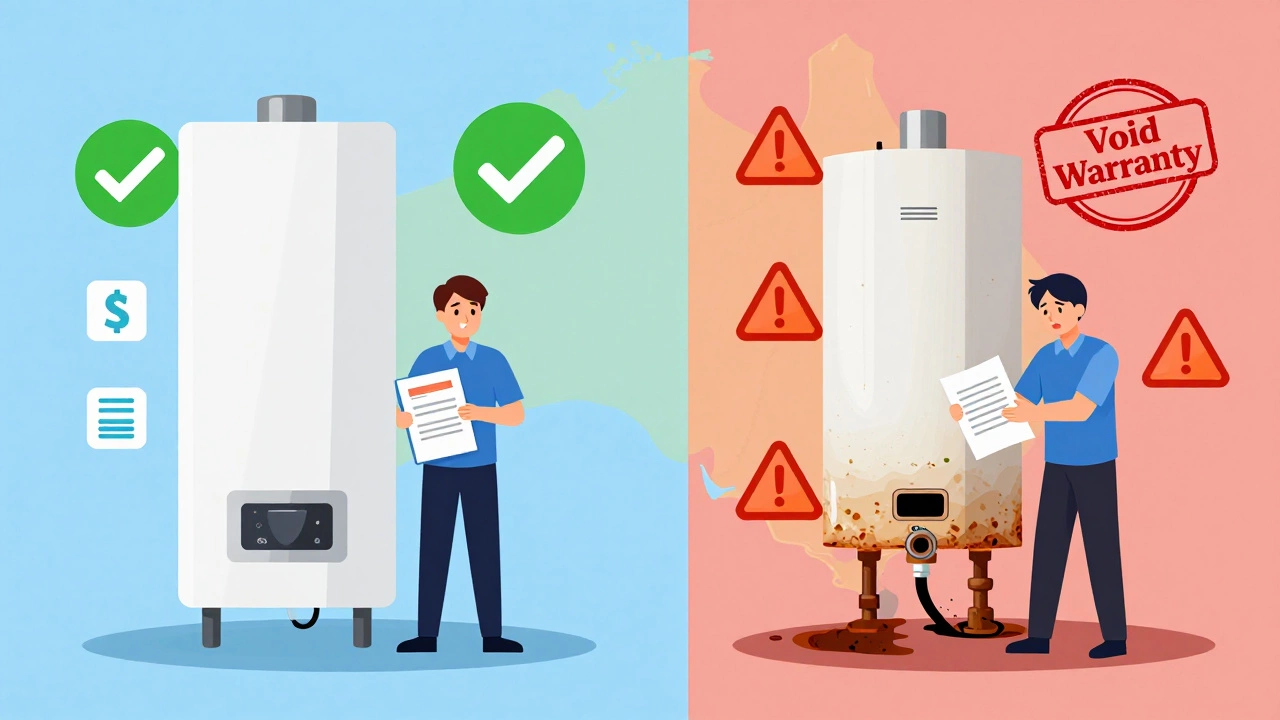
Many manufacturers, including major brands like Bosch, Vaillant, and Rinnai, require proof of annual servicing to keep the warranty valid. It’s not just fine print; it’s a legal contract. If your heat exchanger fails after four years and you can’t show a service log, the manufacturer will deny the claim.
Heat exchangers are expensive components. Replacing one can cost between $1,500 and $2,500 depending on the model. Paying $300 a year for service protects that larger investment. Think of the service receipt as insurance paperwork. Without it, you’re paying full price for failures that should have been covered.
In Adelaide, many local plumbers offer digital service records. These logs track pressure checks, safety valve tests, and combustion analysis. Keep these documents handy. When a part breaks, the first question the insurer or manufacturer asks is: "Was it maintained?"
Frequent Breakdowns and Emergency Call-Outs
A boiler is a network of moving parts: pumps, valves, motors, and sensors. Each component wears down with use. Regular servicing catches small issues before they become catastrophic failures.
For example, a worn-out seal on the pump might drip slightly. A technician spots this during a routine visit and replaces the seal for $50. Ignore it, and the pump seizes up. Now you need a new pump, plus labor charges for an emergency call-out. Emergency repairs in South Australia often carry a premium rate, especially on weekends or holidays.
Common failure points in neglected units include:
- Condensate pipe blockages: Debris causes backups, triggering safety shut-offs.
- Pressure loss: Leaks go unnoticed until the system won’t pressurize.
- Ignition faults: Dirty electrodes fail to spark, leaving you without heat.
These aren’t rare glitches. They are predictable outcomes of dirt and wear. Preventative maintenance smooths out the lifespan of the appliance, whereas neglect leads to sudden, inconvenient deaths of the system.
Noise and Performance Issues
Does your boiler sound like a jet engine taking off? Or does it kettling-a rumbling noise similar to boiling water? These sounds are warnings. Kettling happens when limescale builds up on the heat exchanger. Water gets trapped behind the scale, overheats, and turns to steam bubbles. The popping noise is those bubbles collapsing.
This process damages the metal internally. Micro-cracks develop, leading to leaks. Once a heat exchanger leaks, the boiler usually needs replacement. Limescale is particularly common in areas with hard water. While Adelaide’s water quality varies, indoor plumbing traps minerals regardless of source. Flushing the system annually removes this buildup before it causes structural damage.
How Often Should You Service Your Boiler?
The standard recommendation is once a year. However, usage patterns matter. If you rely on your boiler for hot water and heating all year round, stick to the annual schedule. If it’s only used occasionally in winter, some technicians suggest every 18 months, but annual checks remain the safest bet for warranty compliance.
Timing is also key. Don’t wait until the first frost hits. Book your service in late summer or early autumn. This ensures your system is ready for peak demand and avoids booking delays during high-season rushes.
What Does a Professional Service Include?
A proper service isn’t just a visual inspection. A qualified Gas Safe registered engineer (or equivalent licensed plumber in Australia) performs specific tasks:
- Visual Inspection: Checking for corrosion, leaks, or loose connections.
- Combustion Analysis: Using a digital meter to ensure gas burns cleanly and efficiently.
- Component Cleaning: Removing soot from burners and checking the fan motor.
- Safety Check: Testing pressure relief valves and flame detection sensors.
- System Pressure: Adjusting water pressure to optimal levels (usually 1-1.5 bar).
After the service, you should receive a certificate detailing the readings. This document is crucial for insurance claims and property sales.
Can I service my own boiler?
No, you should not attempt to service a gas boiler yourself. Gas appliances require specialized tools and training to handle safely. Incorrect adjustments can lead to carbon monoxide leaks or fire hazards. Only licensed professionals should perform internal maintenance.
How much does a boiler service cost in Adelaide?
In Adelaide, a standard annual boiler service typically costs between $150 and $300 AUD. Prices vary based on the brand, age of the unit, and whether additional minor repairs are needed during the visit.
What are the signs my boiler needs immediate attention?
Look for yellow flames instead of blue, unusual noises like banging or whistling, frequent pressure drops, soot marks around the unit, or condensation on windows indicating poor ventilation. If you suspect a gas leak, evacuate and call emergency services immediately.
Will skipping one year of service really matter?
While one missed year might not cause immediate failure, it starts a cycle of neglect. Dirt accumulates faster each year. More importantly, missing even one year can void your manufacturer's warranty, leaving you liable for expensive repairs later.
Does boiler servicing improve heating speed?
Yes. A clean heat exchanger transfers heat more effectively. You’ll notice radiators getting hot faster and your home reaching the desired temperature quicker, which also reduces overall gas consumption.