Fridge Troubleshooting Diagnostic Tool
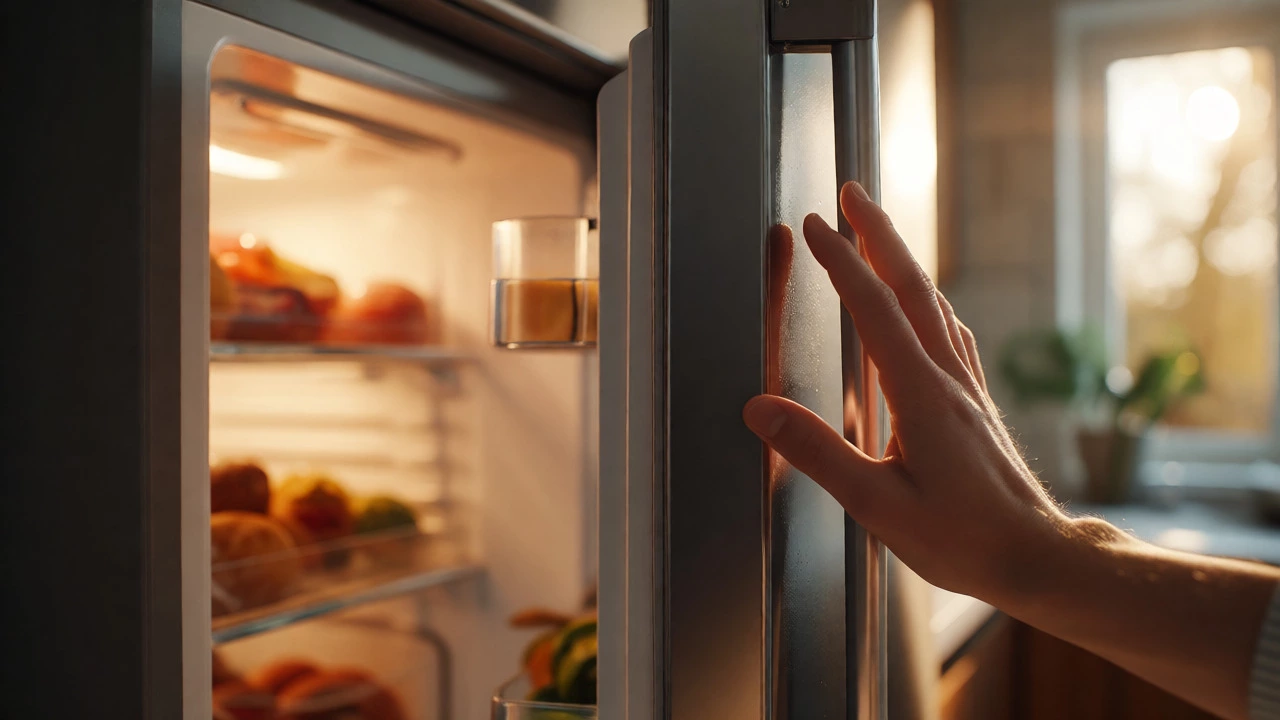
Before checking internal components, ensure the fridge is actually receiving power.
Diagnosis
Recommended Actions:
You’re halfway through making dinner when you notice something is off. The milk tastes warm. The ice cream has lost its firmness. You open the door, expecting that familiar hum of cold air, but there’s silence-or worse, a weird clicking noise coming from the back. It happens to almost everyone eventually: the fridge suddenly stops working. It feels like an emergency because your food is at risk, but before you panic and call for a technician, take a breath. Most sudden fridge failures aren’t catastrophic; they are often simple fixes or minor component glitches.
This guide walks you through exactly why this happens and what you can do about it right now in Adelaide’s variable climate. We’ll look at power issues, cooling failures, and mechanical breakdowns, helping you decide if you can fix it yourself or if you need professional help.
Check the Power Supply First
It sounds too simple to be true, but nearly 30% of "dead" fridges are just unplugged or have a tripped breaker. Before assuming the motor burned out, check the obvious stuff.
- The Plug: Did someone accidentally kick the plug out while moving a box? Is the outlet itself working? Try plugging a lamp into the same socket to test it.
- Circuit Breaker: Go to your switchboard. Look for any switches that have flipped to the "Off" position. A fridge draws a lot of current when starting up, which can sometimes trip a sensitive breaker.
- GFCI Outlets: If your kitchen outlets have reset buttons (common in newer builds), press the "Reset" button. These safety devices cut power if they detect a ground fault.
If the lights inside the fridge work but it’s not cooling, the issue isn’t power supply-it’s the cooling system. But if the interior light is dead too, you definitely have a power delivery problem.
Dirty Condenser Coils Are Killing Your Efficiency
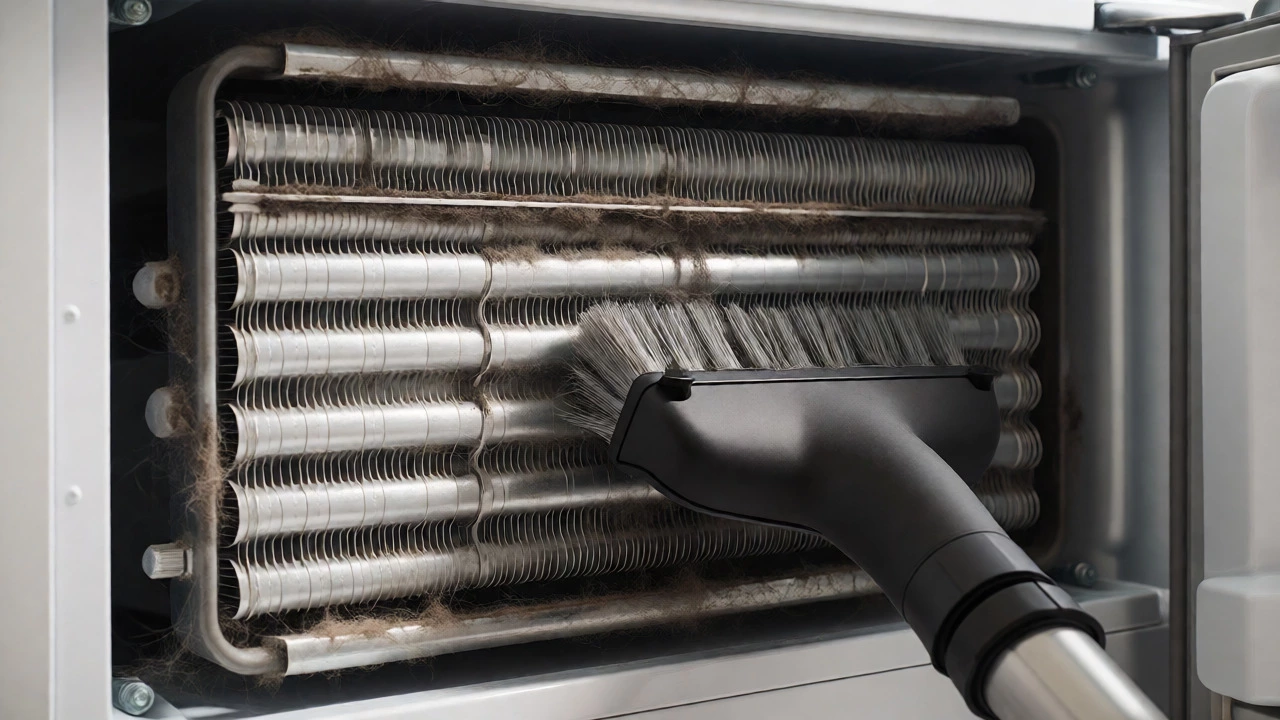
Here is a fact many homeowners ignore: condenser coils are the heat exchangers of your refrigerator. They release the heat pulled from inside the fridge into your kitchen. When these coils get covered in dust, pet hair, and grease, they can’t release heat efficiently.
Think of it like trying to run a marathon wearing a wool sweater in summer. The compressor works harder and harder to push heat out, eventually overheating and shutting down to protect itself. This often looks like a sudden stop because the fridge might cool fine for weeks, then gradually struggle until it quits entirely.
To fix this:
- Pull the fridge away from the wall carefully.
- Locate the coils (usually at the bottom front behind a grille, or on the back panel).
- Use a vacuum cleaner with a brush attachment to remove loose debris.
- For stubborn grime, use a coil cleaning brush or compressed air.
In dusty homes or houses with shedding pets, clean these every six months. In cleaner environments, once a year is usually enough.
The Defrost System Has Failed
If your freezer is working perfectly but the fresh food compartment below is warm, you likely have a defrost system failure. Modern fridges are frost-free, meaning they automatically melt ice buildup using a heater. If this cycle breaks, ice accumulates on the evaporator coils, blocking airflow.
| Component | Function | Symptom of Failure |
|---|---|---|
| Defrost Heater | Melts ice off coils | Ice buildup visible on back wall |
| Defrost Thermostat | Turns heater on/off based on temp | Heater runs continuously or never turns on |
| Defrost Timer/Control Board | Initiates the defrost cycle | Fridge stays in cooling mode forever |
You can often spot this issue by looking at the back wall of the freezer section. If you see thick frost or ice clumps, the defrost cycle isn't running. Sometimes, simply manually defrosting the unit (unplugging it for 24 hours with doors open) will temporarily fix it, but the problem will return unless the faulty part is replaced.
Compressor Issues: The Heart Attack of the Fridge
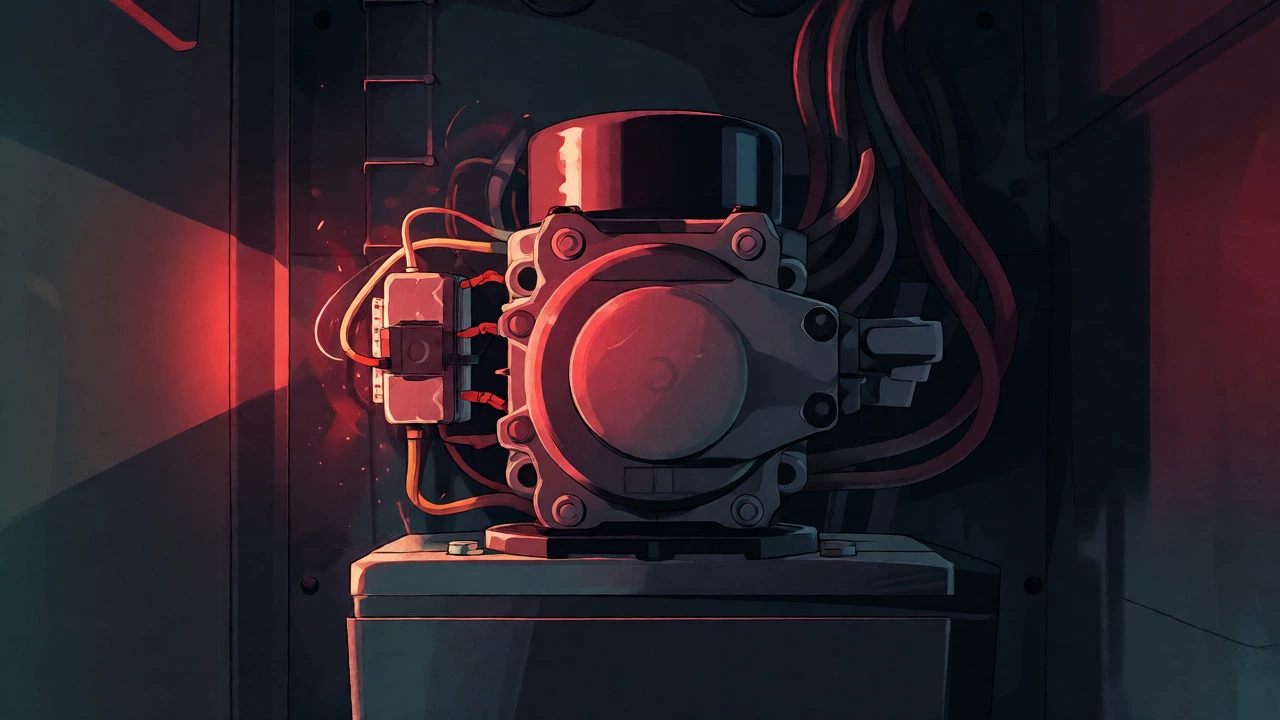
The compressor is the pump that circulates refrigerant. It’s the heart of the system. If you hear a loud humming sound that starts and stops repeatedly, or a distinct "click-clack" followed by silence, the compressor might be struggling to start.
This is often caused by a faulty start relay or overload protector. These small electrical components sit on the side of the compressor. When they fail, the compressor tries to start, fails, heats up, clicks off, cools down, and tries again. This cycle wastes energy and stresses the motor.
Replacing a start relay is one of the cheapest repairs you can do-often under $50 for parts. However, if the compressor itself is seized (it doesn't move at all when tapped gently while powered), replacement is expensive. For older fridges, buying a new unit is often more cost-effective than replacing a compressor.
Airflow Blockages and Fan Failures
Cold air needs to move. If the evaporator fan (inside the freezer) or the condenser fan (near the coils) stops spinning, hot air gets trapped or cold air doesn't circulate.
Listen closely. Do you hear the fans running? If the compressor is humming but no air is blowing out of the vents inside, the evaporator fan might be blocked by ice (see defrost section above) or have a burnt-out motor. If the back of the fridge is extremely hot to the touch, the condenser fan might be stuck due to dirt or bearing failure.
A quick tip: Check if anything is blocking the vents inside the fridge. Overpacking shelves can restrict airflow, causing uneven temperatures. Rearrange your groceries so air can flow freely from the freezer section down to the fresh food compartment.
Thermostat Calibration Errors
Sometimes the fridge is working, but the brain is confused. The thermostat senses the internal temperature and tells the compressor when to turn on or off. If this sensor drifts or fails, it might think the fridge is cold enough when it’s actually 10°C warmer than it should be.
Try adjusting the temperature dial. Turn it to the coldest setting. Wait four hours. If the temperature drops significantly, the old setting was just too high for the current ambient kitchen temperature. In Australia, where kitchen temps can spike during heatwaves, your fridge may need to work harder than usual. Consider lowering the setting slightly during summer months.
When to Call a Professional
You’ve checked the power, cleaned the coils, looked for ice, and listened to the fans. Still nothing? Here is when you need a pro:
- Refrigerant Leak: If the fridge runs constantly but never gets cold, you might have low refrigerant levels. Only licensed technicians can handle refrigerants legally and safely.
- Electrical Burns: Smell burning plastic or see black marks on wires? Stop using the fridge immediately. This is a fire hazard.
- Control Board Failure: If none of the lights work, the display is flickering, or buttons don’t respond, the main control board might be fried. This requires diagnostic tools to confirm.
Remember, attempting to fix electrical components without proper knowledge can void warranties or cause injury. If you aren’t comfortable working with capacitors or wiring, leave it to the experts.
Preventing Future Sudden Stops
Most fridge failures are preventable with basic maintenance. Here’s your checklist:
- Clean Coils: Every 6-12 months.
- Check Door Seals: Test the gaskets monthly. Close the door on a piece of paper. If you pull it out easily, the seal is weak, letting warm air in and forcing the compressor to overwork.
- Don’t Overload: Leave space between items for air circulation.
- Keep it Full-ish: An empty fridge cycles more frequently. Keep water bottles in the freezer to add thermal mass, stabilizing temperature swings.
A fridge stopping suddenly is stressful, but it’s rarely a mystery. By systematically checking power, cleanliness, and mechanical components, you can often diagnose the issue yourself. And if you can’t, you’ll have valuable information to give your repair technician, saving time and money.
How long does a fridge typically last?
The average lifespan of a modern refrigerator is between 10 and 15 years. High-end models with built-in features may last longer, while budget models might fail sooner. Age is a significant factor in sudden failures, as components wear out over time.
Can I fix a fridge myself?
Yes, for basic issues like dirty coils, faulty door seals, or a bad start relay. However, tasks involving refrigerant lines, compressors, or complex electronics require specialized tools and certification. Always unplug the appliance before attempting any repair.
Why is my fridge running but not cooling?
This is commonly caused by dirty condenser coils, a failed evaporator fan, or a blocked air vent. It could also indicate a refrigerant leak or a faulty compressor. Start by cleaning the coils and checking for ice buildup on the back wall of the freezer.
Is it worth repairing an old fridge?
If the repair cost exceeds 50% of the price of a new fridge, replacement is usually better. Also, consider energy efficiency. Newer models use significantly less electricity, which can offset the purchase cost over several years, especially given rising energy prices in Australia.
What causes a fridge to make a clicking noise?
A repetitive clicking noise often indicates a failing start relay or overload protector on the compressor. The compressor attempts to start, fails, clicks off, and repeats the cycle. Replacing the relay is a common and relatively inexpensive fix.