Electric Oven Diagnostic Checker
Choose the symptom that best describes your oven's current behavior.
Did You Know?
Temperature inconsistency is the most common problem with electric ovens, often caused by a faulty thermostat or degraded door seals rather than expensive control boards.
Quick Tip
Always disconnect power at the circuit breaker before attempting any internal inspection or repair.
There is nothing quite as frustrating as preheating your electric oven is a kitchen appliance that uses electricity to generate heat for cooking and baking for thirty minutes only to open the door and find it lukewarm. Or worse, you pull out a perfectly timed roast, only to discover one side is burnt while the other is raw. If you are dealing with inconsistent temperatures or an oven that simply refuses to turn on, you are not alone. Temperature inconsistency is widely considered the most common problem with electric ovens, but it is rarely the only issue homeowners face.
While many people assume these issues require a complete replacement, the reality is often much simpler. Most electric oven failures stem from a few specific components: faulty thermostats, worn-out heating elements, or degraded door seals. Understanding these common problems can save you hundreds of dollars in unnecessary service calls and help you decide whether a quick DIY fix is possible or if you need professional assistance.
The Root Cause: Why Temperature Inconsistency Happens
When we talk about the "most common" problem, we are usually talking about temperature control. An electric oven relies on a delicate balance between heat generation and heat retention. If either part of that equation fails, your cooking suffers. The primary culprit behind this inconsistency is often the thermostat is a sensor that monitors internal temperature and signals the heating element to turn on or off.
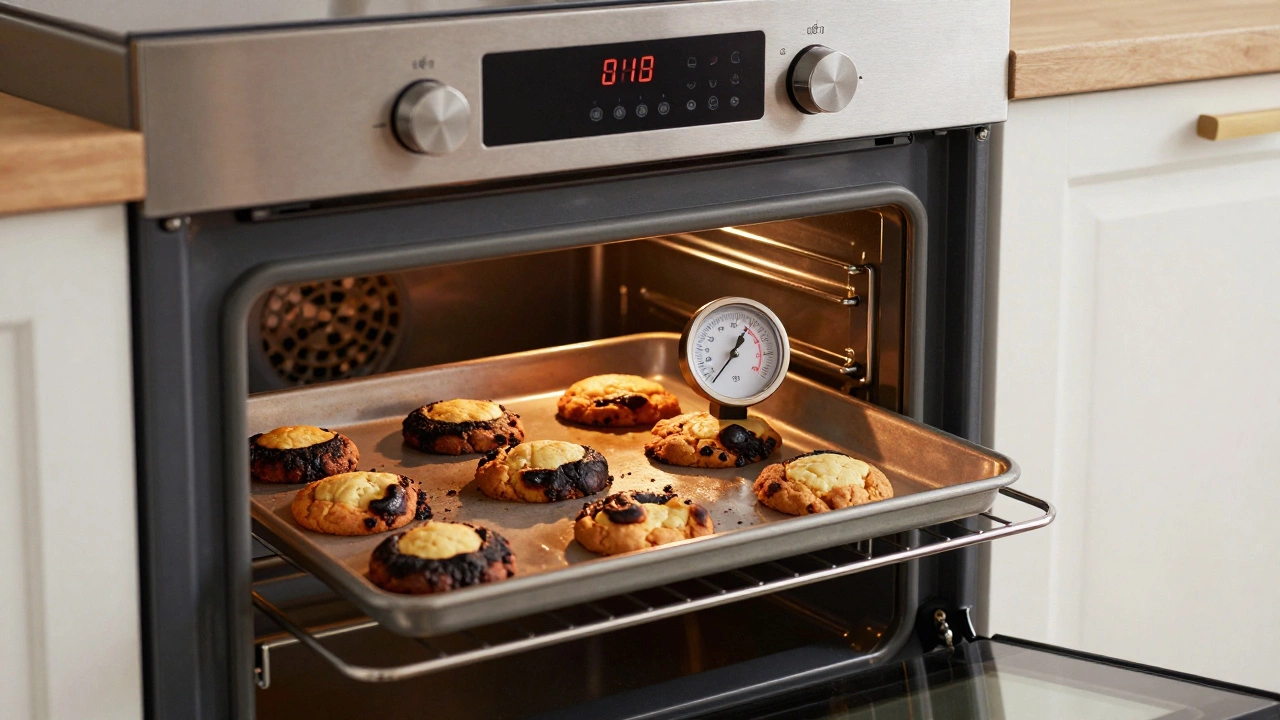
Over time, the bimetallic strip inside the thermostat can lose its calibration. This means the oven might think it has reached 180°C when it is actually only at 150°C, or vice versa. You might notice this when your cookies burn on the bottom but remain doughy in the middle, or when your meat thermometer reads significantly different than the oven display. Before calling a technician, try using an independent oven thermometer. Place it in the center of the oven and let it sit for twenty minutes after preheating. If there is a variance of more than 10-15 degrees, your thermostat likely needs recalibration or replacement.
Faulty Heating Elements: The Silent Failures
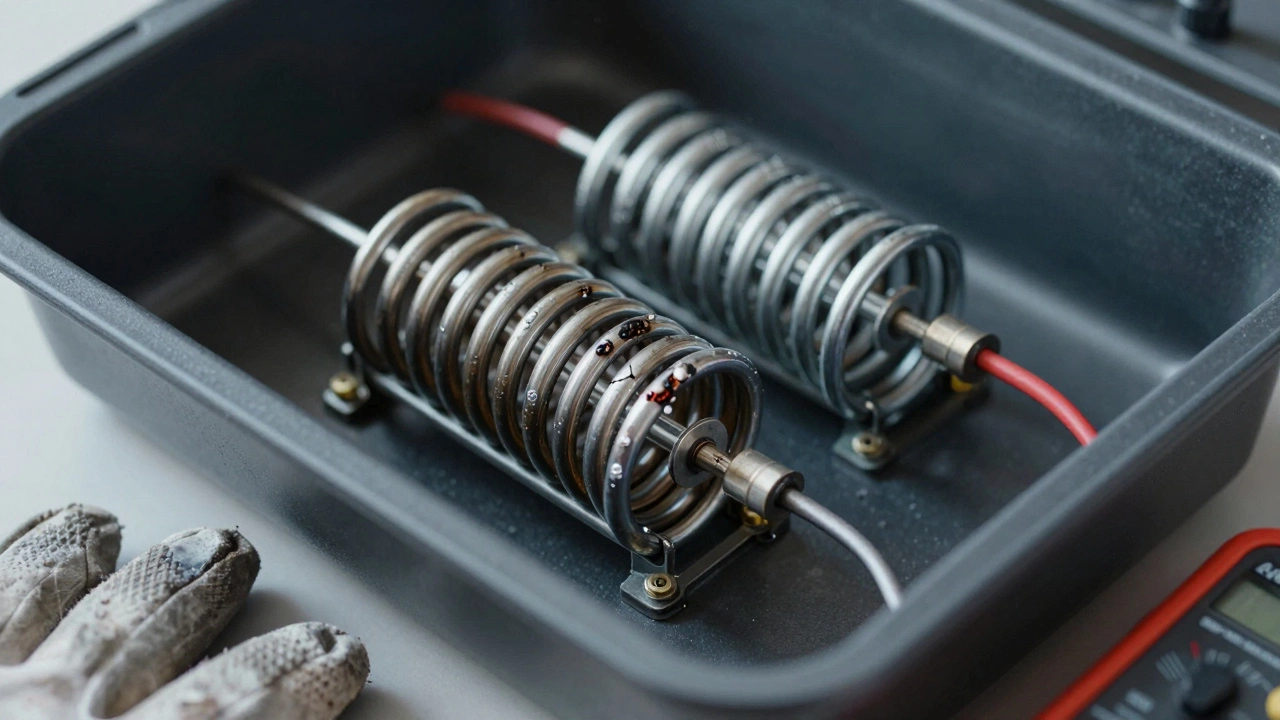
If your oven is not heating at all, or if it heats unevenly, the next suspect is the heating element itself. Most electric ovens have two main elements: the bake element (at the bottom) and the broil element (at the top). These components are under constant stress, expanding and contracting with every use. Eventually, they fail.
- Visible Damage: Look for blisters, cracks, or black spots on the metal coil. While some discoloration is normal due to grease splatter, actual breaks in the metal mean the circuit is open and no current flows.
- Intermittent Heating: If the oven works sometimes but not others, the element might have a loose connection or a partial break. This is dangerous because it can lead to electrical arcing.
- Burnt Smell: A persistent burning odor that doesn't go away after cleaning can indicate an element that is overheating due to a short circuit or insulation failure.
Replacing a heating element is one of the easier DIY repairs for those comfortable with basic tools. However, always disconnect the power at the circuit breaker before touching any internal components. Electricity does not forgive mistakes.
The Importance of Door Seals and Gaskets
A lesser-known but equally critical component is the door gasket. This rubber or silicone seal runs around the edge of the oven door. Its job is simple: keep the heat inside. When the gasket deteriorates, tears, or loses its elasticity, hot air escapes. The oven's thermostat senses this drop in temperature and forces the heating element to work overtime to compensate. This leads to higher energy bills and uneven cooking.
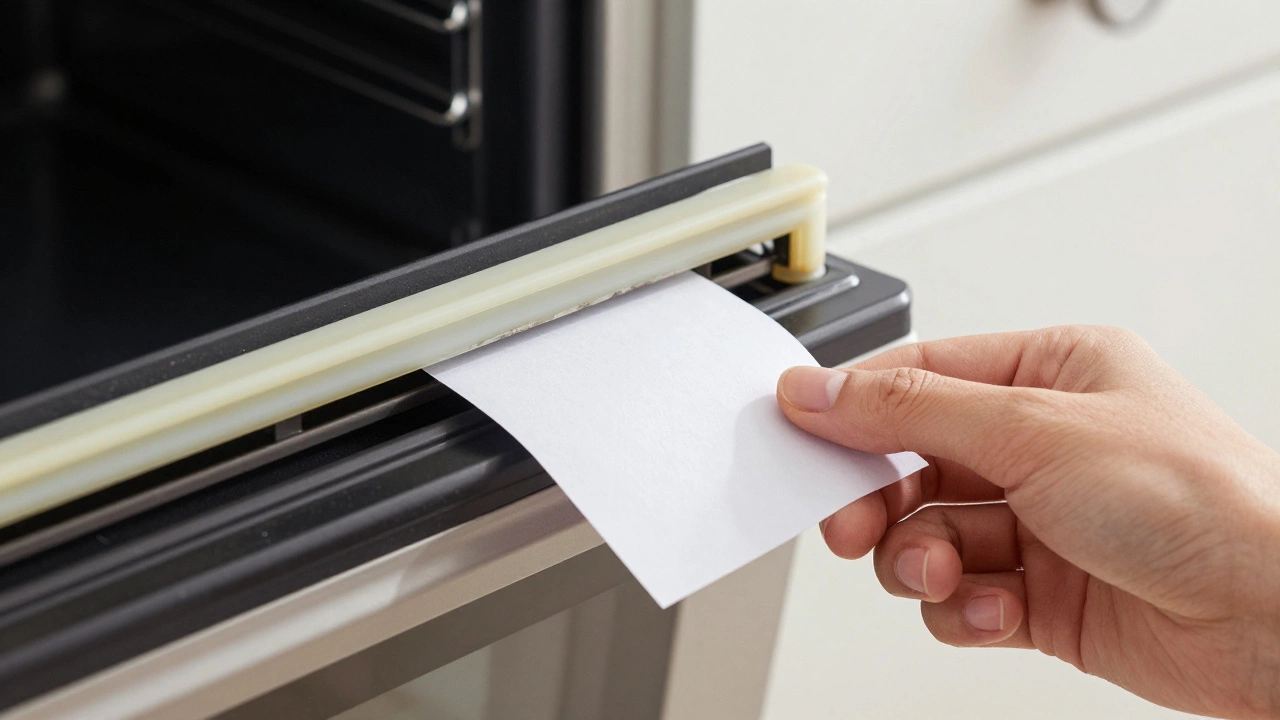
You can test your door seal with a simple piece of paper. Close the oven door on the paper. If you can pull the paper out easily without resistance, your seal is compromised. In Adelaide's humid climate, moisture can also degrade these seals faster than in drier regions, making regular inspection even more important. Replacing a gasket is inexpensive and typically involves removing a few screws and snapping in a new unit.
Electronic Control Boards and Error Codes
Modern electric ovens are essentially computers with heaters attached. They rely on electronic control boards to manage everything from the clock to the self-cleaning cycle. When these boards fail, the symptoms can be bizarre. The display might show random characters, the oven might start cycles randomly, or it might lock up completely. Many modern ovens will display an error code, such as F1, F2, or E05, depending on the manufacturer.
| Error Code | Likely Cause | Suggested Action |
|---|---|---|
| F1 / F30 | Control Board Failure | Reset power; replace board if persistent |
| F2 / F96 | Oven Sensor Issue | Check sensor continuity; replace if open/shorted |
| F7 / F8 | Communication Error | Check wiring harnesses between boards |
| E05 / E10 | Heating Element Fault | Test element resistance; replace if out of range |
Before replacing an expensive control board, try a hard reset. Turn off the power to the oven at the breaker for five minutes. This clears temporary glitches in the memory. If the error returns, the hardware is likely at fault.
When to Call a Professional vs. DIY
Not every oven problem requires a specialist. Simple tasks like replacing a heating element, swapping a door switch, or installing a new gasket are manageable for most homeowners with basic toolkits. However, issues involving gas lines (if you have a dual-fuel range), complex wiring harnesses, or sealed refrigerant systems (in some steam ovens) should be left to certified technicians. Safety is paramount. Working with high-voltage appliances carries significant risk of shock or fire if done incorrectly.
In Australia, electrical work regulations are strict. If you are unsure about your ability to safely disconnect and reconnect components, hire a licensed electrician or appliance repair technician. The cost of a professional visit is often less than the potential medical bills from an electrical accident.
Maintenance Tips to Prevent Future Issues
Prevention is always cheaper than cure. Regular maintenance can extend the life of your electric oven by years. Here are a few practical steps:
- Clean Regularly: Grease buildup on heating elements can insulate them, causing them to overheat and fail prematurely. Wipe down spills immediately.
- Inspect Seals: Check the door gasket every six months for cracks or gaps.
- Calibrate Temperature: Use an oven thermometer annually to ensure accuracy.
- Avoid Harsh Cleaners: Abrasive cleaners can damage the interior coating and sensors. Use mild soap and water or approved oven cleaners.
- Don't Overload: Blocking airflow inside the oven with too many racks or large pans can cause uneven heating and strain the fan motor.
By understanding how your oven works and recognizing the signs of common failures, you can maintain consistent cooking performance and avoid costly replacements. Whether it is a simple thermostat adjustment or a full element swap, knowing what to look for puts you in control of your kitchen's most vital appliance.
How do I know if my oven thermostat is bad?
If your oven consistently cooks food at a temperature different from the setting, or if the heating element stays on continuously without cycling off, your thermostat is likely faulty. Use an independent oven thermometer to verify the actual internal temperature against the set point. A variance of more than 15-20 degrees indicates a problem.
Can I replace an oven heating element myself?
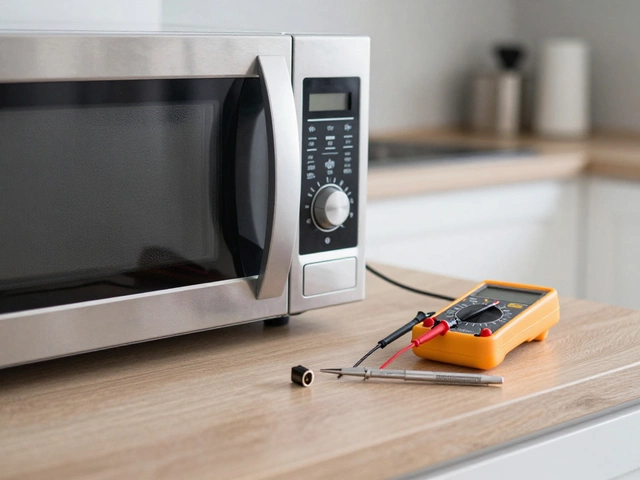
Yes, replacing a heating element is generally a straightforward DIY task. You will need to disconnect the power, remove the old element (usually held by screws or clips), and install the new one. Ensure the replacement element matches the wattage and voltage specifications of the original. Always wear insulated gloves and use a multimeter to confirm power is off.
Why does my oven make a buzzing noise?
A buzzing noise can come from several sources. It might be the cooling fan running normally after a cook cycle. However, if the buzz is loud or accompanied by vibrations, it could indicate a failing fan motor, a loose component rattling against the back wall, or an electrical issue with the relay on the control board. Inspect for loose parts first; if the noise persists, consult a technician.
Is it worth repairing an old electric oven?
It depends on the cost of repair versus the price of a new unit. As a rule of thumb, if the repair costs more than 50% of the price of a comparable new oven, replacement is usually more economical. Also consider the age of the oven; units older than 10-15 years may have other impending failures. Newer models are also significantly more energy-efficient.
What causes an oven to stop heating suddenly?
Sudden loss of heat is often caused by a blown thermal fuse, a tripped circuit breaker, or a failed heating element. Check your home's electrical panel first. If power is reaching the oven, test the heating elements for continuity with a multimeter. If the elements are good, the issue may lie with the thermostat, control board, or door switch safety interlock.