Extractor Fan Lifespan Calculator
How long will your extractor fan last?
Get personalized recommendations based on your fan type, usage, and maintenance habits.
Most people don’t think about their extractor fan until it stops working. Then they wonder: how long should an extractor fan last? The answer isn’t simple. A cheap fan bought at a hardware store might die in three years. A well-made one installed properly can last 15 or more. It all depends on quality, usage, and maintenance.
Typical Lifespan of an Extractor Fan
On average, a standard extractor fan lasts between 8 and 12 years. That’s the range you’ll see from most manufacturers and professional installers. But that’s just a starting point. Fans in high-humidity areas like bathrooms in Adelaide’s humid summers wear out faster. Kitchen fans dealing with grease and steam every day don’t last as long as ones in low-use powder rooms.
Low-end fans, often sold under generic brands or bundled with new homes, usually last 5 to 7 years. These are made with plastic bearings, thin motors, and cheap wiring. You’ll notice them failing sooner-noisy operation, slow spin, or just stopping altogether. Mid-range fans, like those from brands such as Ducted or Vent-Axia, tend to hit the 10-year mark if cleaned regularly. High-end models, especially those with DC motors and metal housings, can run 15+ years. I’ve seen a 2008 Vent-Axia unit still working in a Mansfield home, cleaned once a year.
What Kills an Extractor Fan Sooner?
It’s not age that kills these fans. It’s neglect.
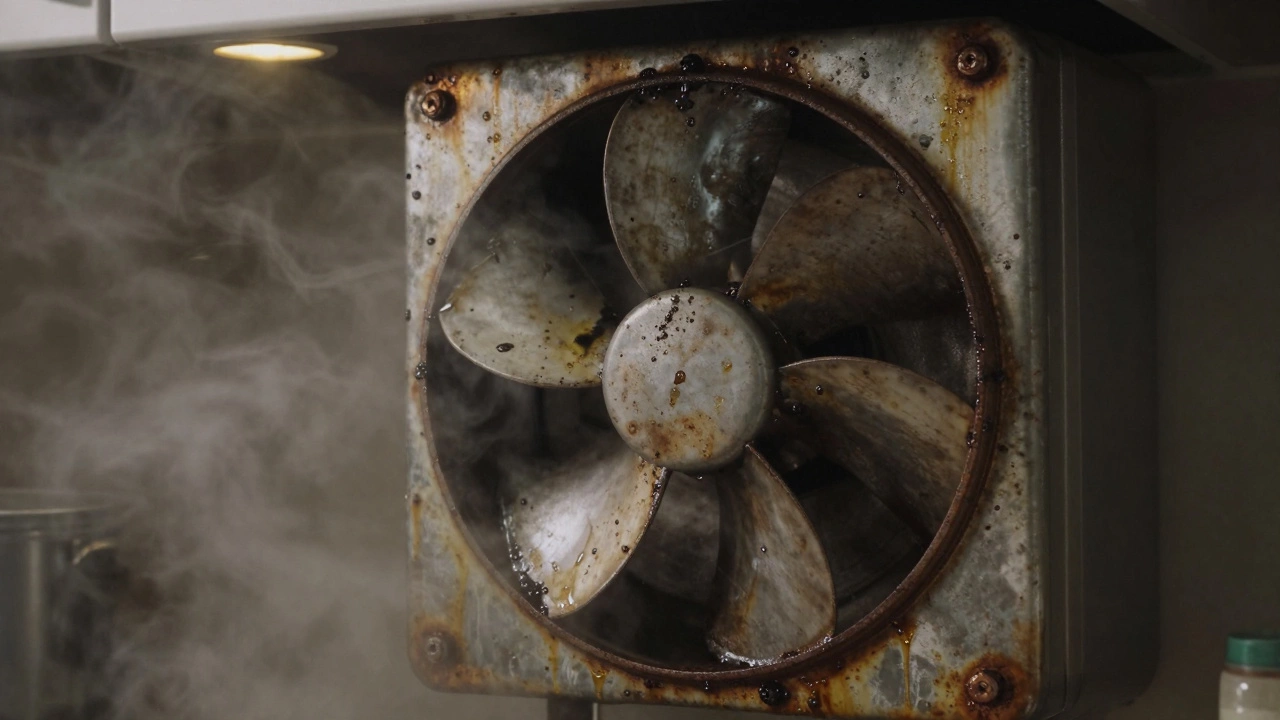
Grease buildup in kitchen fans is the biggest killer. Every time you fry eggs or boil pasta, tiny oil particles stick to the blades and motor. Over time, this gunk makes the motor work harder. The bearings heat up. The capacitor burns out. A fan that should last 10 years can die in 4 if it’s never cleaned.
Bathroom fans suffer from moisture. In Adelaide, where humidity spikes in winter, condensation builds up inside the housing. If the fan doesn’t vent properly-say, the duct is kinked or blocked-it traps steam. That moisture corrodes the motor windings and rusts the screws holding the housing together. A fan that’s supposed to pull air out ends up holding it in, and that’s a recipe for failure.
Also, don’t ignore dust. Even in rooms without cooking or showering, airborne dust collects on the impeller. A fan running 24/7 in a dusty attic space will clog faster than one in a clean bathroom. I’ve pulled out fans that looked like they’d been buried in a sandstorm.
Signs Your Extractor Fan Is Reaching Its End
You don’t need to wait for it to stop working completely. Look for these warning signs:
- Noise changes-a high-pitched whine, grinding, or rattling means bearings are worn.
- Slower airflow-if your mirror still fogs up after 10 minutes of showering, the fan isn’t pulling hard enough.
- Intermittent operation-it turns on, runs for a minute, then shuts off. That’s often a failing capacitor.
- Visible rust or mold-inside the housing or on the grille. This means moisture has been trapped for too long.
- Overheating-if the casing feels warm to the touch after running for 15 minutes, the motor is under stress.
These aren’t just annoyances. They’re early warnings. Ignoring them means you’ll end up with a sudden failure-maybe in the middle of the night, right after a big dinner party.
How to Extend the Life of Your Extractor Fan
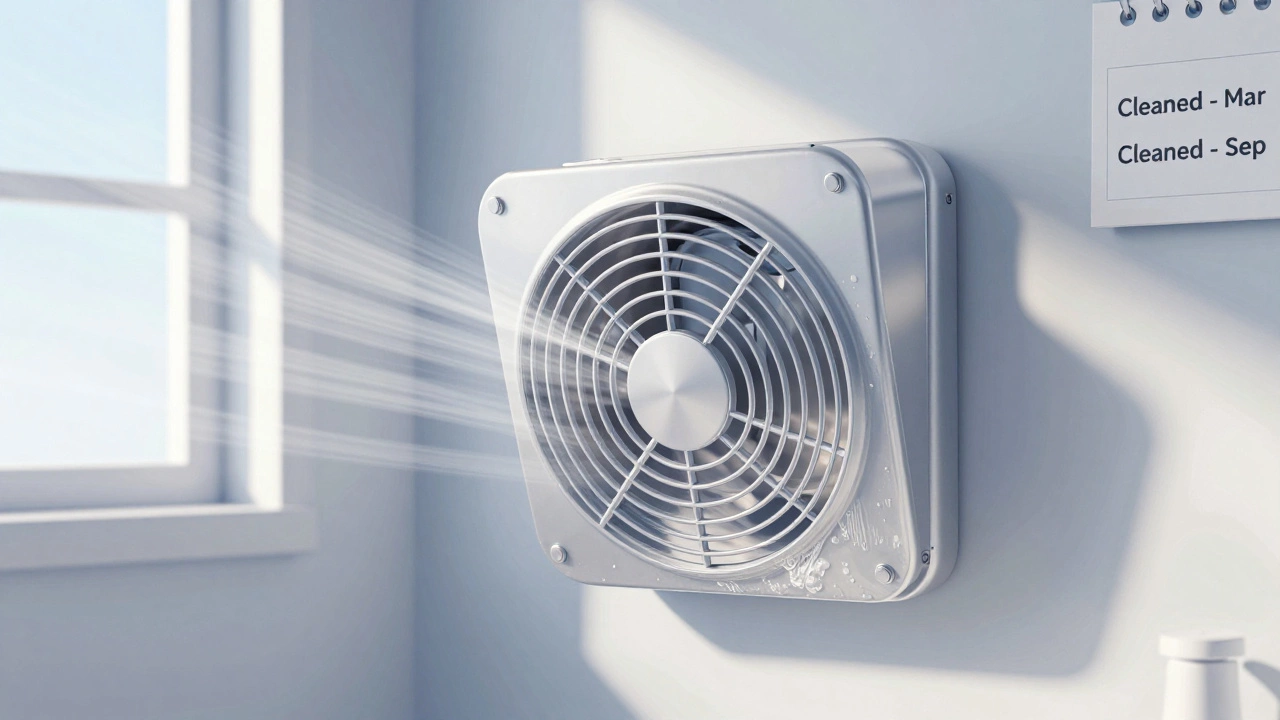
Extending life isn’t hard. It just takes 10 minutes twice a year.
- Turn off the power at the circuit breaker. Safety first.
- Remove the grille. Most snap off or are held by two screws.
- Wipe down blades and housing with a damp cloth and mild detergent. For grease, use white vinegar or a degreaser like Goo Gone. Don’t soak the motor.
- Check the duct. Look from the fan to the outside vent. Is it crushed? Clogged with lint or bird nests? Clean it with a brush or vacuum attachment.
- Reassemble and test. Turn the power back on. Listen. Does it spin smoothly? Is airflow strong?
Do this every six months. In kitchens, do it every three months if you cook often. A clean fan runs cooler, uses less electricity, and lasts longer. It’s the cheapest maintenance you’ll ever do.
When to Replace vs. Repair
Is it worth fixing? Sometimes. But not always.
If your fan is under 8 years old and just needs a new capacitor or motor, repair is fine. A capacitor costs $15. A motor replacement runs $80-$120, including labor. That’s cheaper than a new unit.
But if the fan is older than 10 years, or if the housing is cracked, rusted, or warped, replace it. Why? Because the parts are likely obsolete. Finding a matching motor for a 12-year-old unit is hard. You’ll end up paying more for labor than for a new fan.
Also, newer fans are way more efficient. A 2025 model uses 30% less power than one from 2015. It’s quieter, too. If you’re replacing anyway, go for a model with a humidity sensor. It turns on automatically when steam rises and shuts off when the air’s dry. No more forgetting to turn it on after a shower.
What to Look for in a New Extractor Fan
Not all fans are created equal. Here’s what matters:
- Motor type-DC motors last longer and use less power than AC. Look for “brushless DC” or “EC motor.”
- Material-metal housings don’t warp or rust like plastic. Stainless steel grilles are better than painted steel.
- Certifications-check for Energy Star or Australian Energy Rating Label (AERL). A 5-star fan will save you money over time.
- Noise rating-look for sones. Under 1.0 sone is whisper-quiet. Anything over 2.0 is noticeable.
- Warranty-5-year warranties are standard. 10-year means the manufacturer trusts the build.
Brands like Broan, Vent-Axia, and extractors from Breezart are reliable. Avoid no-name fans from discount stores. You get what you pay for.
How Much Does Replacement Cost?
Replacing a basic extractor fan in a bathroom runs $150-$250, including removal, new unit, and duct reconnection. Kitchen fans are trickier because they often need to vent through the roof or wall, and you might need an electrician to rewire a switch. That can push costs to $300-$500.
DIY replacements are possible if you’re handy. A new fan unit costs $60-$180. But if you’re not comfortable working with wiring or cutting into walls, hire a licensed electrician. A bad install can lead to moisture damage behind walls-costing thousands to fix later.
What Happens If You Don’t Replace a Failing Fan?
Ignoring a broken extractor fan isn’t just inconvenient. It’s risky.
In bathrooms, moisture builds up. That leads to mold on tiles, peeling paint, and rotting timber behind the walls. Mold spores cause allergies and respiratory problems. In kitchens, grease buildup is a fire hazard. The Australian Fire Services have documented cases where kitchen extractor fans, clogged with years of grease, caught fire during use.
Also, poor ventilation increases indoor humidity. That makes your home feel colder in winter, forcing your heater to work harder. Your energy bills creep up. And over time, the structural integrity of your walls and ceilings suffers.
A failing extractor fan isn’t just a broken appliance. It’s a slow leak in your home’s health.
How long does a kitchen extractor fan last compared to a bathroom one?
Kitchen extractor fans typically last 6 to 10 years because they deal with grease, steam, and higher temperatures. Bathroom fans, if properly ventilated and cleaned, last 8 to 12 years. The key difference is maintenance-kitchen fans need cleaning every 3 months, while bathroom fans can be cleaned every 6 months.
Can I clean my extractor fan myself?
Yes, most extractor fans are easy to clean. Turn off the power, remove the grille, wipe the blades and housing with a damp cloth and mild cleaner, and vacuum the duct if accessible. Avoid spraying water directly into the motor. If you’re unsure, take a photo and ask a technician before starting.
Is it cheaper to repair or replace an old extractor fan?
If the fan is under 8 years old and the issue is a capacitor or motor, repair is cheaper. If it’s over 10 years old, has rusted housing, or uses outdated parts, replacement is more cost-effective. Newer models are quieter, more efficient, and come with better warranties.
Do extractor fans need regular servicing?
They don’t need professional servicing, but they do need regular cleaning. Every 3-6 months, depending on use. Think of it like changing your HVAC filter-simple, cheap, and prevents bigger problems. No need for a technician unless the fan won’t turn on or makes strange noises after cleaning.
What’s the best extractor fan brand for Australian homes?
Vent-Axia, Broan, and Breezart are top choices for Australian homes. They’re designed for humid climates, have good warranties, and use durable materials. Look for models with DC motors and humidity sensors. Avoid cheap imports with no local support.
Next Steps
If your fan is still working but you’re unsure of its age, check the label on the housing. Most have a manufacturing date. If it’s older than 10 years, plan for replacement. If it’s noisy or weak, clean it now. Don’t wait for it to fail.
Keep a small notebook next to your fuse box. Write down when you cleaned each fan and when you bought it. That way, you’ll know when it’s time to replace it-before the mold starts growing or the grease catches fire.