Water Heater Anode Rod Lifespan Calculator
Enter your details below to estimate how long your current anode rod should last and when you might need to replace it.
Analysis Results
Expected Total Lifespan
-- Years
Remaining Time Before Replacement
-- Years
Recommendation & Next Steps
You wake up to a lukewarm shower. The water tastes metallic. You check the pressure valve and find rusty residue dripping out. Before you call a plumber for a $1,500 replacement, there is one small component you need to check: the anode rod. This simple metal stick is the unsung hero of your water heater, sacrificing itself to keep your steel tank from rusting through. If it’s gone, your tank is dying. If it’s intact, you might just save yourself thousands of dollars.
Most homeowners ignore this part until disaster strikes. But knowing when to replace it isn’t magic-it’s math mixed with observation. Let’s break down exactly how often you should swap it out, what signs to look for, and why your local water quality matters more than the calendar.
What Exactly Is an Anode Rod?
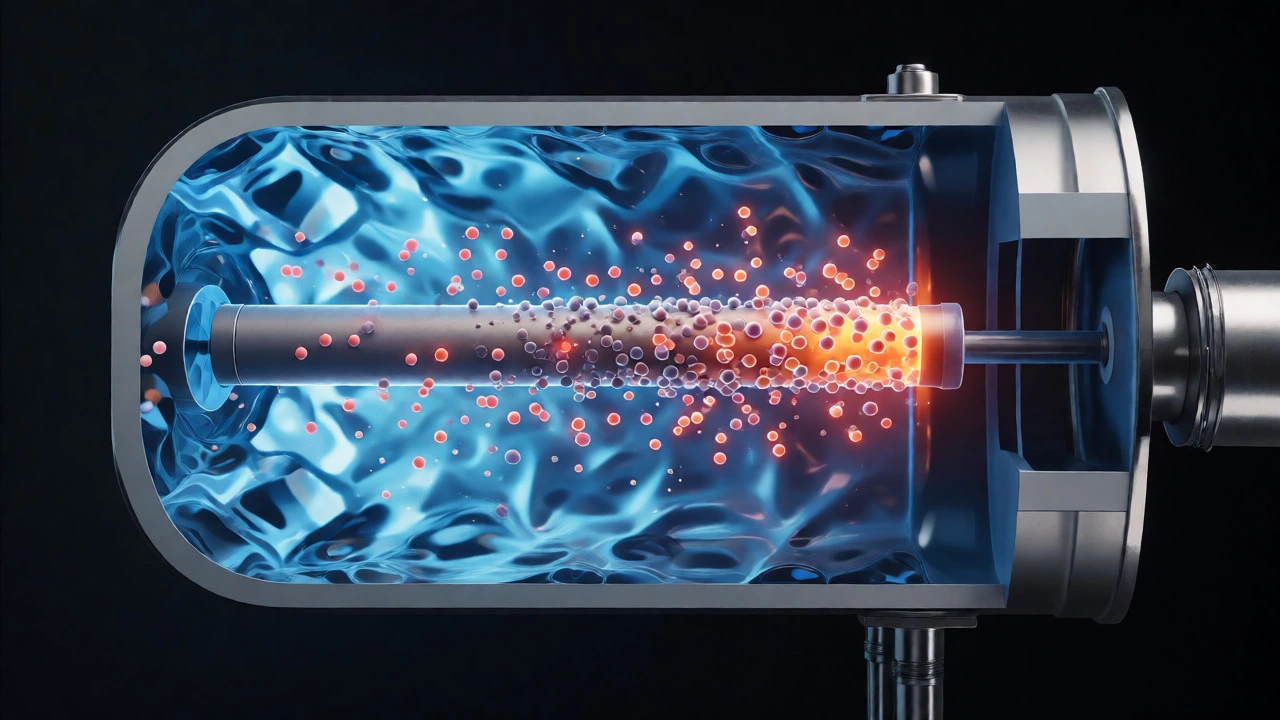
Think of the anode rod as a lightning rod for corrosion. Your water heater tank is made of steel, which loves to rust when exposed to oxygenated water. To prevent the tank from corroding, manufacturers install a rod made of a more reactive metal-usually magnesium, aluminum, or zinc-coated steel. Because these metals are less noble (more chemically active) than steel, they attract corrosive elements in the water first. This process is called cathodic protection.
The rod literally eats away over time. It sacrifices its own integrity so that the expensive steel tank remains intact. Once the rod is fully consumed, the corrosion attacks the tank walls directly. That’s when leaks start happening, usually at the bottom seams where repairs become impossible.
The Standard Rule: Every 3 to 5 Years
If you ask most plumbers, they’ll give you a generic answer: replace the anode rod every three to five years. This is a safe baseline for average municipal water supplies. However, treating this as a rigid rule can lead to unnecessary replacements or, worse, premature tank failure.
Why the wide range? Because water chemistry varies wildly depending on where you live. Hard water with high mineral content accelerates consumption. Softened water, ironically, can also eat rods faster due to increased conductivity. High sulfate levels create hydrogen sulfide gas, turning your rod into a black, rotten mess much quicker than usual.
| Water Condition | Estimated Lifespan | Recommended Material |
|---|---|---|
| Municipal / Average | 3-5 Years | Magnesium or Aluminum |
| Hard Water | 2-3 Years | Aluminum (resists scaling) |
| Softened Water | 1-2 Years | Zinc-Aluminum (prevents smell) |
| Well Water (High Sulfur) | 6 Months - 1 Year | Powered Titanium (best option) |
Signs You Need to Replace It Now
Don’t wait for the calendar if you see these red flags. Your water heater will tell you when the anode rod is failing long before the tank leaks.
- Rusty Hot Water: If your hot water runs brown or orange but cold water is clear, the anode rod is likely gone. The steel tank is now oxidizing.
- Sulfur Smell: A "rotten egg" odor coming from the hot tap indicates bacterial growth reacting with a depleted magnesium rod. Switching to an aluminum-zinc blend often fixes this.
- Loud Popping or Rumbling: While often caused by sediment buildup, severe noise can indicate the rod has detached or broken inside, causing uneven heating and stress.
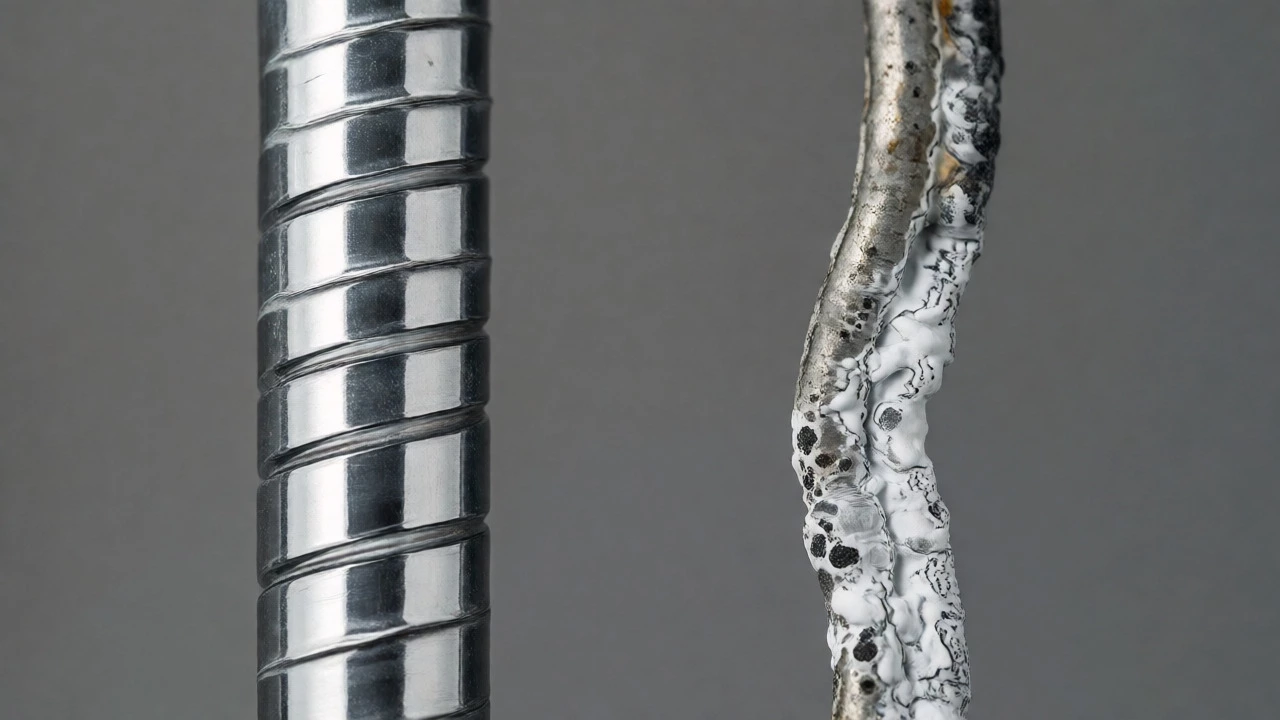
- Visible Corrosion: If you pull the rod out and it looks like a jagged rock rather than a smooth cylinder, it’s done. If it’s thin and spindly, it’s near the end.
How to Check and Replace the Anode Rod
Checking the rod is easier than most people think. You don’t need a professional for the inspection, though removal can be tricky if it’s been in place for years.
- Turn Off Power/Gas: For electric heaters, flip the breaker. For gas, turn the control knob to "Pilot" or off.
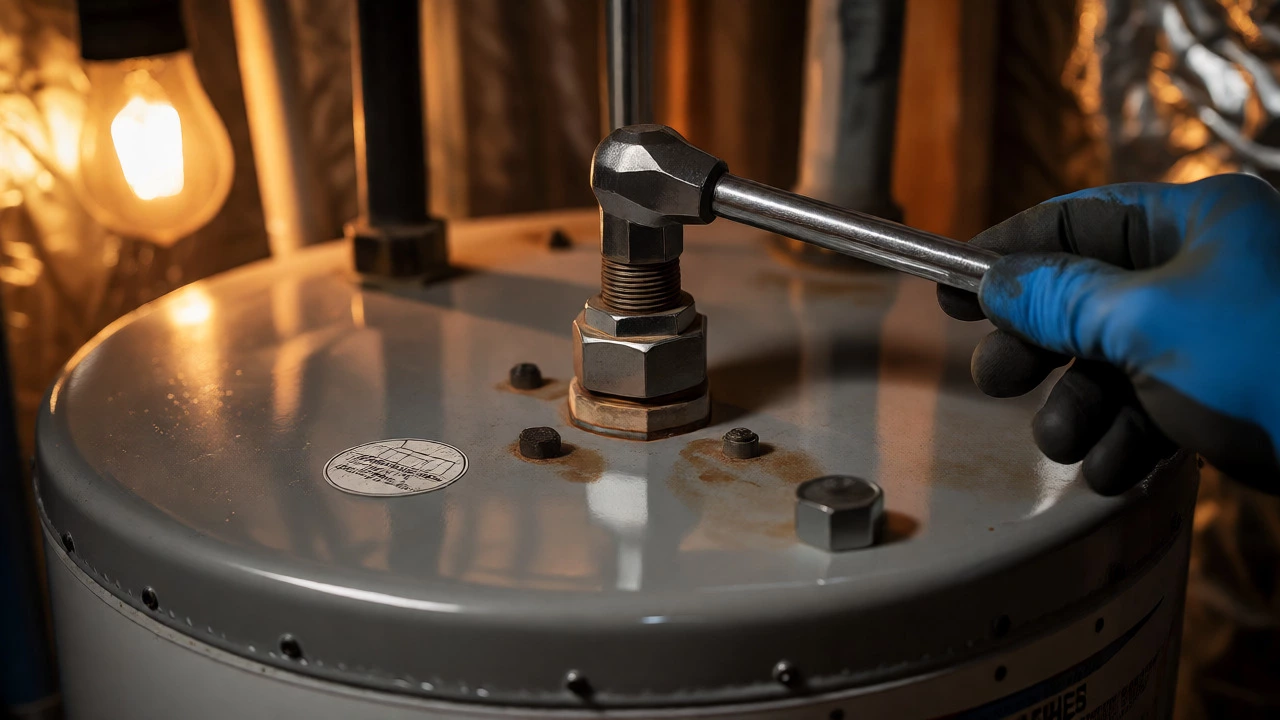
- Locate the Rod: On most standard tanks, the anode rod is screwed into the top of the unit, often under a plastic cap labeled "Anode." Sometimes it shares the port with the temperature and pressure relief valve.
- Loosen the Nut: Use a six-sided socket wrench (usually 1-1/16 inch). Be careful; if the rod is fused, you might need a pipe wrench or even cut the hex head off carefully.
- Inspect: Pull it out slowly. Note the thickness. If it’s less than half the original diameter, replace it immediately.
- Install New Rod: Wrap the threads with Teflon tape or pipe dope. Screw in the new rod hand-tight, then use the wrench to secure it. Do not overtighten, or you’ll crack the tank liner.
Choosing the Right Material
Not all anode rods are created equal. Using the wrong type can make problems worse.
Magnesium rods are the most common and offer the best protection against corrosion. They are slightly heavier than aluminum, making them ideal for standard setups. However, they react strongly with bacteria, causing sulfur smells in some areas.
Aluminum rods are cheaper and lighter. They work well in soft water but can cause allergic reactions in rare cases (though mostly anecdotal). They are less effective in very hard water because minerals coat the rod, stopping it from working.
Zinc-Aluminum rods contain about 5% zinc. This addition helps kill the bacteria responsible for rotten egg smells. If your main complaint is odor, this is your best bet.
For those with extremely aggressive water, consider a powered anode. Instead of relying on chemical sacrifice, this device uses a small electrical current to protect the tank. It never needs replacing, only occasional cleaning, but costs significantly more upfront ($200-$300).
Tankless Water Heaters: Do They Need Them?
Many modern homes use tankless water heaters. These units generally do not have traditional anode rods because they don’t store large volumes of stagnant water. Instead, they rely on stainless steel heat exchangers. However, some hybrid models or older condensing units do include sacrificial anodes. Always check your owner’s manual. If yours has one, inspect it annually during your descaling routine.
Pro Tips for Longevity
Replacing the rod is step one. Keeping your whole system healthy is step two. Flush your tank once a year to remove sediment. Sediment traps heat, forcing the burner to work harder and creating localized hot spots that accelerate corrosion around the rod. Also, ensure your dielectric unions are installed correctly if you mix copper and galvanized pipes. Improper connections can create galvanic corrosion, eating your tank from the outside in, regardless of the anode rod status.
Can I drive with a bad anode rod?
Yes, you can still use your water heater with a worn-out anode rod, but you are risking tank failure. The water heater will function normally, but the steel tank begins to corrode internally. Depending on the severity, you might have months or just weeks left before a leak develops.
Is it better to buy magnesium or aluminum anode rods?
Magnesium offers superior corrosion protection and is the industry standard for most homes. Aluminum is cheaper and works well in soft water but may fail faster in hard water due to scale buildup. Zinc-aluminum blends are best if you suffer from sulfur smells.
How much does it cost to replace an anode rod?
The part itself costs between $15 and $50 depending on the material and length. If you hire a plumber, expect to pay $150 to $300 total, including labor. DIY installation takes about 30 minutes if the old rod isn't seized.
What happens if I never change my anode rod?
Once the anode rod is fully consumed, the water heater tank starts to rust from the inside out. This leads to leaks, usually at the bottom of the tank, which cannot be repaired. You will eventually need to replace the entire water heater unit.
Can I cut an anode rod to fit my water heater?
Yes, many anode rods come in flexible segments or are sold in lengths that can be trimmed. However, cutting the threaded end is difficult without specialized tools. It is usually easier to buy a link-style anode rod designed for tight spaces or shorter tanks.