Oven Element Repair: How to Tell If It's Broken and What to Do Next
When your oven won’t heat up, the problem is often something simple: a broken oven element, the metal coil inside your oven that generates heat when electricity passes through it. Also known as a heating element, it’s one of the most common parts to fail in electric ovens. Unlike a thermostat or control board, the oven element doesn’t need fancy diagnostics—it either works or it doesn’t. If your oven isn’t getting hot, or only heats unevenly, chances are this part is done.
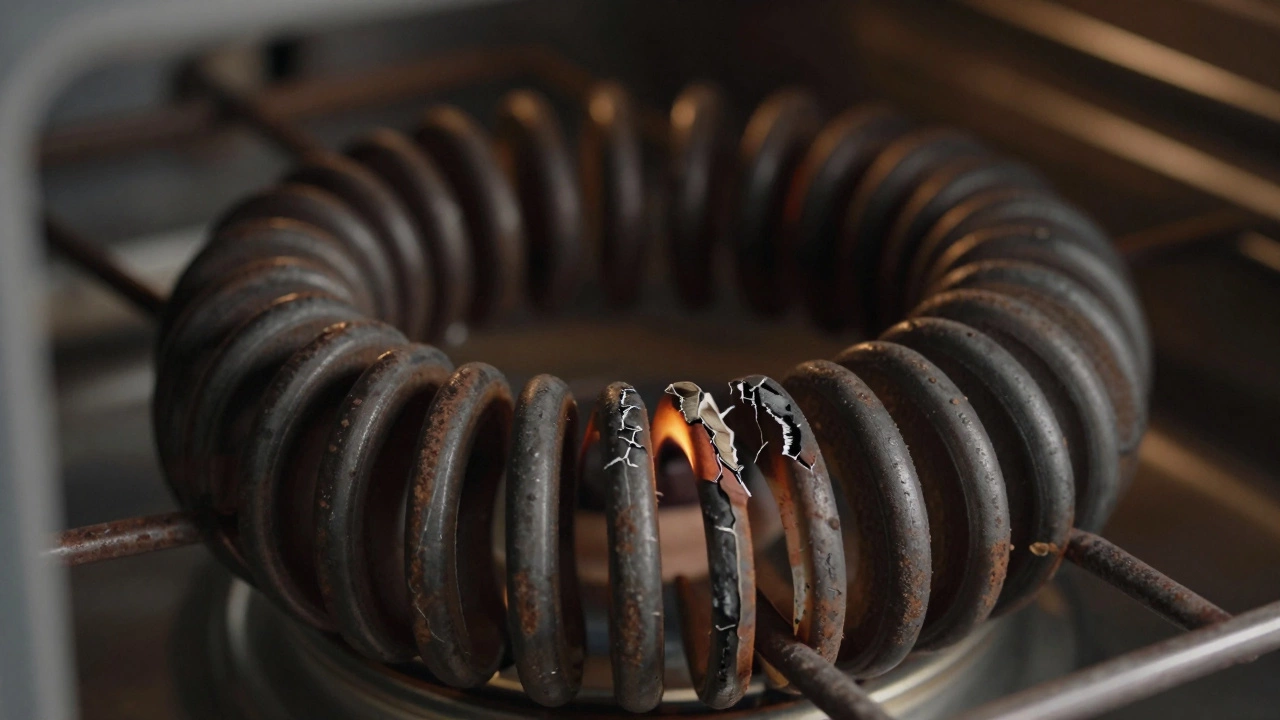
The oven heating element, a resistive coil usually located at the top or bottom of the oven cavity wears out over time. Constant heating and cooling causes the metal to expand and contract, eventually cracking or burning through. You’ll often see visible signs: dark spots, bubbles, or sections that look like they’ve melted. If the element glows red when the oven is on, it’s probably fine. If it stays dark, even when the oven is set to bake, it’s dead. A faulty electric oven, a common household appliance that relies on electrical heating elements for cooking can also trip the circuit breaker, leave food undercooked, or cause strange smells—like burning dust or metal.
Replacing the oven element is one of the easiest and cheapest oven repairs you can do yourself. Most elements cost under £50, and you don’t need to be an electrician to swap it out—just turn off the power, remove a few screws, unplug the old part, and plug in the new one. But if you’re unsure about wiring or safety, calling a pro is smarter than risking a shock or fire. Many people try to fix their oven themselves, only to end up paying more later because they damaged the control panel or wiring. That’s why knowing the signs early matters.
Not every oven problem is the element. If the oven light works but the heat doesn’t, it’s likely the element. If the fan runs but nothing heats up, same thing. But if the oven displays error codes, makes clicking noises, or heats up slowly, the issue might be the thermostat, control board, or even the power supply. That’s why checking the element first saves time and money. You can test it with a multimeter in under five minutes—if you have one. If not, the visual check works fine for most cases.
Here’s what you’ll find in the posts below: real fixes for broken oven elements, step-by-step guides on replacing them safely, cost breakdowns for professional repairs, and tips to avoid making the same mistake twice. You’ll also see how this part connects to other common oven problems—like uneven baking or error codes—and what to do when replacing it doesn’t fix everything. Whether you’re a DIYer looking to save cash or just want to know if your oven is worth fixing, this collection gives you the facts without the fluff.