DIY Oven Replacement: Can You Safely Replace Your Oven Yourself?
When you're dealing with a broken oven, the idea of swapping it out yourself sounds like a smart way to save money. But DIY oven replacement, the process of removing and installing a new electric or gas oven without professional help. Also known as home appliance DIY, it's not just about unscrewing a few bolts—it involves electrical safety, gas lines, weight handling, and proper ventilation. Many people assume it’s like changing a lightbulb, but one wrong move can fry your circuit, leak gas, or even start a fire.
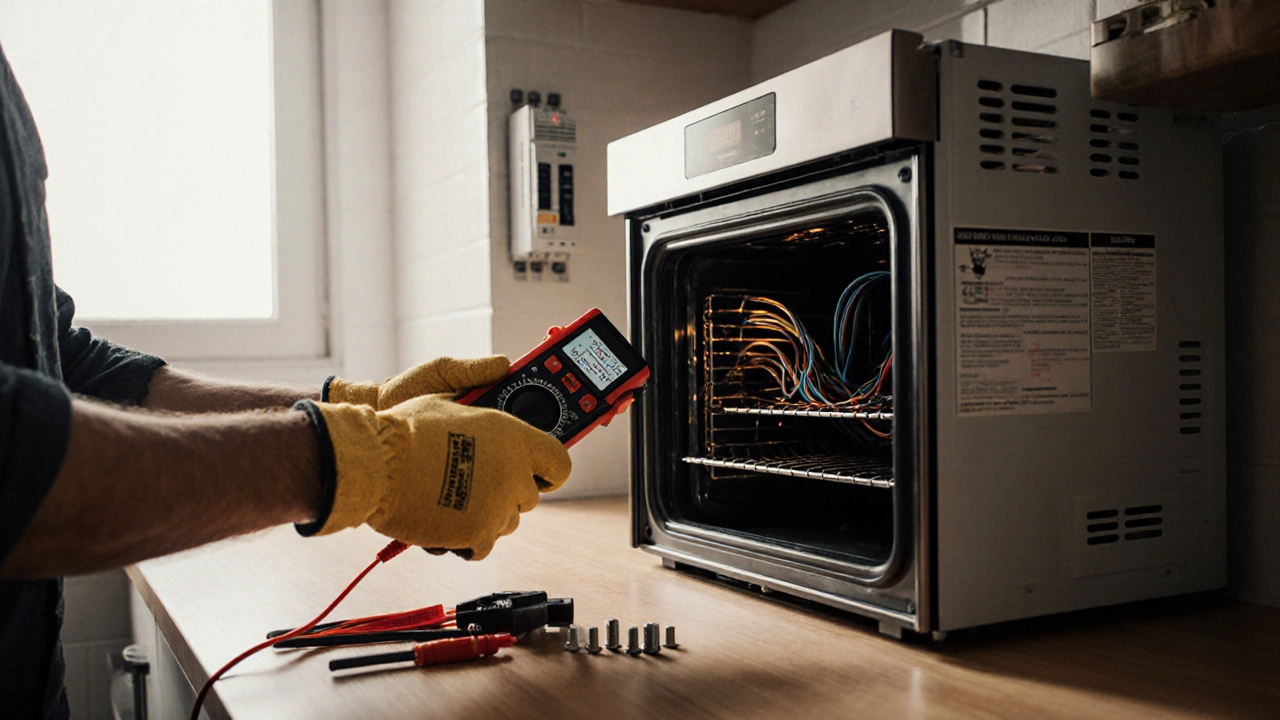
Most ovens today are hardwired into your home’s electrical system, not plugged in. That means you need to shut off the right breaker, test for live wires, and reconnect terminals correctly. If your oven runs on gas, you’re dealing with a gas line that must be sealed perfectly—no tape, no shortcuts. Even a tiny leak can lead to dangerous fumes or worse. And let’s not forget the weight: a standard oven can weigh over 100 pounds. One slip during removal or installation and you could damage your countertop, floor, or your back.
Then there’s the issue of compatibility. Not all ovens fit the same cutout. The depth, width, and vent location must match exactly, or you’ll end up with gaps, poor airflow, or a unit that doesn’t level right. Even if the new oven looks identical to the old one, manufacturers change mounting brackets, wiring harnesses, and gas fittings every few years. A mismatched part might seem to work at first—but it could fail months later, leaving you with a broken oven and no warranty.
That’s why most professionals recommend DIY oven replacement only if you’ve done similar work before—like replacing a water heater or installing a new range hood. If you’ve ever replaced a heating element in your oven, you’ve got some experience with internal parts. But that’s not the same as moving the whole appliance. The electric oven replacement, the full swap of a built-in oven unit, including electrical and structural connections is a job that demands precision, not just effort.
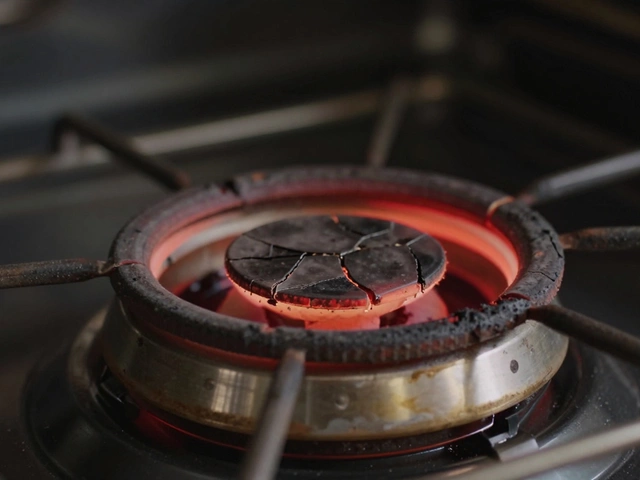
And what about the oven heating element, the component that generates heat inside the oven, often the first part to fail? If that’s the only thing broken, replacing it costs less than $50 and takes an hour. Why risk a full replacement when a simple fix could do the job? Many people jump to replace the whole oven because they don’t know how to test the element, thermostat, or control board. But those are easy to check with a multimeter—and we’ve got guides that walk you through it.
Here’s the truth: DIY oven replacement isn’t impossible. But it’s not for everyone. If you’re unsure about your wiring, don’t know where your main shut-off valve is, or haven’t worked with heavy appliances before, calling a pro isn’t giving up—it’s being smart. A certified technician will handle the disconnect, install, testing, and even dispose of your old unit. Most offer same-day service in Rugby, and the cost is often less than you think—especially when you factor in the risk of damage or injury.
Below, you’ll find real-life guides from people who’ve done it—both the ones who succeeded and the ones who learned the hard way. We cover safety checks, tool lists, common mistakes, and when to stop and call for help. Whether you’re thinking about replacing just the element or the whole oven, these posts give you the facts you need to decide—without the fluff.