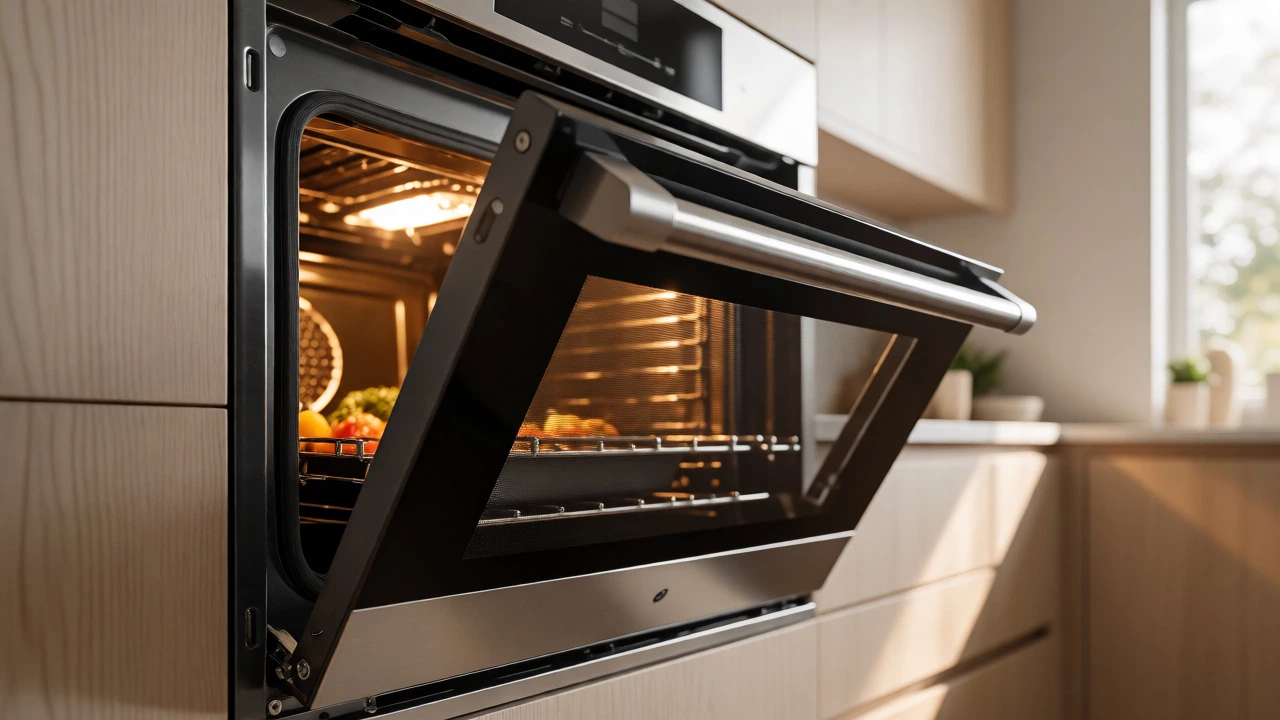
Electric Oven Reliability Finder
Select a priority below to see which electric oven brand offers the best balance of longevity, low maintenance, and parts availability based on 2026 industry data.
You’re standing in the appliance aisle, staring at a wall of stainless steel boxes that all promise to bake your lasagna perfectly. But here’s the uncomfortable truth: not all electric ovens are created equal. Some will serve you faithfully for two decades, while others will leave you calling a technician within three years. If you’ve ever wondered why your neighbor’s ten-year-old cooker still works like new while yours just threw an error code, you’re asking the right question.
We dug into repair data, user reports, and industry standards to figure out which brands actually hold up over time. This isn’t about marketing fluff or shiny features. It’s about reliability, repairability, and what happens when things go wrong. Because let’s face it: buying an oven is easy; fixing one when it breaks at 7 PM on a Sunday is the real test.
The Short Answer: Who Wins on Reliability?
| Brand | Average Lifespan | Repair Frequency (First 5 Years) | Parts Availability | Best For |
|---|---|---|---|---|
| Miele | 15-20+ years | Very Low (<5%) | Excellent (Global) | Long-term investment, heavy use |
| Bosch | 12-15 years | Low (<10%) | Very Good | Balance of quality and price |
| Smeg | 10-12 years | Moderate (15-20%) | Good (Specialized) | Style-conscious buyers |
| Samsung/LG | 8-10 years | Moderate-High (20-25%) | Variable | Tech features, budget flexibility |
| Generic/Budget | 6-8 years | High (>30%) | Poor/Difficult | Rentals, short-term stays |
If money is no object, Miele remains the gold standard. Their engineering philosophy focuses on durability over flashy interfaces. You’ll pay a premium upfront-often double the cost of a mid-range model-but their components are built to withstand thousands of heating cycles. However, for most homeowners, Bosch offers the sweet spot. They strike a remarkable balance between build quality, feature set, and service network coverage.
Why Brand Choice Matters More Than Features
It’s tempting to get distracted by Wi-Fi connectivity or steam-assist baking modes. But from a repair perspective, complexity is the enemy of reliability. Every added electronic module is another potential point of failure. We see this pattern constantly in oven repair jobs across Adelaide and beyond. The more digital a unit is, the more likely it is to suffer from control board glitches or sensor errors.
Consider the difference between a mechanical thermostat and a digital PID controller. Mechanical thermostats, found in older or simpler models, rarely fail catastrophically. Digital controllers, while precise, rely on sensitive circuitry that can be fried by power surges or moisture ingress. When choosing a brand, look at their track record with electronics. Brands that keep their control boards simple and accessible tend to have lower long-term ownership costs.
The Hidden Cost of Ownership: Repairability
Buying a reliable oven is only half the battle. What happens when it does break? This is where many buyers make a critical mistake: they ignore the service network. A brand might have excellent internal build quality, but if there are no certified technicians nearby who stock parts for that specific model, you’re stuck with a cold oven for weeks.
In Australia, the service landscape varies significantly. Major brands like Electrolux, Westinghouse, and Bosch have extensive authorized service networks. This means faster response times and easier access to genuine parts. Niche European brands, while often well-built, may rely on third-party importers for parts. If a specific hinge or fan motor isn’t stocked locally, you could wait months for a shipment.
- Check Local Technicians: Before buying, ask local repair pros which brands they service most frequently. High volume equals better expertise and part availability.
- Warranty Terms: Look beyond the length. Does the warranty cover labor? Many "lifetime" warranties only cover parts, leaving you with a hefty bill for the technician’s time.
- Modular Design: Can the door glass be replaced individually, or do you need to buy the whole assembly? Modular designs save hundreds in repair costs.
Common Failure Points by Brand Type
Understanding how different brands fail helps you predict future headaches. Here’s what we typically see on the workbench:
European Premium (Miele, Gaggenau): These units rarely fail mechanically. When they do, it’s usually due to electronic control modules or complex door sealing systems. Repairs are expensive because parts are specialized, but failures are infrequent. Think of them as luxury cars: low breakdown rate, high repair cost per incident.
Mainstream Mid-Range (Bosch, Siemens, Whirlpool): The most common issue is the cooling fan motor or the main element coil. These are wear-and-tear items. Parts are widely available, and any competent technician can fix them quickly. This predictability makes them excellent choices for families who cook daily.
Budget & Smart Tech (Samsung, LG, Generic Imports): Expect issues with touch panels and software freezes. Sometimes the oven works fine, but the display goes blank or locks up. Resetting the system sometimes fixes it, other times requires a board replacement. Additionally, cheaper insulation materials can degrade faster, leading to uneven cooking temperatures earlier in the lifespan.
How to Extend Your Oven’s Life
Even the most reliable brand won’t last if treated poorly. Most premature failures aren’t manufacturing defects-they’re maintenance oversights. Here’s how to protect your investment:
- Clean Spills Immediately: Sugar-based spills caramelizing on the bottom element cause hot spots and eventual burnout. Wipe up splatters once the oven cools down enough to touch.
- Don’t Use Self-Clean Excessively: The pyrolytic cleaning cycle generates extreme heat (up to 500°C). Doing this monthly stresses seals and hinges. Reserve it for deep cleans every few months.
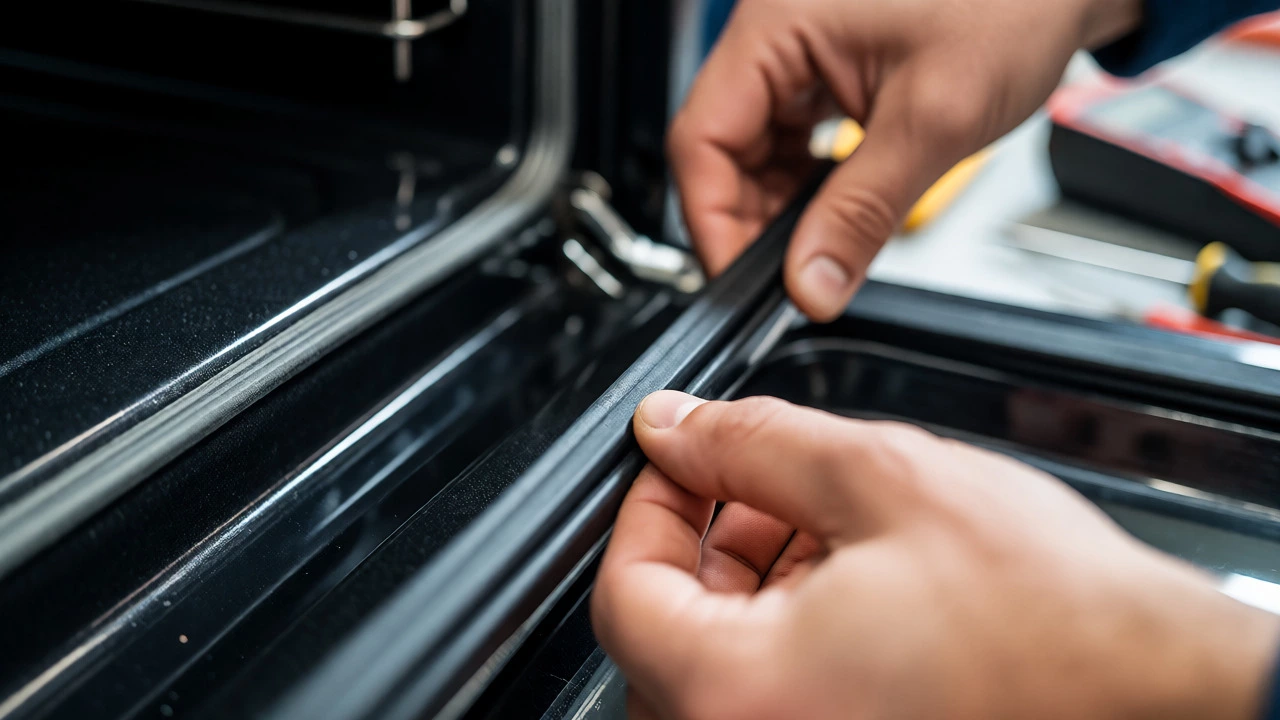
- Check Door Seals: A worn door seal lets heat escape, forcing the element to work harder. Inspect the rubber gasket annually. If it’s cracked or flattened, replace it. It’s a cheap part that saves energy and extends element life.
- Ventilation Matters: Ensure the vents above the oven aren’t blocked. Overheating triggers safety cut-offs repeatedly, which wears out thermal fuses prematurely.
When to Repair vs. Replace
This is the million-dollar question-or rather, the thousand-dollar question. There’s a general rule of thumb used by professionals: if the repair cost exceeds 50% of the value of a comparable new oven, consider replacing it. However, this depends on the age of the unit.
For ovens under 7 years old, repairing is almost always the smarter financial move. Parts are likely still under warranty or readily available, and the rest of the chassis has plenty of life left. For units over 10 years old, especially if they are budget brands, replacement often makes sense. Newer models are significantly more energy-efficient, which can offset the purchase price over time through lower electricity bills.
One exception: high-end integrated ovens. Replacing a built-in Miele or Bosch unit involves cabinetry adjustments and professional installation. In these cases, repairing a broken component-even if it costs $400-is often cheaper than a full replacement project costing $2,500+.
Final Thoughts on Making the Right Choice
So, what’s the takeaway? If you want peace of mind and plan to stay in your home for a decade or more, invest in a high-reliability brand like Miele or Bosch. The initial sticker shock pays off in reduced repair calls and consistent performance. If you’re on a tighter budget, choose a mainstream brand with a strong local service network, like Electrolux or Westinghouse. Avoid obscure brands with no local support, regardless of how attractive the price tag looks.
Remember, reliability isn’t just about the metal box; it’s about the ecosystem around it. Choose a brand that respects your time as much as your wallet.
Which electric oven brand lasts the longest?
Miele consistently ranks highest for longevity, often lasting 15-20 years or more. Their rigorous testing standards and high-quality components contribute to this exceptional lifespan. Bosch follows closely behind with typical lifespans of 12-15 years.
Are smart ovens less reliable than traditional ones?
Generally, yes. Smart ovens contain more electronic components, such as Wi-Fi modules, touchscreens, and complex control boards. Each additional electronic part increases the probability of failure. Traditional ovens with mechanical controls tend to have fewer points of failure.
Is it worth paying extra for a self-cleaning oven?
Self-cleaning functions add convenience but also stress to the oven’s structure due to extreme temperatures. While useful, frequent use can degrade door seals and insulation over time. If you clean manually regularly, the self-clean feature may not justify the higher purchase price and potential repair risks.
What is the most common electric oven repair?
The most common repairs involve replacing the heating elements (top or bottom), the cooling fan motor, or the door seal. Control board failures are also frequent in newer digital models. Regular maintenance can prevent some of these issues, particularly element burnout caused by food debris.
How much should I expect to pay for oven repairs?
In Australia, basic repairs like element replacements typically range from $150 to $300 including labor. Complex repairs involving control boards or specialized parts can cost $400 to $800+. Always request a quote before authorizing work to avoid surprises.