Water Heater Element Failure Diagnostic Tool
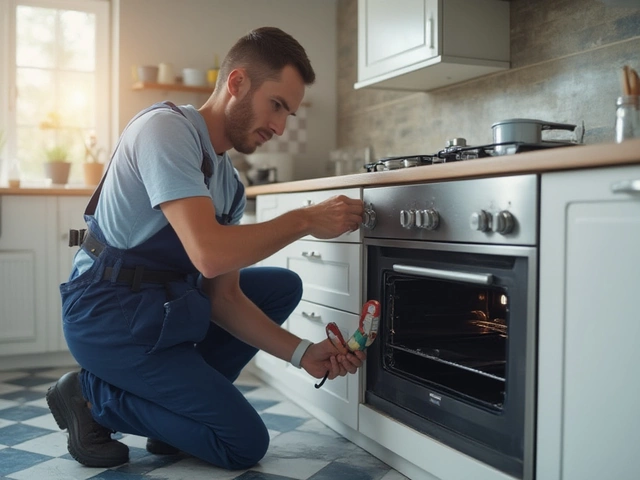
Answer these questions based on your water heater symptoms. This tool estimates the likelihood of element failure and provides next steps. For safety, always turn off power before working on your water heater.
If your hot water suddenly turns cold, or you only get a few minutes of warm water before it runs out, your water heater element might be the culprit. In Adelaide’s cooler months, losing hot water isn’t just inconvenient-it’s uncomfortable. And if you’ve ruled out a tripped breaker or thermostat issue, the heating element is often the next place to look. But how do you know for sure? You don’t need to call a plumber right away. With a simple multimeter test and a few signs to watch for, you can diagnose a bad element yourself.
Signs Your Water Heater Element Has Failed
The most obvious clue? You run out of hot water way too fast. If you used to get 20 minutes of shower time and now you’re shivering after five, that’s a red flag. A bad element doesn’t always mean no hot water at all. Sometimes, only one of the two elements in your tank is working. Electric water heaters typically have an upper and lower element. If the lower one fails, you’ll still get hot water-but only from the top of the tank, which runs out quickly.
Another sign is strange noises. If you hear popping, crackling, or rumbling sounds coming from your water heater, mineral buildup is likely coating the element. Over time, this scale acts like insulation, preventing the element from heating the water efficiently. Even if the element still conducts electricity, it can’t transfer heat properly. The result? Longer heating times and inconsistent water temperature.
Then there’s the smell. If your hot water smells like rotten eggs, it’s not always a bacterial issue. A failing anode rod combined with a degraded element can create sulfur compounds that give off that odor. It’s a sign the system is breaking down internally.
And don’t ignore the lack of hot water entirely. If you flip the switch and get nothing-not even lukewarm water-it’s very likely one or both elements have burned out. This is especially common in older units over 8-10 years old, or in areas with hard water like Adelaide’s eastern suburbs.
How Electric Water Heater Elements Work
Most residential electric water heaters in Australia use two heating elements: one near the top and one near the bottom. The upper element heats the water first. Once it reaches the set temperature, the thermostat switches power to the lower element to heat the rest of the tank. This design saves energy by only using both elements when needed.
Each element is a metal tube with a coiled resistance wire inside, sealed in magnesium oxide insulation. When electricity flows through the wire, it heats up. That heat transfers to the water around it. Over time, the constant heating and cooling, along with mineral deposits, cause the element to wear out. The metal fatigues. The insulation breaks down. Eventually, the element stops conducting electricity-or worse, it shorts out and trips the breaker.
Knowing this helps explain why a bad element doesn’t always mean total failure. You might still get partial hot water, which is why many homeowners assume their heater is fine-until they’re stuck with a cold shower.
How to Test a Water Heater Element with a Multimeter
You don’t need to be an electrician to test your element. All you need is a basic multimeter-available at any hardware store for under $30-and 15 minutes of your time.
First, turn off the power at the circuit breaker. Never test live components. Then, drain a few liters of water from the tank to reduce pressure and make access easier. Remove the access panels on the side of the heater and peel back the insulation to expose the element terminals.
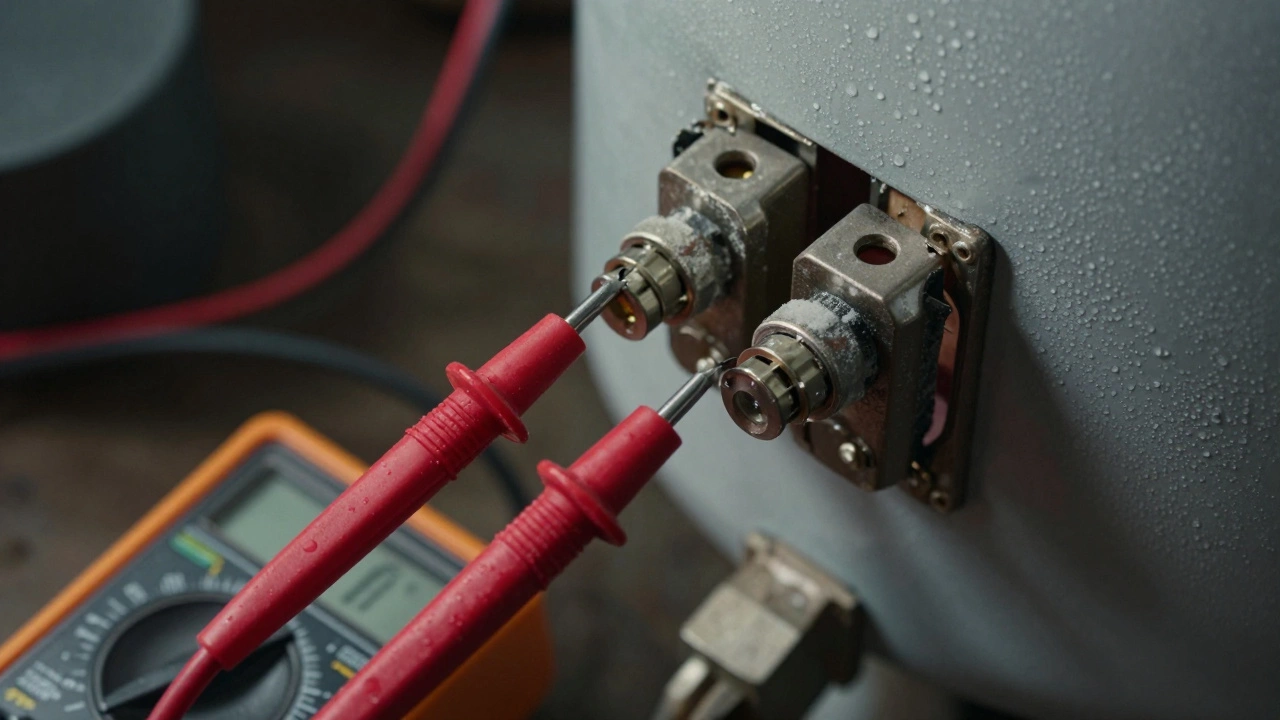
Disconnect the wires from the element. Set your multimeter to the resistance (ohms) setting. Touch one probe to each terminal on the element. If the meter reads between 10 and 16 ohms, the element is good. If it reads zero, the element is shorted. If it reads infinity (OL or no reading), the element is open-and dead.
Now test for grounding. Put one probe on a terminal and the other on the metal tank. If the meter shows any reading at all-even a small number-the element is leaking electricity into the tank. That’s dangerous and means it must be replaced immediately.
Test both the upper and lower elements. It’s common for one to fail before the other. Replacing just the bad one saves money and avoids unnecessary work.
Why Hard Water Makes Elements Fail Faster
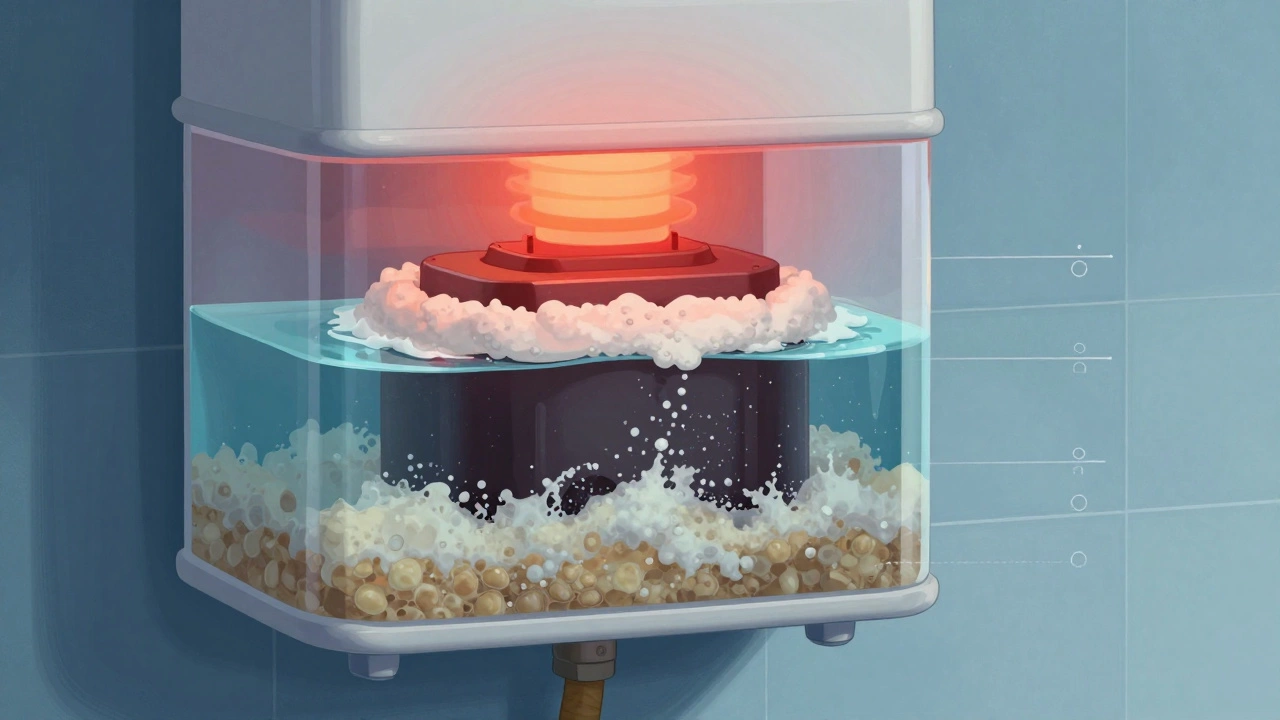
Adelaide’s water is notoriously hard, especially in suburbs like Salisbury and Gawler. Hard water contains high levels of calcium and magnesium. These minerals settle out when water is heated and cling to the heating elements like a layer of scale.
This scale doesn’t just reduce efficiency-it physically damages the element. The coating traps heat, causing the metal to overheat and crack. It also creates hot spots that accelerate corrosion. A water heater in a hard water area can see element failure in as little as 5 years, while in softer areas, elements may last 10-15 years.
Flushing your tank annually helps, but it doesn’t remove scale that’s already bonded to the element. The best long-term fix is installing a water softener. If that’s not an option, replacing elements with heavy-duty, low-density models can extend their life. These are designed to run cooler and resist scaling better than standard elements.
What to Do When You Find a Bad Element
If your multimeter confirms a bad element, replacement is straightforward-but not always simple. You’ll need a new element that matches the voltage (240V), wattage (usually 3,500 or 4,500 watts), and type (screw-in or bolt-in). Most residential units use screw-in elements with a 1-inch thread.
Turn off the power and water supply. Drain the tank until the water level is below the element. Use a wrench to remove the old element. Clean the threads on the tank opening with a wire brush. Apply plumber’s tape to the threads of the new element. Screw it in tightly-don’t overtighten, or you’ll strip the threads.
Refill the tank completely before turning the power back on. Air trapped in the tank can cause the new element to burn out instantly. Open a hot water tap upstairs and let it run until water flows steadily. Only then, restore power.
If you’re not comfortable with any of these steps, call a licensed plumber. Working with electricity and pressurized water carries risk. But if you’ve got basic tools and follow the steps, you can save $200-$300 on a service call.
When to Replace the Whole Water Heater
Replacing a single element is cheap and easy. But if your water heater is over 10 years old, and you’re already replacing elements, it’s worth asking: is this worth it?
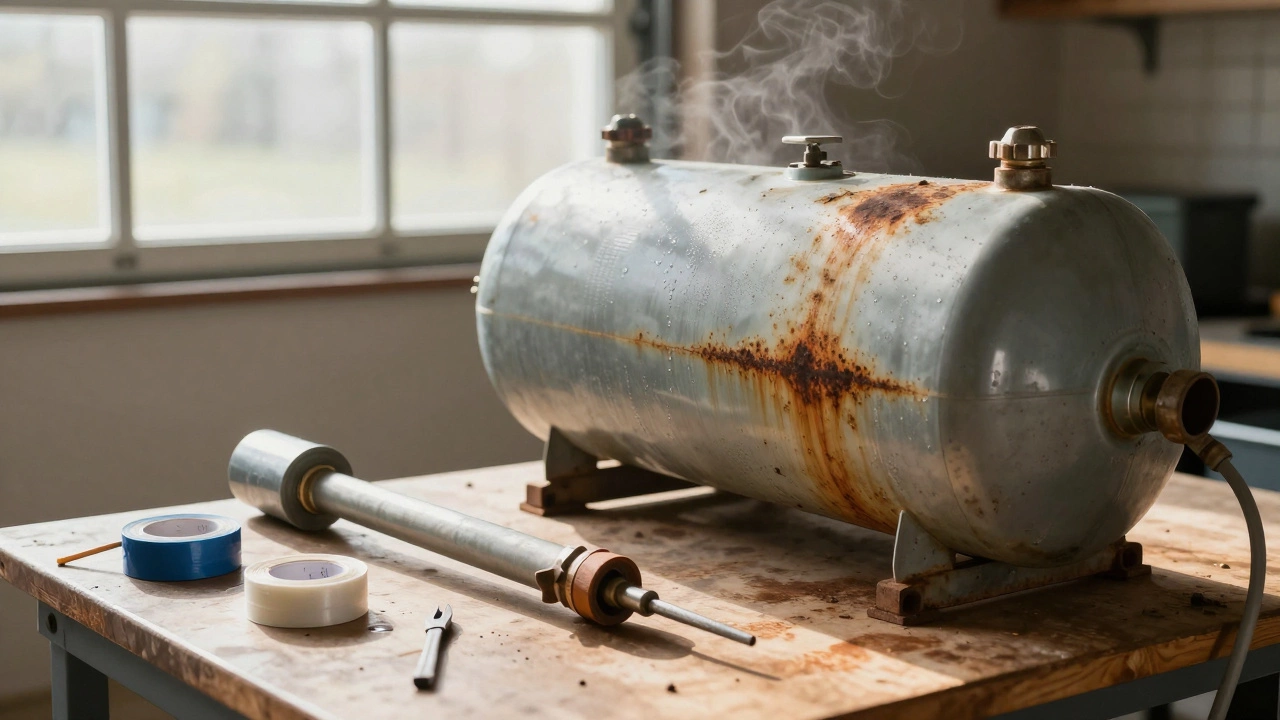
Older tanks corrode from the inside. Even if you replace both elements, the tank itself may be rusting. Look for puddles under the heater, rust stains on the outside, or a hissing sound when you open the pressure relief valve. These are signs the tank is failing.
Modern water heaters are 20-30% more efficient than models from 10 years ago. A new 50-gallon unit with a 10-year warranty and heat pump compatibility can cut your energy bill by hundreds of dollars a year. If your heater is older than 10 years and you’ve had to replace elements more than once, it’s time to upgrade.
Consider switching to a heat pump water heater. They’re becoming standard in new builds across South Australia. They use ambient air to heat water, using only a quarter of the electricity of a standard electric model. Many councils offer rebates, and the payback period is often under 3 years.
Preventing Future Element Failures
Once you’ve fixed or replaced your element, don’t let it happen again. Flush your tank every 6-12 months. This removes sediment before it builds up. Install a water softener if your water hardness exceeds 10 grains per gallon-common in many Adelaide suburbs.
Set your thermostat to 50°C. Higher temperatures speed up mineral buildup and corrosion. Lower temperatures reduce scale and extend element life. Also, consider installing a sacrificial anode rod if yours is worn out. The anode attracts corrosion away from the tank and elements.
Keep the area around your water heater dry. Moisture encourages rust on the tank and electrical connections. A simple drip tray can catch leaks and protect your floor.
Most importantly, keep a record. Note the date you replaced elements, flushed the tank, or changed the anode. That way, you’ll know when maintenance is due-and avoid surprises.
Can a bad water heater element cause a breaker to trip?
Yes. A failing element can short out internally, sending excess current through the circuit. This triggers the breaker to trip as a safety measure. If your breaker keeps tripping after resetting, and you’ve ruled out other issues like a faulty thermostat, the element is the most likely cause.
How long do water heater elements usually last?
In soft water areas, elements can last 10-15 years. In hard water areas like Adelaide, they often fail in 5-8 years due to mineral buildup. Heavy-duty or low-density elements last longer, especially if the tank is flushed regularly.
Is it safe to test a water heater element without draining the tank?
You can test the element without draining the tank, but you must turn off the power first. Water doesn’t interfere with the multimeter reading, but you need clear access to the terminals. Draining a few liters makes it easier to remove panels and insulation safely.
Why do I still get some hot water if the element is bad?
Electric water heaters have two elements. If the lower element fails, the upper one still works. That means you’ll get hot water from the top of the tank, but it runs out quickly because the bottom isn’t being heated. You’ll notice this as a short burst of hot water followed by cold.
Can I replace just one element, or do I need to replace both?
You only need to replace the element that’s bad. But if your heater is over 8 years old, it’s often worth replacing both at the same time. The other element is likely near the end of its life, and doing both at once saves you from having to drain the tank twice.
If you’ve noticed your hot water running out faster than usual, or you’re getting strange noises from your tank, don’t ignore it. A bad element is one of the most common-and easiest-to-fix problems in home water heating. With the right tools and a little patience, you can diagnose it yourself and save money. But if you’re unsure about working with electricity, call a professional. Safety always comes first.