Freezer Breakdown Food Safety Checker
Step 1: Situation Details
Step 2: Select Food Type
Click on the food category you want to check:
Important Notes:
Select your situation details
Choose how long the power was out, the current state of your food, and the food type to get safety recommendations.
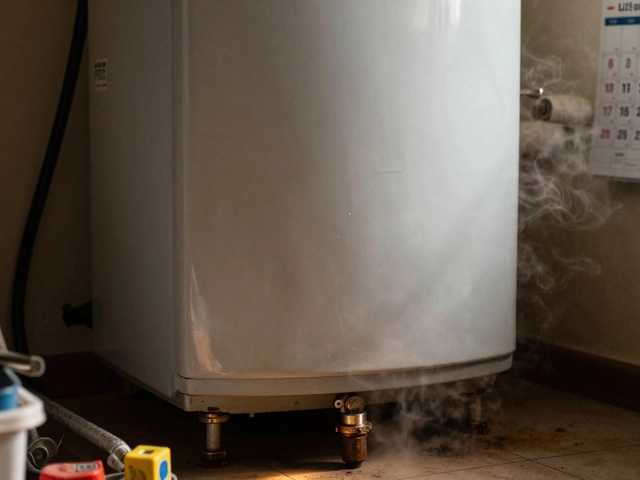
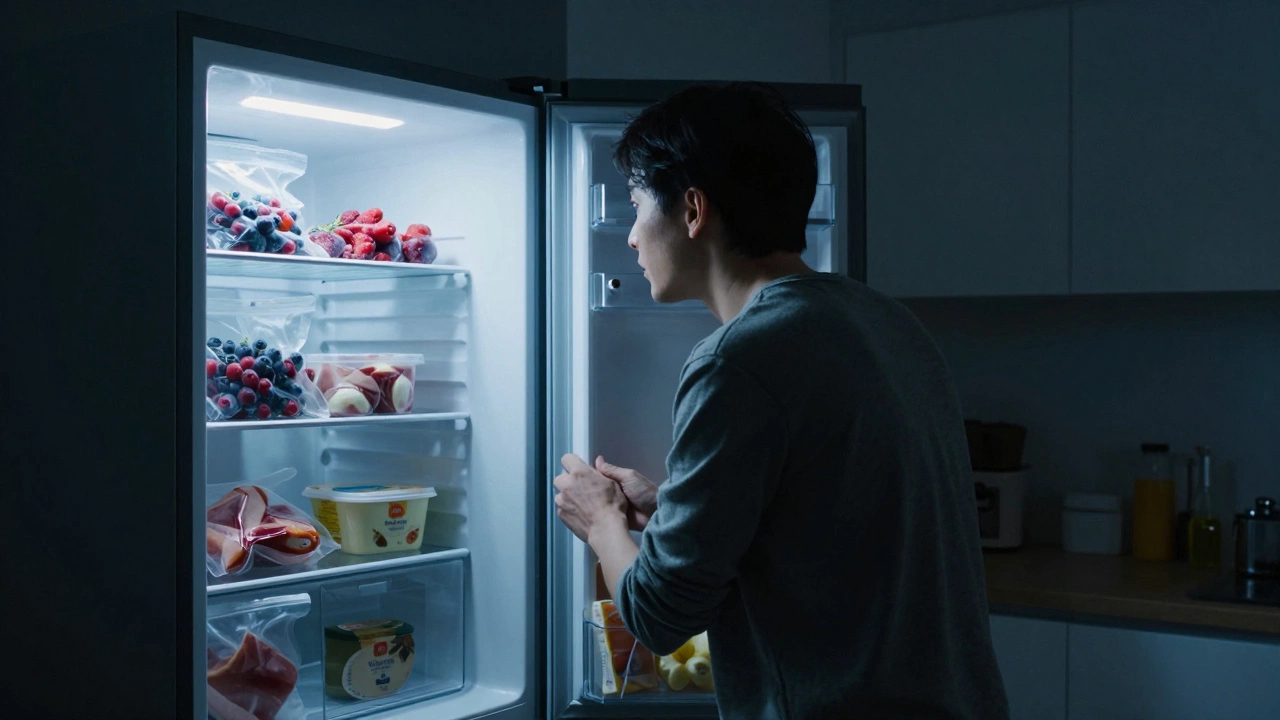
It’s 2:00 AM on a Tuesday in Adelaide. You wake up because the house is unusually quiet. The hum of your fridge has stopped. You open the freezer door, expecting the usual blast of cold air, but it feels… lukewarm. Panic sets in immediately. Inside are months of stockpiled groceries: frozen berries, steaks, ice cream, and that expensive salmon you bought for dinner next week. Is any of it still good? Or have you just lost hundreds of dollars worth of food?
This scenario happens more often than you’d think. Whether it’s a tripped circuit breaker, a faulty thermostat, or a compressor failure, freezer breakdowns are a common headache for homeowners. The short answer is: maybe. It depends entirely on how long the power was out and whether you kept the door shut. But before you start tossing everything into the bin, you need to know the rules.
If you’re dealing with a sudden silence from your appliance, the first thing to do is check if the issue is electrical or mechanical. Sometimes, a simple reset fixes the problem. Other times, you need a professional. For those who find themselves needing urgent assistance in specific locations, resources like this directory might offer local contacts, though for appliance issues, sticking to certified technicians is always safer. Back to the food-let’s figure out what’s salvageable.
The Golden Rule: Time and Temperature
Food safety isn’t about guessing; it’s about physics and biology. Bacteria grow rapidly between 5°C and 60°C (the "Danger Zone"). Your freezer should be at -18°C or lower. When the power cuts, the temperature inside rises slowly-if the door stays closed. Here is the general rule of thumb:
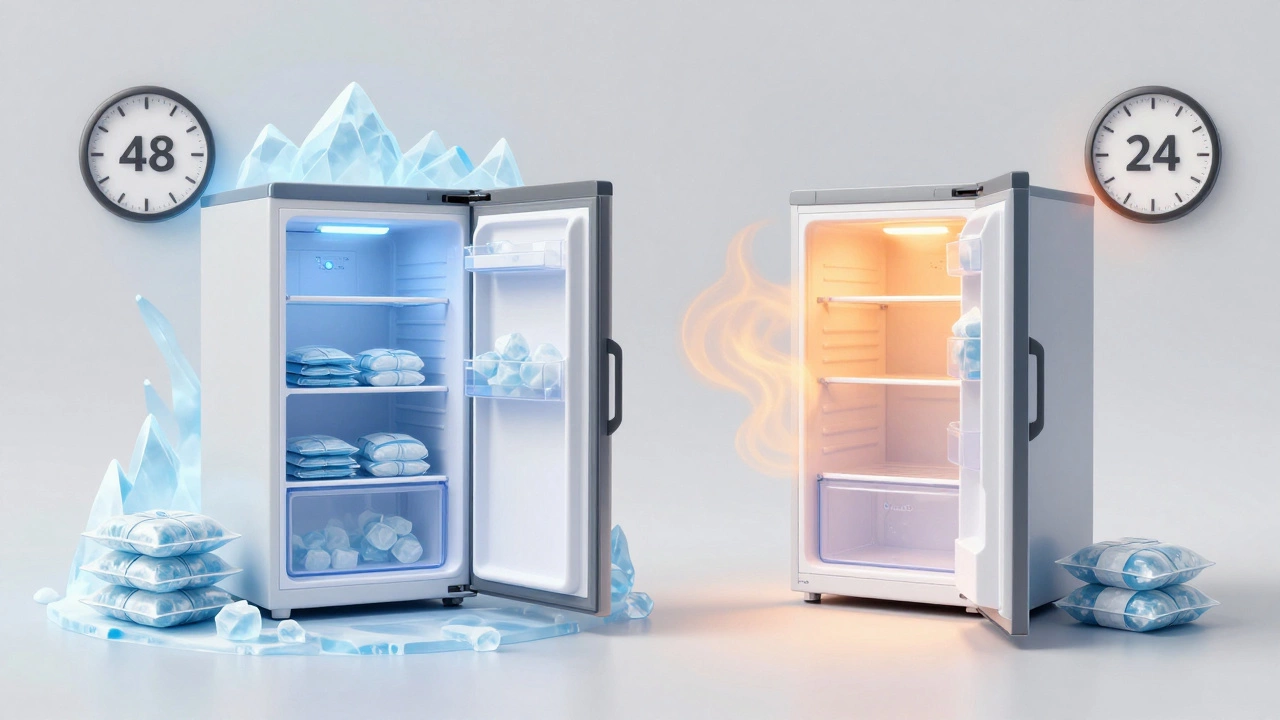
- Fully packed freezer, door closed: Keeps safe for approximately 48 hours.
- Half-packed freezer, door closed: Keeps safe for approximately 24 hours.
- Door opened frequently: Ice melts much faster, reducing safe time to just a few hours.
If the power was out for less than 24 hours and the thermometer inside reads 4°C or below, your food is likely fine. If it’s been longer, or if there are still ice crystals present, the food may still be safe to refreeze, even if it’s thawed. Why? Because bacteria don’t multiply significantly at freezing temperatures. However, quality will suffer. Texture changes, moisture loss, and flavor degradation are real risks.
How to Check If Your Food Is Still Good
You can’t rely on smell alone. Some pathogens, like Listeria or Salmonella, don’t produce odors until they’ve already made you sick. Instead, use this step-by-step inspection method:
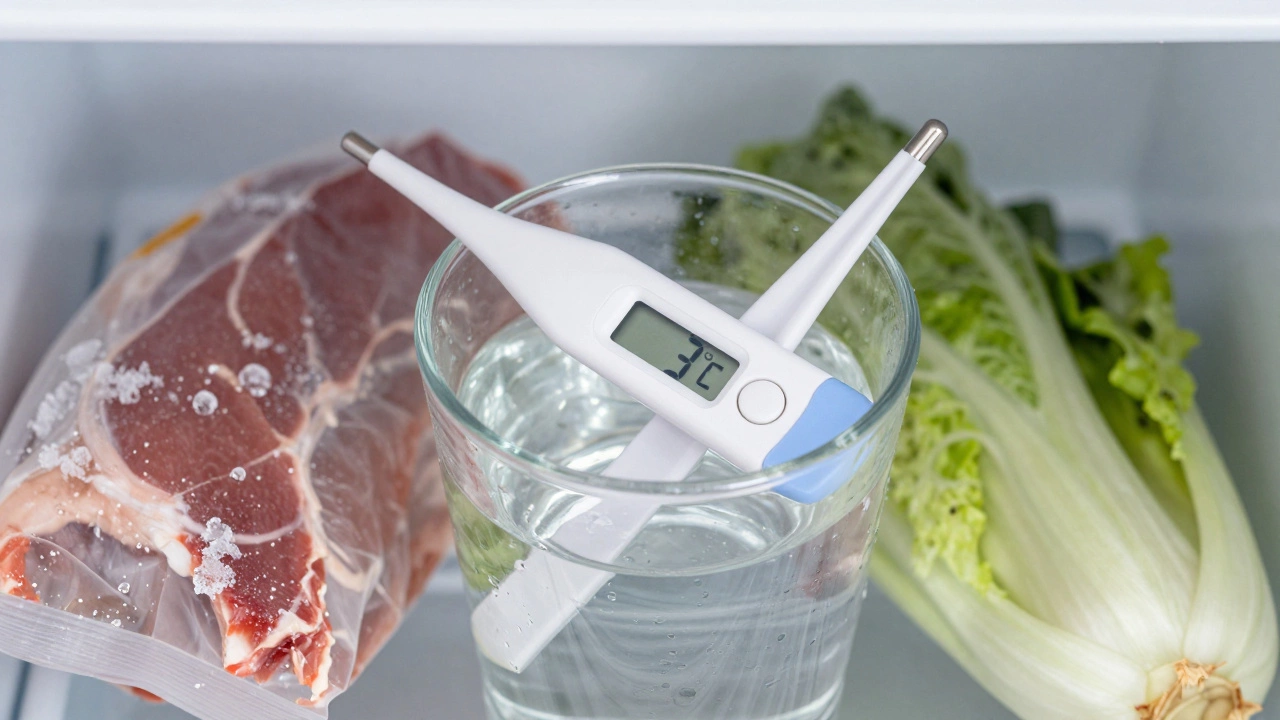
- Check the Thermometer: Most modern freezers have internal thermometers. If yours doesn’t, place one in a glass of water and leave it in the center of the freezer. This gives you an accurate reading of the core temperature.
- Look for Ice Crystals: If individual items still have ice crystals on them, or feel as cold as refrigerator temperature (4°C or below), they can be refrozen. The texture might change slightly, but they are safe.
- Inspect Packaging: Leaking bags or broken seals are bad signs. If juices have leaked out and mixed with other foods, cross-contamination is a risk. Discard these items.
- Smell and Touch: If meat smells sour, slimy, or off, throw it away. If vegetables look mushy or discolored beyond normal thawing, discard them.
Remember: when in doubt, throw it out. Medical bills cost far more than a bag of frozen peas.
What to Keep and What to Toss
Not all frozen foods react the same way to thawing. Some are resilient; others are high-risk. Here’s a breakdown by category:
| Food Type | Safety Status | Action |
|---|---|---|
| Raw Meat, Poultry, Fish | High Risk | If thawed completely & above 4°C, discard. If icy/refrigerator temp, cook immediately or refreeze. |
| Cooked Meat/Leftovers | Medium Risk | Same as raw meat. Cook thoroughly if unsure. |
| Vegetables/Fruits | Low Risk | Safe to eat if thawed. Quality drops. Refreeze if icy. |
| Dairy (Ice Cream, Butter) | Medium Risk | Ice cream loses texture. Butter is usually safe if wrapped well. Cheese may mold. |
| Bread/Bakery Items | Low Risk | Safe to eat. May become soggy. Refreeze if dry. |
| Eggs (Frozen) | Low Risk | Safe if thawed in fridge. Do not refreeze unless cooked. |
One critical note: never refreeze raw meat that has fully thawed and warmed up. Cooking it first is the only way to make it safe again. And once cooked, you can freeze the leftovers.
Signs Your Freezer Needs Repair (Not Just a Power Cut)
If your freezer isn’t keeping things cold even when the power is on, you have a mechanical issue. Ignoring this leads to wasted food and higher electricity bills. Watch for these red flags:
- Frost Buildup: Thick layers of frost inside indicate a defrost heater or thermostat failure. This insulates the cooling coils, making the freezer work harder.
- Noise Changes: A loud humming, clicking, or buzzing sound often points to a failing compressor or fan motor.
- Warm Air: If the back wall of the freezer feels warm instead of cold, the refrigerant may be leaking or the compressor is dead.
- Condensation: Water pooling around the base suggests a clogged drain line or door seal leak.
In Adelaide, where summer heatwaves push ambient temperatures above 40°C, freezers work overtime. A unit that struggled in July might fail completely in January. Regular maintenance-cleaning coils, checking seals, and ensuring proper ventilation-can extend its life by years.
Emergency Steps During a Power Outage
If you’re facing a prolonged blackout, take action immediately to save your food:
- Keep the Door Shut: Every time you open the door, you lose precious cold air. Resist the urge to check every 10 minutes.
- Add Ice Packs: Fill plastic bags with water and freeze them beforehand. During an outage, they act as thermal mass, slowing the temperature rise.
- Group Food Together: Pack items tightly together. Mass retains cold better than isolated packages.
- Use Dry Ice: If available, add dry ice to the freezer. Place it on top of perishables. Wear gloves when handling it.
- Monitor Temperature: Use an appliance thermometer. Don’t rely on the built-in dial, which can be inaccurate during fluctuations.
If the power is out for more than 24 hours, consider transferring food to a neighbor’s working freezer or buying a portable cooler with ice. Prevention is cheaper than replacement.
When to Call a Professional
Some problems are DIY-friendly: cleaning condenser coils, replacing door gaskets, or resetting the thermostat. But if the compressor isn’t running, or if you suspect a refrigerant leak, call a licensed technician. Refrigerants are regulated substances, and mishandling them is illegal and dangerous.
Look for technicians who specialize in Freezer Repair and have experience with your brand. Ask about warranty coverage and diagnostic fees. In Australia, ensure they hold appropriate insurance and licenses. A quick fix now can prevent a total system failure later.
Can I eat food that thawed and then refroze?
Yes, if it still contains ice crystals or is at 4°C or below. Quality may decline, but safety remains intact. Never refreeze fully thawed raw meat without cooking it first.
How long does a full freezer stay cold without power?
Approximately 48 hours if the door remains closed. A half-full freezer lasts about 24 hours. Opening the door reduces this time significantly.
What should I do if my freezer makes a loud noise?
Loud noises often indicate a failing compressor, fan motor, or ice buildup. Turn off the unit and contact a repair specialist. Continuing to run it may cause further damage.
Is it safe to eat ice cream that melted and refroze?
It’s safe from a bacterial standpoint, but the texture will be grainy and icy. Stirring it while partially thawed can help restore smoothness, but results vary.
How can I tell if my freezer door seal is leaking?
Close the door on a dollar bill. If you can pull it out easily, the seal is weak. Replace the gasket to maintain efficiency and prevent frost buildup.