Electric Hob Repair Cost & Decision Tool
Repair Estimator
💡 Pro Tip: The 50% Rule
If the repair cost exceeds 50% of the price of a new comparable model, it is generally more cost-effective to replace the appliance, especially if the unit is over 10 years old.
Quick Price Breakdown
- Minor Electrical Fixes: $120 - $250
- Heating Element Replacement: $180 - $350
- Glass Surface Repair/Replacement: $200 - $600
- Control Board (PCB) Replacement: $250 - $500+
- Average Total Service Call: $150 - $400
Breaking Down the Bill: Labor and Call-Out Fees
Before a technician even touches your appliance, you'll usually pay a call-out fee. In 2026, most professional engineers charge between $80 and $150 just to show up and diagnose the problem. This fee covers their travel and the first 30 to 60 minutes of labor. If you live in a remote area or call someone out on a weekend, expect these rates to climb.
When it comes to the actual work, Electric Hob Repair is the process of diagnosing and fixing malfunctions in electrical cooktops, including ceramic and induction models. It generally involves testing electrical continuity, replacing failed components, and ensuring the unit is safely grounded. Labor is typically billed hourly or as a flat rate per part. A simple fix, like replacing a thermal fuse, might only take 20 minutes, but if the technician has to dismantle the entire chassis to reach a wiring loom, you'll be paying for several hours of expert time.
The Cost of Replacing Common Parts
The parts themselves are where the price swings happen. A generic replacement part is cheap, but an OEM (Original Equipment Manufacturer) part from a brand like Bosch or Miele will cost a premium. Let's look at the big three culprits that usually fail.
First, the heating elements. On a traditional electric hob, the Heating Element is a resistive coil that converts electrical energy into heat . If one zone stays cold while the others work, you're likely looking at a part cost of $50 to $150, plus labor. For induction hobs, the "element" is actually a copper coil that creates a magnetic field; these are more expensive and often integrated into the board.
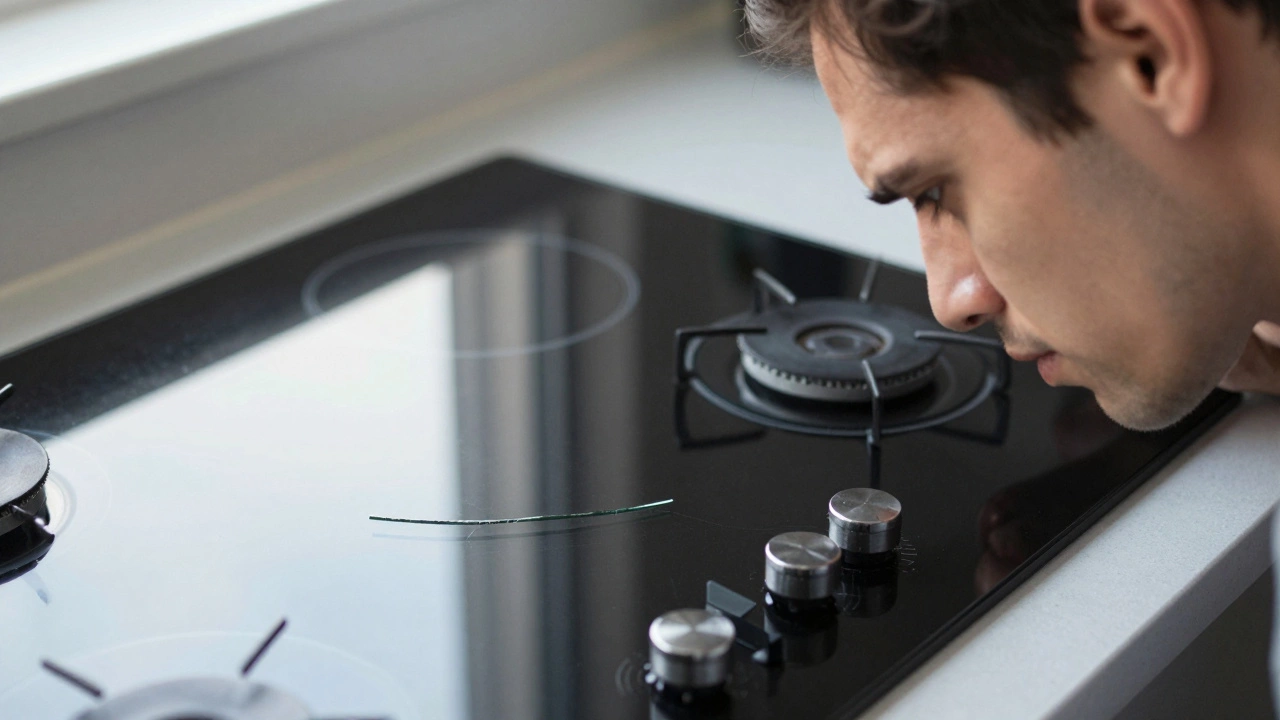
Then there's the glass. A cracked Ceramic Glass is a heat-resistant glass-ceramic surface that protects the internal electronics of a hob . If you dropped a heavy pot and shattered the top, be prepared for a hit. Replacing the glass is labor-intensive because the technician has to move the heating elements and electronics to fit the new pane. Depending on the size and brand, the glass alone can cost $150 to $400.
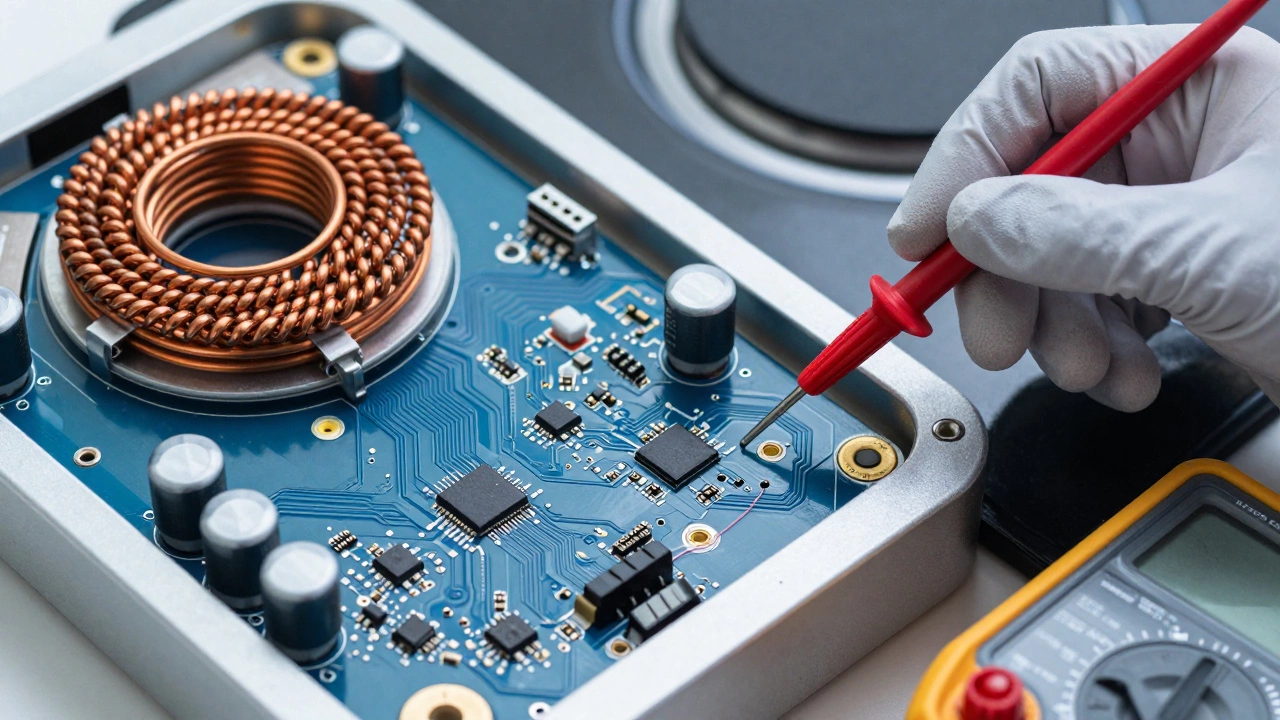
Finally, the "brain" of the operation: the PCB. The PCB (Printed Circuit Board) is the main electronic control module that manages power distribution and user settings . If your touch controls are flickering or the hob won't turn on at all, the PCB is often the culprit. These boards are expensive, ranging from $120 to $300 for the part alone.
| Component | Average Part Cost | Estimated Labor | Total Estimated Cost |
|---|---|---|---|
| Thermal Fuse / Wiring | $20 - $60 | $80 - $120 | $100 - $180 |
| Heating Element | $60 - $160 | $100 - $180 | $160 - $340 |
| Control Board (PCB) | $120 - $300 | $120 - $200 | $240 - $500 |
| Glass Surface | $150 - $400 | $150 - $300 | $300 - $700 |
Induction vs. Ceramic: Which is Cheaper to Fix?
If you're choosing between the two, induction hobs are generally more expensive to repair. Why? Because they rely on complex Induction Cooking technology, which uses electromagnetic fields to heat the pan directly. The electronics are far more sophisticated than the simple resistive coils in a ceramic hob. When an induction board fails, you can't usually "patch" it; you have to replace the entire module.
Ceramic hobs, on the other hand, are more robust in terms of electronics but more prone to physical damage. The cost of electric hob repair cost for a ceramic unit usually centers around the heating elements, which are easier to swap out individually. With induction, a failure in the power management system often means the whole unit is compromised.
The "Repair vs. Replace" Decision Tree
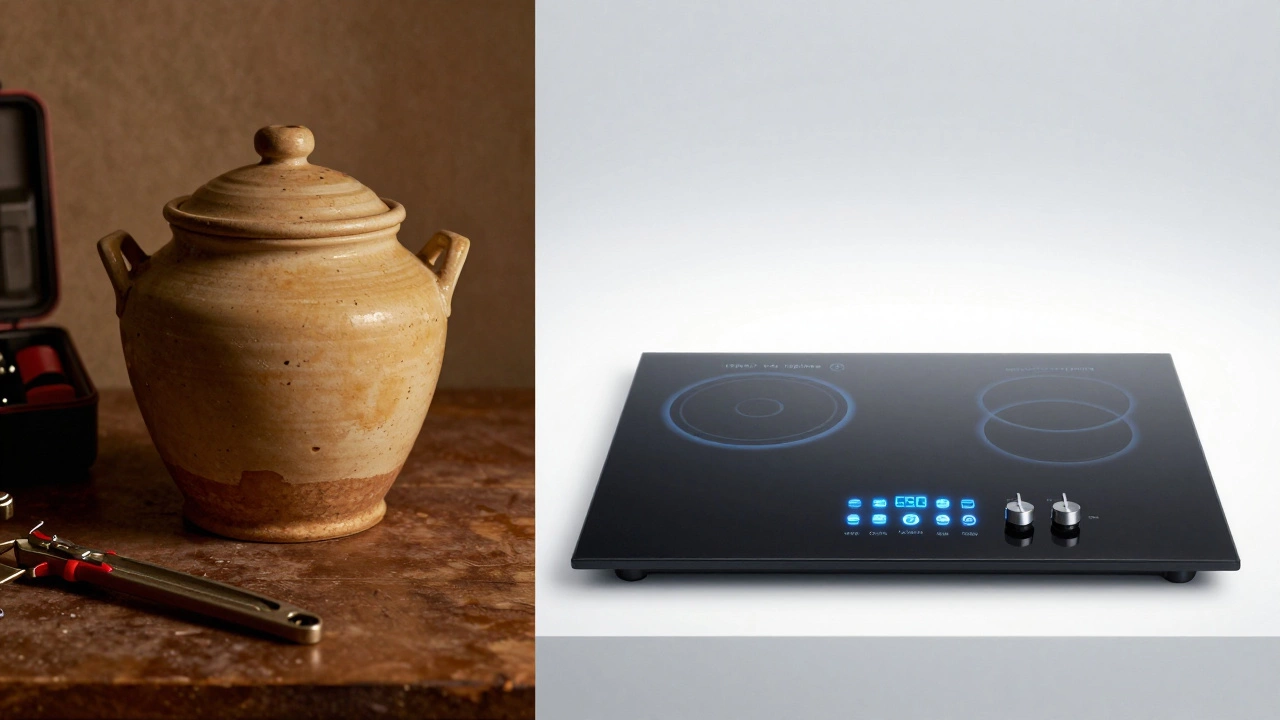
How do you know when to stop throwing money at an old appliance? A good rule of thumb is the 50% rule: if the repair cost is more than 50% of the price of a new, comparable model, it's usually time to move on.
Consider these factors before calling the technician:
- Age of the Unit: If your hob is over 10 years old, parts might be hard to find, and other components are likely nearing the end of their life.
- Energy Efficiency: New induction models are significantly more energy-efficient than older ceramic or coil hobs. The monthly savings on your power bill might justify the upgrade.
- Warranty: Check if you have an extended warranty. Many modern hobs have 2-year warranties on the glass or 5-year warranties on the motor/elements.
For example, if a technician quotes you $400 to fix a control board on a hob that you bought for $500 eight years ago, you're better off spending $600 on a brand new, energy-efficient model with a fresh warranty.
Red Flags and Pitfalls to Avoid
Be wary of "budget" repair services that don't offer a guarantee on their work. A reputable engineer should provide at least a 3-to-6 month warranty on the parts they install. If someone offers to fix your hob for a suspiciously low price, they might be using generic, non-certified parts that don't meet safety standards. This is particularly dangerous with high-voltage appliances where a loose wire or poor insulation can lead to electrical fires.
Another common pitfall is attempting a DIY fix on the PCB. Unless you are trained in electronics, poking around a live circuit board can result in a lethal shock or a completely fried unit. While changing a lightbulb is easy, replacing a heating element requires isolating the power at the main breaker and verifying it with a multimeter.
Can I fix a cracked electric hob glass myself?
It's not recommended. Replacing the glass requires removing the entire cooktop from the counter and disconnecting the heating elements. Without the proper tools and safety knowledge, you risk damaging the internal electronics or creating a fire hazard due to improper sealing.
Why is my induction hob making a buzzing noise?
A slight hum or buzz is normal for induction hobs as the magnetic field vibrates the cookware. However, a loud, grating noise could indicate a failing cooling fan or a problem with the induction coil. If the noise is accompanied by a lack of heat, you'll likely need a technician to check the power board.
How long does a typical electric hob repair take?
Simple electrical fixes or element replacements usually take between 1 and 2 hours. Glass replacement is a bigger job and can take 3 to 5 hours depending on the model and the complexity of the installation.
Does a broken hob void my home insurance?
Generally, no. However, if the hob caused a fire due to a faulty DIY repair, your insurance company might refuse the claim. Always use a certified professional for electrical work to ensure your home remains covered.
Is it worth repairing an old ceramic hob?
If the cost is under $200 and the unit is in good condition, it's worth it. But if you're facing a $300+ bill for an appliance that's 12 years old, you'll save more money in the long run by upgrading to a modern induction hob.
What to do next
If you're currently dealing with a broken hob, your first step should be to check the basics. Is the circuit breaker tripped? Is the unit getting power? If the power is fine but the heat is gone, document the model number found on the underside of the unit or in the manual. This allows the repair company to give you a more accurate quote over the phone and ensures they bring the right parts on the first visit.
Depending on your situation, your path will vary:
- Under Warranty: Contact the manufacturer immediately. Do not attempt to open the unit, as this will void your guarantee.
- Out of Warranty / Minor Issue: Call a local certified electrician for a diagnostic visit.
- Severe Damage (Shattered Glass/Fried Board): Compare the repair quote against the price of a new mid-range hob. If the gap is less than $300, go for the new one.