Hot Water Troubleshooter
Select your system type and current status to receive tailored troubleshooting steps.
Diagnosis
You wake up, step into the shower, and brace for a blast of warmth. Instead, you get a shock of ice-cold water that makes your toes curl. It’s frustrating, especially when you have places to be or guests coming over. Before you panic and call a plumber for an emergency call-out fee, take a breath. Most cases of hot water not turning on are simple issues you can diagnose yourself in under ten minutes. Whether you’re dealing with a gas system or an electric unit, the culprit is usually one of three things: a tripped breaker, a extinguished pilot light, or a faulty thermostat.
This guide walks you through exactly how to identify the problem based on your system type. We’ll cover safety checks first-because messing with gas or electricity isn’t something to guess at-and then move into specific fixes for common scenarios. By the end, you’ll know if this is a DIY fix or if it’s time to hand the keys to a professional.
Safety First: Know Your System Type
Before touching anything, you need to know what powers your hot water. In Australia, we mostly see two types: electric storage units and gas continuous flow systems. Knowing which one you have changes the entire troubleshooting path.
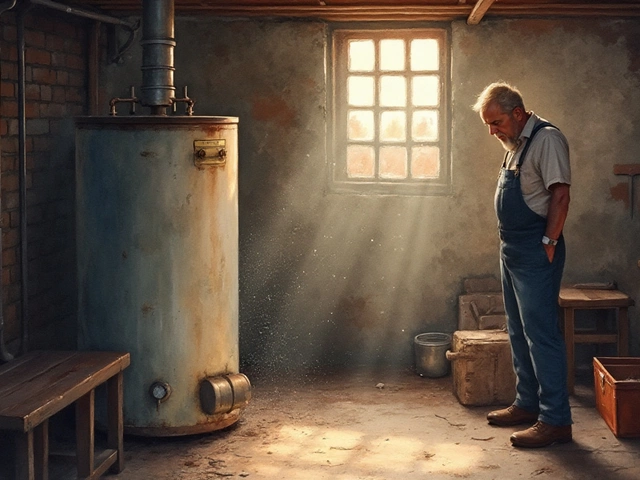
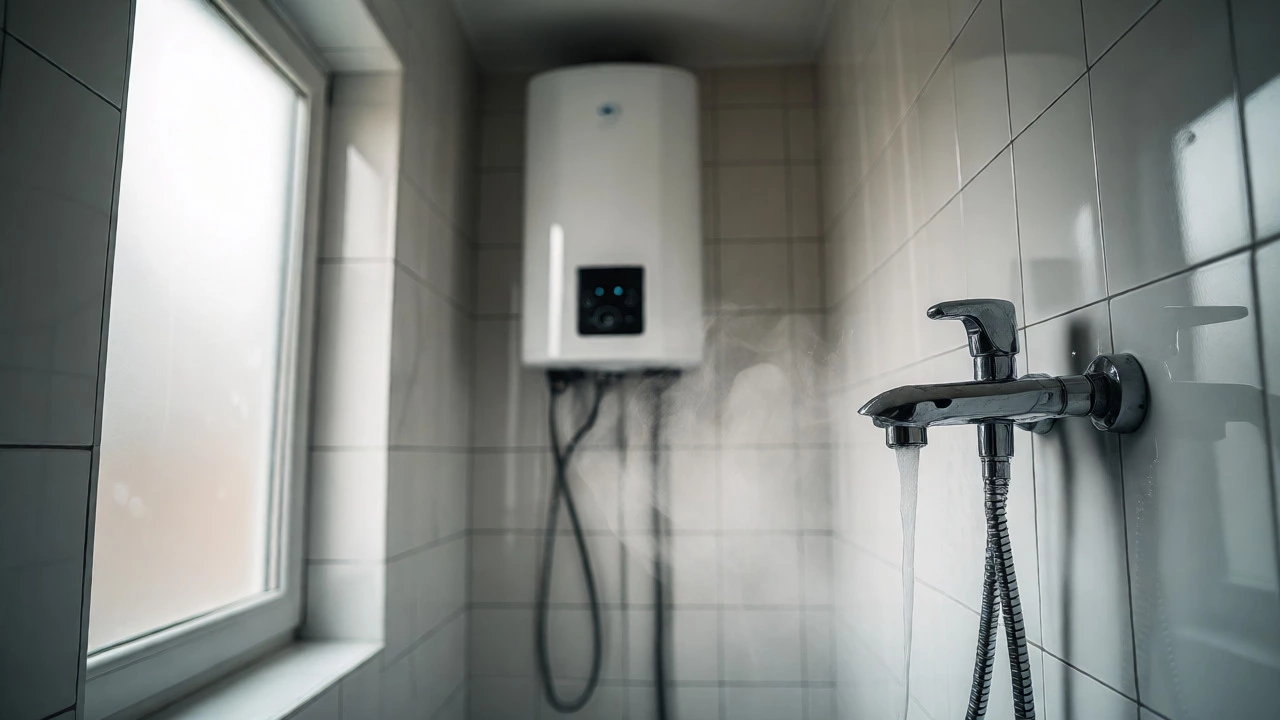
If you have a large metal cylinder sitting in your garage or cupboard, you likely have an Electric Storage Hot Water System. These heat water slowly and store it for later use. They rely on electricity to heat elements inside the tank. If you have a slim, wall-mounted box near your kitchen or bathroom, you probably have a Gas Continuous Flow System. These heat water instantly as it passes through the unit using a gas burner.
| System Type | Power Source | First Check Location | Common Failure Point |
|---|---|---|---|
| Electric Storage | Mains Electricity | Switchboard / Breaker | Tripped Circuit Breaker |
| Gas Continuous Flow | Natural Gas / LPG + Mains Power | Pilot Light / Display Panel | Extinguished Pilot or Error Code |
| Heat Pump | Electricity | Unit Fan / Filter | Clogged Air Filter |
Step 1: Check the Power Supply (Electric Systems)
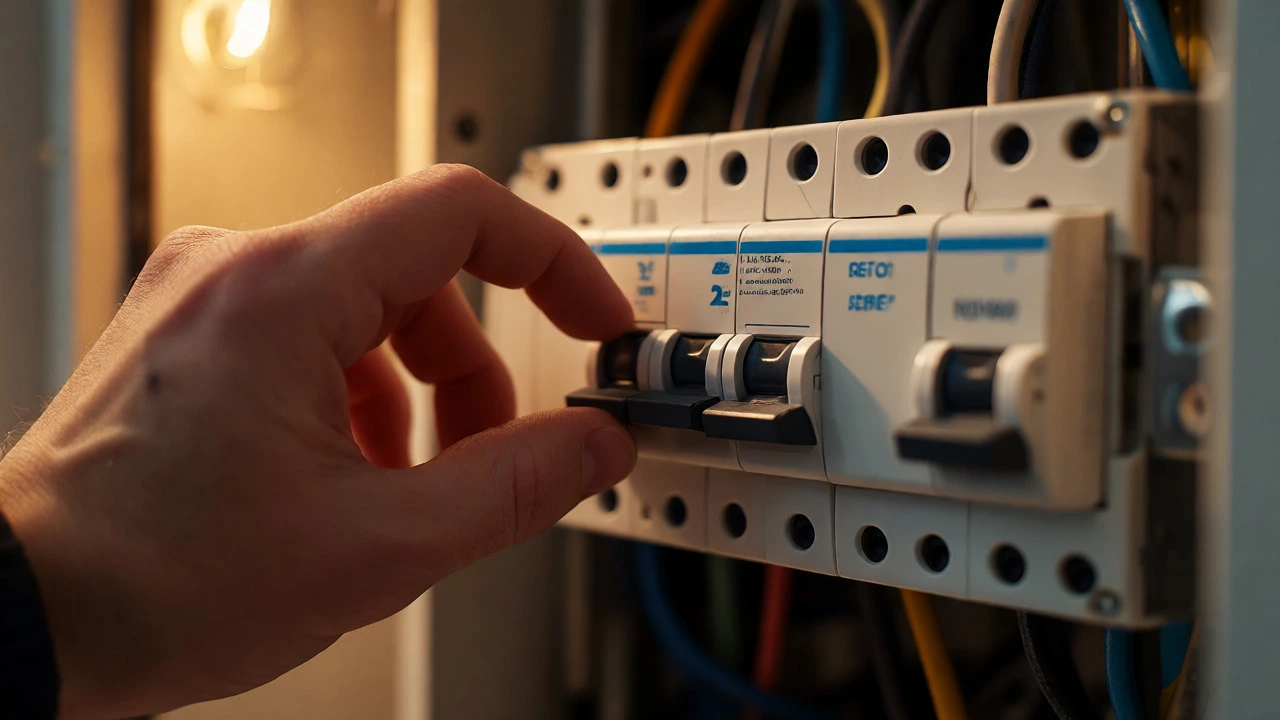
If you have an electric hot water system, the most common reason for no hot water is a tripped circuit breaker. This happens more often than you’d think, especially during storms or power surges. Go to your switchboard. Look for a breaker labeled “Hot Water” or “HW.”
If the switch is in the middle position or pointing down, it has tripped. Flip it firmly to the off position, then back to on. Wait about five minutes. If the breaker stays on, check if you have hot water now. Sometimes, the thermal cut-out device inside the tank trips due to overheating. Resetting the breaker resets this safety mechanism. If the breaker trips again immediately after you reset it, do not keep flipping it. You likely have a shorted heating element or a faulty thermostat, and continuing to force it could cause damage or fire risk.
Step 2: Inspect the Pilot Light (Gas Systems)
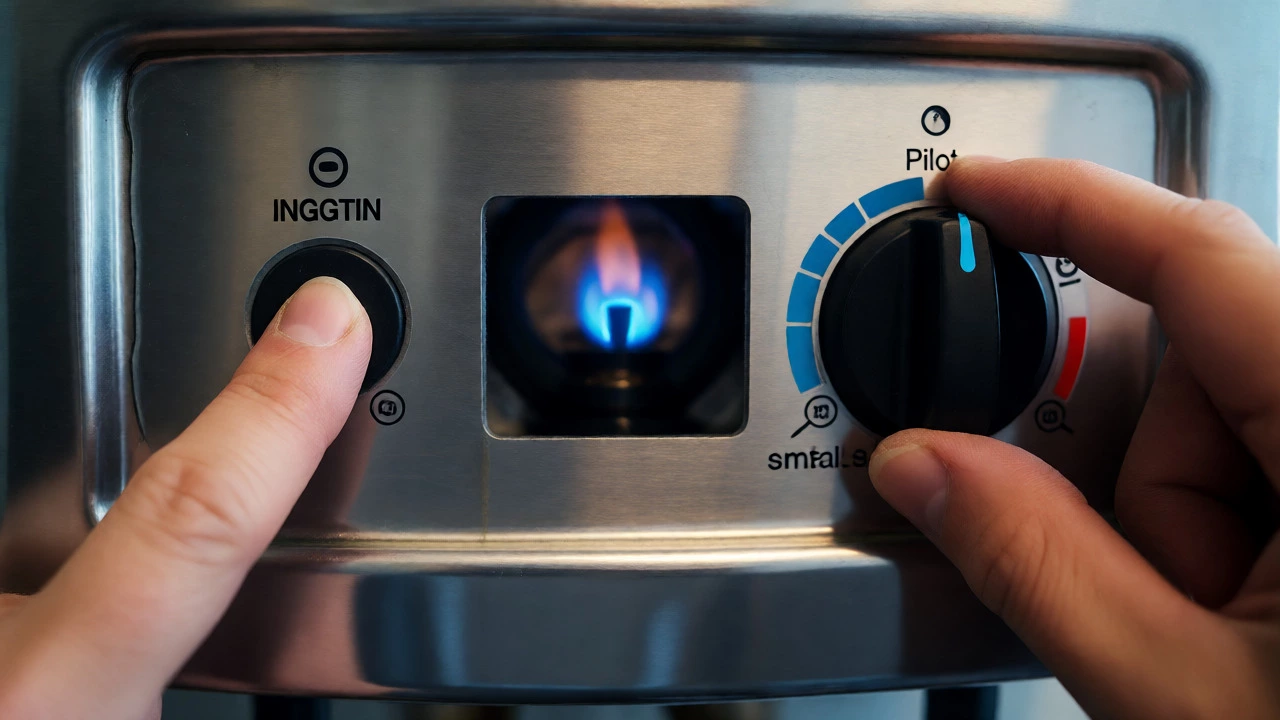
For gas hot water systems, the issue is almost always related to ignition. Modern gas units don’t always have a visible pilot light; many use electronic ignition. However, older models still rely on a small flame staying lit 24/7. If you have a control knob with a “Pilot” setting, try relighting it.
- Turn the gas control valve to “Off” and wait five minutes to let any residual gas clear out.
- Turn the valve to “Pilot.”
- Press and hold the igniter button while simultaneously holding the pilot knob down.
- Watch for the pilot flame to catch. Keep holding the knob for 30-60 seconds after lighting to heat up the thermocouple.
- Release the knob slowly. If the flame stays lit, turn the valve to “On.”
If the pilot light won’t stay lit after you release the knob, the Thermocouple is likely faulty. This safety device senses the heat from the pilot flame. If it doesn’t detect heat, it shuts off the gas supply to prevent leaks. Replacing a thermocouple is a cheap part but requires careful handling of gas fittings. If you aren’t confident working with gas lines, this is where you call a licensed plumber.
Step 3: Decode Error Codes (Modern Units)
Newer digital gas and electric units display error codes on a small LED screen. If your unit shows a code like “E1,” “F5,” or “No Ignition,” grab your manual. These codes tell you exactly what’s wrong. For example, an “Ignition Failure” code might mean the gas pressure is too low, while a “Flow Sensor” error suggests the unit thinks there isn’t enough water moving through it.
Check your water pressure. If your taps are running slow throughout the house, the hot water unit might not activate because it doesn’t sense enough flow. Clean your aerators on faucets and showerheads. Debris from old pipes can clog these tiny mesh screens, reducing flow below the unit’s activation threshold. Once flow improves, the unit should kick in automatically.
Step 4: Check Thermostat Settings
Sometimes the hot water is technically “on,” but the temperature is set so low it feels cold. On electric storage units, the thermostat is usually located behind an access panel on the side of the tank. Ensure the dial is set between 60°C and 65°C. This range prevents Legionella bacteria growth while ensuring comfortable showers.
On gas continuous flow units, the temperature is adjusted via a digital keypad or a dial on the front panel. If someone bumped the setting down to 35°C, your shower will feel lukewarm rather than hot. Adjust it back up and test the water after a few minutes. Note that on gas units, changing the temperature takes effect instantly, whereas electric tanks take time to reheat the stored volume.
When to Call a Professional
You’ve checked the breakers, tried relighting the pilot, and cleaned the filters. Still no hot water? Here are signs you need expert help:
- Water Leaking: If you see puddles around the base of the unit, stop using it. A leaking tank cannot be repaired effectively and needs replacement.
- Burning Smell: A distinct electrical burning odor suggests wiring issues or a failing element. Turn off the power at the switchboard immediately.
- Rusty Water: Brown or orange-tinted hot water indicates internal corrosion. The tank lining may be compromised.
- Noisy Operation: Loud banging or popping sounds (kettling) indicate sediment buildup. While a flush might help, severe cases require professional descaling or tank replacement.
In Adelaide, water hardness varies by suburb. Areas with hard water accelerate sediment buildup, meaning maintenance intervals should be shorter. If your unit is over 10 years old, repairs might cost more than the value of the remaining lifespan. Consider getting a quote for a new energy-efficient model instead of patching an old one.
Preventive Maintenance Tips
Once you’ve got the hot water flowing again, keep it that way. Regular maintenance prevents those sudden cold showers.
- Flush the Tank Annually: Drain a few liters from the bottom valve of an electric tank to remove sediment. This improves efficiency and extends life.
- Check Anode Rods: Electric tanks have sacrificial anodes that protect against rust. Inspect them every 3-5 years. If they’re heavily corroded, replace them.
- Clean Filters: Gas units have inlet filters that catch debris. Rinse them quarterly to ensure proper flow.
Treating your hot water system like your car’s engine pays off. Small checks now save big bills later. And remember, if you smell gas at any point, leave the area and call your gas provider before doing anything else.
Why is my hot water only warm and not hot?
This is often caused by a faulty mixing valve (thermostatic mixing valve) that blends cold water into the hot line incorrectly. It can also happen if the thermostat is set too low or if the heating element in an electric tank has failed partially, leaving only half the tank heated.
Can I reset a hot water system myself?
Yes, for basic resets. For electric systems, flip the breaker off and on. For gas systems, follow the manufacturer's instructions to cycle the power and attempt a pilot relight. Do not attempt to open the gas valve assembly or internal electrical components unless you are qualified.
How long does it take for hot water to come back?
For electric storage tanks, it typically takes 1 to 2 hours to fully reheat a standard 315-liter tank from cold. Gas continuous flow systems provide hot water almost instantly once the unit successfully ignites and stabilizes.
What does a clicking sound from my hot water unit mean?
A rapid clicking sound usually indicates the gas igniter is trying to spark but failing to ignite the burner. This could be due to wet connections, a dirty igniter, or insufficient gas pressure. If it clicks continuously without lighting, turn it off to prevent wear on the ignition module.
Is it dangerous to ignore a tripped hot water breaker?
Yes. If the breaker keeps tripping, it signals an electrical fault like a short circuit or ground fault. Ignoring this can lead to overheating, damaged wiring, or even a fire hazard. Always investigate the root cause rather than just resetting it repeatedly.