
Hot Water Heater Repair Time Estimator
Select your issue and system details to get a realistic estimate of how long your repair will take.
You’re standing in the shower, the cold water hits your back, and you realize the hot water is gone. Panic sets in. You grab your phone to call a plumber, but before you dial, one question dominates your mind: how long will this actually take? The answer isn’t a single number. It depends entirely on what broke, what type of system you have, and whether parts are sitting on a truck or need to be ordered from a warehouse.
In Adelaide, most standard repairs range from 45 minutes to two hours. But if you’re dealing with a complex gas leak issue or a rare part for an older electric unit, it could stretch into half a day. Knowing the likely timeframe helps you plan your day, manage expectations, and avoid paying extra for unnecessary downtime. Here’s the real breakdown of repair times based on common faults.
The Short Answer: Typical Repair Durations
If you need a quick estimate, here is the general rule of thumb for residential systems. These times assume a licensed professional has diagnosed the issue and the necessary parts are available.
| Fault Type | Estimated Time | Complexity Level |
|---|---|---|
| Thermostat Replacement | 30-60 minutes | Low |
| Heating Element Swap (Electric) | 45-90 minutes | Medium |
| Gas Valve Replacement | 1-2 hours | High |
| Anode Rod Replacement | 1-2 hours | Medium |
| Leak Repair (Tank) | 2-4 hours | High |
| Full System Replacement | 3-6 hours | Very High |
Notice the gap between a simple thermostat swap and a tank leak. That difference comes down to access and safety protocols. A thermostat is often behind a small panel; a leaking tank requires draining hundreds of liters of water and potentially moving heavy equipment.
Why Diagnosis Takes Longer Than the Fix
Many homeowners get frustrated when a plumber spends 30 minutes just looking at the unit before touching a tool. This isn’t stalling. Diagnosing a hot water system involves checking electrical continuity, gas pressure, water flow rates, and safety switches. If the diagnosis is wrong, the repair fails, and you pay twice.
For example, if your electric heater isn’t heating, it might look like a broken element. But it could also be a tripped thermal cut-off switch due to overheating caused by sediment buildup. If the plumber replaces the element without flushing the tank, the new element burns out in weeks. Proper diagnosis ensures the root cause is addressed, not just the symptom.
- Visual Inspection: Checking for corrosion, leaks, or burnt wiring.
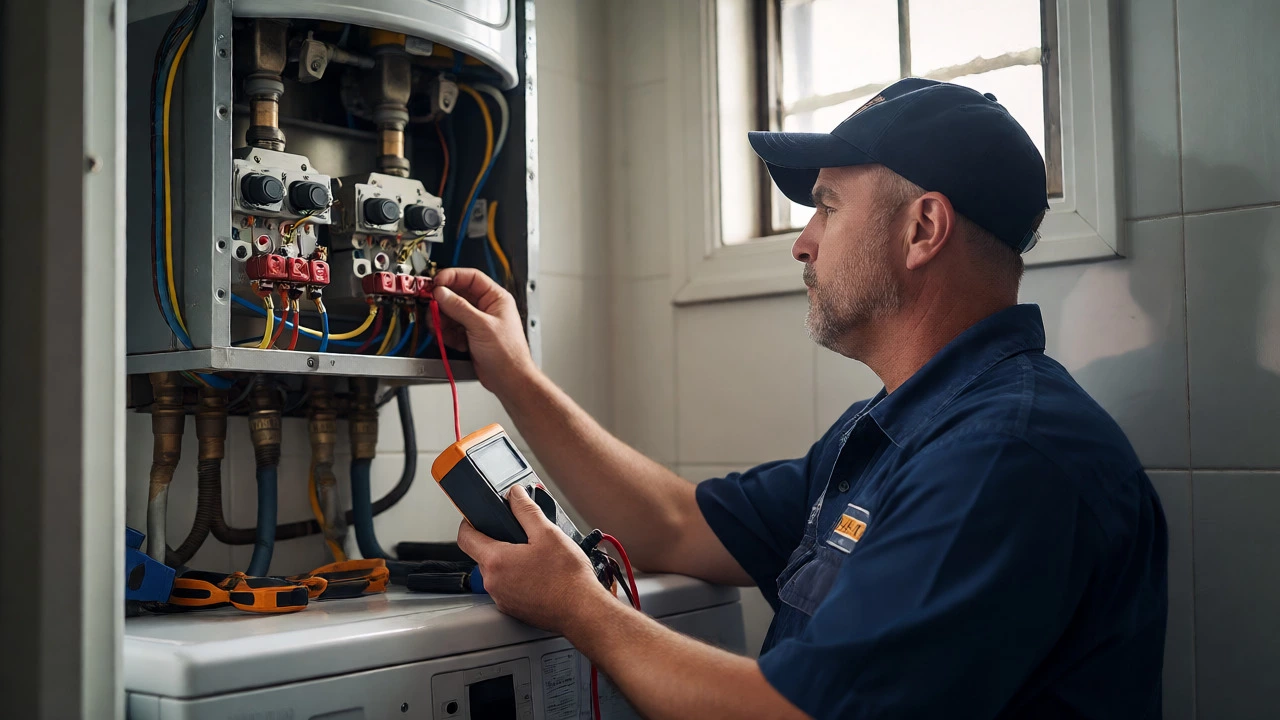
- Electrical Testing: Using a multimeter to check voltage and resistance.
- Gas Pressure Check: Ensuring the gas supply meets manufacturer specs.
- Flow Test: Verifying that water is moving through the heat exchanger correctly.
Factors That Slow Down Repairs
Several variables can turn a quick job into a long afternoon. Understanding these helps you prepare for potential delays.
Access Issues
If your hot water heater is tucked away in a tight cupboard, under a house, or on a high shelf, the plumber loses time maneuvering tools. In older Adelaide homes, units are often installed in cramped laundry nooks. Removing an element or replacing a valve in these spaces can take double the time compared to a unit in an open garage.
Part Availability
Most plumbers carry common parts like thermostats, elements, and mixing valves. However, if you have a niche brand or an older model (over 10 years old), they might need to visit a supplier. In Adelaide, major suppliers are central, so a trip to pick up a part adds 1-2 hours to the total job time. Always ask if the part is in stock before booking.
Sediment Buildup
Hard water in many Australian regions leads to mineral deposits inside the tank. When a plumber tries to replace an element or drain the tank, these deposits can seize screws or block drainage pipes. Breaking up this sludge takes extra effort and sometimes requires chemical descaling, adding significant time to the process.
Electric vs. Gas: Which Is Faster to Fix?
Generally, electric systems are faster to diagnose and repair because they lack the complexity of gas combustion components. There’s no burner assembly, thermocouple, or gas valve to test. However, electric heaters rely heavily on internal components like elements and thermostats, which fail frequently.
Gas systems involve more safety checks. Before touching anything, a plumber must ensure the gas line is isolated and safe. Replacing a gas control valve requires precise calibration and testing for leaks afterward. While the physical replacement might take 30 minutes, the safety verification adds another 30-60 minutes.
| Feature | Electric System | Gas System |
|---|---|---|
| Average Diagnostic Time | 15-20 minutes | 20-30 minutes |
| Common Part Cost | $50-$150 | $150-$400 |
| Safety Checks Required | Electrical isolation | Gas leak detection & pressure test |
| Typical Total Job Time | 45-90 minutes | 1.5-2.5 hours |
When “Fix” Means Replace
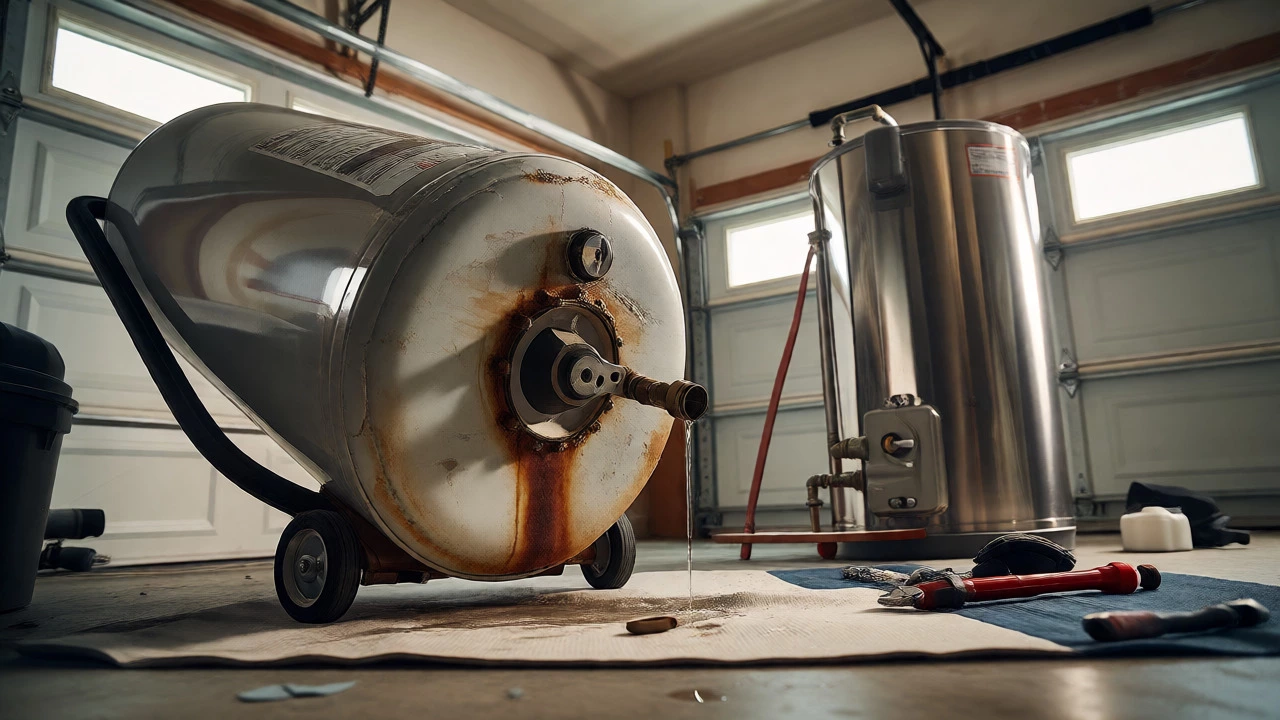
Sometimes, the fastest way to get hot water back is to install a new unit. If the tank itself is leaking, repair is rarely viable. Patching a steel tank is a temporary band-aid that often fails within months. In these cases, a full replacement takes longer upfront but saves future headaches.
Replacing a standard storage tank usually takes 3-5 hours. This includes draining the old unit, removing it, preparing the site, installing the new unit, connecting plumbing, and testing. If you’re switching from electric to gas, or moving the location, add another 2-4 hours for new venting or electrical runs.
How to Speed Up Your Repair
You can help your plumber work faster. Small preparations save significant time.
- Clear the Area: Move boxes, clothes, or cleaning supplies away from the heater. Give the plumber elbow room.
- Provide Access: If the unit is in a locked shed or behind a gate, ensure someone is there to let them in immediately.
- Know Your Model: Have the make and model number ready. This helps the plumber bring the right parts.
- Shut Off Power/Gas: If you know how, isolate the power or gas before they arrive. It saves them 5-10 minutes of hunting for switches.
By preparing these basics, you remove friction from the job. Plumbers charge by the hour or per job, so any time saved on logistics translates directly to lower costs or faster service.
Realistic Expectations for Emergency Calls
If you call for an emergency repair outside business hours, response times vary. In Adelaide, reputable services aim for a 2-4 hour window for urgent issues. Once the plumber arrives, the actual repair time remains the same as listed above. However, after-hours calls often come with a premium rate, so weigh the urgency against the cost.
Remember, some issues require immediate attention (like a massive leak flooding your floor), while others can wait until morning (like inconsistent temperature). Assess the risk before demanding an overnight visit.
Can I fix a hot water heater myself?
You can handle minor tasks like resetting a thermal cut-off switch or bleeding air from the lines. However, replacing elements, thermostats, or gas valves requires specific tools and knowledge. Incorrect electrical connections can cause fires, and improper gas work can lead to explosions. For safety and warranty reasons, professional repair is recommended.
Why did my repair take longer than expected?
Delays often stem from unexpected complications like corroded fittings that break during removal, missing parts that require a supplier run, or difficult access to the unit. Additionally, if the initial diagnosis was incomplete, the plumber may need to troubleshoot further once the unit is opened.
Is it cheaper to repair or replace an old hot water heater?
If the unit is over 8-10 years old and the repair cost exceeds 50% of a new unit’s price, replacement is usually better. Newer models are more energy-efficient, saving money on bills. Also, a new unit comes with a warranty, whereas a repaired old unit does not.
Do I need to empty the tank before a repair?
Not always. For top-mounted elements or thermostats, the plumber can often work without draining the whole tank. However, for bottom-mounted components or if there is a leak, draining is necessary. Draining a 300-liter tank can take 20-40 minutes depending on water pressure and drain speed.
What should I do if the plumber says the part is obsolete?
If a part is obsolete, it means the manufacturer no longer produces it. You have two options: find a compatible aftermarket part (which may reduce efficiency) or replace the entire unit. Continuing to patch an obsolete system often leads to repeated failures, making replacement the more economical choice long-term.