Appliance Classification & Insurance Checker
Enter the name of a household device below to classify it as a Major Appliance (White Good) or Small Appliance, and see general guidelines regarding real estate inclusion and insurance coverage.
The term "White Goods" refers to major appliances that were traditionally made of white enamel metal. Today, they come in stainless steel, black, and more, but the industry term remains.
Quick Reference
- Major Permanent installation
- Small Portable / Plug-in
- Other Electronics / Tools
Have you ever stood in a kitchen aisle, holding a fancy air fryer, and wondered if it counts as a real appliance? Or maybe you’re trying to figure out what’s covered under your homeowner’s insurance policy. The line between a simple tool and a household appliance can get blurry fast. Understanding exactly what is considered an appliance isn’t just about semantics; it affects how you buy, maintain, insure, and eventually replace the machines that keep your home running.
In this guide, we’ll break down the definitions, categorize the devices in your home, and explain why these distinctions matter when you need repairs or upgrades. We’ll look at everything from the massive refrigerators to the tiny electric toothbrushes, helping you navigate the world of home technology with confidence.
The Core Definition: What Makes an Appliance?
At its simplest level, an appliance is a machine designed to perform a specific household task. But that’s too broad. If anything with a plug is an appliance, then your laptop is one. And while technically true in some contexts, we usually don’t group computers with our washing machines. So, what separates them?
The key differentiator is function. An appliance typically performs a physical chore related to maintaining the living environment or processing food. It doesn’t primarily process information or entertain (like a TV or computer), nor does it provide structural support (like a furnace duct). Instead, it handles labor-intensive tasks: cleaning, cooking, cooling, heating, or sanitizing.
- Physical Labor: It replaces manual effort (e.g., stirring, scrubbing, chilling).
- Household Utility: It serves a daily domestic need.
- Mechanical/Electronic Operation: It uses motors, heating elements, compressors, or complex electronics to function.
If a device meets these criteria, it likely falls into the appliance category. This definition helps us separate tools (like a hammer) from appliances (like a power drill, which is sometimes debated but often excluded from 'home appliance' lists because it's a construction tool rather than a maintenance device).
Major Appliances vs. Small Appliances
The most common way people split up appliances is by size and installation method. This distinction is crucial for things like moving costs, insurance claims, and repair services.
Major Appliances (White Goods)
You’ve probably heard the term "white goods." This refers to large, essential appliances that are usually installed permanently or semi-permanently. They are called "white" because they were traditionally white enamel metal, though today they come in stainless steel, black, and even wood finishes.
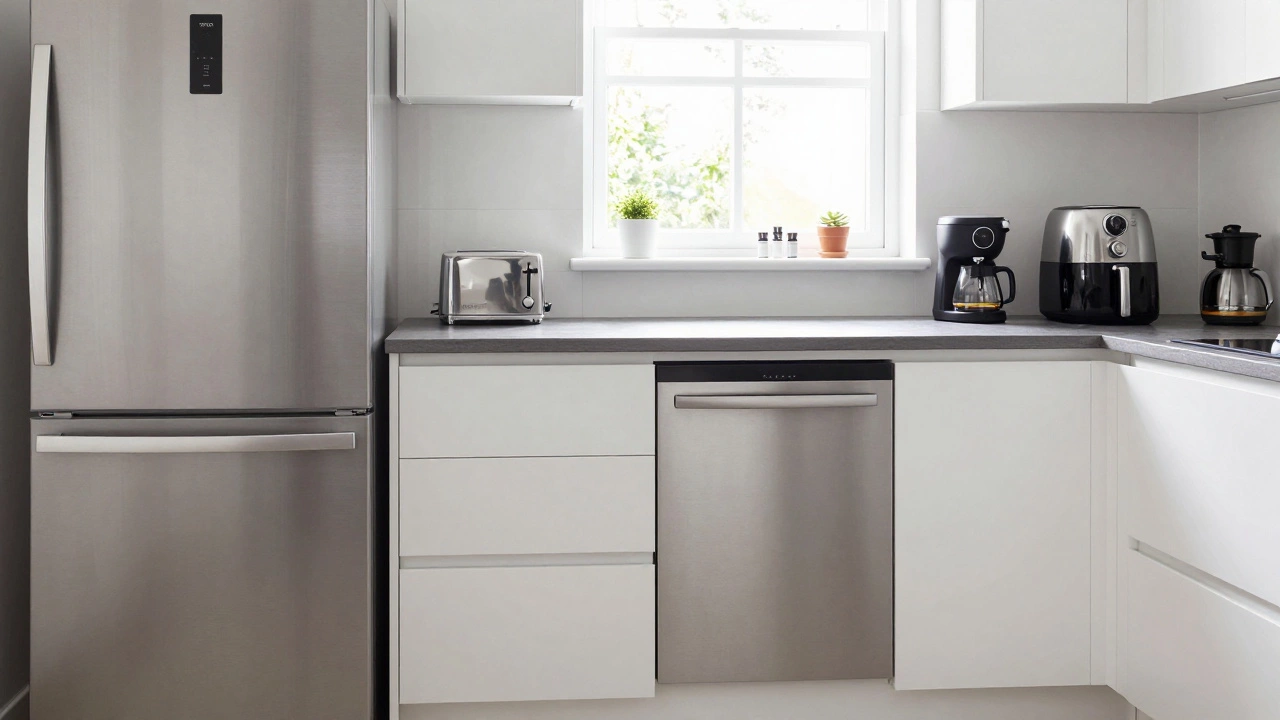
These are the workhorses of the home. They require dedicated electrical circuits, plumbing connections, or ventilation systems. You can’t just pick them up and move them easily. Examples include:
- Refrigerators and Freezers: Essential for food preservation.
- Washing Machines and Dryers: Critical for laundry cycles.
- Dishwashers: Installed under counters with water hookups.
- Ovens and Ranges: Built-in or slide-in units for cooking.
- HVAC Systems: While sometimes categorized separately, furnaces and central AC units are major mechanical appliances.
When you hire an appliance repair technician, they are almost always dealing with major appliances. These units have high repair costs and long lifespans, often lasting 10 to 20 years.
Small Appliances (Brown Goods & Countertop Devices)
Small appliances are portable, plug into standard outlets, and perform more specialized tasks. They are easier to replace and generally cheaper to fix-or not worth fixing at all if they break.
This category includes:
- Cooking Helpers: Toaster ovens, microwaves, slow cookers, instant pots, and air fryers.
- Beverage Makers: Coffee makers, blenders, and juicers.
- Cleaning Tools: Vacuum cleaners, steam mops, and robot vacuums.
- Personal Care: Hair dryers, electric shavers, and curling irons.
A quick rule of thumb: If you can carry it with one hand and plug it into a wall socket without calling an electrician, it’s a small appliance.
| Feature | Major Appliances | Small Appliances |
|---|---|---|
| Installation | Permanent/Semi-permanent | Portable/Plug-and-play |
| Lifespan | 10-20+ years | 3-7 years |
| Repair Cost | High ($100-$500+) | Low ($20-$100) |
| Insurance Coverage | Often included in homeowners policies | Rarely covered |
| Examples | Fridge, Washer, Oven | Toaster, Blender, Vacuum |
Gray Areas: What About Smart Home Devices?
Technology has blurred the lines significantly. In 2026, many appliances are no longer just mechanical boxes; they are internet-connected hubs. This raises questions about classification.
Smart Speakers and Displays: Are Amazon Echoes or Google Nests appliances? Technically, they are consumer electronics. They don’t clean, cook, or cool. However, they often control other appliances. Most experts classify them as IT devices, not appliances.
Robot Vacuums: These are tricky. They are small in size but perform a major cleaning function. Because they are portable and plug into standard outlets, they remain classified as small appliances, despite their complex navigation software.
Electric Vehicles (EVs): Some might argue EVs are appliances because they run on electricity and serve a utility purpose. However, due to their mobility, regulatory classification, and primary use for transportation, they are strictly vehicles, not home appliances.
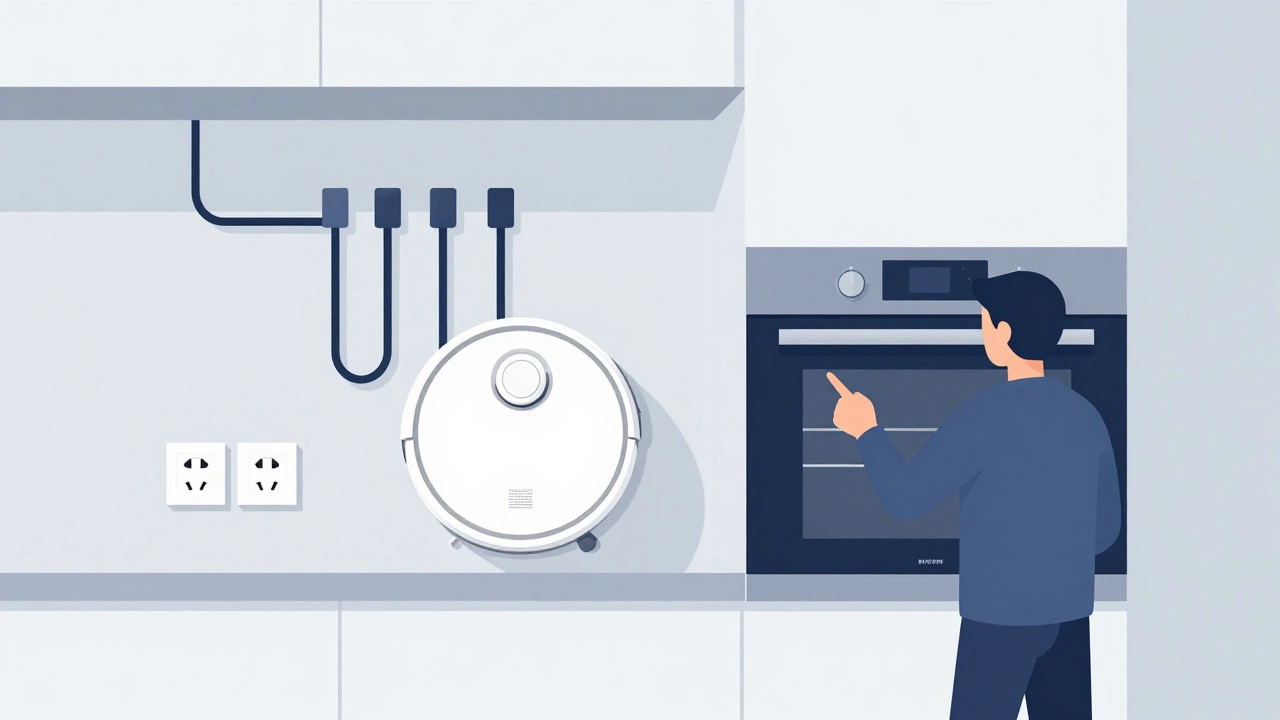
Why Does Classification Matter?
You might think labeling something an "appliance" is just academic. It’s not. How you classify a device impacts three critical areas of homeownership: insurance, resale value, and repair logistics.
1. Insurance Claims
Homeowners insurance typically covers sudden accidental damage to major appliances caused by external events (like a power surge from a lightning strike). It rarely covers wear and tear or mechanical breakdowns. Small appliances are almost never covered unless you have specific personal property riders. Knowing whether your microwave is a "small appliance" or your oven is a "major appliance" helps you understand what your insurer will pay for.
2. Real Estate Transactions
When buying or selling a home, there’s often confusion about what stays and what goes. Generally, major appliances that are built-in or hardwired stay with the house. This includes dishwashers, ranges, and built-in microwaves. Small appliances are considered personal property and leave with the seller unless explicitly negotiated otherwise. Always check your purchase agreement!
3. Repair and Maintenance
Service professionals specialize based on appliance type. An HVAC technician won’t fix your toaster. A general appliance repair service might handle your fridge but not your smart thermostat. Identifying the correct category ensures you call the right expert, saving time and money.
Common Misconceptions About Appliances
Let’s clear up some frequent mix-ups.
Misconception 1: All Electrical Items Are Appliances. False. A lamp provides light, but it’s a fixture or accessory. A computer processes data. A fan circulates air, but ceiling fans are often classified as fixtures, while portable fans are small appliances. Context matters.
Misconception 2: Gas-Powered Devices Aren’t Appliances. False. Many major appliances run on natural gas or propane. Gas ovens, gas dryers, and gas fireplaces are definitely appliances. The energy source doesn’t change the classification; the function does.
Misconception 3: Built-In Furniture Isn’t an Appliance. Sometimes it is. A built-in wine cooler or a hidden coffee station integrated into cabinetry is still an appliance. Just because it’s disguised as furniture doesn’t mean it loses its mechanical identity.
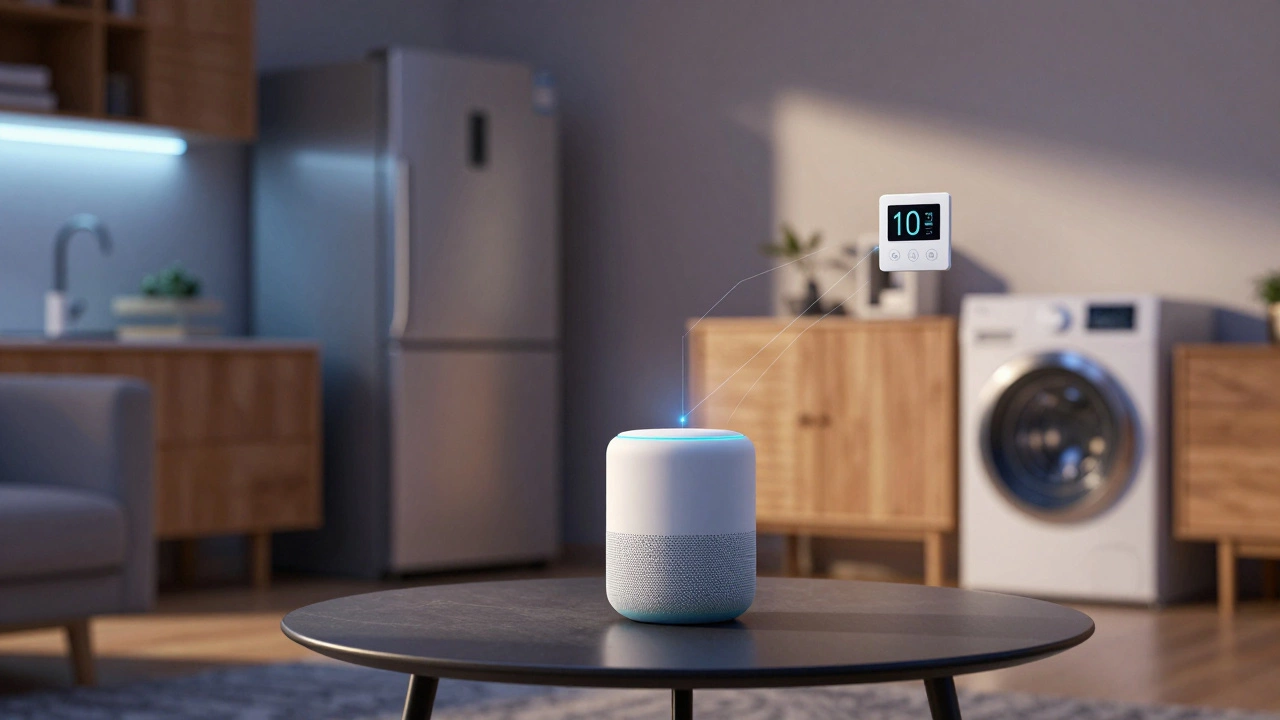
How to Identify an Appliance in Your Home
If you’re still unsure about a specific device, ask yourself these three questions:
- Does it perform a repetitive household chore? (Cleaning, cooking, preserving)
- Does it require a power source (electricity, gas, water)?
- Is it a standalone unit rather than a structural part of the building?
If you answered yes to all three, you have an appliance. Now, determine if it’s major or small based on portability and installation complexity.
The Future of Appliance Definitions
As homes become smarter, the definition of an appliance will continue to evolve. We are seeing the rise of "connected appliances" that integrate with broader home automation systems. For example, a smart refrigerator might order groceries itself, blurring the line between a cooling device and a digital assistant.
However, the core function remains the same. No matter how much AI is inside, if it keeps your milk cold, it’s a refrigerator. If it spins your clothes, it’s a washer. The technology changes, but the job-to-be-done defines the appliance.
Understanding these categories helps you make better decisions about purchasing, maintaining, and insuring your home. Whether you’re dealing with a broken washing machine or deciding what to leave behind when moving, knowing what constitutes an appliance gives you clarity and control over your household management.
Is a television considered an appliance?
Generally, no. Televisions are classified as consumer electronics or entertainment devices. They do not perform physical household chores like cleaning, cooking, or climate control. However, in very broad retail contexts, they might be sold in the same department as appliances.
Are ceiling fans appliances?
Ceiling fans are typically classified as fixtures, not appliances, because they are permanently installed and wired into the home’s electrical system. Portable floor fans, however, are considered small appliances because they are movable and plug into standard outlets.
What is the difference between white goods and brown goods?
White goods refer to major household appliances like refrigerators, washers, and dryers, traditionally colored white. Brown goods refer to consumer electronics like televisions, radios, and computers, historically housed in wooden (brown) cabinets. The terms are less relevant today due to modern designs but still used in industry classifications.
Does homeowners insurance cover small appliances?
Standard homeowners insurance rarely covers small appliances against mechanical breakdown or wear and tear. They may be covered for specific perils like fire or theft, but often with low limits. Major appliances have slightly better coverage options, especially for power surge damage, but check your specific policy details.
Is a robot vacuum a major or small appliance?
A robot vacuum is considered a small appliance. Although it performs a major cleaning function, it is portable, plugs into a standard outlet, and does not require permanent installation or specialized wiring. Its lifespan and repair costs also align more closely with small appliances.
Are gas-powered devices considered appliances?
Yes. The energy source does not determine appliance status. Gas ovens, gas dryers, and gas water heaters are all major appliances. They perform essential household functions using mechanical and electronic components, regardless of whether they run on electricity or natural gas.
What happens to appliances when you sell your house?
Built-in major appliances (like dishwashers and ovens) usually stay with the house unless stated otherwise in the contract. Freestanding major appliances (like refrigerators) and all small appliances are considered personal property and typically leave with the seller. Always clarify this in your real estate agreement to avoid disputes.
Is a computer an appliance?
No. Computers are classified as information technology (IT) devices or consumer electronics. Their primary function is data processing and communication, not performing physical household chores like cleaning or cooking. Therefore, they fall outside the standard definition of a home appliance.