Freezer Repair Cost Estimator
Select Issue & Details
Estimated Total Cost
Professional Repair Estimate
- Parts: £0
- Labor: £40 - £60
- Diagnostic: £35 - £30
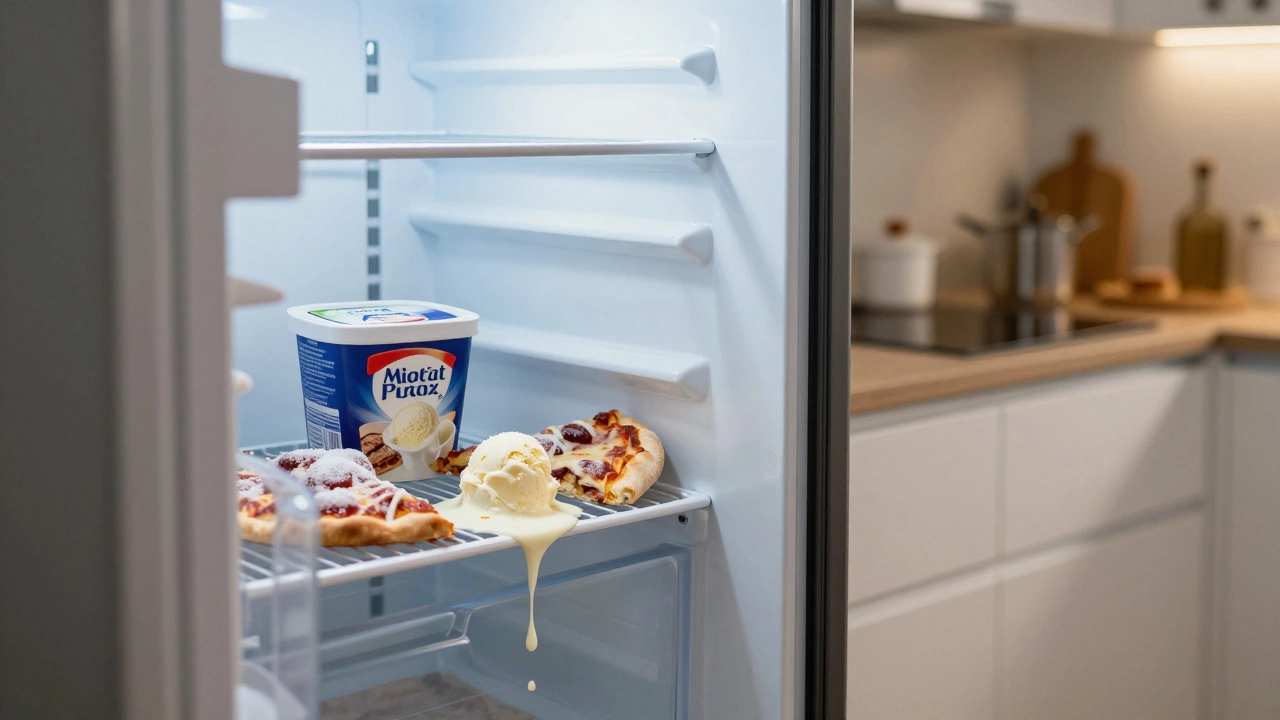
Your freezer is supposed to be the cold vault for your frozen pizzas and leftover meals. Instead, it’s sitting at room temperature, slowly turning your ice cream into soup. The first question that pops into your head isn’t usually *why* it’s broken-it’s *how much will this fix me?* Money matters when appliances fail, especially when you have food on the line.
The short answer? Most repairs fall between £80 and £350. But that range is wide because a simple thermostat swap costs a fraction of replacing a burnt-out compressor. Before you call a technician or buy parts, you need to know what’s actually breaking and where the money goes. This guide breaks down the real costs, the hidden fees, and how to decide if you should repair or replace your unit in 2026.
The Quick Cost Breakdown: Parts vs. Labor
When you get a quote for freezer repair that addresses a unit failing to maintain freezing temperatures, the bill is almost always split into two buckets: labor and parts. Understanding this split helps you spot unfair pricing.
Labor rates vary wildly by region and provider. In the UK and US, independent technicians typically charge an hourly rate between labor cost that ranges from £40 to £100 per hour depending on location and expertise. Big-box appliance stores might charge a flat diagnostic fee upfront-often around £70-£90-which may or may not be waived if you proceed with the repair. Always ask about the "diagnostic fee" before they arrive. If they find the issue but you decline the fix, you still pay that fee.
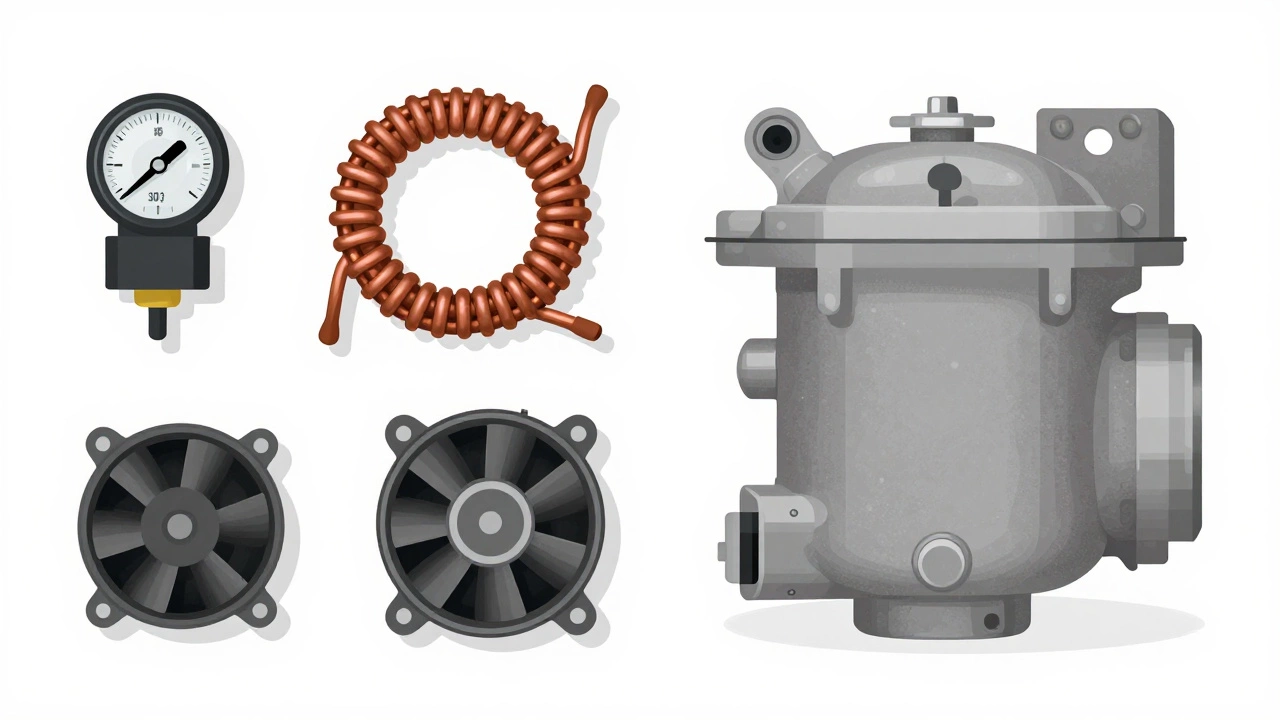
Parts are where the budget can explode. A simple electrical component like a thermostat might cost £15-£30 for the part itself. A complex mechanical assembly like the evaporator fan motor runs £40-£80. Then there’s the big one: the compressor. These units can cost £150-£300 just for the part, plus refrigerant gas and specialized tools to install it.
| Issue | Part Cost (£) | Labor Cost (£) | Total Estimated Cost (£) |
|---|---|---|---|
| Thermostat failure that prevents the cooling cycle from starting | £15 - £30 | £40 - £60 | £55 - £90 |
| Defrost heater replacement that removes frost buildup blocking airflow | £20 - £40 | £60 - £90 | £80 - £130 | d>
| Fan motor repair that circulates cold air within the compartment | £30 - £60 | £50 - £80 | £80 - £140 |
| Compressor replacement that powers the refrigeration cycle | £150 - £300 | £100 - £150 | £250 - £450+ |
Common Causes and Their Specific Price Tags
Not all "won't freeze" problems are created equal. Some are cheap fixes; others are death sentences for your wallet. Let’s look at the most frequent culprits.
1. Dirty Condenser Coils
This is the free fix. If your freezer has coils on the back or underneath that are caked in dust and pet hair, heat can’t escape. The system works overtime, eventually shutting down to protect itself. Cleaning these coils takes 20 minutes and costs nothing. Grab a vacuum brush or a coil cleaner from any hardware store. If cleaning them doesn’t work, move to the next step.
2. Faulty Defrost System
In automatic-defrost freezers, a small heater melts frost buildup every few hours. If the defrost heater fails, or the defrost thermostat stops sensing temperature correctly, ice builds up on the evaporator coils. This ice acts as insulation, stopping cold air from reaching your food. Replacing the heater or thermostat is a moderate-cost repair (£80-£130 total). Technicians often test both components together since they work in tandem.
3. Evaporator Fan Motor
If you hear the compressor humming but feel no cold air coming out of the vents inside the freezer, the fan might be dead. The evaporator fan motor pushes cold air from the coils into the main compartment. When it burns out, the freezer warms up quickly. Replacement involves pulling out shelves, removing panels, and swapping the motor. It’s a straightforward job for a pro, costing around £80-£140.
4. Start Relay or Overload Protector
The start relay gives the compressor a kickstart. If it fails, the compressor won’t engage, and the freezer stays warm. You might hear a clicking sound from the back of the unit. This is one of the cheapest repairs-parts cost under £20, and labor is minimal. Total cost: £50-£80.
5. Compressor Failure
This is the big one. The compressor is the heart of the freezer. If it dies, the whole system stops. Signs include complete silence (no hum), excessive heat from the compressor housing, or tripping the circuit breaker. Repairing or replacing a compressor is expensive (£250-£450+). Many experts argue that if the compressor fails on a unit older than 7-10 years, buying a new freezer is more economical.
DIY vs. Professional Repair: Where Do You Save?
You might be tempted to watch a YouTube video and tackle the repair yourself. For some issues, this makes sense. For others, it’s dangerous.
Good DIY candidates:
- Cleaning condenser coils (zero cost)
- Replacing the start relay (£15-£25 for parts)
- Swapping a thermostat (£20-£40 for parts)
Bad DIY candidates:
- Refrigerant leaks (requires EPA certification in many regions)
- Compressor replacement (needs specialized tools and knowledge)
- Electrical wiring issues (risk of shock or fire)
If you’re handy, you can save £50-£100 on labor for simple swaps. Just make sure you unplug the unit first. Never work on live electrical components. Also, check if your model uses sealed systems-if so, DIY repairs might void warranties or violate local regulations.
When Is It Cheaper to Buy New?
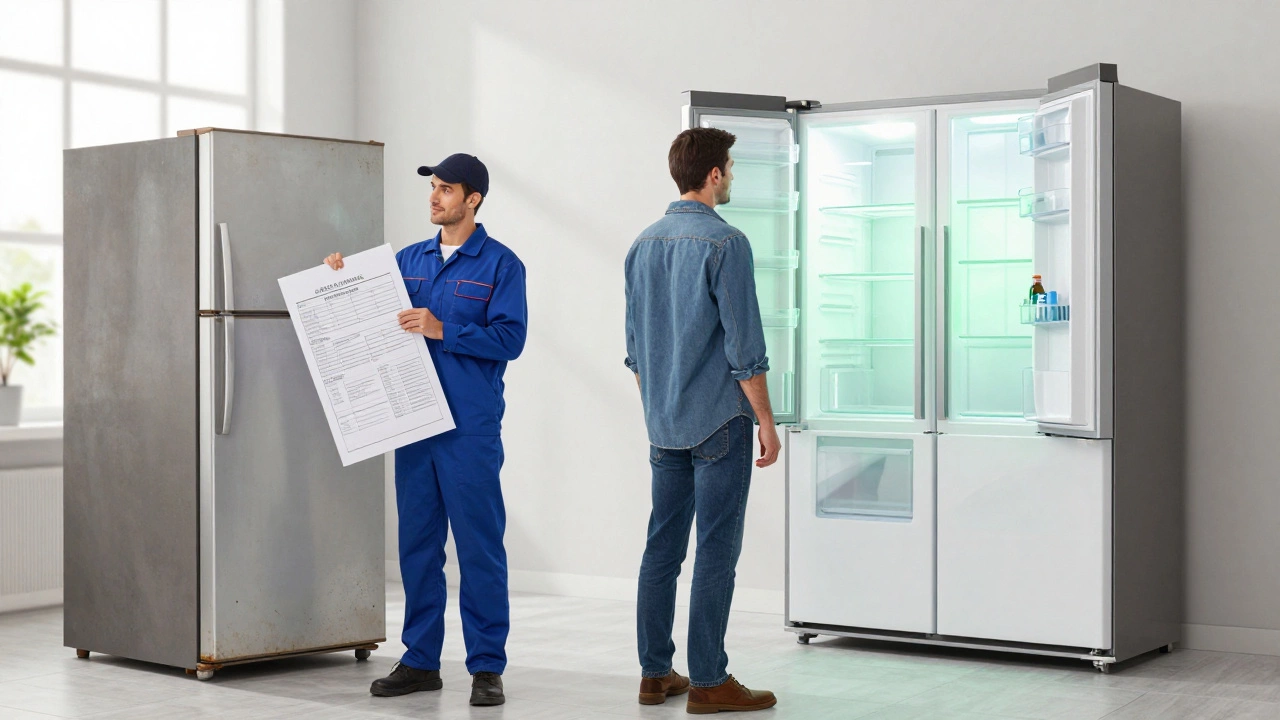
Here’s the hard truth: sometimes, fixing a freezer costs more than replacing it. Use this rule of thumb:
If the repair costs more than 50% of the price of a new, comparable unit, buy new.
In 2026, a decent standalone upright freezer costs between £200 and £400. A high-end built-in model might run £600+. If your repair quote is £200+, pause. Ask yourself:
- How old is the freezer? (If it’s over 10 years, efficiency drops significantly.)
- Is it under warranty? (Some manufacturers cover parts for 1-5 years.)
- Are other components showing wear? (A failing door seal or worn hinge suggests more problems ahead.)
New freezers are also far more energy-efficient. An older unit might use 30-50% more electricity than a modern Energy Star-rated model. Over three years, those savings could offset the cost of a new purchase.
Hidden Costs to Watch For
Beyond parts and labor, keep an eye on these potential extras:
- Emergency/After-hours fees: Calling a tech on a weekend or evening can add 25-50% to the labor rate.
- Travel charges: Some independent technicians charge £10-£20 for travel time, especially if you live outside their service area.
- Disposal fees: If you replace the unit, you might pay £20-£50 for haul-away of the old freezer.
- Refrigerant recharge: If there’s a leak, the tech must recover and refill the gas. This adds £30-£60 to the bill.
Always request a written estimate before authorizing work. A reputable technician will explain what they found, show you the failed part, and give you a clear breakdown of costs.
Tips to Avoid Future Repair Bills
Prevention is cheaper than cure. Here’s how to extend your freezer’s life:
- Clean coils annually: Dust buildup forces the compressor to work harder.
- Check door seals: If you can slip a dollar bill between the seal and the frame, it’s too loose. Replace it before cold air escapes.
- Don’t overload: Blocking internal vents restricts airflow, causing uneven freezing and strain on the fan.
- Maintain stable temps: Keep the freezer at -18°C (0°F). Fluctuations cause frost buildup and inefficiency.
- Listen for changes: Unusual noises (grinding, clicking, buzzing) are early warning signs. Address them before they become catastrophic failures.
Final Thoughts: Making the Smart Choice
A freezer that won’t freeze is stressful, but it doesn’t have to break the bank. Start with the free checks-clean coils, verify power supply, ensure doors close tightly. If the problem persists, get a diagnostic quote. Compare that number against the cost of a new unit. If the repair is under £150 and your freezer is less than 8 years old, fix it. If it’s over £250 or the unit is aging, consider upgrading. Your wallet-and your electricity bill-will thank you.
How much does it cost to diagnose a freezer that won't freeze?
Diagnostic fees typically range from £70 to £90. Many technicians waive this fee if you proceed with the repair. Always confirm this policy before scheduling the visit.
Can I fix a freezer that won't freeze myself?
Yes, for simple issues like cleaning coils, replacing a start relay, or swapping a thermostat. However, avoid DIY repairs involving refrigerants, compressors, or complex electrical wiring due to safety risks and legal restrictions.
What is the most common reason a freezer stops freezing?
The most common causes are dirty condenser coils, a faulty defrost system (heater or thermostat), or a failed evaporator fan motor. These account for over 60% of non-freezing issues.
Is it worth repairing a 10-year-old freezer?
Generally, no. At 10 years old, efficiency has declined, and major components like the compressor are near end-of-life. Repair costs often exceed 50% of a new unit's price, making replacement more economical long-term.
How do I know if my freezer needs a new compressor?
Signs include complete silence (no humming), extreme heat from the compressor housing, tripped circuit breakers, or visible oil leaks around the compressor. A technician can confirm with multimeter tests.