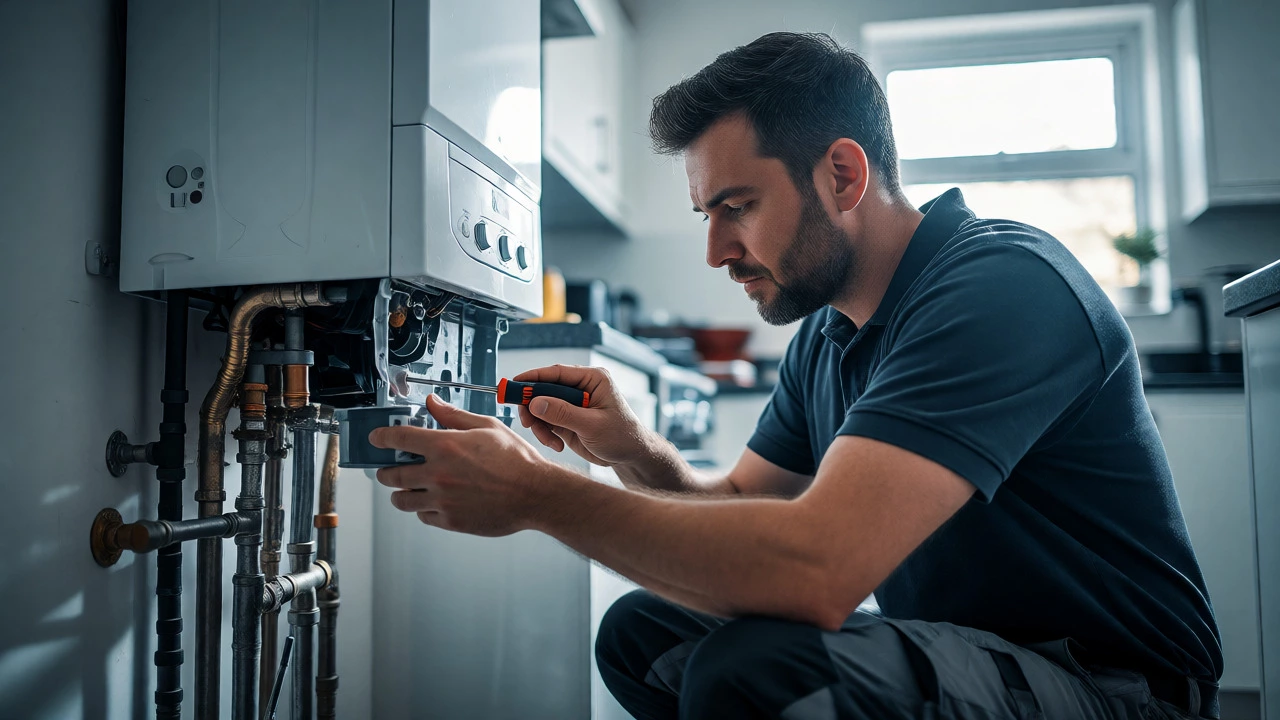
Boiler Service Time & Cost Estimator
Plan your day and budget accurately. Select your scenario to get a realistic estimate.
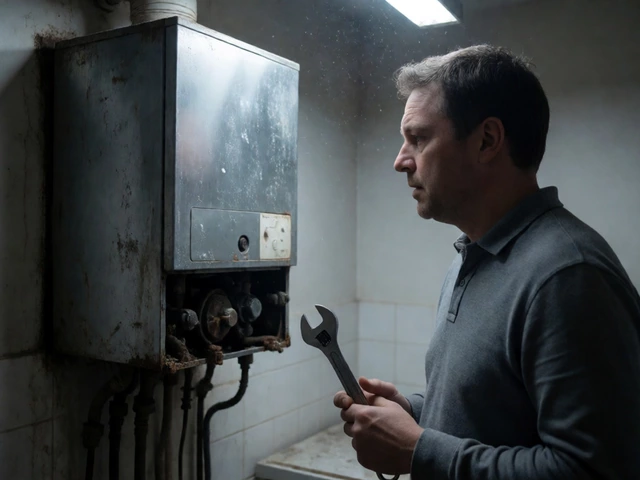
You’re standing in your kitchen, watching the clock tick. The plumber is due any minute, and you’ve got a meeting at noon. You wonder: how long does this actually take? Is it a quick ten-minute peek under the hood, or are we talking about an hour of wrenching and pressure testing?
Here’s the blunt truth: for a standard residential gas boiler, a professional service usually takes between 30 and 60 minutes. But that number is a moving target. If your unit is older, if parts need replacing, or if the technician spots a hidden leak, that hour can easily stretch into two. Knowing what dictates this timeline helps you plan your day-and your budget-without the stress.
The Short Answer vs. The Reality
Let’s break down the timeframes based on the type of work being done. Not every visit is created equal.
| Service Type | Average Duration | Complexity Factor |
|---|---|---|
| Routine Annual Service | 30-45 minutes | Low (Standard checks) |
| Minor Repair (e.g., fan switch) | 1-2 hours | Medium (Part replacement) |
| Major Component Replacement | 2-4 hours | High (Heat exchanger/pump) |
| Emergency Breakdown Callout | 1-3 hours | Variable (Diagnostic heavy) |
If you booked a routine annual boiler service a preventative maintenance check performed by a qualified engineer to ensure safety and efficiency, expect the shorter end of that spectrum. Technicians have a checklist they run through efficiently. They aren’t reinventing the wheel every time; they’re following a standardized protocol set by manufacturers like Vaillant a major German manufacturer of heating systems known for reliability or Bosch a global engineering and electronics company producing high-quality boilers.
What Actually Happens During Those 45 Minutes?
Why does it take half an hour just to "check" something? It’s not just kicking the tires. A proper service involves several critical steps that cannot be rushed without compromising safety.
- Visual Inspection: The engineer looks for signs of corrosion, leaks, or soot buildup around the flue. This takes five minutes but is crucial for spotting early failures.
- Casing Removal: They pop off the front panel to access internal components. On some modern combi boilers, this requires specific tools and care to avoid snapping plastic clips.
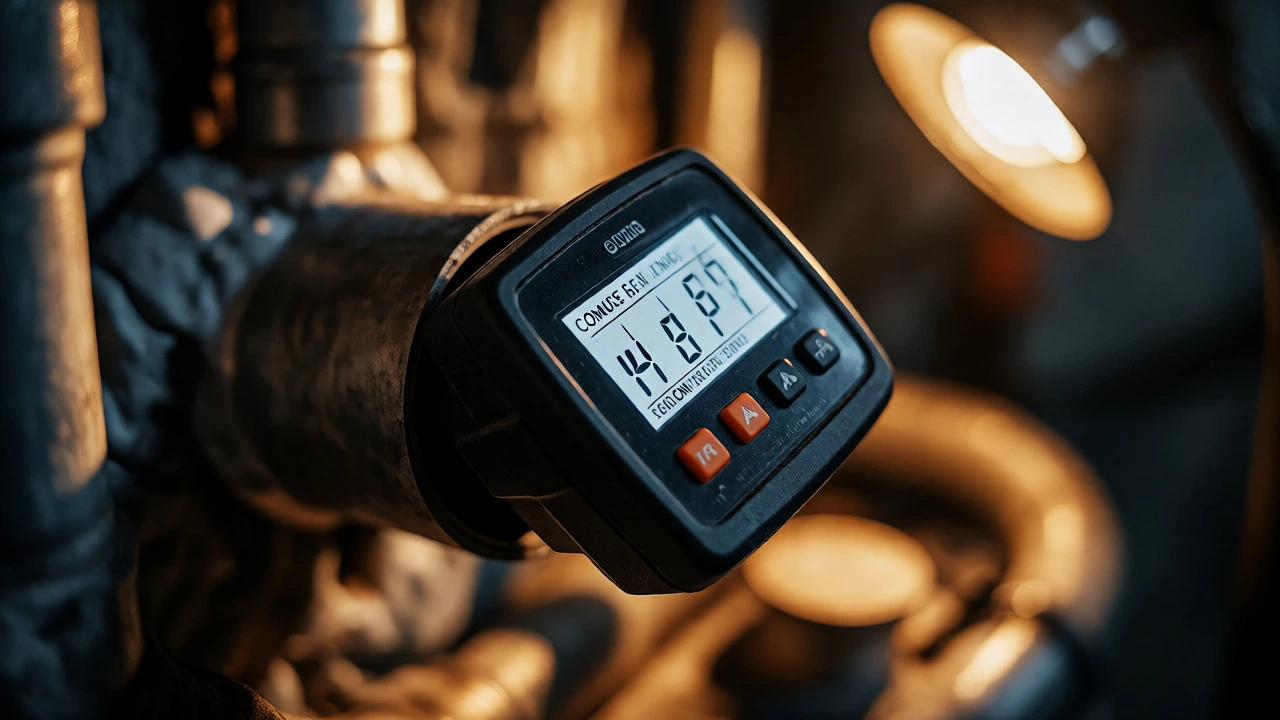
- Combustion Analysis: Using a flue gas analyzer, they measure carbon monoxide levels and oxygen efficiency. If the burn isn't right, they adjust the air-to-fuel ratio. This calibration alone can take 10-15 minutes.
- Cleaning: Dust and debris are vacuumed from the heat exchanger and burner area. A dirty boiler works harder and uses more gas.
- Safety Checks: Testing the pressure relief valve and checking gas tightness with a sensitive detector. These are non-negotiable legal requirements in many regions.
Skipping these steps might save time, but it risks your warranty and, more importantly, your family’s safety. Carbon monoxide poisoning doesn’t announce itself with a smell; it kills silently. That’s why the inspection phase is thorough.
Factors That Stretch the Timeline
So, when does a 30-minute job turn into a morning ordeal? Several variables play a role here.
Age and Condition of the Unit
A brand-new combi boiler a compact unit that provides hot water on demand without a storage tank installed last year will likely fly through the service. Everything is clean, accessible, and functioning within spec. Contrast that with a 15-year-old system where seals have hardened and pipes are corroded. Finding the source of a minor drip can add significant diagnostic time.
Type of Fuel and System Complexity
Gas boilers are the most common, but oil-fired systems often take longer. Why? Because oil nozzles clog, filters need changing, and combustion settings require precise tuning. An oil boiler service might legitimately take 60-90 minutes because there are more mechanical parts involved in the fuel delivery system.
Accessibility Issues
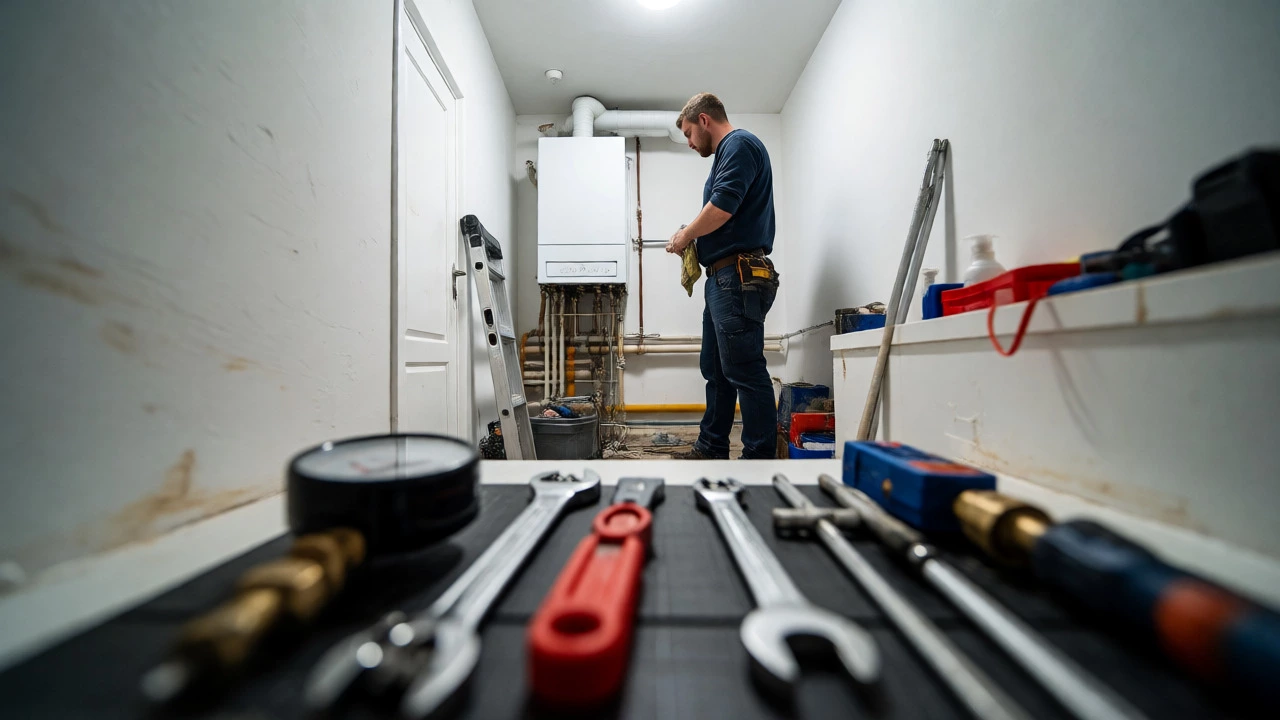
Is your boiler tucked away in a cramped airing cupboard? Or is it mounted high up on a wall requiring a ladder? If the engineer has to spend ten minutes setting up ladders or moving furniture to get clear access, that’s time added to the bill. In older homes, pipework might be buried behind plasterboard, making visual inspections difficult without invasive checks.
Parts Availability
This is the big one. If the service reveals a worn-out diverter valve or a faulty printed circuit board (PCB), the engineer needs to replace it. Do they carry stock in their van? For common models, yes. For niche brands or older discontinued units, they might need to order the part. This doesn’t necessarily extend the *service* time, but it extends the *resolution* time. You might have to wait days for a follow-up visit.
Can You Speed Up the Process?
You want to minimize disruption. Here’s how to help your plumber work faster and keep the visit short.
- Clear the Area: Remove boxes, coats, or clutter from around the boiler. Give the engineer elbow room to work.
- Provide Access to Water/Electricity: Ensure stopcocks and isolators are reachable. If they have to hunt for the water shut-off valve, you lose time.
- Have Documentation Ready: Keep your boiler manual and previous service reports handy. Engineers appreciate knowing the history of the unit immediately.
- Be Present but Unobtrusive: Stay nearby to answer questions about recent noises or performance issues, but don’t hover over their shoulder. Let them focus.
Cost Implications of Time
Most plumbers charge a flat fee for a standard annual service, typically ranging from £80 to £120 in the UK market as of late 2026. However, if the job exceeds the agreed timeframe due to unexpected repairs, hourly rates kick in. Typical hourly rates range from £50 to £80 per hour.
Ask upfront: "If you find a fault during the service, what is your hourly rate for additional labor?" Getting this clarity prevents surprise invoices. Also, consider whether a membership plan makes sense. Companies like British Gas the largest energy supplier in Great Britain offering home services plans offer cover that includes annual services and priority breakdown support. While pricier annually, it can save money on callout fees if things go wrong mid-winter.
When Should You Worry About Duration?
If the engineer spends less than 20 minutes on a full service, ask yourself: did they really do everything? Did they remove the casing? Did they test the flue? A rushed job is a red flag. Conversely, if they are still there after three hours without calling you, contact them. Something complex has likely arisen, such as a blocked condensate pipe causing water damage or a cracked heat exchanger requiring a full replacement quote.
Remember, the goal isn’t just speed-it’s peace of mind. A properly serviced boiler runs quieter, heats faster, and lasts longer. Taking the extra fifteen minutes now to ensure the combustion analysis is spot-on saves you from emergency calls in January when temperatures drop and demand peaks.
Do I need to be home while the plumber services my boiler?
Yes, you generally need to be present. The engineer may need access to other parts of the house, such as radiators or the meter box, and they will want to discuss any findings or recommendations with you directly upon completion. Leaving keys with a neighbor is possible but risky if immediate decisions are needed.
How often should I have my boiler serviced?
Manufacturers and insurance companies recommend servicing your boiler once a year. Regular maintenance keeps the warranty valid and ensures efficient operation. Skipping annual services can lead to smaller issues becoming major, expensive repairs.
What happens if the plumber finds a problem during the service?
The engineer will explain the issue and provide a quote for repair. Minor fixes, like cleaning a filter or adjusting pressure, are often done on the spot. Major component replacements may require ordering parts and scheduling a second visit. Always ask for a written estimate before agreeing to extra work.
Does a boiler service include fixing faults?
No, a standard service is a check-up, similar to a car MOT. It verifies safety and efficiency but does not include repairing broken parts unless specified in a comprehensive contract. Repairs are charged separately, either as part of a fixed-price package or via hourly labor plus parts costs.
Can I service my own boiler?
While you can clean external dust, internal servicing requires specialized tools like manometers and flue gas analyzers. More importantly, working on gas appliances legally requires a Gas Safe registered engineer in the UK. DIY attempts can void warranties and pose serious safety risks regarding carbon monoxide leaks.