Electric Oven Troubleshooting Assistant
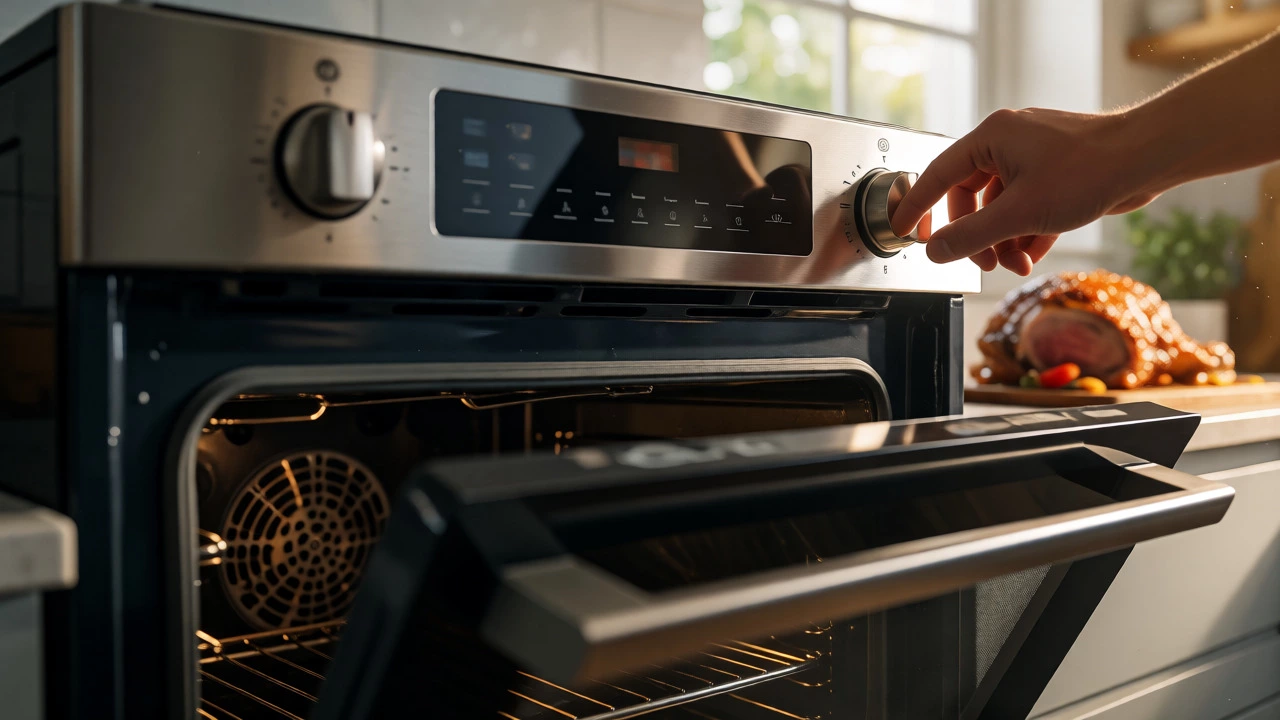
You’re halfway through roasting a Sunday lamb, the kitchen smells incredible, and then-silence. The fan stops humming. The interior light goes dark. You twist the dial, press buttons, maybe even jiggle the plug, but nothing happens. It’s not just annoying; it’s stressful when you have guests waiting or dinner burning on the stove because the oven is dead.
Here’s the good news: most electric oven failures that happen suddenly are caused by simple, fixable issues. Before you call a technician in Adelaide for a service call-out fee, let’s walk through the most common culprits. We’ll start with the easiest checks (the ones you can do in your socks) and move toward the parts that might need a pro.
The Power Supply Check: Is It Really Broken?
Before blaming the oven, blame the house. Electrical faults often look like appliance failures. If your oven has completely lost power (no lights, no display, no noise), check these three things first:
- The Wall Socket: Plug something else into the same socket. A hairdryer or phone charger works great. If that device doesn’t work, your issue isn’t the oven-it’s the outlet or the circuit.
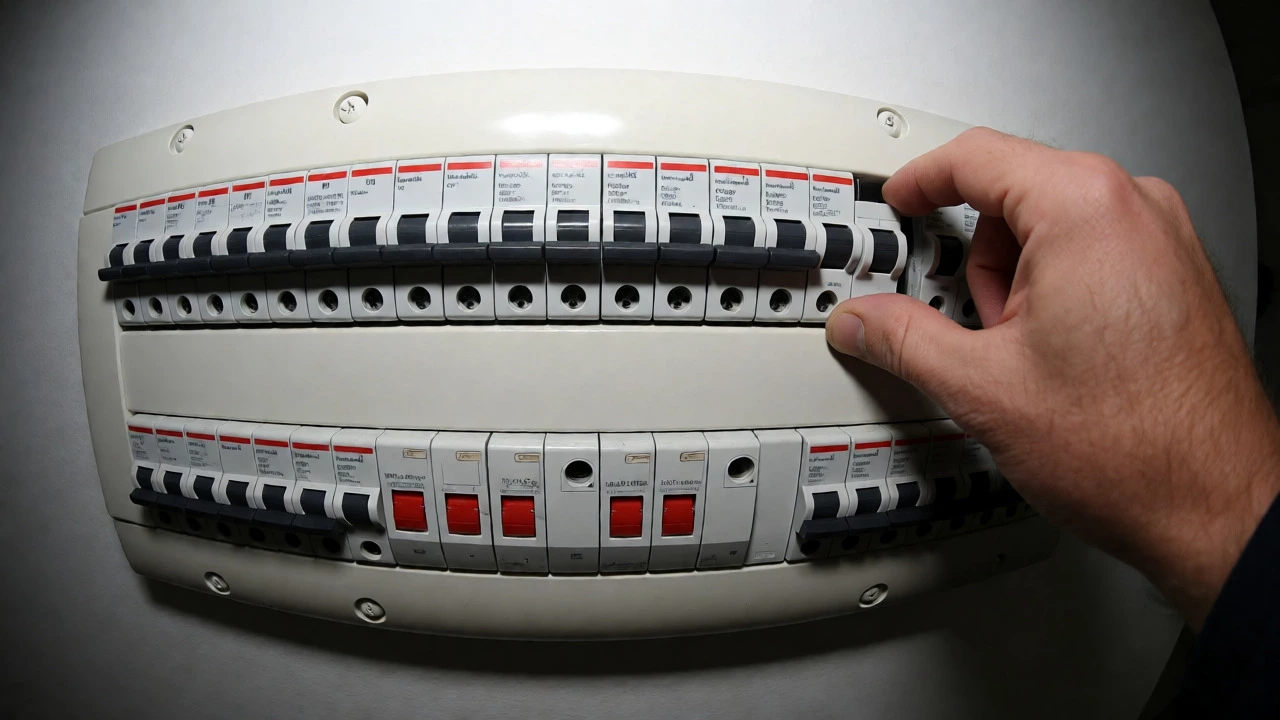
- The Circuit Breaker: Go to your switchboard. Look for a breaker labeled "Oven," "Kitchen," or "Cooking." Even if it looks like it’s in the "On" position, breakers can trip internally without moving much. Flip it fully Off, wait ten seconds, then flip it back On firmly.
- The RCD/Safety Switch: In Australia, we use Residual Current Devices (RCDs). These safety switches cut power if they detect a leak of electricity to earth. If the RCD trips immediately after you reset it, you likely have a short circuit inside the oven (more on that later).
If the power comes back but dies again as soon as you turn the oven on, stop there. That’s a clear sign of an internal electrical fault, and you should call a professional.
The Thermal Fuse: The Silent Killer
This is the number one reason electric ovens stop working suddenly while still having power. Think of the thermal fuse as a tiny safety valve. It’s designed to blow (break the circuit) if the oven gets too hot, preventing a fire.
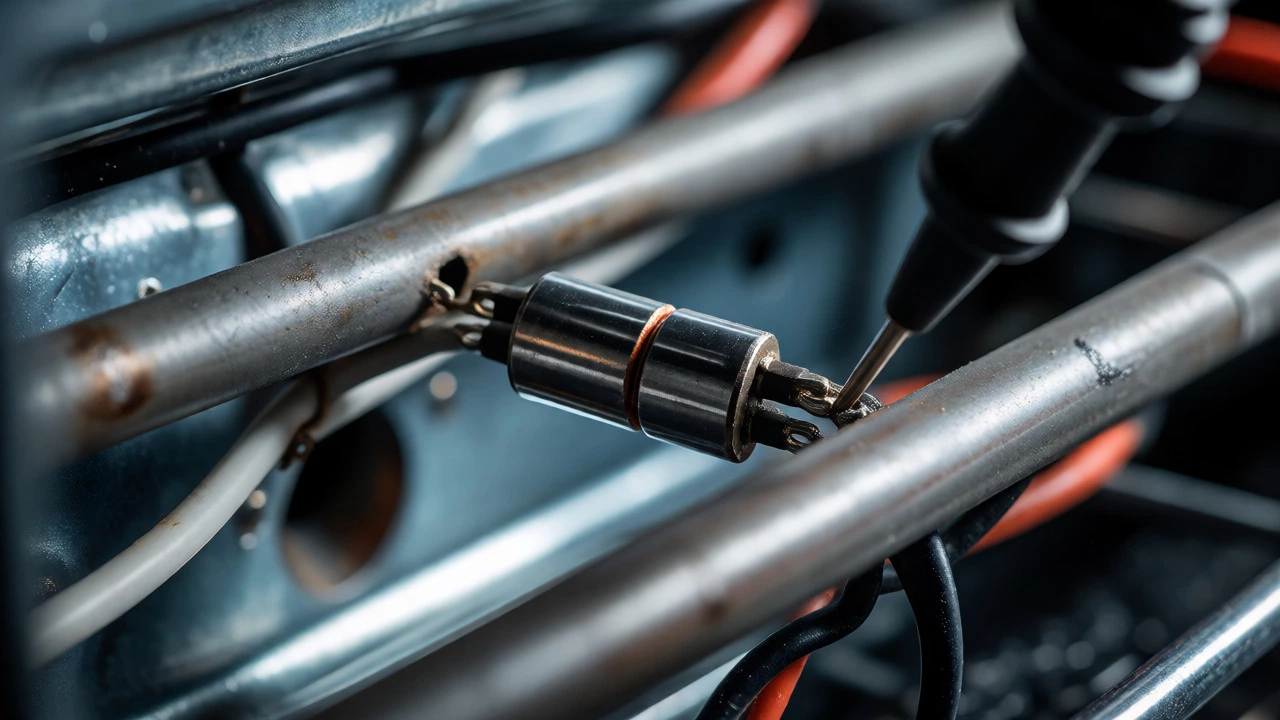
Where is it? Usually tucked behind the back panel or near the fan motor, depending on your model. When this fuse blows, the oven won’t heat up at all. The clock might still run, and the light might still work, but the elements stay cold.
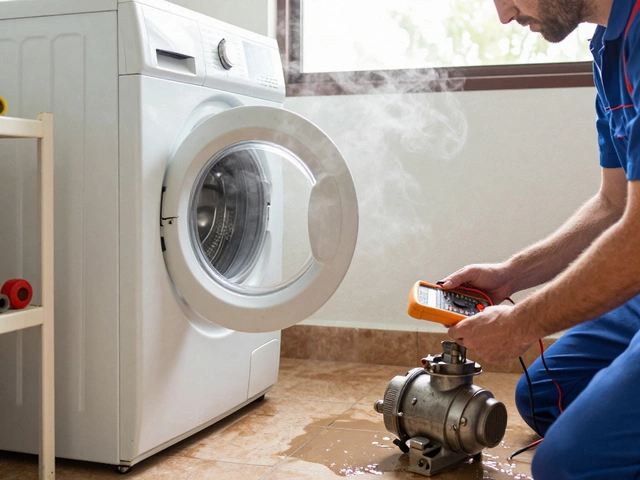
How to test it: You need a multimeter set to continuity mode. Unplug the oven, access the fuse, and touch the probes to both ends. If the meter beeps or shows zero resistance, the fuse is fine. If it stays silent or shows infinite resistance, the fuse is blown. Replacing it costs about $10-$20 in parts, but accessing it often requires removing the oven from its housing.
Faulty Heating Elements: Visible Damage vs. Hidden Failures
Ovens rely on two main types of elements: the bake element (bottom) and the grill/broil element (top). Sometimes, plus a fan element in convection models.
Sometimes, you can see the problem. Look closely at the metal coils. Do you see a blister, a crack, or a blackened spot where the metal has burned through? If yes, that element is dead. It’s like a burnt-out lightbulb-once the filament breaks, current can’t flow.
But what if they look perfect? Elements can fail internally without visible damage. Here’s how to check:
- Unplug the oven.
- Remove the element screws (usually one at the back wall).
- Pull the element forward slightly to expose the wiring terminals.
- Use a multimeter to check for continuity across the element terminals.
No continuity means the element is broken. Continuity exists? Then the element is likely fine, and the problem lies elsewhere (like the thermostat or selector switch).
The Thermostat: Why Your Oven Isn’t Heating Up
If your oven heats up but never reaches the right temperature-or heats indefinitely until smoke fills the room-the thermostat is suspect. Modern ovens use digital sensors, while older ones use mechanical bimetallic strips.
A failed thermostat usually causes one of two scenarios:
- Oven runs cold: The sensor thinks it’s already hot, so it never sends power to the elements.
- Oven overheats: The sensor fails open, meaning it constantly tells the controller to keep heating. This is dangerous and can melt plastic knobs or scorch food.
Testing a thermostat is tricky because resistance changes with temperature. You need to measure it at room temperature and compare it to the manufacturer’s spec sheet (often found online by searching your model number). If the reading is way off, replace it. For many homeowners, this is a job for a technician unless you’re comfortable with disassembly.
Control Board and Selector Switches
If the oven has power, the lights work, but nothing else responds, the brain might be fried. The electronic control board manages timing, temperature, and function selection. Power surges from storms or grid fluctuations can fry these boards.
Symptoms of a bad control board include:
- Display showing error codes (e.g., F1, E5).
- Buttons that don’t respond or trigger random functions.
- Oven turning on by itself.
Older ovens use rotary selector switches instead of digital boards. These physical switches wear out over time. Contacts get pitted or burnt, breaking the connection. If wiggling the knob makes the oven flicker on and off, the switch is failing. Replacement switches are cheap ($30-$60), but replacing them involves disconnecting multiple wires. Take a photo before unplugging anything!
When to Call a Professional
DIY repairs save money, but some jobs aren’t worth the risk. Call a licensed electrician or appliance repair tech if:
- The RCD keeps tripping every time you try to use the oven.
- You smell burning plastic or see sparks.
- The oven is under warranty (opening it may void coverage).
- You’re uncomfortable working with mains voltage (230V in Australia is no joke).
In Adelaide, standard call-out fees range from $80 to $120, plus parts. Compare that to buying a new oven ($500+), and fixing a $20 part is almost always smarter.
Troubleshooting Summary Table
| Symptom | Likely Cause | DIY Difficulty | Estimated Part Cost (AUD) |
|---|---|---|---|
| No power, no lights | Tripped breaker, faulty socket, or main fuse | Easy | $0 - $15 |
| Lights work, no heat | Blown thermal fuse or faulty element | Moderate | $15 - $80 |
| Overheating / Smoke | Failed thermostat or stuck relay | Hard | $40 - $100 |
| Random shutdowns | Failing control board or loose wiring | Hard | $150+ |
Preventing Future Breakdowns
Ovens last longer when treated kindly. Clean spills promptly-burnt-on grease insulates the bottom element, causing it to overheat and fail. Don’t slam the door; it jars the glass and hinges. And avoid using the self-clean cycle excessively; the extreme temperatures stress electronic components.
Also, check your seals. If the door gasket is torn, heat escapes, forcing the oven to work harder. This extra strain shortens the life of the elements and fan motor.
Can I reset my electric oven myself?
Yes, for minor glitches. Turn off the circuit breaker for 1 minute, then turn it back on. This resets the electronic control board. However, this will not fix blown fuses or broken elements.
Why does my oven fan work but not the heat?
This usually indicates a blown heating element or a faulty thermal fuse. Since the fan has power, the main supply is fine, but the circuit dedicated to heating is interrupted.
Is it cheaper to repair or replace an electric oven?
If the repair cost is less than 50% of a new oven's price, repair it. For ovens under 7 years old, repair is almost always better. For units over 10 years old, replacement is often more economical due to efficiency gains.
What does an F1 error code mean?
Error codes vary by brand, but F1 typically indicates a keypad short or a temperature sensor failure. Consult your user manual for the specific definition for your model.
How long do electric oven elements last?
With normal use, heating elements last 5 to 10 years. Heavy daily use or frequent self-cleaning cycles can reduce this lifespan significantly.