Boiler Repair vs. Replace Decision Tool
Enter your boiler details below to apply the "50% Rule" and assess the financial viability of repairing versus replacing your unit.
Current Boiler Details
Recommendation
Detailed Analysis
- -- Repair Cost as % of New Unit:
- -- Age Assessment:
- -- Efficiency Potential:
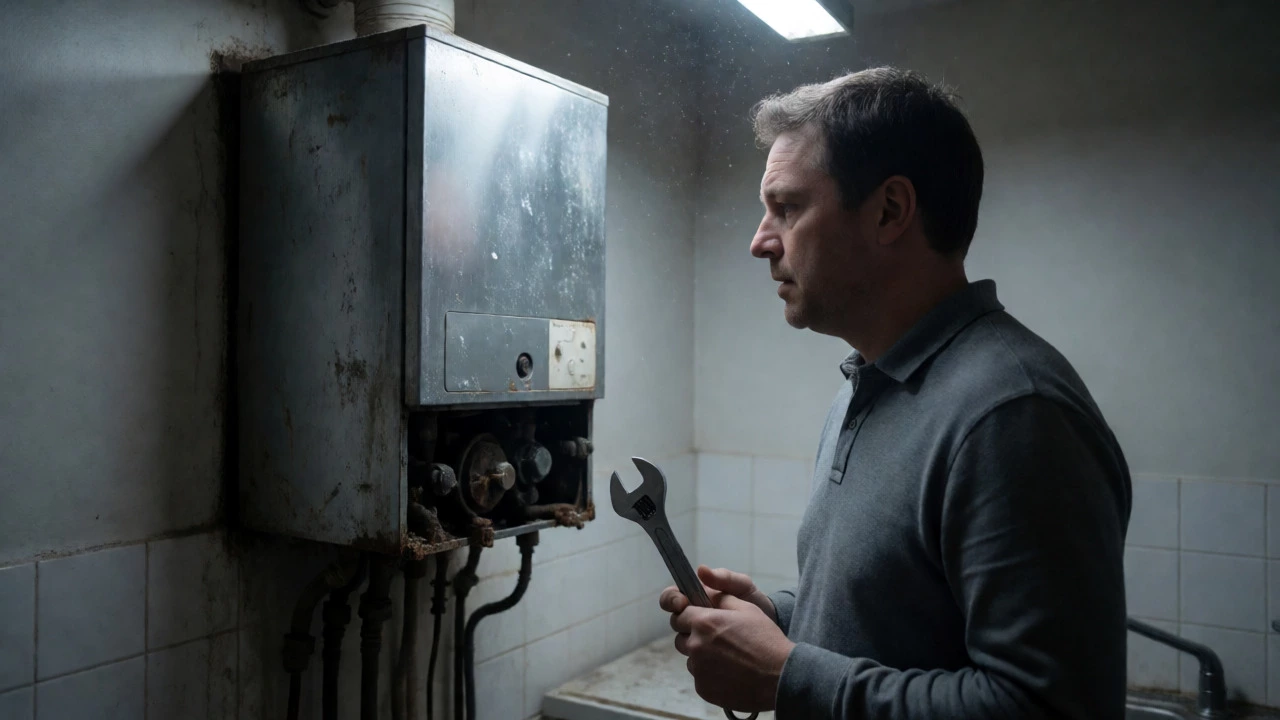
You’re standing in your utility room, staring at the boiler that’s making a noise like a dying cat. The engineer just quoted you $450 to fix it. Your heart sinks. Is this money thrown down the drain, or is it the smartest thing you can do right now? It’s the classic homeowner dilemma: repair vs replace. There’s no one-size-fits-all answer, but there is a clear way to decide. Let’s break down the math, the age of your unit, and the hidden costs so you don’t regret your choice.
The 50% Rule: A Simple Math Check
Here’s the quickest heuristic I use with clients in Adelaide: If the repair cost is more than 50% of the price of a new, high-efficiency boiler, you should probably replace it. But wait-don’t run out to buy a new one yet. This rule assumes the rest of the system is healthy. If your radiators are sludged up or your pipework is corroded, a new boiler might fail quickly too. However, if your heating system is generally sound, this percentage is your first filter. A $1,000 repair on a $2,000 replacement candidate is often worth doing. A $1,800 repair on that same unit? You’re throwing good money after bad.
Age Matters More Than You Think
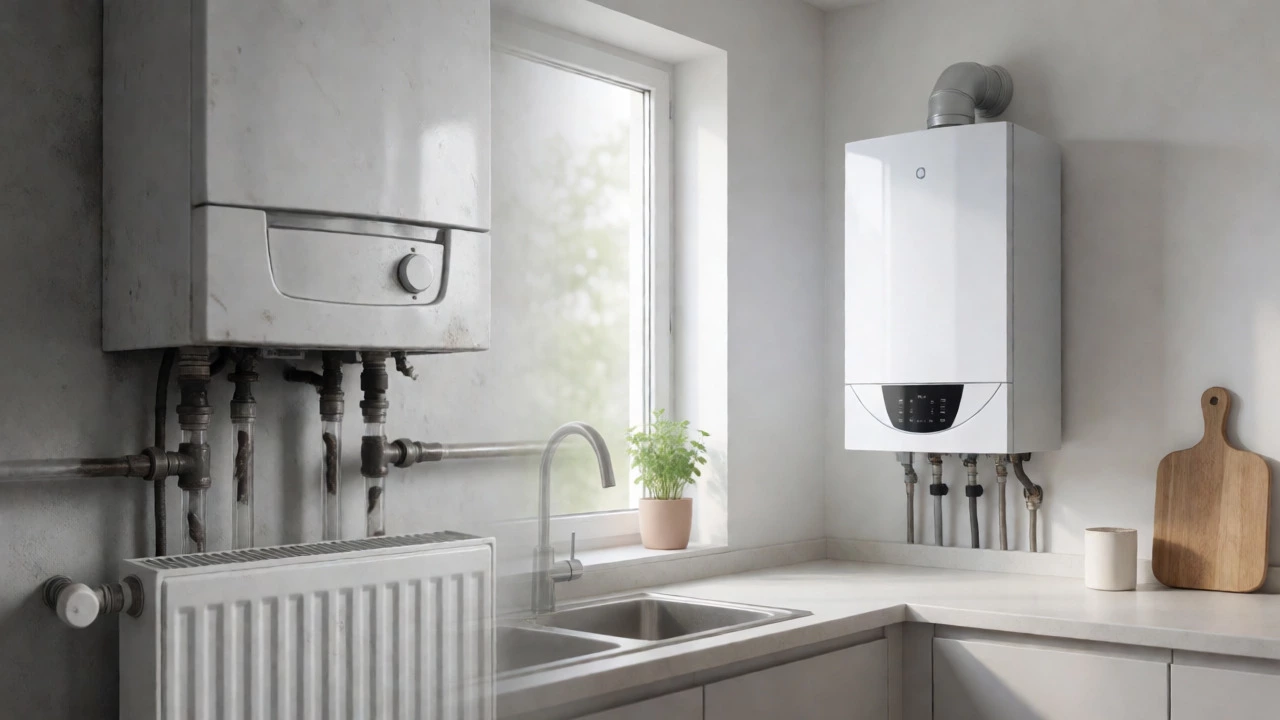
Gas Boilers have a typical lifespan of 15 years. Some last 20, some die at 10. Once you cross the 15-year mark, you enter "failure territory." Parts become harder to source. Efficiency drops significantly. An old open-flue boiler might be running at 70% efficiency, while modern Condensing Boilers hit 90-94%. That difference shows up in your energy bills every single month. If your boiler is over 15 years old and needs a major component fixed-like the heat exchanger or the diverter valve-you are essentially patching a sinking ship. The next failure will likely be within 12 months.
The Hidden Cost of Inefficiency
Let’s look at real numbers. In South Australia, gas prices fluctuate, but let’s assume an average annual heating cost of $1,200 for a standard three-bedroom home. An inefficient, aging boiler could waste 20-30% of that fuel due to poor combustion and scale buildup. That’s $240-$360 wasted annually. Over five years, that’s $1,200-$1,800 in pure waste. Now compare that to the upfront cost of a new condensing boiler. Yes, the initial outlay is higher, but the payback period through energy savings often lands between 3 to 5 years. If you plan to stay in your home longer than that, replacement wins financially.
Spare Parts Availability and Wait Times
This is where things get messy. Manufacturers discontinue parts for older models. If you have a Vaillant EcoTEC from 2010, finding a specific PCB (printed circuit board) might take weeks. Meanwhile, you’re cold. Modern boilers share standardized components across ranges. If a part fails on a current model, it’s usually in stock locally. When deciding whether to repair, ask your engineer: "How long will it take to get this part?" If the answer is "two weeks," and it’s July, you might want to consider replacement instead. Comfort has value too.
Warranty Implications
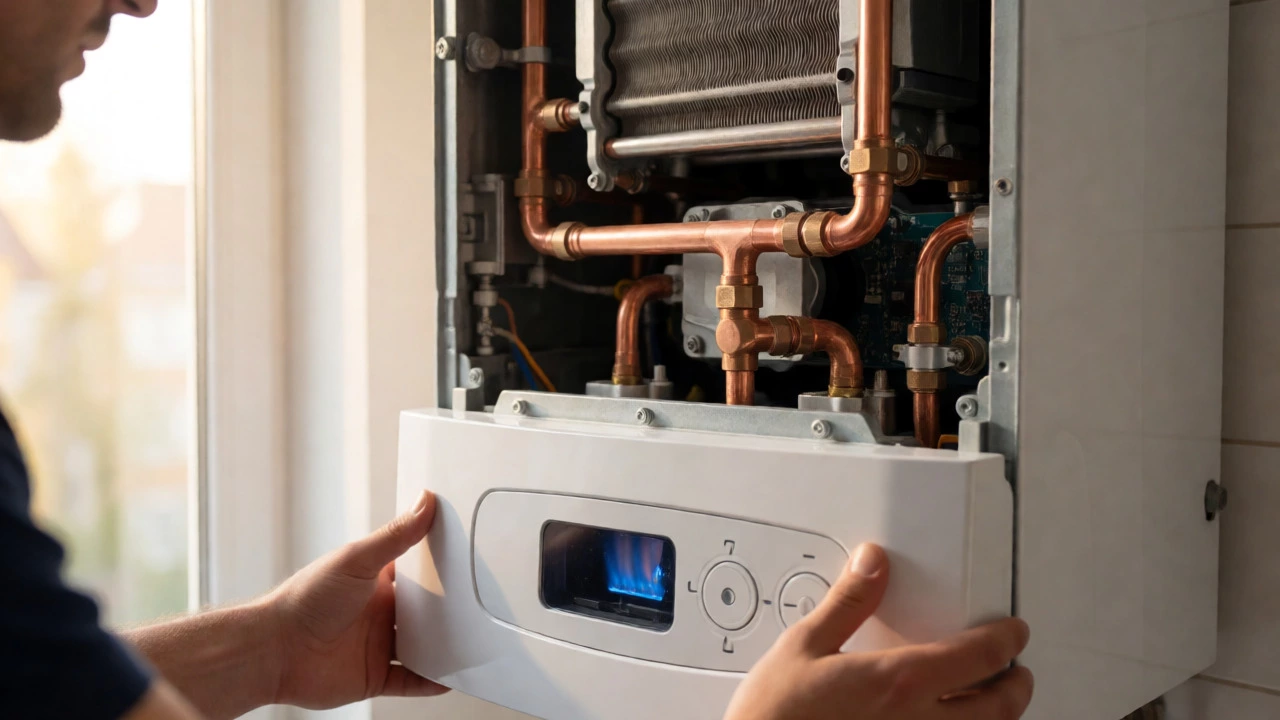
New boilers come with substantial warranties-often 7 to 10 years when installed by an accredited professional. Repairs, however, rarely come with anything beyond a 30-day labor guarantee. If you spend $500 repairing a 12-year-old boiler, you have no protection against the next breakdown. With a new installation, you’re covered for a decade. This peace of mind is a tangible asset. Factor in the risk of future unexpected bills. One major failure on an out-of-warranty old boiler can cost $800+. On a new boiler, it’s zero.
When Repairing Is Definitely Worth It
It’s not always about replacing. Sometimes, repair is the obvious winner. Here’s when you should keep your existing unit:
- Minor faults: Things like a faulty thermostat, a leaking pipe joint, or a blocked condensate pipe are cheap fixes ($100-$200). These don’t indicate systemic failure.
- Under warranty: If your boiler is still under manufacturer warranty, repairs are often free or heavily subsidized. Always check your paperwork.
- Recent service history: If your boiler was serviced regularly and cleaned, its internal health is better. Scale buildup is less likely, meaning other components are under less stress.
- Rental properties: If you’re a landlord, cash flow matters. A cheap repair keeps tenants happy without capital expenditure. Just ensure it meets safety standards.
Comparison: Repair vs Replace Scenarios
| Scenario | Boiler Age | Repair Cost | Recommendation | Reasoning |
|---|---|---|---|---|
| Minor Sensor Fault | 5 Years | $150 | Repair | Cheap, quick, unit is young. |
| Heat Exchanger Leak | 12 Years | $600 | Consider Replacement | High cost relative to life left; efficiency gains available. |
| Pump Failure | 8 Years | $350 | Repair | Moderate cost, unit has life left, efficient enough. |
| PCB Board Burnt | 18 Years | $500 | Replace | End of life; parts scarce; low efficiency. |
| System Sludge Damage | Any | $1,500+ | Replace + Powerflush | New boiler needs clean water to survive. |
The Environmental Angle
If you care about your carbon footprint, the argument shifts toward replacement sooner rather than later. Old boilers produce more nitrogen oxides (NOx) and burn gas less cleanly. Modern condensing units recover heat from exhaust gases that would otherwise escape up the flue. By upgrading, you’re not just saving money; you’re reducing household emissions. For many homeowners in Adelaide, this aligns with broader sustainability goals, especially as we move toward electrification and renewable energy grids.
Don’t Forget the System Flush
One critical mistake people make is installing a new boiler into a dirty system. If you choose to replace, insist on a power flush or chemical cleanse. Old radiators full of magnetite sludge will kill a new boiler’s pump and heat exchanger within years. Budget an extra $400-$600 for this. It protects your investment. If you choose to repair, ask the engineer to check for sludge signs. If it’s bad, a flush might extend the life of your current unit, but weigh the cost carefully.
Making the Final Decision
So, how do you decide today? Grab a piece of paper. Write down your boiler’s age. Get two quotes for the repair. Get one quote for a replacement including installation and any necessary pipework adjustments. Apply the 50% rule. Consider your plans for the house-are you selling soon? If yes, a repaired working boiler is fine. If you’re staying long-term, efficiency and reliability matter more. Trust your gut, but back it with data. A cold house is miserable, but a broken bank account is worse.
How much does it cost to replace a boiler in Adelaide?
Costs vary based on brand and complexity. A standard combi boiler replacement typically ranges from $2,500 to $4,500 AUD. This includes supply, installation, gas fitting certification, and basic pipework adjustments. High-end brands like Viessmann or Vaillant may push towards the higher end, while budget options start lower but may have shorter warranties.
Can I negotiate the price of a boiler repair?
Yes, especially if you get multiple quotes. Engineers often have flexibility on labor rates. However, be wary of extremely low bids-they might skip diagnostics or use non-genuine parts. Always ask for a detailed breakdown of parts and labor before agreeing.
What are the signs my boiler needs replacing, not just fixing?
Key signs include yellow flames (instead of blue), frequent pilot light blowouts, strange banging noises (kettling), loss of hot water pressure, and rising energy bills despite normal usage. If these symptoms coincide with an age over 15 years, replacement is usually the smarter financial move.
How long does a boiler repair take?
Most common repairs take 1-3 hours. Complex issues requiring special order parts can take days or weeks. Always ask for an estimated time frame before booking. If the wait exceeds 48 hours in winter, consider temporary electric heaters or evaluating replacement options for immediate relief.
Do I need a new flue when replacing a boiler?
Often, yes. Newer condensing boilers require plastic PVC flues because the exhaust is cooler and acidic. Older metal flues may not fit or meet current regulations. Your installer will assess this during the survey. Budget for potential flue upgrades if your setup is outdated.