Tumble Dryer Lifespan & Repair Estimator
Enter your dryer details to get a personalized lifespan estimate and repair advice.
You just heard that familiar clunk from the drum, or maybe the clothes are coming out damp after a two-hour cycle. It’s that sinking feeling every homeowner knows: is my tumble dryer finally giving up the ghost? Before you rush to buy a new one, it helps to know what you’re dealing with. The average tumble dryer lasts between 10 and 13 years. But here’s the kicker: that number swings wildly depending on how you use it, which type you bought, and whether you actually clean the lint filter (yes, we’re looking at you).
If your machine is under five years old and acting up, it’s probably a fixable glitch, not a death sentence. If it’s pushing fifteen, you might be in end-of-life territory. This guide breaks down exactly how long different dryers last, when repair makes sense versus replacement, and the specific habits that kill machines early.
The Real Lifespan of Different Dryer Types
Not all dryers are built equal. The technology inside dictates both efficiency and durability. Understanding which type you have helps predict its remaining life.
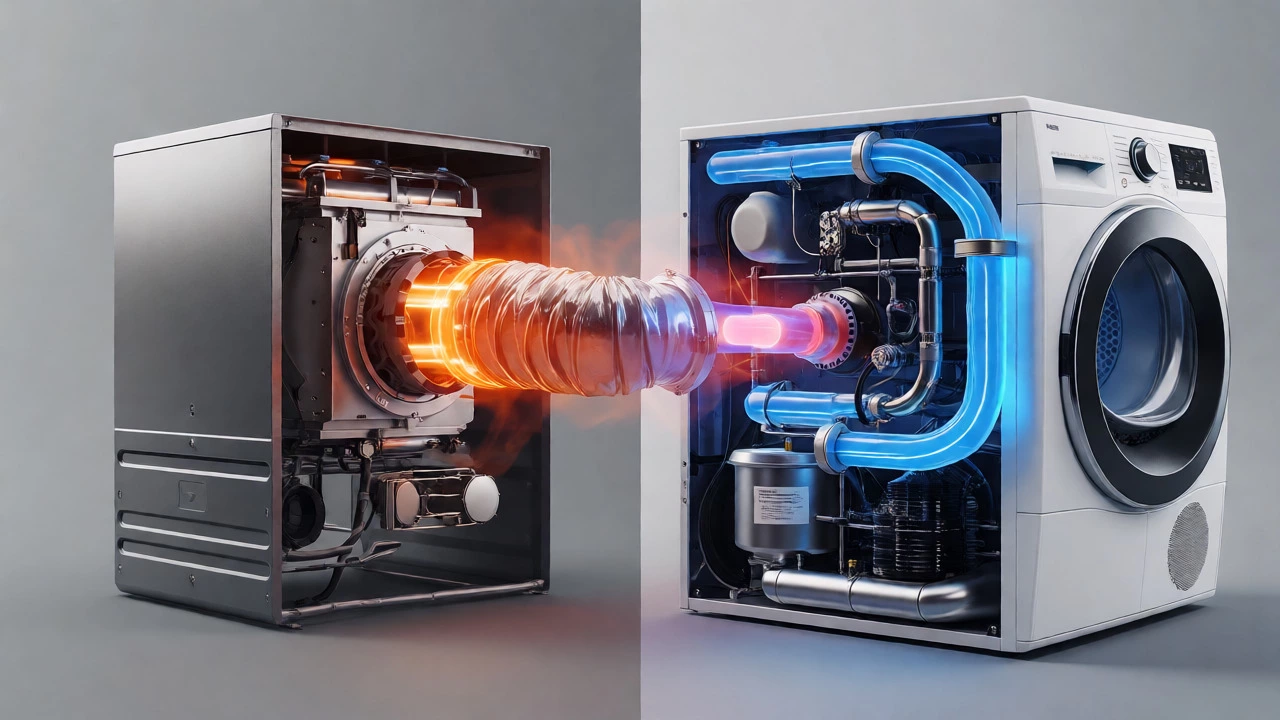
Vented dryers are the workhorses. They’re simple, using a heating element to warm air that’s blown through clothes and out a hose. Because they lack complex electronics, they often hit the 13-15 year mark if maintained well. Their weakness? The motor and belt take a beating from high heat, but parts are cheap and easy to find.
Condenser dryers recycle hot air, collecting moisture in a tank. They’re great for flats without external vents. However, the added complexity means more failure points. Expect a lifespan closer to 9-11 years. The main killer here is poor airflow due to clogged condensers, which overheats components.
Heat pump dryers are the modern upgrade, using refrigerant to extract heat rather than generating it from scratch. They run cooler, which theoretically saves wear. But they contain compressors and complex circuit boards. While manufacturers claim longer lives, real-world data suggests 10-12 years. When they break, repairs are expensive because specialized technicians are needed.
| Dryer Type | Average Lifespan | Common Failure Points | Repair Cost Factor |
|---|---|---|---|
| Vented | 10-15 years | Belt, Heating Element, Thermostat | Low ($50-$150) |
| Condenser | 9-11 years | Pump Motor, Condenser Unit, Control Board | Medium ($100-$250) |
| Heat Pump | 10-12 years | Compressor, Refrigerant Leak, PCB | High ($200-$400+) |
Signs Your Dryer Is Nearing the End
Appliances rarely die suddenly. They send warnings first. Ignoring them turns a $80 repair into a $600 disaster. Watch for these red flags:
- Cycling Issues: If the dryer stops mid-cycle or takes twice as long to dry, the thermal fuse or thermostat is likely failing. This causes overheating, which stresses the motor.
- Noise Changes: A squealing noise usually means a worn belt or idler pulley. A grinding sound points to drum bearings. Bearings are cheap; the labor to replace them is not. If the drum wobbles violently, the support rollers are gone.
- Electrical Gremlins: Intermittent starting or error codes on digital displays suggest control board issues. On older units, this is often the final straw.
- Smell of Burning: This isn’t always lint. If it smells like electrical burning, stop immediately. Wiring insulation melts before wires short out, posing a fire risk.
Here’s a rule of thumb: If the repair cost exceeds 50% of the price of a new equivalent model, replace it. For a $500 dryer, a $250 repair is questionable. For a $1,200 heat pump model, a $300 compressor fix might still be worth it.
What Actually Kills Dryers Early?
Most dryers don’t die of old age; they commit suicide through neglect. Here are the biggest culprits reducing lifespan by years:
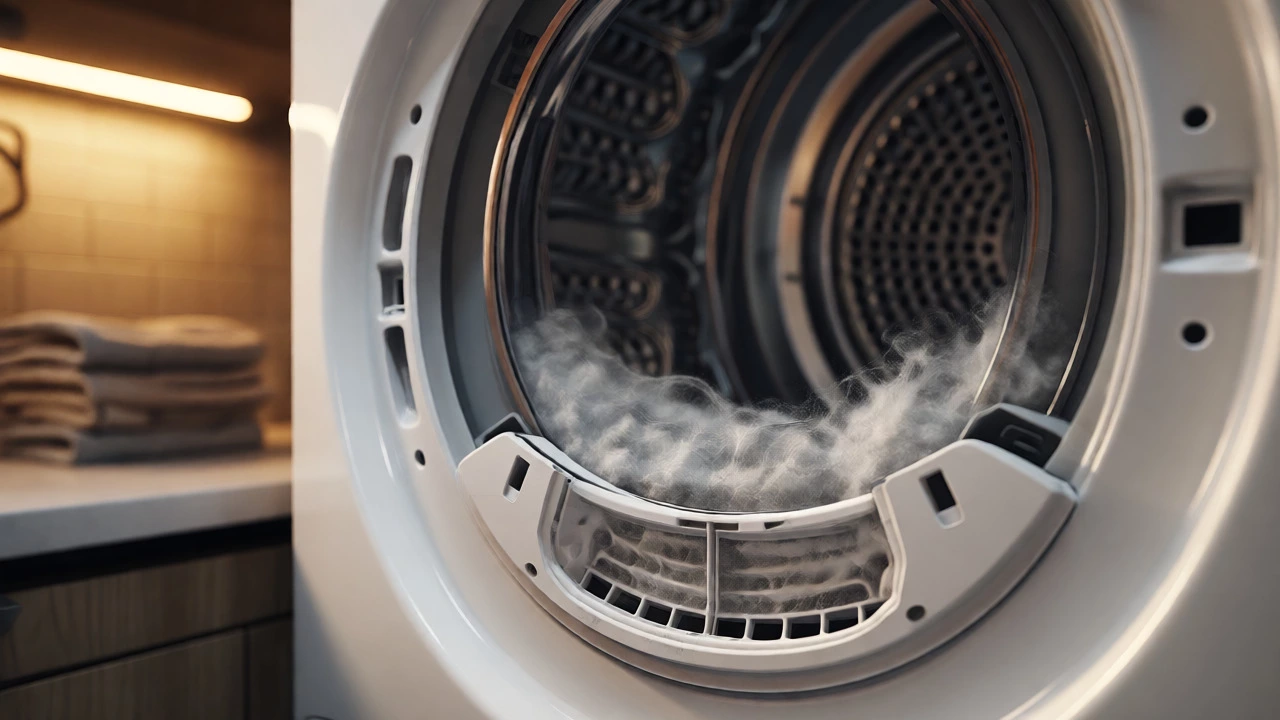
Lint Buildup in Vents: Cleaning the trap is step one. Step two is cleaning the ductwork. Clogged vents force the heater to work harder and hotter, degrading plastic components and seals. In vented models, this also reduces airflow, causing the motor to overheat. Clean the full vent line once a year.
Overloading: Stuffing the drum prevents tumbling. Clothes need space to fall. Without it, moisture doesn’t evaporate efficiently, so cycles run longer. Longer cycles mean more wear on belts and motors. Underloading is bad too-dryers rely on weight to trigger sensors correctly.
Ignoring the Condenser: For condenser and heat pump models, the heat exchanger must be rinsed regularly. Lint and mineral deposits clog the fins. A blocked condenser forces the system to run inefficiently, straining the compressor. Make it part of your monthly routine.
Leveling Issues: If your dryer walks across the floor during spin cycles, it’s not level. Vibrations loosen internal connections and damage shock absorbers. Use a spirit level to check feet placement annually.
Repair vs. Replace: The Decision Matrix
So, your dryer is acting up. How do you decide? It’s a math problem mixed with gut feeling.
Scenario A: The Machine is Under 7 Years Old
If it’s a common fault like a broken belt or faulty door switch, repair it. These parts are inexpensive, and the rest of the machine has plenty of life left. Even a heating element replacement is worth doing if the unit is otherwise healthy.
Scenario B: The Machine is 7-10 Years Old
This is the gray zone. Check the brand reputation. Brands like Miele or Asko build commercial-grade components and often survive past 15 years. Budget brands like Indesit or Beko may struggle past 10. If the repair involves major components (motor, drum bearing) and costs over $200, consider replacing. Newer models are significantly more energy-efficient, saving money on electricity bills.
Scenario C: The Machine is Over 10 Years Old
Unless it’s a premium brand and the fault is minor (like a handle), replace it. Parts availability drops off sharply after a decade. You’ll spend more hunting for obsolete components than fixing the issue. Plus, safety standards have improved; older dryers lack modern fire-prevention features.
Extending Your Dryer’s Life: Pro Tips
You can squeeze extra years out of any machine with these low-effort habits:
- Wipe the Seal: Every few months, wipe the rubber door seal with vinegar water. Damp clothes leave moldy residue that degrades the rubber, leading to leaks and heat loss.
- Clean the Sensor Bars: Inside the drum, there are metal strips. Wipe them with rubbing alcohol. Dirty sensors misread moisture levels, causing over-drying, which shrinks clothes and stresses fabrics.
- Check the Exhaust Hose: Ensure the vent hose behind the dryer isn’t crushed or kinked. A straight path allows proper airflow. Replace plastic hoses with semi-rigid metal ones if possible-they resist crushing and lint buildup better.
- Run a Cleaning Cycle: Many modern dryers have a self-clean function for the condenser. Run it monthly. If yours doesn’t, manually rinse the condenser unit under warm water.
Frequently Asked Questions
Is it worth repairing a 10-year-old dryer?
Generally, no. At ten years, most budget and mid-range dryers are near the end of their design life. Unless the repair is very cheap (under $100) and the machine is a high-end brand, investing in a new, energy-efficient model usually pays off faster through lower electricity bills and fewer breakdowns.
Which dryer type lasts the longest?
Vented dryers typically have the longest lifespan due to their simple mechanical design. With fewer electronic components and no complex cooling systems, they suffer fewer catastrophic failures. High-quality vented models from reputable brands can easily exceed 15 years with basic maintenance.
How often should I clean my dryer vent?
Clean the lint trap after every load. Clean the exterior vent cap and the internal ductwork at least once a year. If you dry heavy fabrics like towels frequently, do it every six months. A clogged vent increases drying time, raises energy costs, and significantly raises the risk of house fires.
Why does my dryer smell like burning?
A burning smell usually indicates lint trapped against the heating element or a slipping drive belt. Stop using the dryer immediately. Unplug it and check the lint trap and exhaust path. If the smell persists after cleaning, a technician needs to inspect the wiring or motor bearings to prevent electrical shorts.
Do heat pump dryers last longer than standard dryers?
Not necessarily. While they operate at lower temperatures, which reduces thermal stress, their complexity introduces more failure points. Compressors and printed circuit boards are expensive to replace. Standard vented dryers often outlast heat pump models simply because they are easier and cheaper to keep running.