Kitchen Extractor Fan Lifespan & Repair Estimator
Enter your fan details below to get an estimated remaining lifespan and a professional recommendation on whether to fix it or buy a new one.
Analysis Result
Estimated Total Lifespan
-- Years
Remaining Life
-- Years
Key Factors Influencing Your Score:
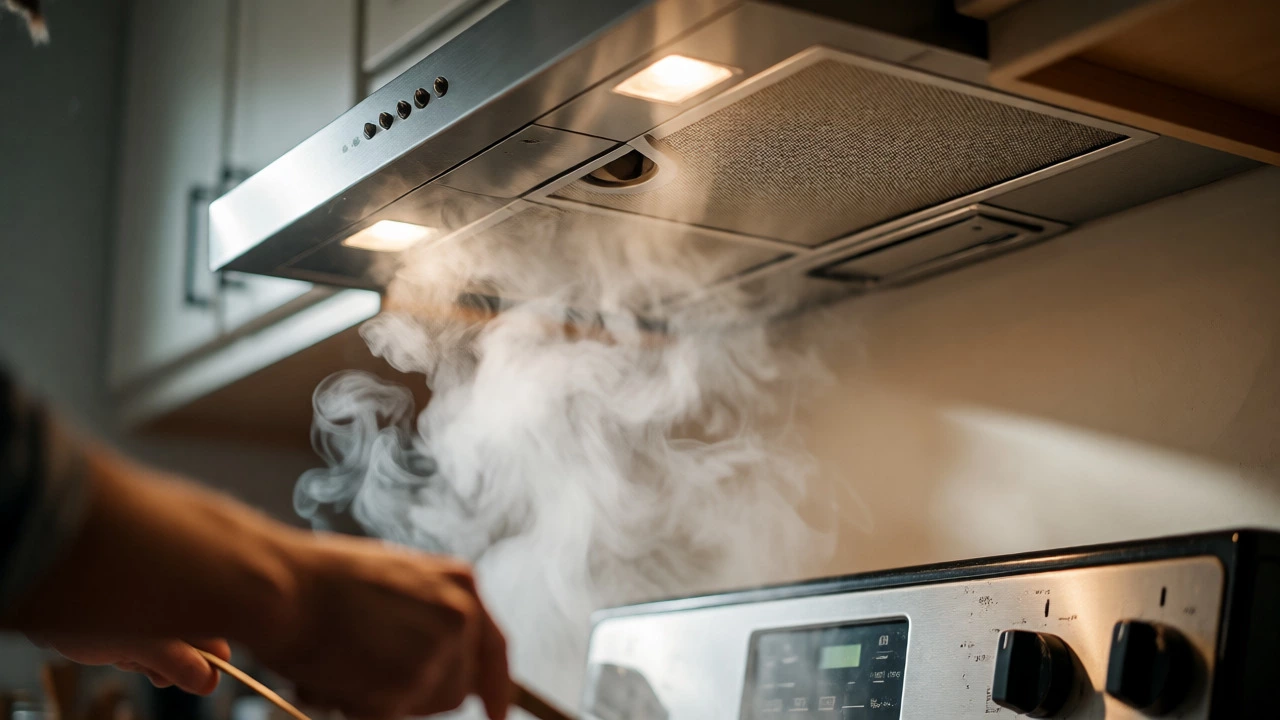
You’re standing over the stove, trying to fry up a quick dinner, and you notice something odd. The smoke isn’t clearing. It’s just hanging there, mixing with your steam, making your eyes water. You look up at the extractor fan and realize it’s barely humming. Is it dying? Is it clogged? Or is it just doing its job poorly?
This is one of the most common questions I get from homeowners in Adelaide. They want to know if they should fix it or replace it. The honest answer? It depends. But we can narrow it down. Most modern kitchen extractor fans last between 7 and 10 years. Some cheap models die in 3. High-end commercial-grade units can push 15. Let’s break down why yours might be on its last legs and what you can do about it.
The Typical Lifespan of Different Fan Types
Not all fans are built the same. The type of unit you have plays a huge role in how long it will stick around. If you have a basic under-cabinet model from a big-box hardware store, don’t expect miracles. These often use lower-quality motors and plastic impellers that warp over time.
| Fan Type | Average Lifespan | Common Failure Point |
|---|---|---|
| Under-Cabinet | 5-8 Years | Motor burnout, grease buildup |
| Wall-Mounted Chimney | 7-10 Years | Capacitor failure, duct blockage |
| Island Ceiling | 8-12 Years | Bearing wear, remote blower issues |
| Integrated Built-in | 6-9 Years | Filter damage, internal corrosion |
Notice the pattern? The more complex the installation, the longer it tends to last, simply because these units are often engineered for higher performance and durability. However, complexity also means more parts that can fail. A simple recirculating fan has fewer moving parts than a ducted system with an inline blower motor tucked away in the ceiling cavity.
What Actually Kills an Extractor Fan?
It’s rarely age alone that stops a fan dead in its tracks. Usually, it’s neglect or a specific component failing. Think of your extractor fan like a car engine. If you never change the oil, it seizes up long before it hits 100,000 kilometers. Here are the main culprits:
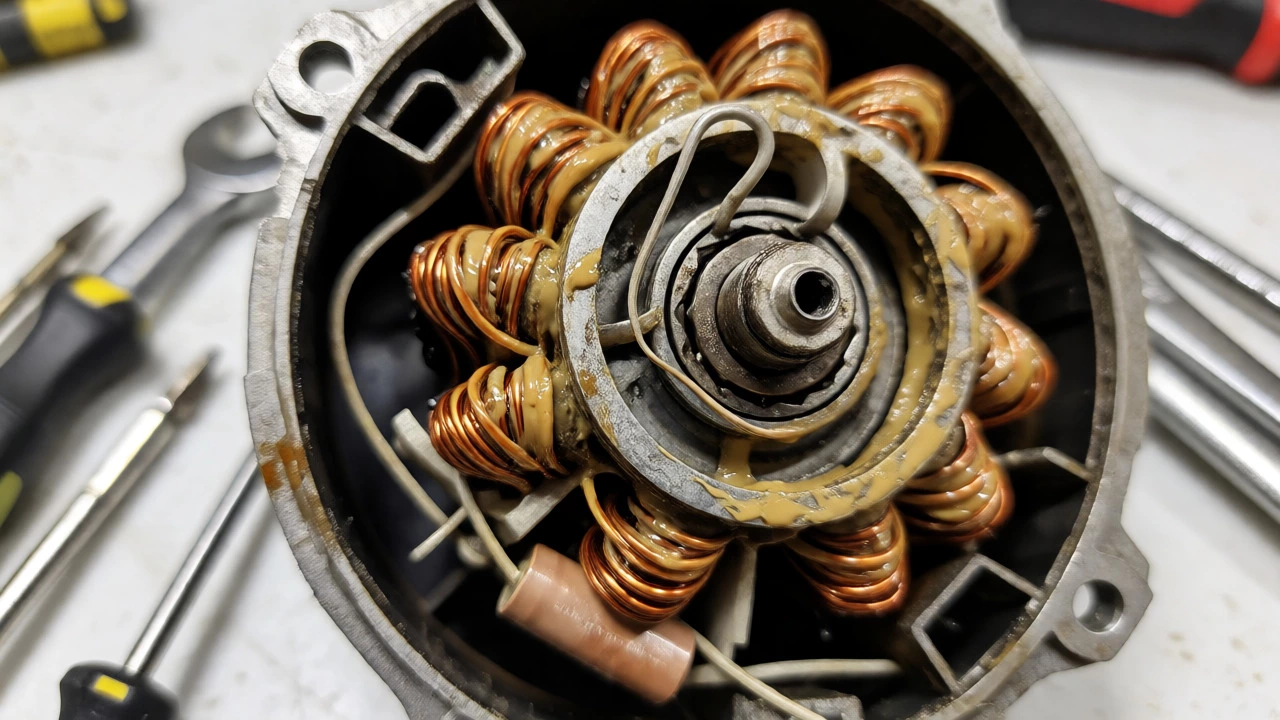
- Grease Accumulation: This is the number one killer. Grease coats the motor windings and insulates them, causing them to overheat. Eventually, the insulation melts, and the motor shorts out. In Australian kitchens, where frying and high-heat cooking are common, this happens fast if filters aren’t cleaned monthly.
- Motor Bearing Wear: Bearings reduce friction. Over time, dust and moisture dry out the lubricant inside them. When bearings go, you hear a grinding or squealing noise. Once that noise starts, you have weeks, not months, before total failure.
- Capacitor Failure: Many fans use a capacitor to help the motor start. If the fan hums but doesn’t spin, or spins slowly, the capacitor is likely blown. This is a cheap part (often under $20) but requires electrical knowledge to swap safely.
- Duct Blockages: If your fan pushes air through a duct to the outside, birds’ nests, debris, or crushed flexible ducting can create backpressure. The motor works harder than designed, overheating and burning out prematurely.
Signs Your Fan Is Nearing the End
How do you know if you’re in the danger zone? Don’t wait until it quits completely. Watch for these red flags. If you see two or more of these, plan for a replacement or major repair soon.
First, listen. A healthy fan makes a consistent whooshing sound. A dying fan rattles, grinds, or whines. Second, check the suction. Hold a piece of paper against the intake grille. If it doesn’t stick firmly, your airflow is compromised. Third, look at the filters. If they are caked in thick, sticky grease that won’t come off with hot soapy water, that grease has likely penetrated deeper into the unit.
Also, pay attention to heat. If the housing feels excessively hot to the touch after running for just five minutes, the motor is struggling. Normal operation generates some warmth, but it shouldn’t feel like a radiator. If you smell burnt plastic or ozone, turn it off immediately. That’s the smell of insulation giving up.
Repair vs. Replace: The Cost-Benefit Analysis
This is the million-dollar question-or rather, the few-hundred-dollar question. Should you call a technician for an extractor fan repair or just buy a new unit?
Here’s a rule of thumb I use when advising clients:
- Under 5 Years Old: Try to repair it. Check the filters first. If clean, check the capacitor. If the motor is seized, check if the brand offers spare parts. Brands like Breville, Westinghouse, and Miele often keep parts available for 7-10 years.
- 5-10 Years Old: It’s a toss-up. If it’s a cheap generic brand, replacement is usually cheaper than labor + parts. If it’s a premium brand with a warranty still active (or recently expired), repair might be worth it.
- Over 10 Years Old: Replace it. Technology has improved. Newer fans are quieter, more energy-efficient, and better at capturing smoke. Plus, older units may not meet current building codes regarding ducting standards.
Keep in mind labor costs in Australia. An electrician or appliance tech charges hourly. If the repair quote is more than 50% of the cost of a new mid-range fan, just buy the new one. Why? Because if you fix the motor now, the switch or lights might fail next month. You’ll pay another call-out fee.
How to Extend Your Fan’s Life
You can’t stop time, but you can slow down the decay. Maintenance is low-effort but high-reward. Here’s how to keep your unit running past the 10-year mark.
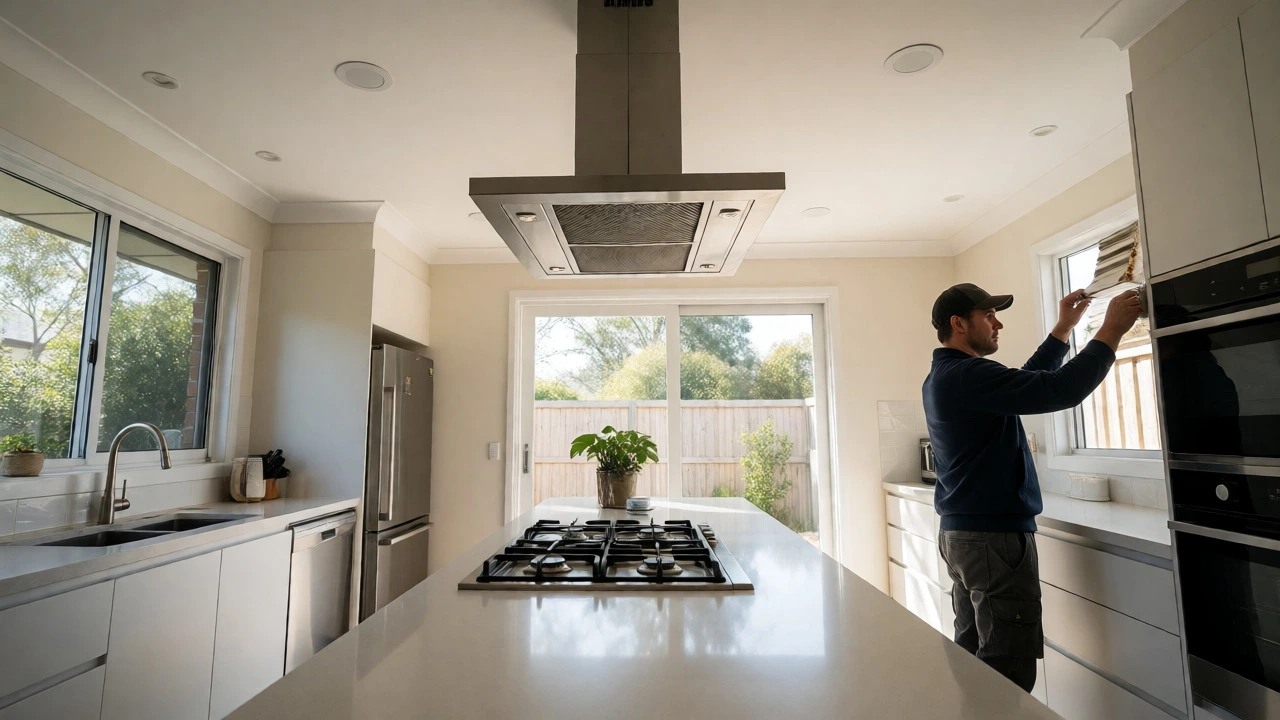
Clean the filters every month. Not “when you remember.” Set a calendar reminder. Use dishwasher-safe metal mesh filters if possible-they handle hot water and degreasers better than charcoal ones. For charcoal filters in recirculating models, replace them every 3-6 months depending on usage. They don’t clean; they saturate.
Run the fan for 10-15 minutes after cooking finishes. This clears residual moisture and grease vapor from the ducting. Moisture causes rust and corrosion inside the motor housing. Leaving it on helps dry things out.
Check the external vent flap once a year. Go outside and make sure the damper opens freely when the fan is on. If it’s stuck closed due to paint or debris, your fan is pushing against a wall, working twice as hard to move half the air.
When Professional Help Is Non-Negotiable
Sometimes, DIY isn’t enough. If your fan is wired directly into the mains without a plug, messing with it involves live electricity. Unless you’re comfortable isolating circuits at the switchboard, leave it to a pro. Also, if the issue lies within the ducting itself-like a collapsed flexible pipe in the ceiling-you need specialized tools to access and fix it.
In Adelaide, humidity levels can vary, but coastal areas face salt air corrosion. If you live near the beach, check the mounting brackets and screws for rust. Corrosion weakens the structure, leading to vibrations that damage the motor mounts. A professional inspection can catch these structural issues before they become safety hazards.
Can I replace just the motor in my extractor fan?
Yes, in many cases. However, availability depends on the brand and age of the unit. Popular brands often sell universal motors or specific replacements. If the fan is integrated into cabinetry, accessing the motor might require removing the entire unit, which adds to labor costs. Always check if the motor is sealed or serviceable before buying a replacement.
Why does my extractor fan smell bad when I turn it on?
A bad smell usually indicates accumulated grease and bacteria on the filters or inside the fan housing. If you have a recirculating fan, the charcoal filter might be saturated and needs replacing. For ducted fans, ensure the external vent isn’t blocked, allowing stale outdoor air or animal scents to enter. Cleaning the filters and housing with a degreaser typically solves this.
Is it safe to run an extractor fan if it’s making noise?
It depends on the noise. Rattling might just mean a loose screw or filter. Grinding or squealing suggests bearing failure. Running a motor with failed bearings generates excessive heat, which can melt wiring insulation and pose a fire risk. If the noise is mechanical and worsening, shut it down and seek repair to prevent complete motor seizure or electrical faults.
How often should I replace charcoal filters?
Charcoal filters cannot be washed and reused effectively. They absorb odors until they are full. For average home cooking, replace them every 3 to 6 months. If you cook heavily with strong spices or frying, check them monthly. A saturated filter reduces airflow significantly, forcing the motor to work harder and shortening its lifespan.
Do ducted fans last longer than recirculating fans?
Generally, yes. Ducted fans expel moist, greasy air outside, preventing buildup inside the unit. Recirculating fans trap grease and moisture inside the cabinet, accelerating corrosion and motor wear. However, ducted systems have more components (ducting, dampers) that can fail. Properly maintained, both types can reach their expected lifespans, but ducted fans often maintain performance better over time.