Hot Water Heater Reset Guide
There is nothing worse than stepping into a shower expecting warmth and getting hit with an icy blast. It happens to the best of us. Before you call out a technician in Adelaide or anywhere else, there is a high chance your hot water heater is simply confused and needs a reset. Most modern units have safety mechanisms that trip when they detect unusual pressure, temperature, or flame conditions. Resetting them is often as simple as flipping a switch or holding down a button, but doing it wrong can leave you without hot water for days-or worse, create a safety hazard.
This guide breaks down exactly how to reset both gas and electric models. We will cover the specific controls, the safety checks you must perform first, and how to tell if the unit is actually broken rather than just tripped. By the end of this, you should be able to restore your hot water supply without spending a cent on service calls.
Quick Summary / Key Takeaways
- Electric heaters: Locate the access panels, remove them, check the thermal cut-off (ECO) switch, and press the red reset button next to the thermostat.
- Gas heaters: Find the control knob at the bottom, turn it to 'Off', wait 10 minutes for gas to clear, then follow the relighting procedure for your specific pilot type.
- Safety First: Always shut off power or gas before touching internal components. If you smell gas, evacuate immediately.
- Diagnosis: If the reset button pops back out instantly or the pilot won't stay lit, you likely have a faulty thermocouple or heating element requiring professional repair.
Why Your Water Heater Needs a Reset
Before we get our hands dirty, it helps to understand why these machines shut themselves down. A water heater is a tankless or storage appliance designed to heat water for domestic use. Inside every unit are sensors designed to prevent explosions, fires, and scalding injuries. When these sensors trigger, the system enters a "lockout" mode.
In electric models, the most common culprit is the thermal cut-off switch a safety device that cuts power if the water temperature exceeds safe limits. This usually happens due to a failing thermostat or sediment buildup insulating the heating element, causing it to overheat. In gas models, the issue is often the thermocouple a small copper tube that generates a voltage signal to keep the gas valve open while the pilot light is burning. If the flame goes out or the sensor gets dirty, the gas supply shuts off to prevent leaks.
Understanding these triggers helps you decide whether a reset is enough. If your heater has been running fine for years and suddenly stopped, a reset might work. If it has been making popping noises or leaking recently, a reset is just a temporary band-aid on a larger problem.
Preparation: Safety Checks Before You Start
You cannot reset a water heater safely without cutting its energy source. Electricity and gas are unforgiving. Here is what you need to do before touching any screws or knobs.
- Turn off the power: For electric units, go to your main fuse box or circuit breaker panel. Locate the breaker labeled "Water Heater" or "Hot Water" and flip it to the OFF position. Do not rely on the switches on the side of the tank; those don't always cut power completely.
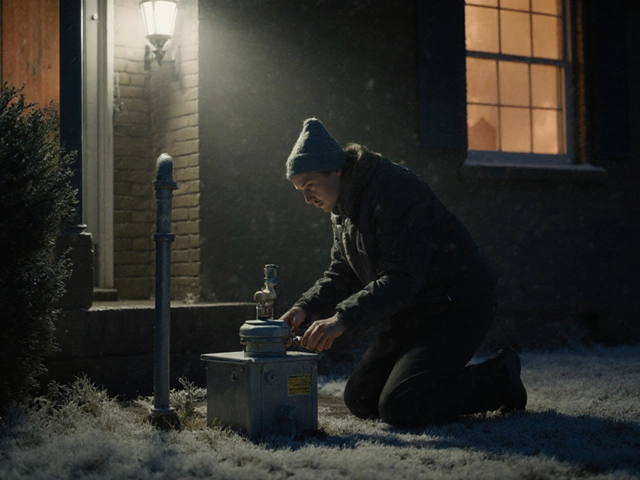
- Shut off the gas: For gas units, find the gas shut-off valve near the base of the heater. Turn the handle so it is perpendicular to the pipe (parallel means open, perpendicular means closed).
- Test the water temperature: Turn on a hot water tap somewhere in the house. Let it run for a minute. This relieves pressure inside the tank and prevents steam burns when you open the panels later.
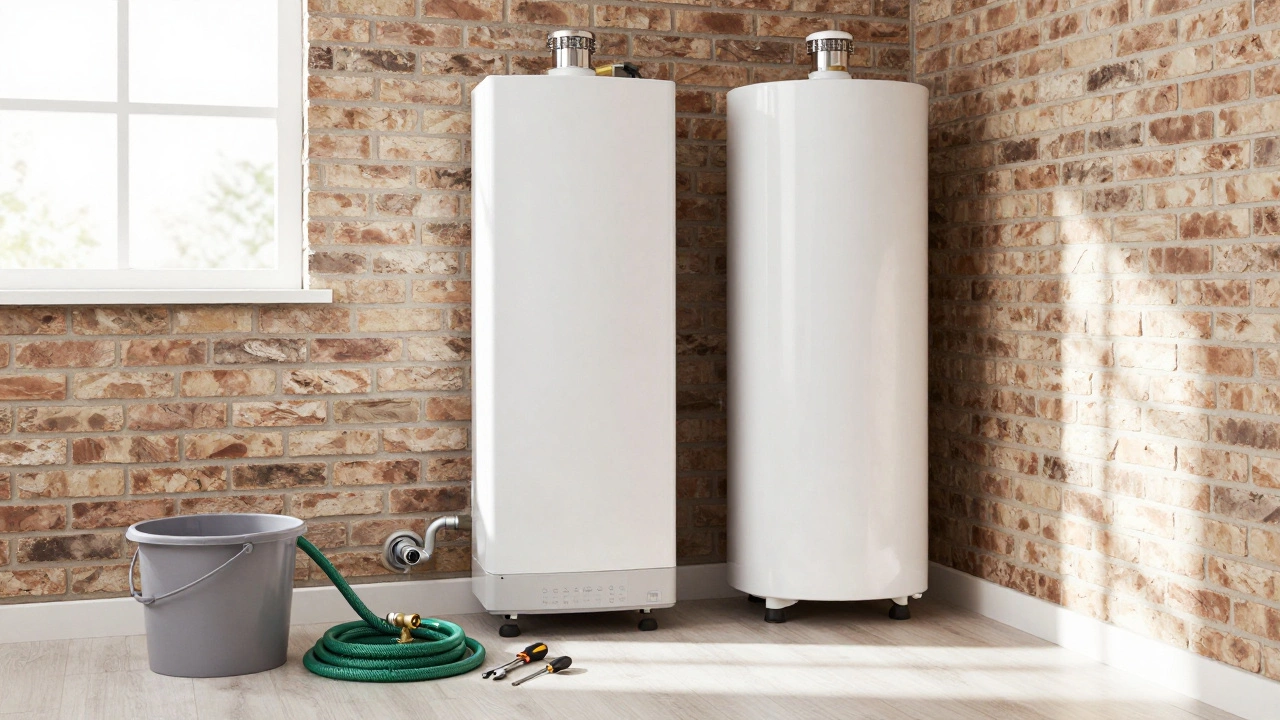
- Gather tools: You will likely need a screwdriver (Phillips head), a multimeter (optional but recommended), and a flashlight. Keep a bucket nearby just in case a loose connection drips water.
If you smell rotten eggs or sulfur near the heater, stop everything. That is the odorant added to natural gas to help you detect leaks. Leave the house and call your gas provider or emergency services from outside. Do not reset anything.
How to Reset an Electric Hot Water Heater
Electric water heaters are generally easier to reset because they lack the complex ignition systems of gas models. The process involves accessing the thermostats hidden behind metal covers on the side of the tank.
Locating the Access Panels
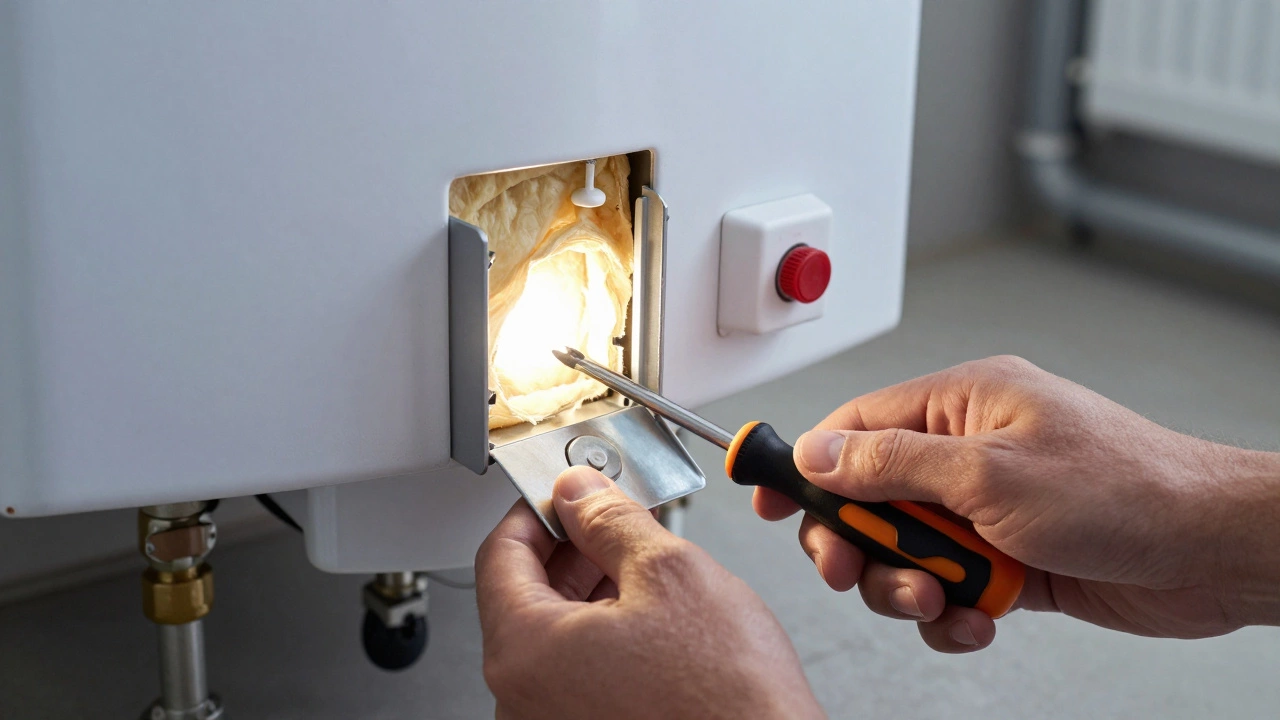
Most residential electric tanks have two access panels located on the front face, one above the other. These correspond to the upper and lower heating elements. They are usually secured by four screws each. Remove the screws and set the panels aside. Behind each panel, you will see a layer of fiberglass insulation. Carefully peel this back to reveal the wiring and thermostats.
Finding the Reset Button
Look for a small red button on the top thermostat assembly. This is the high-limit reset button the manual override for the thermal cut-off switch. It is usually recessed slightly to prevent accidental presses. If you see a black or white button instead, check the manufacturer's label; some brands use different colors, but red is the industry standard for safety resets.
The Reset Procedure
| Step | Action | Note |
|---|---|---|
| 1 | Press the red button firmly. | You may hear a click. If it doesn't click, the switch may be faulty. |
| 2 | Check the thermostat setting. | Ensure it is set between 50°C and 60°C (120°F - 140°F). Higher settings waste energy and increase scald risk. |
| 3 | Replace insulation and panels. | Make sure no wires are pinched under the insulation. |
| 4 | Restore power at the breaker. | Wait 30-60 minutes for the water to heat up. |
If the button pops back out immediately after you press it, do not keep trying. This indicates a short circuit in the heating element or a failed thermal fuse. Continuing to force the reset could cause a fire. Call a professional electrician a qualified tradesperson licensed to work on electrical systems. or plumber.
How to Reset a Gas Hot Water Heater
Gas heaters require more patience because you are dealing with combustion. The goal here is to re-establish the pilot light, which acts as the constant ignition source for the main burner.
Identifying Your Pilot Type
Older gas heaters use a standing pilot light-a small blue flame that burns 24/7. Newer models, especially those installed after 2015, often use electronic ignition (spark ignition) or direct spark ignition. These do not have a visible pilot light all the time. Check your model number or user manual to confirm. If you see a glass window with a small flame inside, you have a standing pilot.
Resetting a Standing Pilot Light
Locate the control knob at the base of the unit. It usually has three positions: On, Off, and Pilot.
- Turn to Off: Rotate the knob to "Off." Wait at least five to ten minutes. This allows any accumulated gas to dissipate. If you smell strong gas during this wait, ventilate the area and try again later.
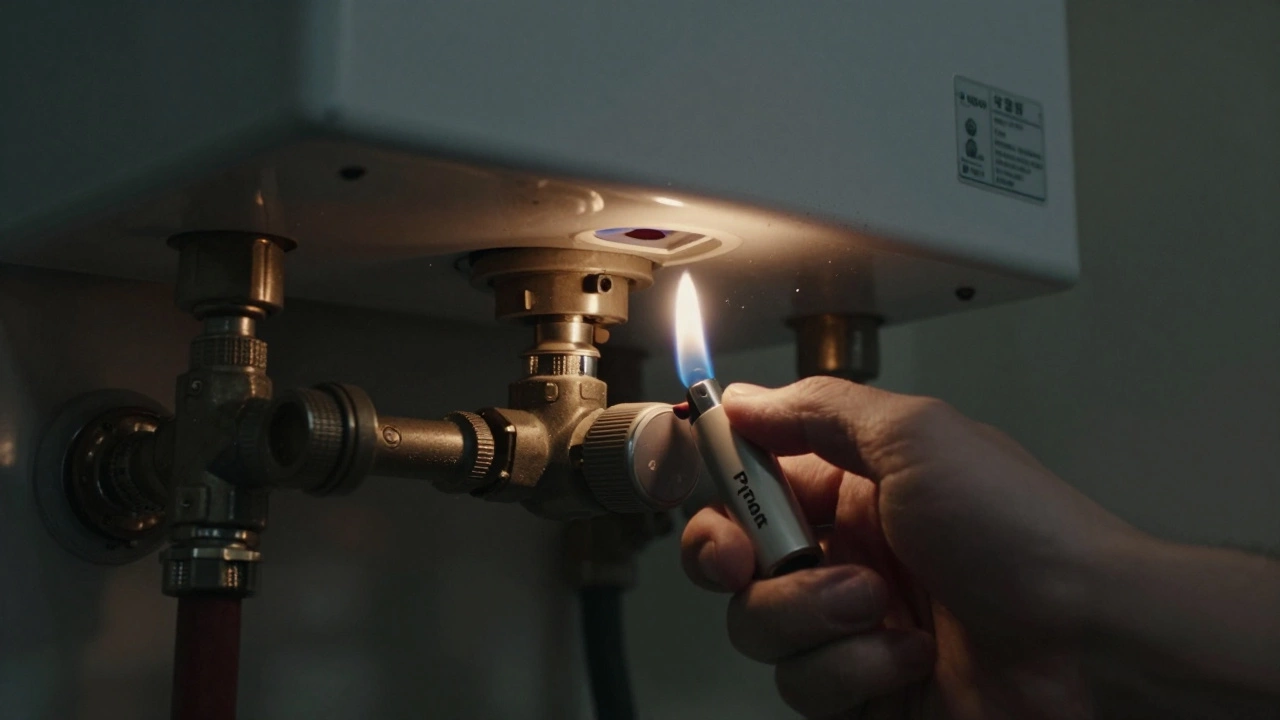
- Set to Pilot: Turn the knob to "Pilot." Press and hold the knob down. You should feel resistance. While holding it down, use a long-reach lighter or match to ignite the pilot tube through the access hole. Some units have an integrated igniter button; press that instead of using a match.
- Hold and Release: Once you see the blue flame, keep holding the knob down for 30 to 60 seconds. This heats the thermopile a device that converts heat energy into electrical energy to keep the gas valve open. If you release too early, the flame will die.
- Turn to On: After holding for a full minute, slowly release the knob and turn it to "On." The main burner should ignite shortly after.
Resetting Electronic Ignition Models
If your unit clicks rapidly but doesn't light, or shows an error code on a digital display, it has locked out due to a failed ignition attempt. To reset:
- Turn the power switch on the side of the unit to Off.
- Wait 30 seconds.
- Turn it back On.
- Listen for the clicking sound. If it clicks repeatedly for more than a minute without lighting, turn it off again. Repeated attempts can drain the transformer or damage the igniter.
Troubleshooting Common Reset Failures
Sometimes, pressing the button or lighting the pilot isn't enough. Here are the most common reasons a reset fails and how to diagnose them.
The Pilot Won't Stay Lit
If the flame dies as soon as you let go of the knob, your thermocouple is likely dirty or misaligned. Clean it gently with steel wool or emery cloth. Ensure it is positioned directly in the pilot flame. If cleaning doesn't work, the thermocouple needs replacement. This is a cheap part ($10-$20) and easy to swap if you are handy.
The Reset Button Keeps Popping Out
This is a critical failure sign. It means the water is still overheating. Check if the dip tube at the cold water inlet is broken. If cold water isn't reaching the bottom of the tank, the lower element boils the remaining water, triggering the cut-off. Also, check for sediment buildup. Flushing the tank annually removes mineral deposits that insulate the element and cause overheating.
No Power or Gas Flow
Double-check your connections. Did the breaker trip again? Is the gas valve fully open? Sometimes, a tripped GFCI outlet (if your heater is plugged into one, though rare) can mimic a heater failure. Test the outlet with another device.
When to Call a Professional
While resetting is a great DIY skill, some issues demand expert attention. Call a licensed plumber or gas fitter if:
- You hear rumbling or popping sounds from inside the tank, indicating severe sediment buildup or corrosion.
- There is visible rust or leakage around the base or fittings.
- The water comes out brown or smells like sulfur (rotten eggs), suggesting bacterial growth in the tank.
- You have attempted the reset three times without success.
In Adelaide, where water hardness varies by suburb, sediment issues are common. Regular maintenance can extend the life of your storage water heater a tank-based system that stores heated water for immediate use. by several years. Don't ignore warning signs.
Maintenance Tips to Prevent Future Resets
Prevention is cheaper than repair. Follow these steps to keep your heater running smoothly:
- Flush the tank annually: Drain a few gallons from the bottom valve until the water runs clear. This removes sediment that causes overheating.
- Check the T&P valve: The Temperature and Pressure relief valve is a brass lever on the side. Lift it briefly once a year to ensure it moves freely. It should snap back and release a burst of water. If it leaks continuously, replace it.
- Insulate the tank: If your heater is older than 10 years, it may lack proper insulation. Adding a blanket can reduce standby heat loss and ease the workload on the thermostats.
- Monitor water pressure: High municipal water pressure can stress the tank. Install a pressure reducing valve if your home pressure exceeds 80 psi (5.5 bar).
How long does it take for a water heater to heat up after a reset?
For a standard 40-gallon electric tank, expect 30 to 60 minutes for the first draw of hot water. Gas models are faster, typically ready in 15 to 30 minutes. Tankless units provide hot water almost instantly once ignited.
Can I reset my water heater if it is leaking?
No. If water is leaking from the tank itself, the inner liner has corroded. Resetting will not fix this. Shut off the power and water supply, and contact a plumber for replacement. Leaks from pipes or valves can sometimes be tightened, but never operate a wet electrical component.
Why does my electric water heater trip the breaker?
A tripping breaker usually indicates a short circuit in the heating element or a ground fault. It can also happen if the element is coated in heavy sediment, causing it to draw excessive current. Do not keep resetting the breaker; this poses a fire risk. Have an electrician test the elements with a multimeter.
Is it safe to reset a gas water heater myself?
Yes, provided you follow the safety steps: shut off the gas, wait for clearance, and use proper ignition methods. However, if you smell gas or if the pilot fails to stay lit after multiple attempts, stop and call a professional. Gas leaks are extremely dangerous.
How often should I flush my water heater?
Annually is the standard recommendation. In areas with hard water, such as parts of South Australia, flushing every six months may be necessary to prevent sediment buildup that reduces efficiency and causes overheating.