Water Heater Lifespan Estimator
System Details
Enter your details to estimate
your water heater's remaining life.
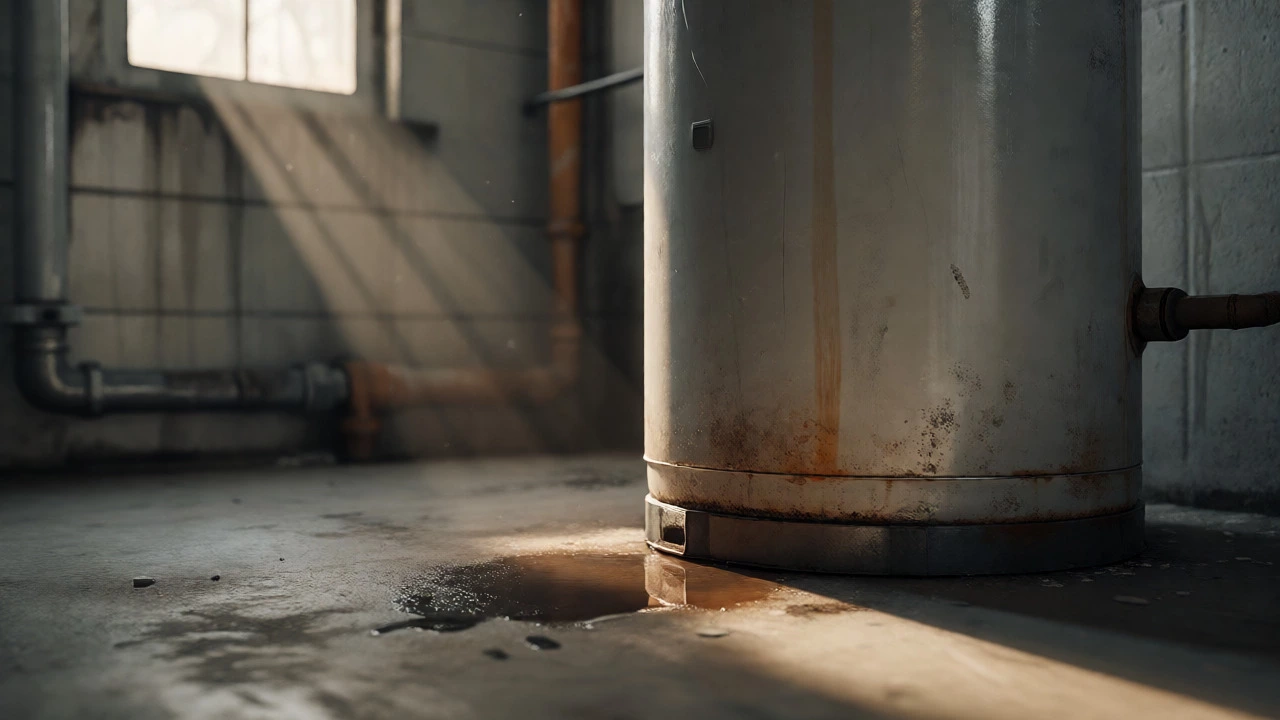
You’re standing in the utility room, staring at that big metal cylinder in the corner. It’s been humming along for years, quietly doing its job every time you turn on the shower or fill the sink. But lately, it feels different. Maybe the water isn’t as hot as it used to be. Maybe there’s a strange rumbling noise. Or maybe you just found a tiny puddle forming at its base. The question hits you: how long should a water heater last? Is this thing nearing the end of its life, or is it just acting up?
The short answer? Most standard tank water heaters are built to survive between 8 and 12 years. That’s the industry standard. But here’s the kicker-that number is a loose suggestion, not a hard rule. Some units die at year six because of hard water and neglect. Others soldier on past year fifteen with barely a complaint. Your specific timeline depends on what kind of system you have, how much hot water your household actually uses, and whether anyone ever bothered to flush the tank. If you’re in Adelaide, dealing with our particular water hardness levels can shave a few years off that average if you aren’t careful.
The Real Numbers Behind Hot Water System Lifespans
Let’s break down why those numbers vary so wildly. A water heater is essentially a battle against corrosion. Inside the tank, you have steel trying not to rust while holding thousands of liters of heated water. To fight this, manufacturers use a sacrificial anode rod-a stick made of magnesium or aluminum that corrodes instead of your tank walls. Once that rod gives up, the rust starts eating into the steel itself. That’s when the clock really starts ticking toward failure.
Tank-style water heaters are the most common type in Australian homes. They store hot water and keep it ready for use. Their lifespan is heavily dictated by maintenance. If you never check the anode rod, expect trouble around the 8-year mark. If you replace the rod every three to five years, you might push that to 12 or even 15 years. Gas models often outlast electric ones slightly because they heat water faster, meaning less time spent sitting in a warm, corrosive environment. Electric elements, however, burn out more frequently, but replacing them is cheap and easy compared to replacing the whole tank.
Tankless water heaters operate differently. They don’t store water; they heat it on demand as it flows through a coil. Because there’s no large volume of stagnant water causing constant pressure and corrosion inside a tank, these systems typically last longer-often 20 years or more. However, they rely on complex electronics and high-heat exchangers. While the body lasts forever, the internal components like flow sensors and ignition modules might need replacing every 5 to 7 years. Think of it as owning a car where the engine lasts forever, but you still need regular service parts.
| System Type | Average Lifespan | Key Failure Point | Maintenance Impact |
|---|---|---|---|
| Gas Tank | 8-12 Years | Anode Rod / Tank Corrosion | High (Flushing helps) |
| Electric Tank | 6-10 Years | Heating Elements / Thermostat | Medium (Element swaps) |
| Tankless (Gas/Electric) | 15-20+ Years | Heat Exchanger / Sensors | Low (Descaling required) |
| Heat Pump | 10-15 Years | Compressor / Refrigerant Leak | Medium (Filter cleaning) |
Why Your Water Quality Matters More Than You Think
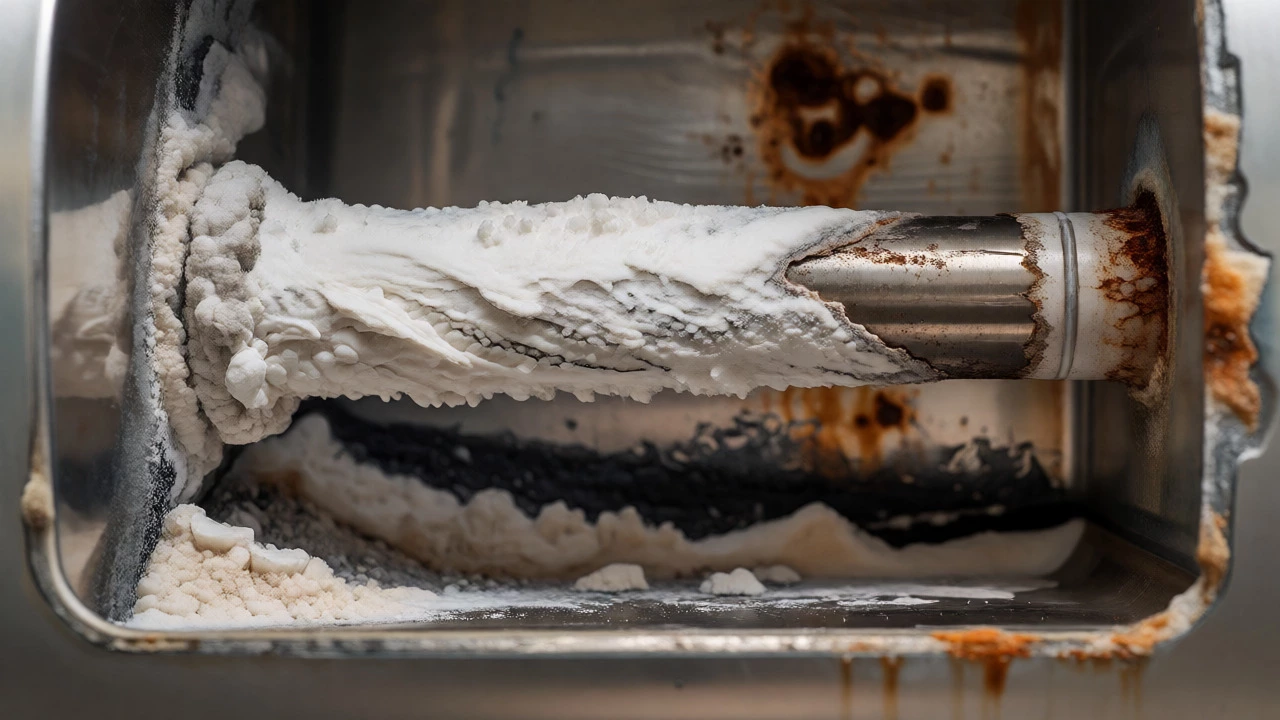
If you live in an area with hard water, your water heater is fighting a losing battle from day one. Hard water contains high levels of calcium and magnesium. When heated, these minerals precipitate out and settle at the bottom of the tank as sediment. This layer acts like insulation between the burner (or element) and the water. The system has to work harder to get the same temperature, which overheats the bottom of the tank and accelerates corrosion.
In places like Adelaide, water hardness varies by suburb. If you notice white crusty buildup on your faucets or glasses, you have hard water. For a tank-style heater, this means you must flush the tank annually. Skipping this step is the number one reason people replace their water heaters early. The sediment traps heat, causes popping noises, and physically wears down the tank lining. If you have extremely hard water, consider installing a water softener. It’s an upfront cost, but it can double the life of your hot water system.
Signs Your Water Heater Is Reaching Its End
How do you know if you’re in the danger zone? Don’t wait until you’re stuck in a cold shower. Look for these warning signs:
- Rusty Water: If you turn on the hot tap and brownish water comes out, the internal tank is likely rusting. Run the cold tap-if it’s clear, the problem is inside the heater. This is usually terminal.
- Popping or Rumbling Noises: This is trapped steam under sediment layers. It sounds like bacon frying. It indicates significant buildup and reduced efficiency.
- Visible Leaks: Check the base of the unit. Even a small drip means the tank integrity is compromised. Tanks rarely stop leaking once they start; they just get worse.
- Shortage of Hot Water: If your showers feel lukewarm after ten minutes, the heating elements may be failing, or the tank capacity has effectively shrunk due to sediment displacement.
- Age: If your unit is over 10 years old and showing any of the above symptoms, repair is often a waste of money. Replacement is usually cheaper than fixing an old, corroded system.
Gas vs. Electric: Does One Last Longer?
This is a common debate. Generally, gas water heaters have a slight edge in longevity. Why? Because they heat water quickly and directly. Electric water heaters use immersion elements that sit submerged in the water. These elements attract mineral deposits (scale) from the water. Over time, scale coats the elements, insulating them and causing them to overheat and burn out. While you can replace elements easily, the constant thermal stress on the tank from slower heating cycles can contribute to fatigue.
However, electric tanks are simpler. Fewer moving parts mean fewer things to break initially. But when they do fail, it’s often catastrophic (tank leak). Gas systems have more complex components-burners, thermocouples, gas valves-but these are modular and fixable. So, while a gas tank might last two years longer on average, an electric tank might be easier to maintain if you’re handy. Just remember: in Australia, gas connection fees and safety checks add ongoing costs that electric users avoid.
How to Extend the Life of Your Hot Water System
You can’t change the laws of physics, but you can slow down the decay. Here is a practical checklist to keep your system running past the 10-year mark:
- Check the Anode Rod: Every 3-5 years, unscrew the top access panel (for electric) or locate the nipple (for gas) and inspect the rod. If it’s mostly eaten away, replace it. It costs $20-$40 and saves your $1,000 tank.
- Flush the Tank Annually: Connect a hose to the drain valve at the bottom. Let it run until the water runs clear. This removes sediment. Do this before winter sets in to ensure maximum efficiency.
- Test the T&P Valve: The Temperature and Pressure relief valve is a safety device. Lift the lever once a year. If it doesn’t snap back or drips continuously, replace it immediately. A faulty valve can cause tank rupture.
- Adjust the Thermostat: Set it to 60°C (140°F). Higher temperatures increase scaling and energy use. Lower temperatures risk bacterial growth (Legionella). 60°C is the sweet spot for safety and longevity.
- Insulate the Pipes: Wrapping your first meter of hot water pipes reduces heat loss. The heater doesn’t have to work as hard to deliver hot water to your taps, reducing wear on the system.
When to Repair vs. Replace
Here’s a simple rule of thumb: The "50% Rule." If the cost of the repair is more than 50% of the cost of a new unit, and your current unit is over 8 years old, replace it. If it’s only 3 years old, repair it.
Also, consider energy efficiency. Modern water heaters are significantly better insulated than those from 10 years ago. Upgrading to a newer model, especially a heat pump or condensing gas unit, could save you enough on electricity bills to offset the purchase price within a few years. If your old unit is inefficient and nearing death, replacement is almost always the smarter financial move.
Can I make my water heater last longer than 12 years?
Yes, absolutely. By regularly replacing the sacrificial anode rod and flushing sediment from the tank, many homeowners extend the life of their standard tank water heaters to 15 years or more. Using a water softener in hard water areas also significantly extends lifespan.
What is the most common reason water heaters fail?
Corrosion is the primary killer. Once the protective anode rod is depleted, rust begins to eat through the steel tank walls, leading to leaks. Sediment buildup from hard water accelerates this process by causing overheating and physical abrasion.
Do tankless water heaters really last longer?
Generally, yes. Tankless systems lack a storage tank prone to corrosion, so their main components often last 20 years or more. However, they require regular descaling to prevent mineral buildup in the heat exchanger, which can reduce efficiency and cause failures if ignored.
Is it worth repairing a 10-year-old water heater?
It depends on the fault. If it’s a minor part like a thermostat or element, yes. If it’s a leaking tank or major internal corrosion, no. At 10 years, you are at the end of the typical lifespan, so investing in repairs is risky unless the unit was exceptionally well-maintained.
How does hard water affect water heater lifespan?
Hard water leaves mineral deposits (scale) inside the tank and on heating elements. This reduces heat transfer efficiency, forces the system to work harder, and causes localized overheating that damages the tank lining. In severe cases, hard water can cut a water heater's lifespan in half.