Oven Installation Safety & Cost Checker
Assessment Inputs
Recommendation
Estimated Cost
Safety Protocol Checklist
Select your options and click "Analyze Requirements" to see if you can DIY or need a pro.
Replacing a broken electric oven is one of those home projects that sits right on the fence between "I can do this myself" and "call a professional." You have the new appliance, maybe even the old one unplugged, but then you look at the back of the unit and see a tangle of wires or a massive plug. The question isn't just about saving money; it's about safety, warranty validity, and local building codes.
The short answer is: it depends entirely on how your current oven is connected. If it plugs into a standard wall socket, you likely don't need a pro. If it is hardwired directly into your home's electrical panel, you almost certainly do. Getting this wrong can void your manufacturer's warranty, trip your circuit breaker every time you bake a roast, or in worst-case scenarios, cause an electrical fire.
Quick Summary
- Plug-in ovens: Usually safe for DIY replacement if the voltage matches (240V) and the outlet is accessible.
- Hardwired ovens: Require a certified electrician to disconnect and reconnect safely.
- Warranty check: Many manufacturers require proof of professional installation to honor the warranty.
- Local codes: In many regions, working on fixed wiring requires a licensed professional by law.
- Safety first: Always turn off power at the main breaker before touching any wires.
Understanding Your Oven’s Connection Type
Before you lift a finger or pick up a screwdriver, you need to identify exactly how your existing electric oven is connected to your home's power supply. This is the single most important factor in deciding whether to call an electrician. There are two primary methods of connection: plug-in and hardwired.
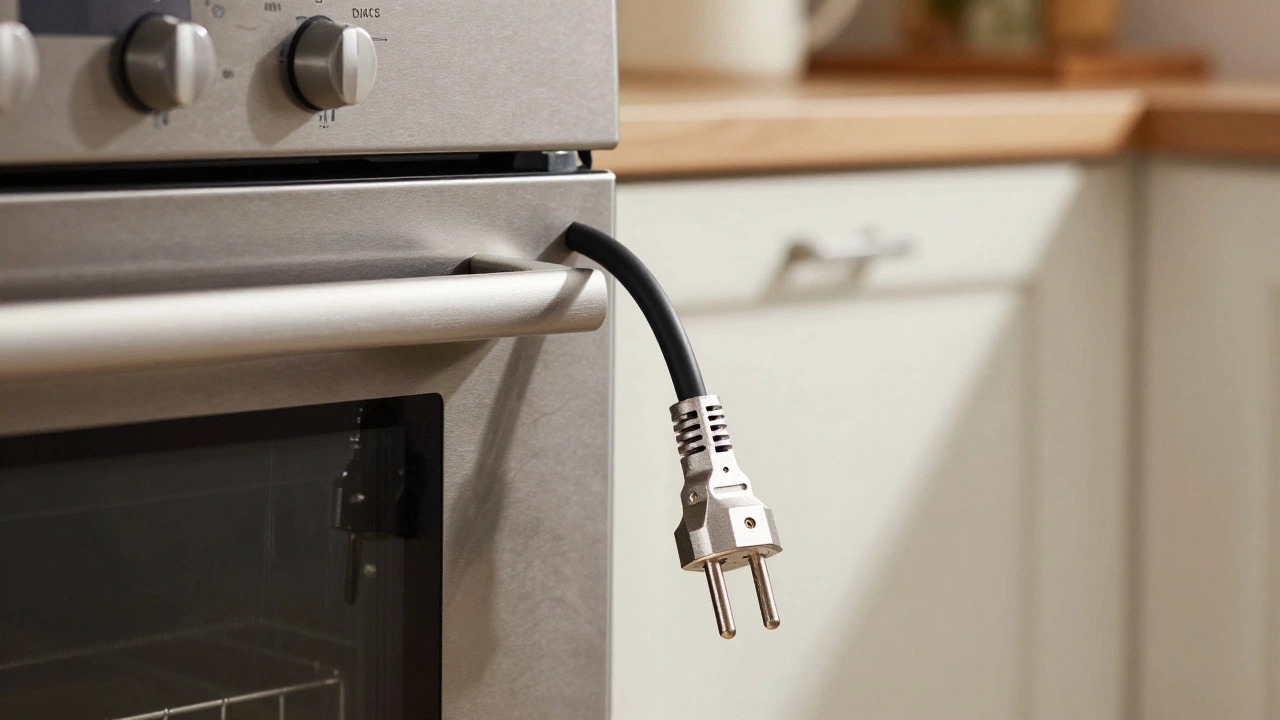
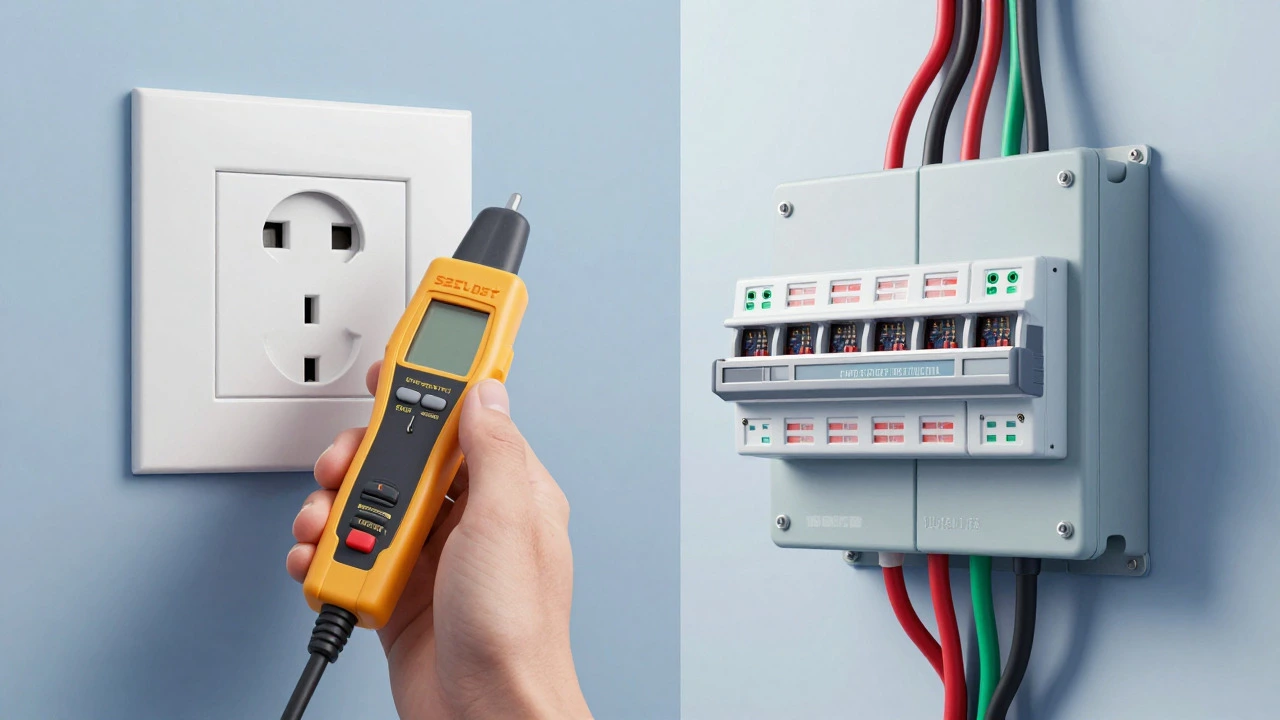
Plug-in Ovens use a large, heavy-duty cord with a specific type of plug. These are common in rental properties or older homes where flexibility was prioritized. The plug connects to a dedicated 240-volt outlet, usually located behind or next to the oven. If your current oven has a cord hanging down and a plug, your new oven likely will too, provided you bought a compatible model. Replacing this is often as simple as unplugging the old one and plugging in the new one, assuming the physical space allows it.
Hardwired Ovens, on the other hand, are connected directly to your home’s electrical system via a junction box. There is no plug. Instead, you’ll see three thick wires (usually black, red, and green or bare copper) entering the oven from the bottom or back. This setup is more permanent and cleaner-looking but significantly more dangerous to mess with if you aren't trained. If your oven is hardwired, the default assumption should be that you need a professional.
When You Can Do It Yourself (DIY)
If you’ve confirmed your oven is plug-in, you might be able to handle the replacement yourself. However, "can" doesn't always mean "should." Here is what you need to check before proceeding with a DIY approach.
First, verify the voltage compatibility. Most residential electric ovens run on 240 volts. Check the rating plate inside the door frame of your new oven. If it says 120V only, you cannot simply plug it into a 240V outlet-it will blow up. Conversely, if your outlet is 120V (a standard kitchen counter socket), a 240V oven won't work properly. Mismatched voltages are a quick way to ruin a new appliance.
Second, inspect the condition of the existing outlet. Is the faceplate cracked? Does the plug feel loose when inserted? Are there signs of scorching or melting around the socket? If yes, stop. That outlet needs replacing by an electrician regardless of the oven swap. A faulty outlet under the high load of an oven heating element is a fire hazard.
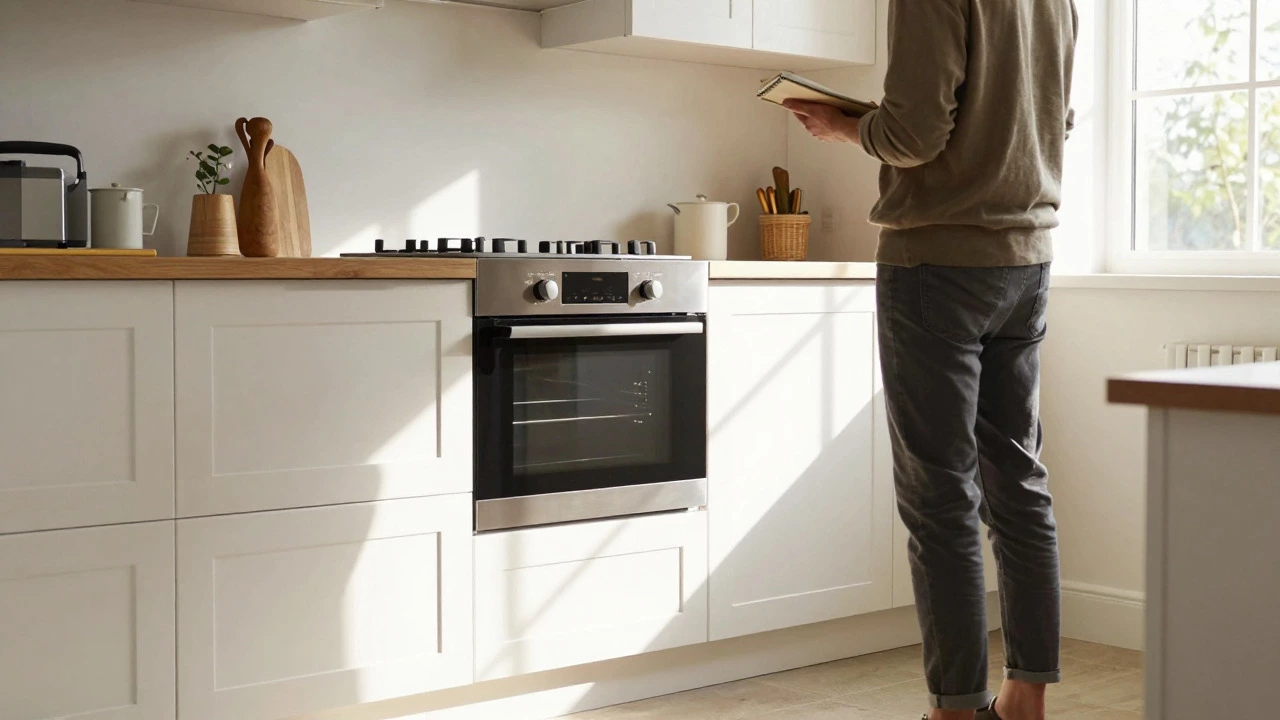
Third, consider the physical fit. New ovens are not always identical in size to old ones. Measure the width, height, and depth of your cutout. If the new oven is slightly wider, you might need to modify the cabinetry. If it’s deeper, ensure there’s enough clearance from the floor and surrounding cabinets to allow for proper ventilation. Overheating due to poor airflow is a common reason for premature oven failure.
- Turn off the power. Go to your main electrical panel and flip the switch labeled "Oven" or "Kitchen" to OFF. Verify it’s off by trying to turn on the old oven (if still connected) or using a non-contact voltage tester at the outlet.
- Disconnect the old oven. Unplug the cord from the wall. Pull the oven out carefully-these things are heavy. Watch for grease buildup under the unit that might make it slide unexpectedly.
- Prepare the new oven. Remove any shipping bolts or foam packaging. These are critical for transport but must be removed before use, or they can damage the internal components.
- Position the new oven. Slide it into place. Ensure the cord isn’t pinched or kinked against the back of the cabinet or the floor.
- Plug it in. Insert the plug firmly into the outlet. Turn the power back on at the breaker.
- Test the functions. Run the oven through a basic cycle. Check the bake, broil, and clock functions. Listen for unusual humming or buzzing sounds.
When You Must Hire an Electrician
There are several scenarios where attempting a DIY oven replacement is not just risky, but potentially illegal or financially disastrous. Ignoring these signs can lead to costly repairs later.
Hardwired Connections: As mentioned, if your oven is hardwired, you are dealing with live mains voltage without the safety buffer of a plug. Connecting the hot, neutral, and ground wires incorrectly can shock you, damage the oven’s control board, or create a fire risk. An electrician will ensure the connections are tight, the wire gauge is correct, and the grounding is secure.
Outdated Wiring: Homes built before the 1980s may have aluminum wiring instead of copper. Aluminum expands and contracts differently than copper, leading to loose connections over time. If you see silver-colored wires, do not touch them yourself. They require special connectors and expertise to prevent overheating. Similarly, if your home lacks a proper ground wire, an electrician needs to upgrade the circuit.
Circuit Breaker Issues: If your oven shares a circuit with other major appliances, it might not have enough amperage. Ovens typically require a 30-amp or 50-amp dedicated circuit. If flipping the breaker on causes it to trip immediately, your circuit is overloaded or faulty. An electrician can assess whether you need a new breaker or a new circuit run from the panel.
Warranty Requirements: This is the silent killer of DIY projects. Many premium brands like Bosch is a German engineering company known for high-end home appliances or Smeg is an Italian brand specializing in retro-styled kitchen appliances explicitly state in their warranty terms that installation must be performed by a qualified technician. If you install it yourself and the control board fails six months later, the manufacturer can deny your claim, leaving you with a $2,000 repair bill. Always read the fine print in the owner’s manual.
| Factor | DIY Installation | Professional Electrician |
|---|---|---|
| Cost | $0 (Labor) | $100 - $300+ |
| Time | 1-2 hours | 1-2 hours + scheduling wait |
| Safety Risk | High (if inexperienced) | Low (trained & insured) |
| Warranty Impact | May void warranty | Usually required for full coverage |
| Code Compliance | Your responsibility | Guaranteed compliant |
| Best For | Plug-in models, confident DIYers | Hardwired models, complex setups |
Hidden Costs and Considerations
It’s not just about the labor of swapping the oven. Sometimes, the infrastructure itself is the problem. When you bring in a new, more powerful oven, your old electrical setup might struggle to keep up.
Outlet Replacement: Standard household outlets wear out. If your electrician finds that the existing 240V outlet is brittle or damaged, they will replace it. This adds $50-$100 to the job. It’s a small price to pay for safety.
Circuit Upgrades: If your home was wired for a smaller oven and you’re upgrading to a high-end double oven, you might need a thicker wire gauge (e.g., moving from 10-gauge to 8-gauge wire). This involves opening walls, pulling new wire, and updating the breaker. This can cost $500-$1,000+. Always ask your electrician to inspect the circuit capacity before buying the new oven.
Gas Line Conversion: Wait, did you know some electric ovens can be converted to gas? Or vice versa? If you’re switching fuel types, the complexity skyrockets. An electric-to-gas conversion requires a gas line, a regulator, and a venting system. This is never a DIY job. It requires both a plumber/gas fitter and an electrician to remove the old power connection.
Safety Checklist Before You Start
Whether you hire a pro or do it yourself, safety is non-negotiable. Electricity doesn’t forgive mistakes. Use this checklist to ensure you’re covered.
- Power Off: Always verify the power is off at the breaker. Use a non-contact voltage tester on the wires or outlet to confirm zero energy.
- Dry Hands: Never touch electrical components with wet hands or while standing on a wet floor.
- Proper Tools: Use insulated screwdrivers and pliers. Don’t improvise with metal tools that could slip and short-circuit.
- Clear Workspace: Keep the area around the oven clear of flammable materials like paper towels, curtains, or cooking sprays.
- Child/Pet Safety: Ensure kids and pets are away from the work zone. Heavy appliances can tip, and exposed wires are hazards.
What Happens After Installation?
Once the oven is installed, the job isn’t quite done. You need to calibrate and test it. Modern ovens often have a "first use" cycle that burns off manufacturing residues. Follow the manufacturer’s instructions for this initial run. It might smell strong and produce smoke-this is normal.
Check the temperature accuracy. Place an oven thermometer inside and set the oven to 350°F (175°C). If the thermometer reads significantly higher or lower, adjust the calibration setting in the oven’s menu. Most digital ovens allow you to offset the temperature by +/- 15 degrees. This ensures your cakes don’t burn and your roasts cook evenly.
Finally, clean the interior thoroughly. Even new ovens can have dust or debris from the factory. Wipe down the racks and the cavity with a damp cloth. Avoid harsh chemicals that might leave toxic fumes when heated.
Can I plug a 240V oven into a 120V outlet?
No. Plugging a 240V oven into a 120V outlet will result in insufficient power. The oven may not heat at all, or it may draw excessive current, tripping the breaker or damaging the heating elements. Always match the voltage requirements of the appliance to the outlet.
How much does it cost to hire an electrician for oven installation?
Costs vary by region, but typically range from $100 to $300 for a straightforward plug-in or hardwired swap. If new wiring or a circuit upgrade is needed, expect to pay $500 to $1,000+. Always get a written estimate before work begins.
Will installing the oven myself void the warranty?
It depends on the manufacturer. Brands like Bosch, GE, and Whirlpool often require professional installation for warranty validation. Check the owner’s manual or the manufacturer’s website. If in doubt, hire a pro to protect your investment.
What if my new oven doesn’t fit in the old space?
Measure the cutout dimensions (width, height, depth) precisely before buying. If the new oven is larger, you may need a carpenter to modify the cabinetry. If it’s smaller, you might need filler panels to close gaps. Consult the installation guide for specific clearance requirements.
Is it safe to replace a hardwired oven myself?
Generally, no. Hardwired connections involve direct contact with high-voltage lines. Incorrect wiring can cause shocks, fires, or appliance damage. Unless you are a certified electrician, it is safer and often legally required to hire a professional for hardwired installations.