Electric Hob Troubleshooter
Select a step to begin diagnosis:
Step 1: Check Power Sources
Before assuming the appliance is broken, rule out household power issues.
Step 2: Diagnose Partial Failures
Is the display on but the burners cold? Or is only one zone failing?
Step 3: Error Codes & Locks
Modern hobs often display diagnostic information.
Step 4: Physical Inspection
Debris or damage can interfere with sensors.
Step 5: Safety Check
Immediate safety hazards require professional help.
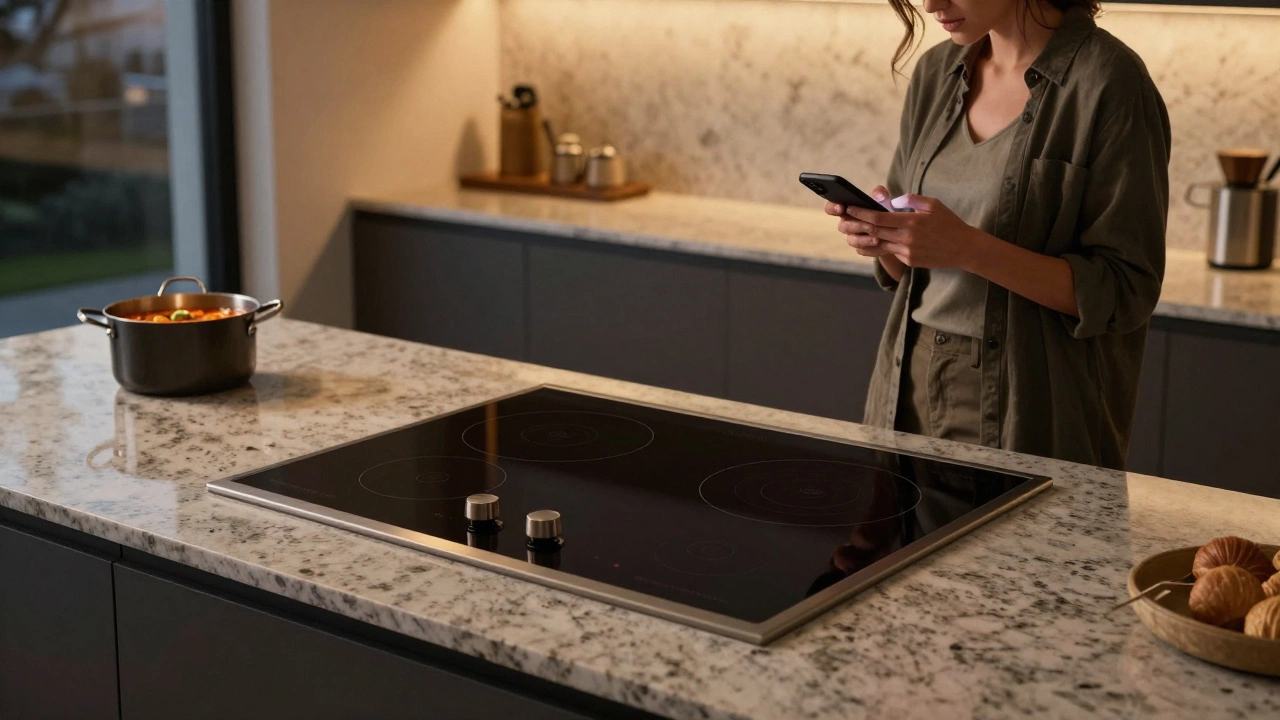
There is nothing quite as frustrating as standing in your kitchen, ready to whip up dinner, only to find that your electric hob is completely dead. The burners won’t heat up, the display is blank, or perhaps one zone works while the others refuse to respond. It’s a common headache for homeowners across Adelaide, especially during the cooler months when you rely on hot meals and comfort food. Before you panic or call out an expensive technician, there are several logical steps you can take to diagnose the issue yourself. Most of the time, the problem isn’t a catastrophic failure of the heating elements but rather a simple glitch in the power supply or a tripped safety switch.
In this guide, we will walk through exactly what you should do if your electric hob stopped working. We’ll cover everything from checking your household circuit breakers to testing individual heating zones. By following these steps, you might just save yourself a costly service call and get back to cooking in no time.
Quick Summary: Key Takeaways
- Check the Power First: Ensure the hob is plugged in (if applicable) and that the main power switch or circuit breaker hasn’t tripped.
- Inspect the Residual Current Device (RCD): In Australia, RCDs often trip due to minor electrical faults; resetting them may restore power.
- Test Individual Zones: If only some burners work, the issue is likely with specific heating elements or their connections, not the entire unit.
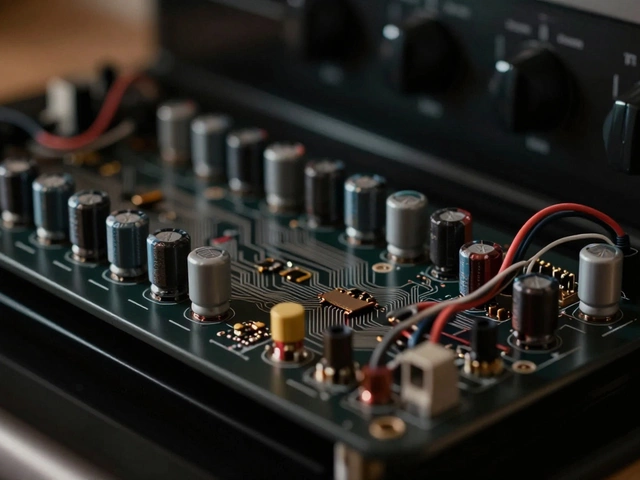
- Look for Error Codes: Modern induction and ceramic hobs display error codes that pinpoint the exact fault.
- Know When to Call a Pro: If you smell burning, see sparks, or are uncomfortable with electrical components, hire a licensed electrician immediately.
Step 1: Check the Obvious Power Sources
Before diving into complex diagnostics, let’s rule out the simplest possibilities. It sounds silly, but it happens more often than you’d think. Is your hob actually receiving power? Start by looking at the control panel. Are any lights on? Does the clock display work? If the entire unit is dark, the issue is likely upstream from the appliance itself.
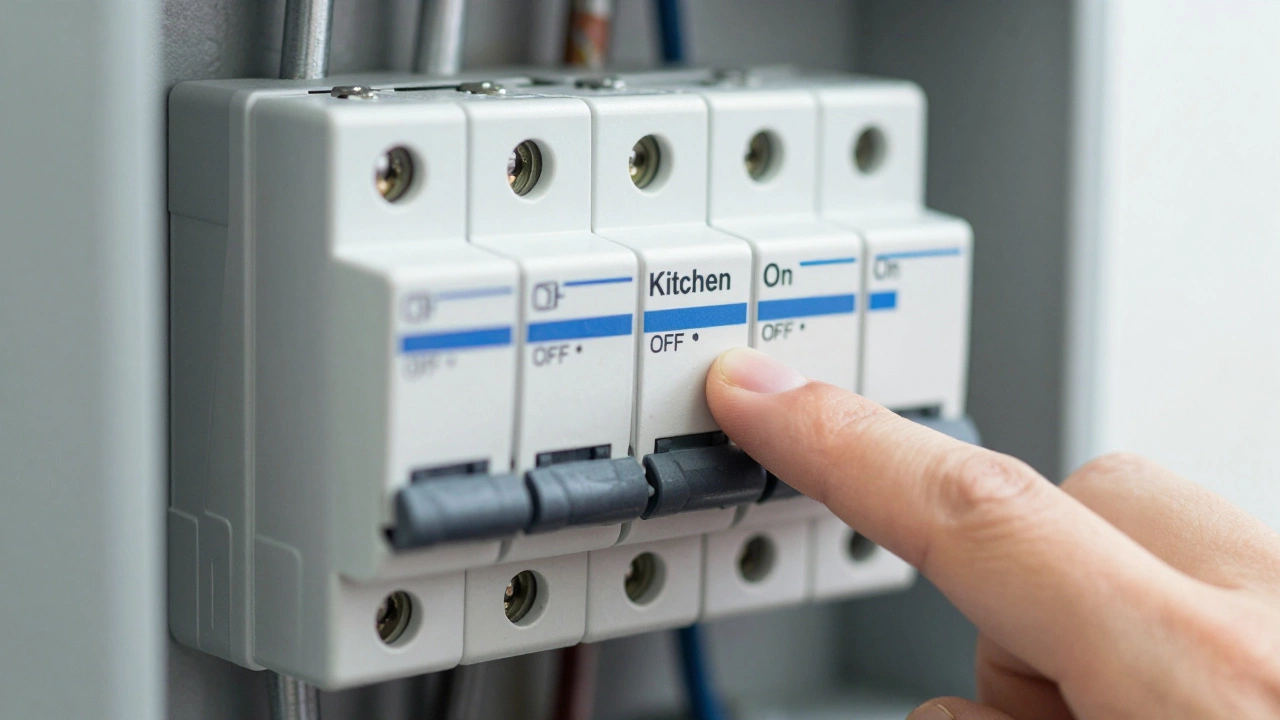
If your electric hob is a built-in model, it is hardwired directly into your home’s electrical system. This means you need to check your switchboard, commonly known as the fuse box or distribution board. Locate the circuit breaker labeled "Kitchen," "Cooker," or "Oven/Hob." Sometimes, a surge in power-perhaps from a thunderstorm or running multiple high-wattage appliances simultaneously-can cause the breaker to trip. Look for a switch that is in the middle position or flipped to "Off." Flip it firmly to "Off" and then back to "On" to reset it.
Next, check your Residual Current Device (RCD). In Australian homes, RCDs are designed to cut power instantly if they detect a current leak, protecting you from electric shock. These devices usually have a test button marked "T." If the RCD has tripped, the switch will be down. Press the reset button to restore power. If it trips again immediately upon resetting, stop. There is a serious electrical fault, and you need a professional.
Step 2: Diagnose Partial Failures
What if the display lights up, but the burners don’t heat? Or worse, only one burner works while the others remain cold? This scenario suggests that the main power supply is intact, but there is an issue with specific components within the hob.
For ceramic glass hobs, the heating elements are located beneath the smooth surface. If a specific zone fails to heat, the most common culprit is a failed heating element. These coils can burn out over time, especially if they were overheated or subjected to thermal shock (like placing a cold pan on a hot zone). Another possibility is a broken connection between the control board and the heating element. If you’re handy, you can sometimes access these connections by removing the top glass panel, but this requires caution and proper tools.
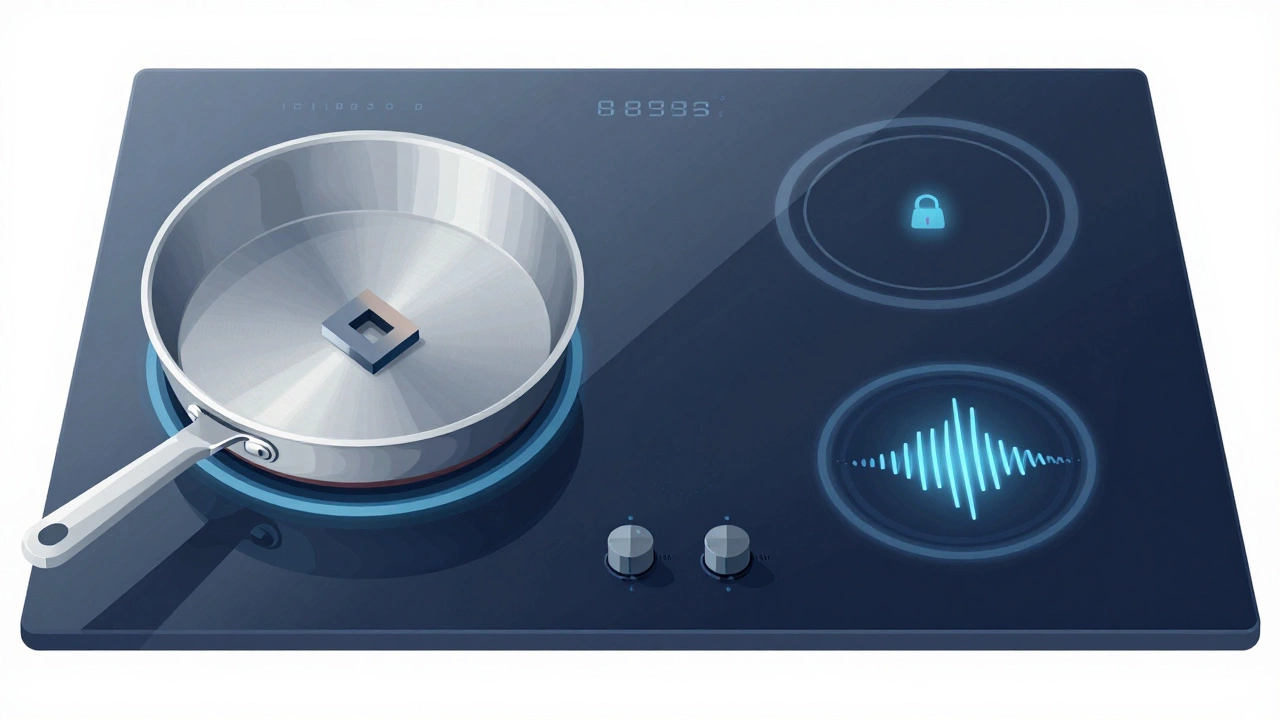
If you have an induction cooktop, the mechanics are different. Induction hobs use electromagnetic fields to heat compatible cookware directly. If a zone isn’t working, first ensure your pot or pan is induction-compatible. You can test this by placing a magnet on the bottom of the cookware; if it sticks firmly, it’s suitable. If the magnet doesn’t stick, the hob won’t activate. Additionally, induction hobs have sensors that detect pan size and type. If the pan is too small or placed incorrectly, the hob may refuse to heat. Try moving the pan to the center of the zone or using a larger vessel.
Step 3: Interpret Error Codes and Display Messages
Modern electric hobs, particularly induction models, are equipped with sophisticated diagnostic systems. Instead of simply dying, they often flash an error code on the display. These codes are invaluable because they tell you exactly what’s wrong without needing guesswork.
Common error codes vary by brand-for example, Bosch, Miele, and Samsung all use different symbols-but they generally fall into a few categories:
- Overheating Protection: If the hob detects excessive heat around the control electronics, it may shut down to prevent damage. Let the unit cool for 15-30 minutes and try again.
- Pan Detection Failure: An error indicating "no pan detected" or similar usually means the cookware is incompatible or the sensor is dirty.
- Child Lock Activated: Many hobs have a safety feature that locks the controls to prevent accidental activation. Look for a padlock icon. Hold the designated button (often labeled with a lock symbol) for three seconds to unlock it.
- Communication Error: This suggests a problem between the control board and the heating modules. A power cycle (turning off the breaker for five minutes) can sometimes resolve temporary glitches.
Refer to your user manual for the specific meaning of your error code. If you’ve lost the manual, search online for "[Your Brand] [Model Number] error codes." Most manufacturers provide PDF manuals on their websites.
Step 4: Inspect for Physical Damage and Cleanliness
Sometimes, the problem isn’t electrical at all-it’s physical. Spills, burnt-on food, and grease can interfere with the operation of your hob. On ceramic glass hobs, residue can block the infrared sensors that detect pans. Use a dedicated ceramic hob scraper and cleaner to remove any stubborn debris. Be gentle; scratching the glass can compromise its integrity and lead to cracking.
Check the edges of the hob for signs of water ingress. If you recently cleaned the area around the appliance, water might have seeped into the electronic controls. Turn off the power and allow the unit to dry completely for 24 hours before attempting to use it again. Moisture is the enemy of electronics, and patience is often the best cure.
Also, inspect the power cord (if your hob has one) for any visible damage, such as fraying or burns. If the cord looks compromised, unplug the device immediately and replace the cord or the entire unit. Never attempt to repair a damaged power cable yourself unless you are qualified.
| Symptom | Likely Cause | Recommended Action |
|---|---|---|
| No power at all | Tripped breaker/RCD, loose wiring | Reset switchboard, check connections |
| One zone not heating | Failed heating element, bad contact | Test element resistance, inspect wiring |
| Error code flashing | Sensor fault, overheating, child lock | Consult manual, clean sensors, reset lock |
| Hob heats unevenly | Damaged glass, warped pan | Clean surface, use flat-bottomed cookware |
| Lights on, but no heat | Control board failure, relay issue | Professional diagnosis required |
When to Call a Professional Technician
While many issues can be resolved with basic troubleshooting, some problems require expert intervention. If you’ve tried resetting the power, cleaning the surface, and checking for error codes without success, it’s time to call in the pros. Here are the red flags that indicate you need a licensed electrician or appliance repair specialist:
- Burning Smell or Smoke: If you smell burning plastic or see smoke coming from the hob, turn off the power immediately. This indicates melting insulation or short-circuiting wires, which is a fire hazard.
- Sparks or Arcing: Visible sparks from the control panel or beneath the glass mean there is a severe electrical fault. Do not touch the appliance.
- Repeated Tripping: If the circuit breaker or RCD trips every time you turn on the hob, there is a persistent fault that needs isolation and repair.
- Cracked Glass Surface: A cracked ceramic glass panel can expose live electrical components. Even if it seems minor, it compromises safety and should be replaced by a professional.
- Warranty Concerns: If your hob is still under warranty, attempting DIY repairs may void the coverage. Contact the manufacturer or an authorized service provider instead.
In Adelaide, you can find reputable appliance repair services through local directories or recommendations from neighbors. Always ensure the technician is licensed and insured. Ask for a quote upfront and clarify whether the cost includes diagnostic fees.
Preventive Maintenance Tips
To keep your electric hob running smoothly and avoid future breakdowns, adopt a few simple maintenance habits. Regular cleaning is essential. Wipe down the surface after each use to prevent grease buildup, which can insulate heat and cause overheating. For induction hobs, keep the surface free of metal shavings or magnetic debris that could interfere with sensors.
Avoid dragging heavy pots across the glass, as this can cause micro-scratches that weaken the surface over time. Lift your cookware instead. Also, ensure that your cookware has flat bottoms to maximize efficiency and reduce strain on the heating elements. Finally, periodically check the condition of your power cords and plugs (if applicable) for wear and tear.
By staying proactive, you can extend the life of your electric hob and enjoy reliable performance for years to come. Remember, a well-maintained appliance is a safe appliance.
Why does my electric hob keep turning off by itself?
This is often due to the hob's overheating protection system. If the ventilation vents are blocked or the ambient temperature is too high, the hob will shut down to prevent damage. Ensure there is adequate clearance around the appliance and that the vents are not obstructed by cabinets or curtains.
Can I repair a cracked ceramic hob myself?
No, you should never attempt to repair a cracked ceramic hob yourself. Cracks can expose live electrical components and pose a significant safety risk. The glass panel must be replaced by a qualified technician who can ensure proper sealing and electrical isolation.
How much does it cost to fix an electric hob in Adelaide?
Costs vary depending on the issue. A simple reset or minor cleaning might be free if done yourself. Professional repairs typically range from $150 to $400 for labor and parts, depending on the complexity. Replacing a heating element is cheaper than replacing a control board or the entire glass panel.
Is it safe to use an induction hob with non-induction cookware?
No, induction hobs will not heat non-induction cookware (such as aluminum or copper pots) because they lack magnetic properties. Using incompatible cookware will result in no heat generation and may trigger error codes. Always use stainless steel or cast iron cookware with a flat base.
What should I do if my electric hob makes a buzzing noise?
A buzzing noise is common in induction hobs and is caused by the electromagnetic field interacting with the cookware. However, if the noise is loud, unusual, or accompanied by vibrations, it could indicate a loose component or a failing fan. Consult your manual or contact a technician if the noise persists.