If your fridge isn’t cooling, makes strange noises, or keeps frosting up, you’re not alone. Thousands of households in Adelaide and beyond face these issues every year. Before you call a technician or replace the whole unit, try diagnosing the problem yourself. Most fridge issues are simple to fix-once you know where to look.
Check the Temperature Settings
It sounds obvious, but many people forget to check the thermostat. The ideal fridge temperature is between 1°C and 4°C. The freezer should be at -18°C. If someone adjusted the dial recently, it might be set too high. Turn the dial down one notch and wait 24 hours. If the temperature doesn’t drop, the thermostat might be faulty.
Modern fridges often have digital displays. If the display is blank or showing an error code, consult the manual. Common codes like E1 or F1 usually point to sensor or fan failures. Write down the code-it helps technicians narrow down the issue faster.
Inspect the Door Seals
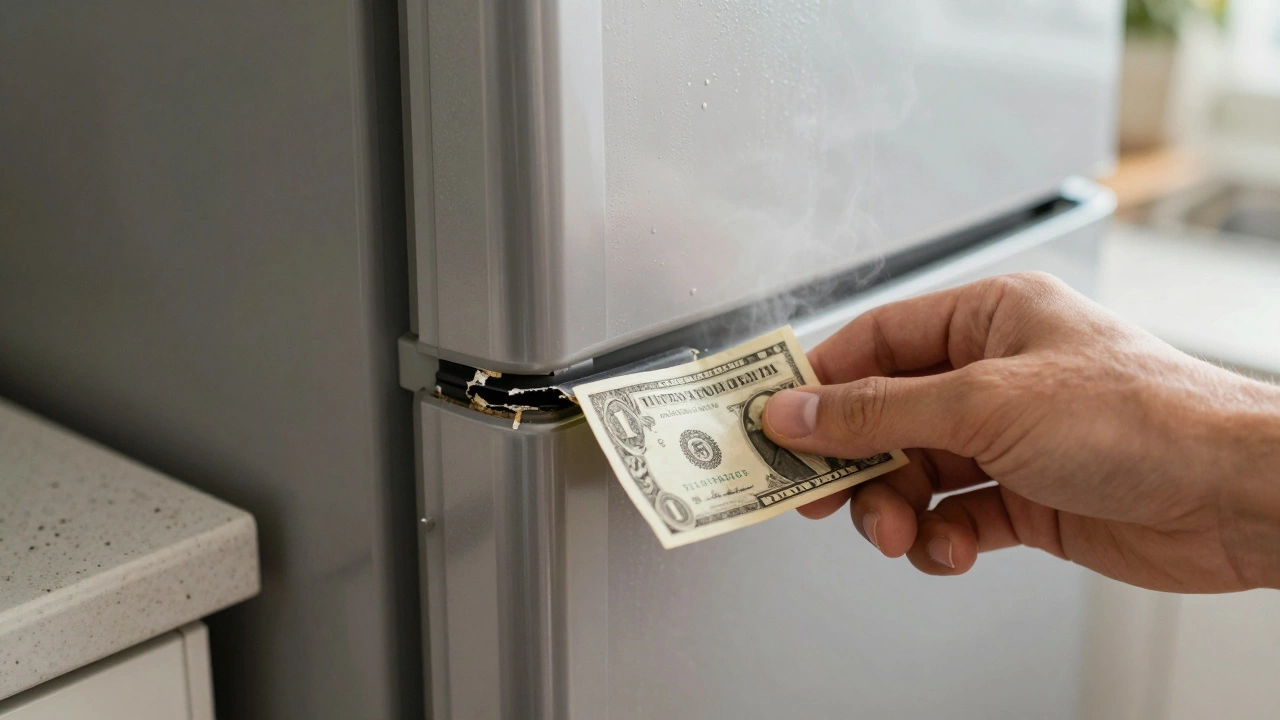
A broken seal is one of the most common reasons fridges lose cold air. Run your hand along the rubber gasket around the door. If you feel warm air leaking out, the seal is worn. You can also do the paper test: close a dollar bill in the door. If you can pull it out easily, the seal isn’t holding.
Seals get brittle over time, especially in dry climates like Adelaide. Dirt and food residue also build up and prevent a tight seal. Clean the gasket with warm soapy water and a soft brush. If it’s cracked, warped, or peeling, replace it. Replacement seals cost under $50 and take less than an hour to install.
Listen for the Compressor
Stand near the back or bottom of the fridge. When the compressor kicks in, you should hear a low hum, followed by a click as it turns off. If you hear nothing at all, the compressor might be dead. If it’s running constantly without cooling, it’s struggling.
Compressors fail due to overheating, power surges, or age. Most last 10-15 years. If your fridge is older than 12 years and the compressor isn’t running, replacement is usually not worth it. New fridges use 40% less energy than models from 2010.
Clear the Condenser Coils
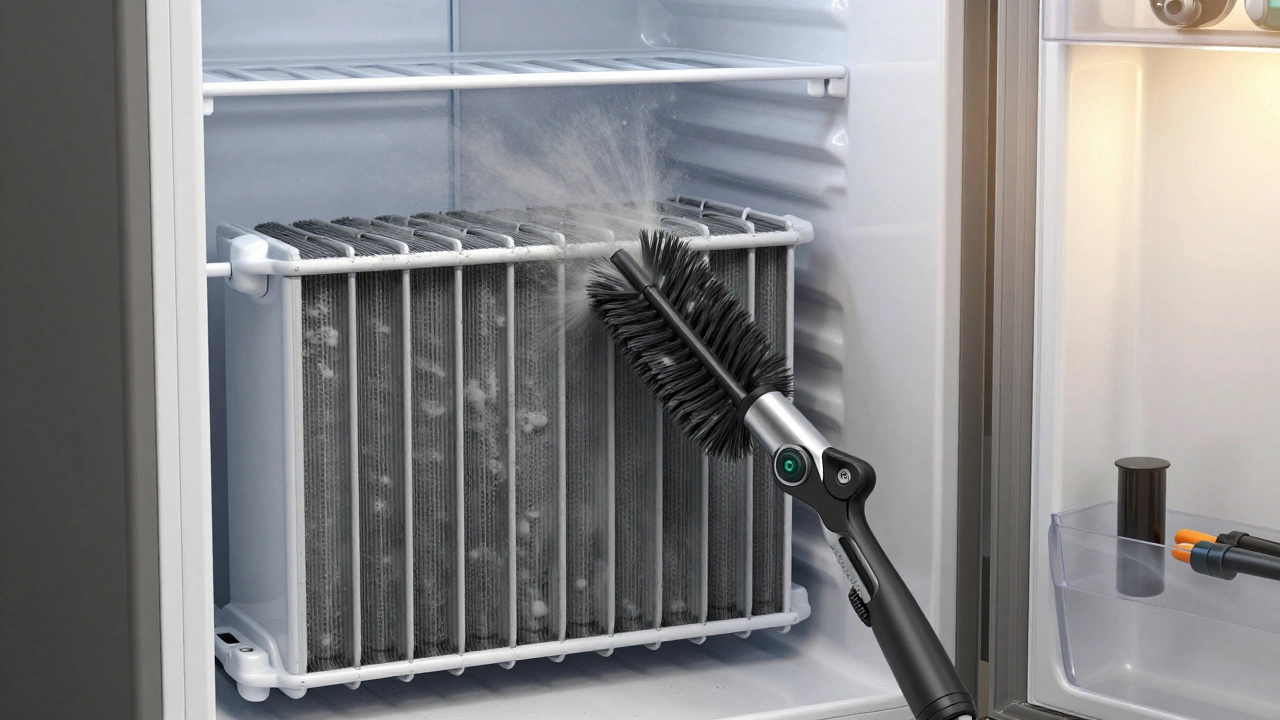
Dust buildup on the condenser coils is a silent killer. These coils, usually at the back or bottom of the fridge, release heat. If they’re covered in dust, the fridge can’t cool efficiently. In dusty homes or near pet hair, this happens in as little as six months.
Unplug the fridge. Pull it away from the wall. Use a coil brush or vacuum with a narrow nozzle to clean the coils. Do this every six months. If you’ve never cleaned them, expect a layer of grey dust that looks like old soot. Cleaning them often fixes cooling issues without any cost.
Check the Evaporator Fan
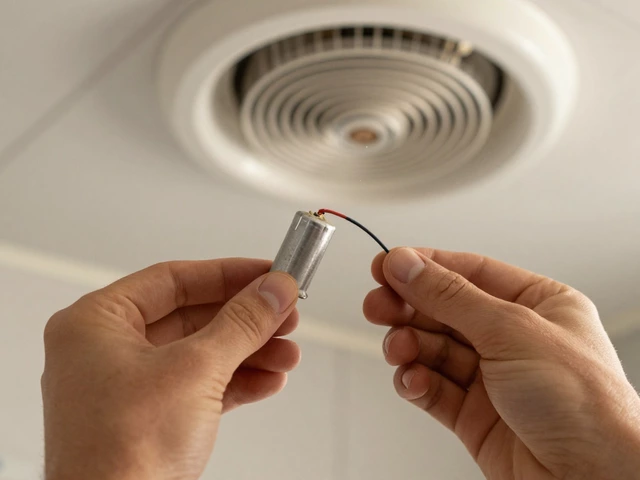
The evaporator fan circulates cold air from the freezer into the fridge compartment. If it’s stuck or noisy, your fridge won’t cool evenly. Open the freezer. Listen for the fan spinning when the compressor runs. If it’s silent, the motor might be dead.
Ice buildup around the fan blades is a common cause. If frost is blocking the fan, defrost the freezer completely. Unplug the fridge for 24 hours. Let all the ice melt. Wipe it dry. Plug it back in. If the fan still doesn’t spin, the motor needs replacing. Fan motors cost $30-$70 and are easy to swap with a screwdriver.
Examine the Defrost System
If the freezer is covered in thick ice but the fridge is warm, the defrost system is broken. This system melts ice on the evaporator coils every 6-12 hours. When it fails, ice builds up and blocks airflow.
The defrost timer, heater, or thermostat could be faulty. You can test the heater with a multimeter. If it shows no continuity, it’s dead. The timer is harder to test. If your fridge is over 8 years old and you have ice buildup, replacing the defrost thermostat is the cheapest fix-it’s usually under $40.
Verify Airflow Between Freezer and Fridge
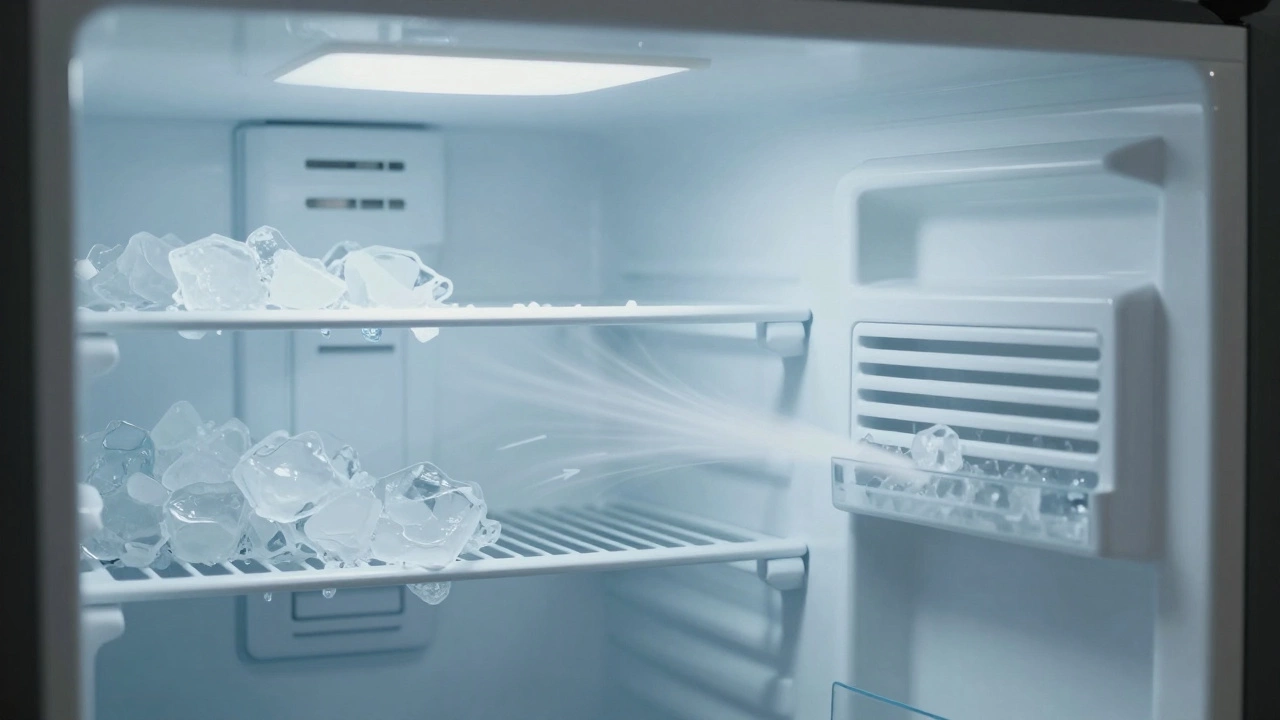
Fridges rely on cold air from the freezer to cool the main compartment. If the air vent between them is blocked, the fridge won’t get cold. Check behind the crisper drawers or the back wall for ice or food blocking the vent. Clear it out with warm water and a cloth.
Also, make sure you’re not overpacking the fridge. Air needs space to circulate. Leave at least 5 cm of space around items. Don’t shove hot food in right after cooking. Let it cool first.
Check the Power Supply
Fridges need steady power. A tripped GFCI outlet, blown fuse, or faulty circuit can shut it down silently. Plug a lamp into the same outlet. If it doesn’t turn on, reset the breaker or check the fuse box. Some fridges have internal fuses-consult the manual to locate and test them.
Also, check the power cord. Look for fraying, burns, or bends near the plug. If the cord is damaged, replace it. Never tape or splice a damaged cord. It’s a fire risk.
When to Call a Professional
You’ve checked the seals, cleaned the coils, tested the fan, and the fridge still doesn’t cool. It’s time to call in help. Refrigerant leaks, compressor failure, or control board faults require special tools and certification. In Australia, only licensed technicians can handle refrigerant.
Get a quote before they start. A repair that costs more than half the price of a new fridge isn’t worth it. Look for models with Energy Star ratings-they use less power and last longer. A new mid-range fridge costs $800-$1,500. If yours is over 10 years old, replacement is often smarter.
Prevent Future Problems
Regular maintenance stops 80% of fridge issues. Do this every six months:
- Clean the condenser coils
- Wipe the door seals
- Check temperature settings
- Keep the fridge 3/4 full (not overloaded)
- Let hot food cool before storing
- Don’t leave the door open longer than 30 seconds
Keep the fridge in a cool, dry spot. Avoid placing it near ovens, dishwashers, or direct sunlight. In Adelaide’s summer heat, that means keeping it away from windows and not tucking it into a tight kitchen corner.
Why is my fridge warm but the freezer is cold?
This usually means the evaporator fan isn’t working or the air vent between the freezer and fridge is blocked. The freezer makes cold air, but it can’t reach the fridge compartment. Check for ice buildup around the vent and listen for the fan when the compressor runs. If the fan is silent, replace it.
Can a dirty filter cause my fridge to stop cooling?
Most fridges don’t have air filters like HVAC systems. The confusion comes from water filters in ice makers or dispensers. Those affect water quality, not cooling. The real issue is dust on the condenser coils or blocked airflow. Clean the coils and check the vents.
How long should a fridge last?
A well-maintained fridge lasts 10-15 years. Cheaper models may only last 7-9 years. Signs it’s nearing the end: constant running, rising energy bills, frequent repairs, or ice buildup despite cleaning. If repairs cost more than half the price of a new unit, replace it.
Is it normal for my fridge to make clicking sounds?
Yes. Clicking is usually the compressor or defrost timer turning on and off. It’s normal during cooling cycles. But if the clicking is rapid, constant, or paired with no cooling, the relay or thermostat may be failing. Unplug the fridge and wait 10 minutes. If it restarts normally, it’s likely fine.
Should I unplug my fridge if I’m going away?
If you’re gone for less than a week, leave it running. Frequent on/off cycles wear out the compressor. For longer trips, empty it, clean it, leave the door slightly open to prevent mold, and unplug it. Never leave food inside-it will spoil and attract pests.