Boiler Maintenance Safety Checker
Select a task from the list
to see safety analysis
It is tempting to look at a quote for an annual boiler service and think you could save that money by doing it yourself. After all, changing the oil in your car or cleaning the gutters are standard household tasks. But opening up a gas boiler is not like changing a lightbulb. It involves high-pressure water, electricity, and combustible gas. The short answer to whether you can service your boiler yourself is: it depends entirely on what type of system you have and what specific task you are attempting.
For most homeowners with a standard gas combi or system boiler, the answer is a hard no. Attempting to service a gas appliance without proper qualifications is illegal in many jurisdictions and poses a severe risk of carbon monoxide poisoning. However, if you own an electric boiler or a heat pump, the rules change significantly. Understanding the boundaries between safe maintenance and dangerous repair is critical for keeping your home warm and your family safe.
The Legal Reality: Why Gas Boilers Are Off-Limits
In the United Kingdom, working on gas appliances is strictly regulated under the Gas Safety (Installation and Use) Regulations 1998. These laws state that only engineers registered with the Gas Safe Register are legally permitted to carry out work on gas boilers. This includes servicing, repairing, and installing. If you are in the US, while there may not be a single federal registry like Gas Safe, local building codes and insurance policies almost universally require licensed professionals for gas work.
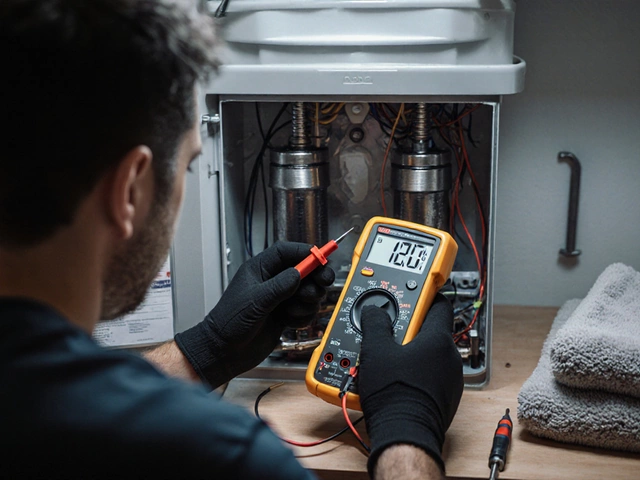
Why is this rule so strict? Because a malfunctioning gas boiler can leak carbon monoxide. This gas is odorless, colorless, and tasteless. It is known as the silent killer because you cannot detect it without specialized equipment. A professional service includes checking the flue gases to ensure combustion is happening correctly. If the ratio of oxygen to carbon monoxide is off, even slightly, it can lead to lethal conditions inside your home. You cannot check this with a multimeter or a screwdriver; you need calibrated combustion analyzers that cost hundreds of dollars and require training to interpret.
Furthermore, tampering with a gas boiler usually voids the manufacturer's warranty. If you open the casing and touch components you shouldn't, and the boiler later fails, the manufacturer will deny coverage. You also risk invalidating your home insurance policy. If a fire or explosion occurs due to unqualified DIY work, insurers often refuse to pay out, leaving you liable for total loss.
What You CAN Do: Safe Maintenance Tasks for Any Boiler
Just because you cannot service the internal mechanics doesn't mean you should sit back and do nothing. There are several external maintenance tasks that are safe for any homeowner to perform. These actions help maintain efficiency and prevent minor issues from becoming major repairs.
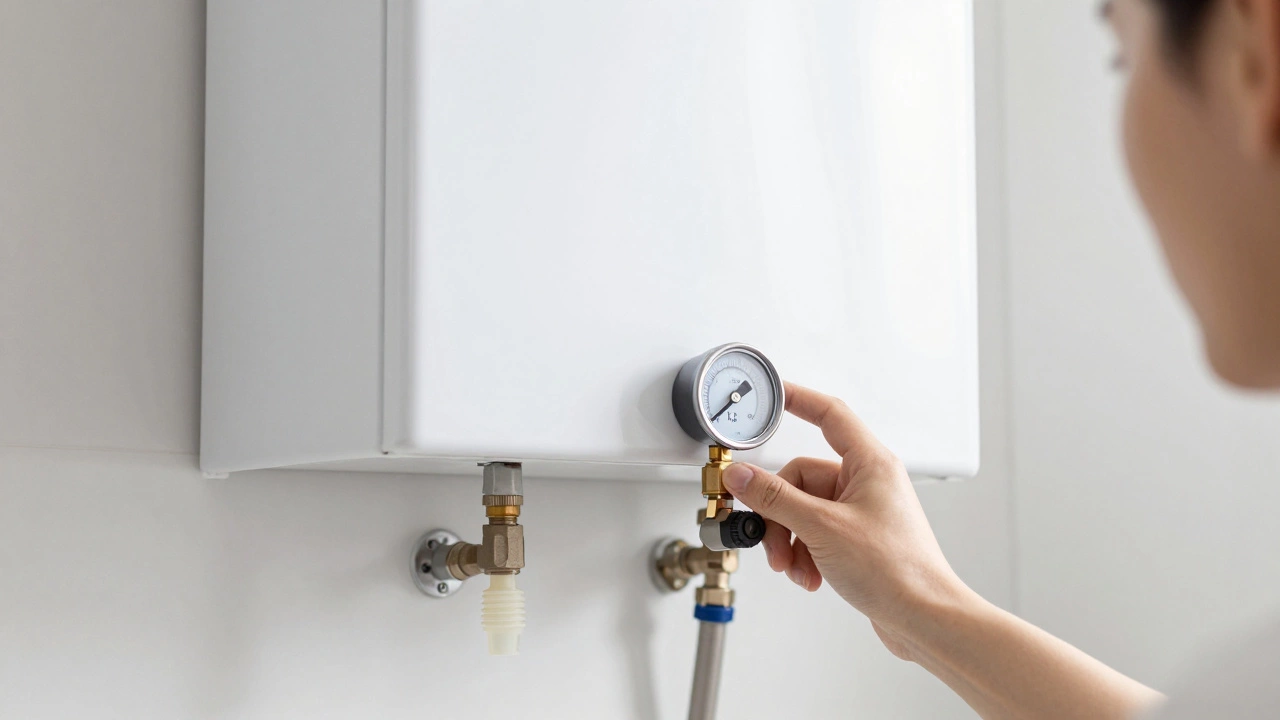
- Check the Pressure Gauge: Most modern boilers have a pressure gauge on the front. For sealed systems, the ideal pressure is typically between 1 and 1.5 bar when the system is cold. If it drops below 0.8 bar, the boiler may lock out. You can usually repressurize this using the filling loop, but if you have to do it frequently, you have a leak that needs professional attention.
- Inspect the Condensate Pipe: In colder months, the plastic pipe running outside from your boiler can freeze. If you see ice forming on it, you can thaw it safely with a hot water bottle or a hairdryer. Never use boiling water directly on the plastic, as it can crack.
- Keep the Area Clear: Ensure there is at least 30cm (1 foot) of clearance around the boiler. This allows for proper airflow and makes it easier for an engineer to access the unit during their visit. Don't store boxes or laundry baskets against the wall where the boiler sits.
- Listen for Changes: Pay attention to how the boiler sounds. Gurgling noises might indicate air in the system (which you can bleed from radiators), while banging or whistling could suggest limescale buildup or pump failure. Documenting these sounds helps the engineer diagnose issues faster.
Bleeding Radiators: A Simple DIY Fix
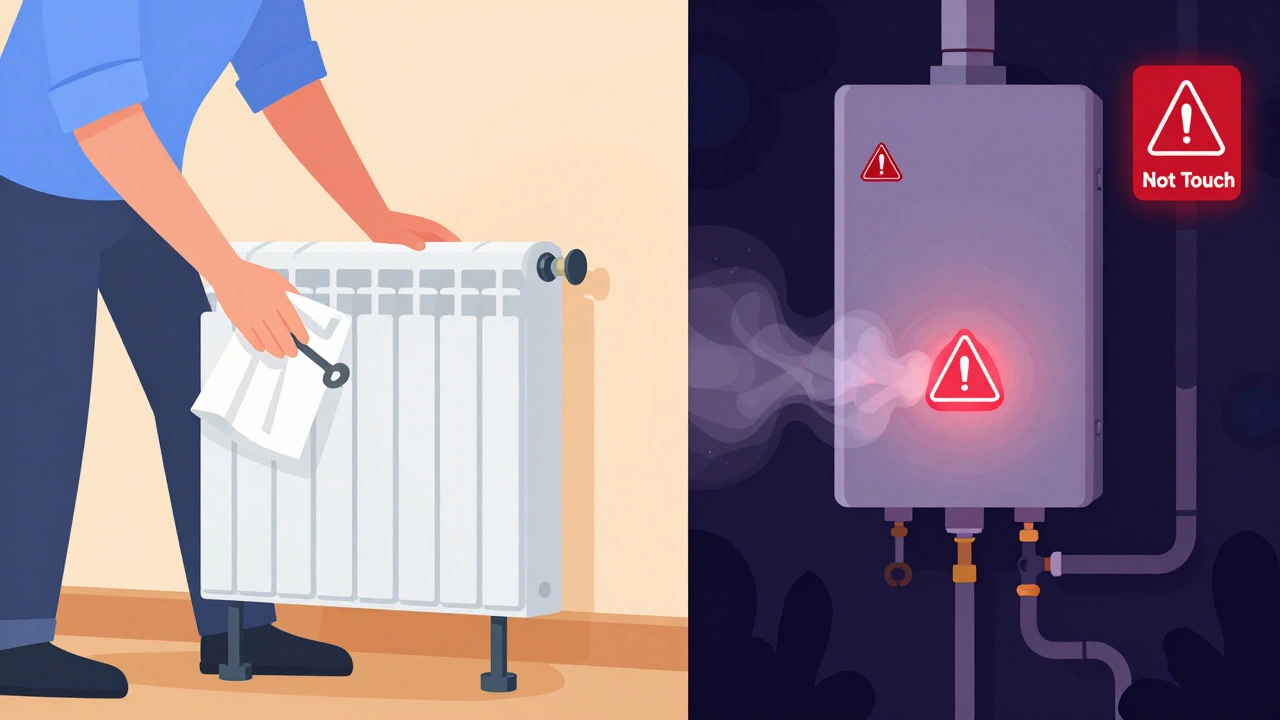
One of the most common reasons for poor heating performance is trapped air in the radiators. This is a task you can absolutely do yourself. Cold spots at the top of a radiator usually mean air is blocking the hot water flow.
- Turn off the central heating and let the system cool down.
- Place a towel or rag under the valve at the top of the radiator to catch drips.
- Use a radiator key (or a flathead screwdriver if it has a slot) to turn the bleed valve counter-clockwise slowly.
- You will hear a hissing sound as air escapes. Keep the valve open until water starts to drip out steadily.
- Tighten the valve immediately once water flows.
- Check your boiler pressure again, as bleeding radiators lowers the system pressure. Top it up if necessary.
This simple process can improve heating efficiency by ensuring hot water circulates properly throughout your home. It requires no special tools beyond a basic radiator key and takes about ten minutes per radiator.
Electric Boilers and Heat Pumps: Different Rules Apply
If you have switched to an electric boiler or an air source heat pump, the risks associated with gas leaks disappear. However, "safe" does not necessarily mean "easy" or "recommended."
With electric boilers, the primary concern is electrical safety. While there is no combustion chamber to clean, there are still high-voltage components. Opening the control panel exposes you to live wires. Unless you are a qualified electrician, you should not open the main housing. However, you can clean the exterior vents and filters if accessible. Some models have user-replaceable air filters that can be vacuumed or washed according to the manual.
Heat pumps require regular filter cleaning to maintain efficiency. Dirty filters restrict airflow, forcing the compressor to work harder and increasing electricity bills. Most manufacturers recommend checking filters every month during peak usage seasons. This is a straightforward task: remove the cover, take out the mesh filter, wash it with mild soap and water, dry it completely, and replace it. This is one area where DIY maintenance pays off directly in energy savings.
When to Call a Professional: Red Flags
Knowing when to stop DIY efforts and call a pro is crucial. Here are signs that your boiler needs expert attention:
- Error Codes: Modern boilers display fault codes on digital screens. While you can look these up online, interpreting them incorrectly can lead to wasted time or further damage. An engineer can reset the code after fixing the underlying issue.
- Leaks: Water leaking from the boiler itself, pipes, or connections indicates a seal failure or corrosion. This is not a DIY fix unless you are replacing a simple visible washer, which is rare.
- No Heat or Hot Water: If the boiler fires up but provides no heat, or if hot water stops working suddenly, internal components like the diverter valve or pump may have failed.
- Strange Smells: A smell of gas is an emergency. Turn off the gas supply at the meter, open windows, and call the emergency gas number immediately. Do not try to find the leak yourself.
- Yellow Flame: If you can see the burner through a viewing port, the flame should be blue. A yellow or orange flame indicates incomplete combustion and potential carbon monoxide production. Evacuate and call for help.
| Task | DIY Allowed? | Risk Level | Tools Needed |
|---|---|---|---|
| Bleeding Radiators | Yes | Low | Radiator Key, Towel |
| Repressurizing System | Yes (with caution) | Medium | Filling Loop |
| Cleaning External Vents | Yes | Low | Cloth, Vacuum |
| Replacing Thermostat Batteries | Yes | None | New Batteries |
| Internal Component Cleaning | No | High | Combustion Analyzer |
| Gas Valve Adjustment | No | Critical | Calibrated Manometer |
| Flue Gas Analysis | No | Critical | Professional Analyzer |
The Cost-Benefit Analysis of DIY Servicing
Let’s talk numbers. An annual boiler service typically costs between £60 and £100 in the UK, or $100 to $200 in the US. It seems expensive if you consider just the labor. But what are you actually paying for?
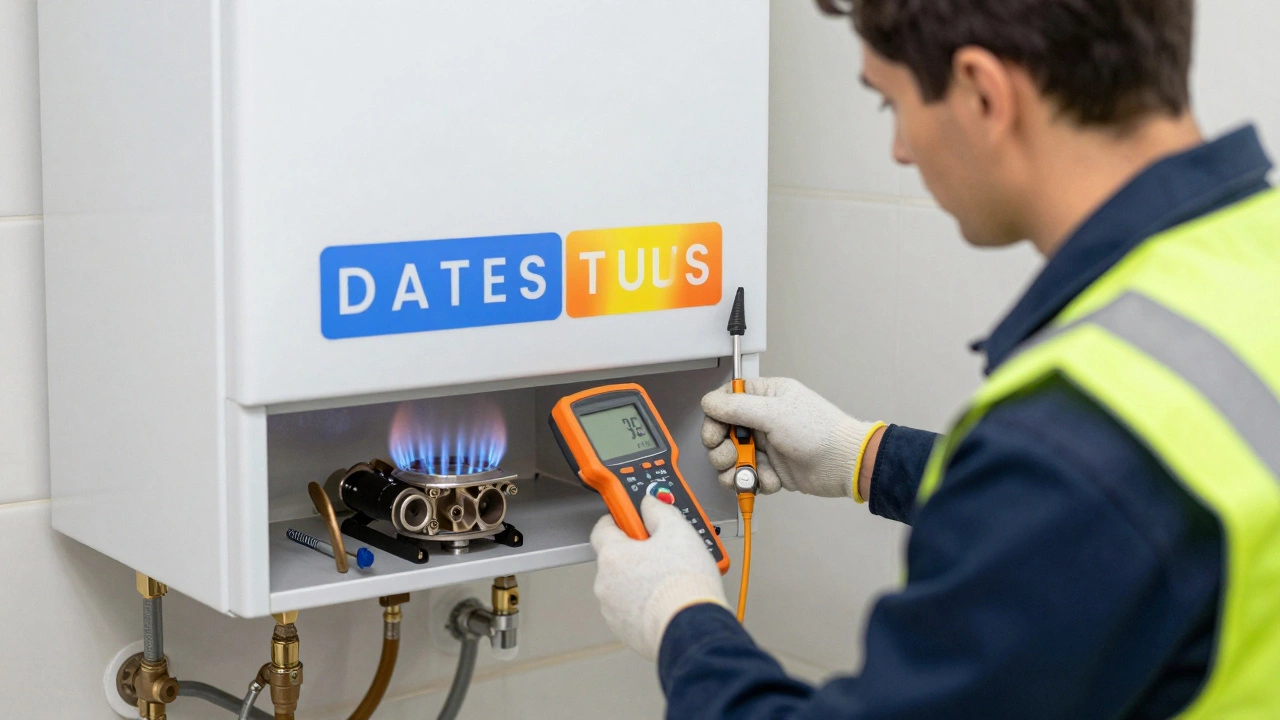
You are paying for peace of mind and compliance. The engineer checks for gas tightness, ensures the condensate drain is clear, verifies the safety devices (like the overheat thermostat) are working, and cleans the heat exchanger. They provide a certificate that proves your boiler was checked. This document is vital if you ever sell your home or rent it out. Landlords are legally required to have annual gas safety certificates.
If you skip the service and a component fails, a repair bill can easily run into hundreds of pounds or dollars. Replacing a faulty PCB (Printed Circuit Board) or a gas valve is costly. Regular maintenance extends the lifespan of the boiler by preventing small issues from escalating. A well-serviced boiler lasts 10-15 years; a neglected one might fail in 7-8 years. Over a decade, the cost of services is negligible compared to the cost of premature replacement.
Choosing the Right Engineer
Since you likely won't be servicing a gas boiler yourself, finding a reliable professional is key. Avoid "cowboy" contractors who offer cheap prices but lack credentials. Always ask for proof of registration with the relevant safety body (Gas Safe in the UK, licensed HVAC technician in the US). Check reviews on independent platforms. A good engineer will explain what they found, show you the readings, and advise on any necessary repairs without pressuring you into unnecessary upsells.
Is it illegal to service my own gas boiler?
In the UK, yes. Under the Gas Safety (Installation and Use) Regulations 1998, only Gas Safe registered engineers can work on gas appliances. In other countries, while it may not always be explicitly "illegal" for homeowners, it violates building codes and insurance terms, making it highly inadvisable and potentially dangerous.
How often should I get my boiler serviced?
Annual servicing is the industry standard. This ensures the boiler operates efficiently, safely, and remains under warranty. Skipping even one year can allow minor issues to develop into major failures.
Can I clean the inside of my boiler myself?
No. Cleaning the heat exchanger, burner, and fan requires specialized tools and knowledge. Incorrect cleaning can damage sensitive components or leave debris that causes blockages. Leave internal cleaning to certified professionals.
What happens if I ignore boiler maintenance?
Ignoring maintenance leads to reduced efficiency (higher bills), increased risk of breakdowns, voided warranties, and potentially dangerous carbon monoxide leaks. It is a false economy that costs more in the long run.
Does servicing a boiler improve energy efficiency?
Yes. A dirty or poorly tuned boiler works harder to produce heat, consuming more fuel. Regular servicing ensures optimal combustion and heat transfer, which can reduce energy consumption by up to 10%.