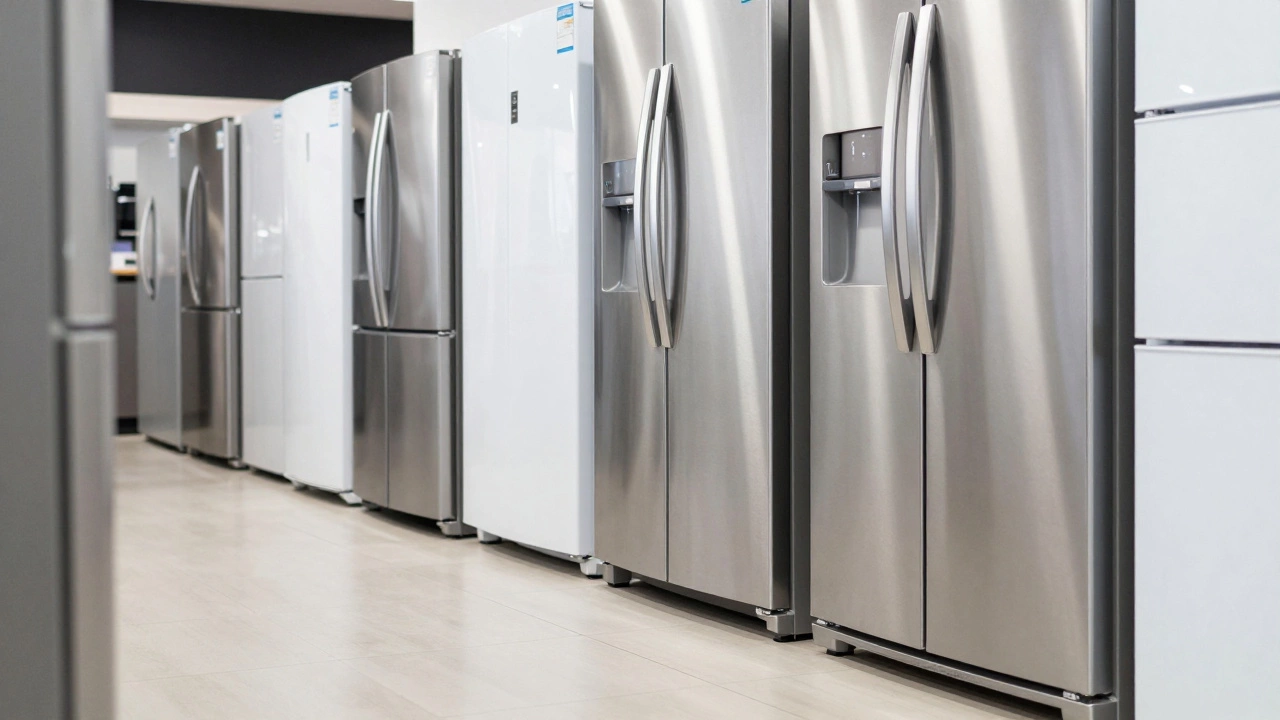
Quick Summary of Reliability
- Best Overall Reliability: LG and Samsung lead in tech, but Miele and Sub-Zero dominate in long-term build quality.
- The "Safe Bet": Whirlpool and GE generally have simpler designs that are easier and cheaper to fix.
- Common Failure Point: Modern "smart" features and complex ice dispensers are where most problems start.
- Pro Tip: Avoid the most complex models if you prioritize longevity over gadgets.
When we talk about reliability, we have to differentiate between "it never breaks" and "it's easy to fix." For most homeowners, Reliability is the probability that an appliance will perform its intended function without failure over a specific period. In the world of most reliable refrigerator brands, this usually comes down to the quality of the compressor and the simplicity of the electronics.
The Reliability Spectrum: Luxury vs. Mass Market
If you have a massive budget, the answer is different than if you're shopping at a big-box store. High-end brands like Sub-Zero, known for their professional-grade built-in refrigeration and dual-compressor systems, are built like tanks. They use higher-grade stainless steel and more robust insulation. While they are expensive, their failure rate per year is typically lower than a budget model because they aren't trying to cram twenty different "smart" features into one door.
On the other hand, mass-market brands like Whirlpool, which is one of the largest global manufacturers of home appliances, focus on modularity. A Whirlpool fridge might have a sensor fail after five years, but because they sell millions of the same units, every technician in the country has the part in their van. That's a different kind of reliability: the reliability of a quick recovery.
| Brand Category | Common Lifespan | Repair Ease | Typical Failure Points |
|---|---|---|---|
| Luxury (e.g., Sub-Zero) | 20+ Years | Moderate (Specialist) | Control Boards |
| Mainstream (e.g., Whirlpool, GE) | 10-15 Years | High (Universal) | Door Seals, Thermostats |
| Tech-Heavy (e.g., Samsung, LG) | 7-12 Years | Low (Proprietary) | Compressors, Ice Makers |
The "Tech Tax" and the Compressor Crisis
You've probably heard about the class-action lawsuits surrounding LG and Samsung. The issue centered around the Linear Compressor, a type of pump designed to be more energy-efficient. In practice, many of these compressors failed prematurely, often within 5 to 10 years, leaving users with a fridge that simply stopped cooling.
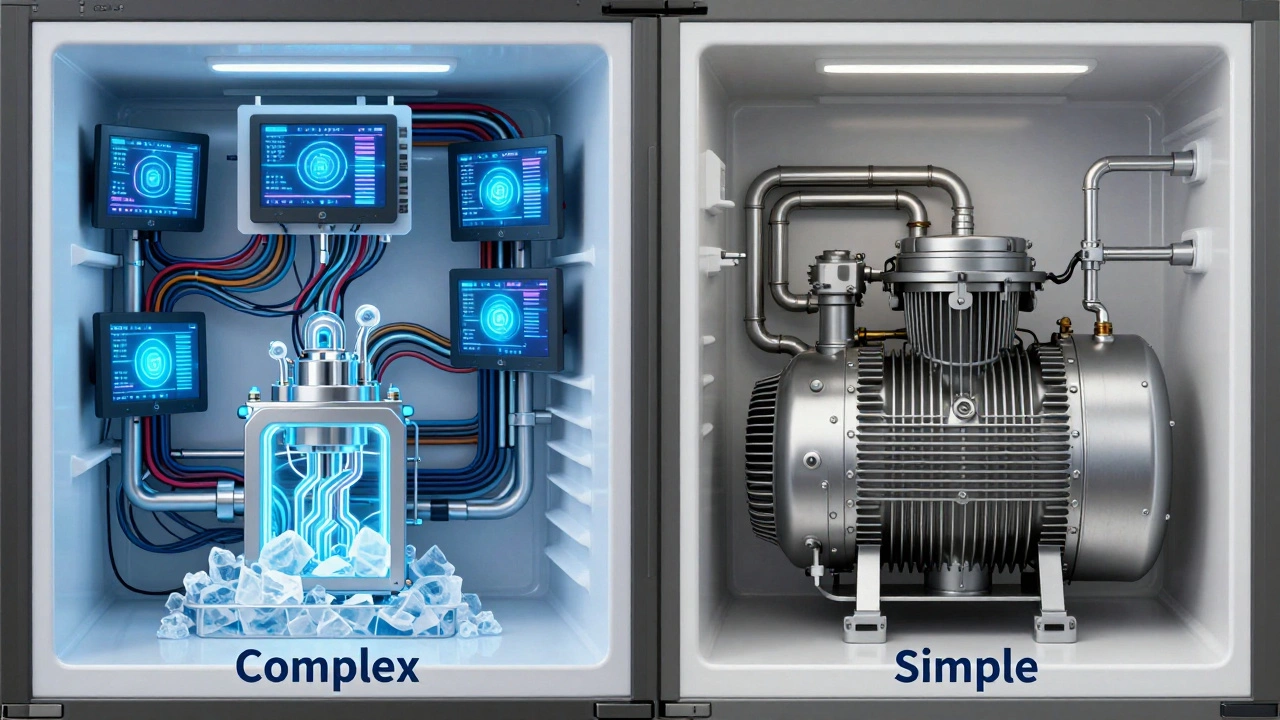
This highlights a critical rule: complexity is the enemy of reliability. Every time you add a touchscreen, an internal camera, or a fancy "craft ice" maker, you're adding a new point of failure. If the touchscreen breaks, does the whole fridge stop working? In some models, yes. If the ice maker leaks and freezes the evaporator coils, your food spoils. When you ask which brand has the least problems, you're really asking which brand is the least complex.
Why GE and Whirlpool Stay in the Game
Brands like GE Appliances often rank well in reliability surveys not because they have the most advanced tech, but because they stick to proven designs. They use standard Reciprocating Compressors, which have been the industry standard for decades. They might not be as quiet or as energy-efficient as a linear compressor, but they are predictable.
Think of it like cars. A brand-new electric car is amazing, but a 20-year-old Toyota Corolla is "reliable" because it's simple and parts are everywhere. GE and Whirlpool are the Toyotas of the appliance world. They don't try to reinvent the wheel every three years, which means their technicians know exactly how to fix them without needing a software update.
The Hidden Role of Maintenance
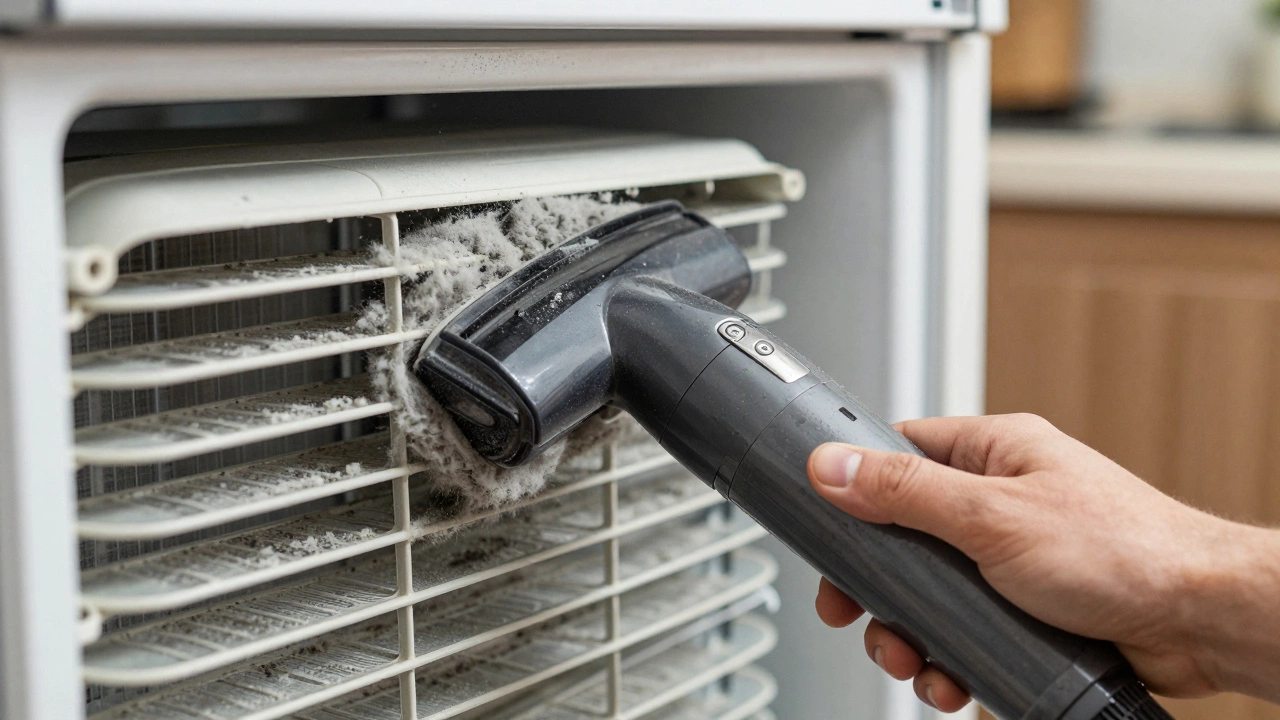
I've seen "reliable" brands fail and "unreliable" brands last twenty years. The difference is almost always maintenance. The biggest killer of any fridge, regardless of the brand, is a dirty Condenser Coil. This is the grid of tubes usually located at the bottom or back of the unit that releases heat. When dust bunnies clog these coils, the compressor has to work twice as hard to keep the inside cold. This leads to overheating and premature burnout.
If you want your fridge to last, spend ten minutes every six months vacuuming those coils. It's the single most effective way to extend the life of your appliance. Another common mistake is overloading the freezer. When air can't circulate, the Evaporator works overtime, which puts a massive strain on the electrical components.

How to Choose Based on Your Priorities
Since there is no single "perfect" brand, you have to decide what kind of risk you're comfortable with. If you are a "buy it for life" person and have the budget, go for a professional-grade brand. If you want a balance of modern features and reasonable reliability, stick to the established American brands with a huge service network.
Avoid the temptation of the "cheapest" option. Ultra-budget brands often use lower-grade plastics and thinner insulation. This doesn't just lead to more breakdowns; it makes your electricity bill higher because the fridge has to run more often to maintain its temperature. A mid-range KitchenAid or a high-end GE Profile usually offers a better return on investment over ten years than a generic brand.
Which brand has the best warranty?
While most brands offer a 1-year general warranty, LG and Samsung often provide extended warranties (sometimes 10 years) specifically for the compressor. However, be careful-this often only covers the part, not the labor to install it, which can still cost several hundred dollars.
Are French door refrigerators less reliable than side-by-side?
Generally, yes. French door models are more complex, especially the ones with dual evaporators or through-the-door ice dispensers. Side-by-side models are a more traditional design and often have fewer issues with air circulation and cooling consistency.
Does a "smart" fridge break more often?
Yes. Adding a tablet to your door introduces software glitches, connectivity issues, and hardware that isn't designed for the humid, cold environment of a kitchen. Once the screen fails, it can sometimes affect the overall control board of the appliance.
How can I tell if my compressor is failing?
Listen for a clicking sound every few minutes-that's the compressor trying to start and failing. You might also notice the fridge running constantly without reaching the set temperature, or hearing a loud humming noise that doesn't stop.
Is it worth repairing an old fridge?
Follow the "50% rule." If the repair cost is more than 50% of the price of a new equivalent model and the fridge is over 8 years old, it's usually better to replace it. Newer models are significantly more energy-efficient, which saves you money every month.
Next Steps for a Long-Lasting Fridge
If you've already bought your fridge and want to keep it running, start with a coil cleaning today. If you're in the market for a new one, prioritize a model with a simple configuration-avoid the "everything but the kitchen sink" approach to features. If you do encounter a problem, check your manual for a reset procedure before calling a technician, as many "failures" are actually just software glitches that a power cycle can fix.