Boiler Repair Cost Estimator (2026)
1. Repair Details
2. Cost Estimation
Key Price Takeaways
- Call-out fees: Usually range from £60 to £120 just for the visit.
- Minor repairs: Simple fixes (like a sensor change) often cost between £100 and £250.
- Major repairs: Complex jobs (like a heat exchanger replacement) can run from £300 to £800.
- Emergency rates: Expect to pay a 50% to 100% premium for midnight or holiday visits.
Breaking Down the Call-Out Fee
Before a technician even touches a screwdriver, you'll likely pay a call-out fee. This isn't just for the drive to your house; it covers the engineer's time, fuel, and the initial diagnostic phase. If you live in a high-cost area like London, this fee will be on the higher end of the spectrum. Most engineers use a tiered pricing model. For example, a Gas Safe Registered engineer might charge a flat rate for the first hour, which includes the diagnosis. If the fix is a "quick win," like resetting a tripped switch or bleeding a radiator, you might only pay this initial fee. However, if they find a leak or a failed part, the clock starts ticking on the hourly labor rate. Why does the price vary so much? It comes down to the expertise required. A general handyman cannot touch your gas lines; only a certified professional can legally and safely work on your boiler. This certification means higher insurance and training costs, which are passed on to you, the consumer.Common Boiler Problems and Their Price Tags
Not all breakdowns are created equal. Replacing a tiny fuse is a different world from replacing the heart of the machine. To give you a realistic idea of what you're facing, let's look at the most frequent culprits.| Component/Issue | Estimated Part Cost | Estimated Labor | Total Average |
|---|---|---|---|
| Thermostat Replacement | £40 - £100 | £60 - £120 | £100 - £220 |
| Igniter/Spark Electrode | £30 - £70 | £80 - £150 | £110 - £220 |
| Pressure Valve (PRV) | £50 - £120 | £100 - £200 | £150 - £320 |
| Circulation Pump | £120 - £300 | £150 - £250 | £270 - £550 |
| Heat Exchanger | £200 - £500 | £200 - £400 | £400 - £900 |
The Hidden Cost of Emergency Repairs
There is a massive difference between "my boiler is acting up" and "my pipes are about to freeze and it's 2 AM on Christmas Eve." When you call for an emergency repair, you aren't just paying for the fix; you're paying for the convenience and the urgency. Emergency rates usually kick in after 6 PM on weekdays and throughout the weekend. In these cases, the hourly labor rate can double. If a standard repair costs £150, an emergency visit for the same part might cost £300. Is it ever worth paying the premium? If you have young children or elderly relatives in the house during a cold snap, yes. Otherwise, if you can get by with electric heaters for 24 hours, waiting until Monday morning could save you a significant amount of money. Always ask the company if they have a "fixed price" emergency fee or if they charge by the hour, as some firms can be predatory during winter storms.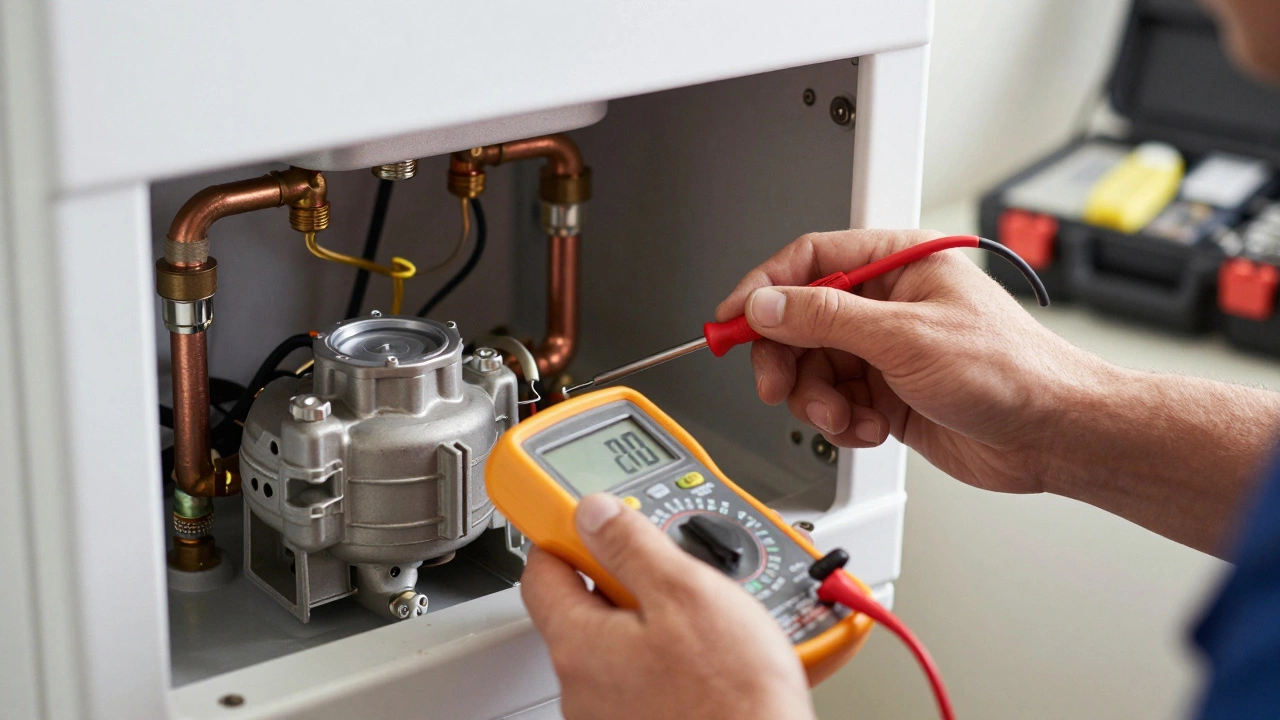
Labor vs. Parts: Where Does the Money Go?
One of the biggest frustrations for homeowners is seeing a bill for £200 when the part itself only costs £30 on eBay. It feels like a rip-off, but here is the reality of how HVAC maintenance works. When an engineer installs a part, they aren't just plugging it in. They have to drain the system, isolate the gas supply, install the component, refill the system, bleed the air out of the radiators, and-most importantly-test the boiler to ensure it isn't leaking gas or carbon monoxide. Furthermore, professional engineers buy parts from wholesale distributors. These parts come with a warranty. If you buy a cheap part online and it fails in two weeks, you're paying for another call-out fee. If the engineer provides the part, they usually guarantee the labor and the part for 6 to 12 months. That peace of mind is built into the price.When to Repair vs. When to Replace
At some point, throwing money at an old boiler becomes a waste. There is a general rule of thumb in the industry: if the repair cost is more than 50% of the cost of a new unit, or if the boiler is over 12-15 years old, it's time to shop for a replacement. Consider a scenario where your boiler is 14 years old and the heat exchanger has failed. The repair might cost £600. However, a new, high-efficiency Condensing Boiler might cost £2,000 but could lower your monthly gas bills by 20% due to better energy ratings. Over two or three years, the new boiler actually pays for itself through energy savings. If you find yourself calling the engineer every six months for a different problem, you're dealing with a "lemon." Constant repairs are a sign of systemic failure, often caused by sludge buildup in the radiators or an outdated system that can no longer handle the demands of your home.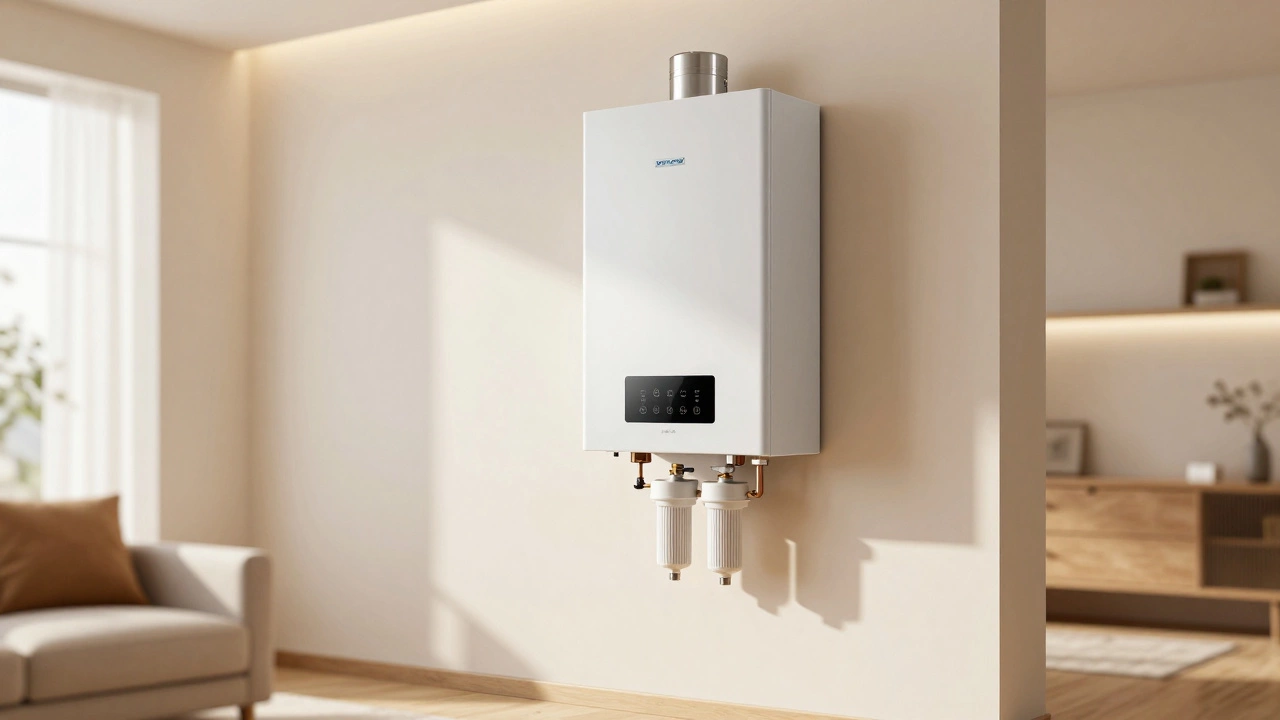
How to Prevent Surprise Repair Bills
The cheapest repair is the one you never have to make. A yearly service is the best investment you can make for your home's heating. A standard annual service usually costs between £80 and £150. While it feels like an unnecessary expense when the boiler is working, it's actually a preventative strike. During a service, an engineer will check the gas pressure, clean the burner, and check for leaks. They can spot a wearing-out pump or a corroding valve long before it fails in the middle of January. This allows you to schedule the repair at your convenience-and at standard labor rates-rather than facing an emergency breakdown. Another pro tip: keep your system clean. Using a Magnetic Filter can catch metallic debris (sludge) before it reaches the boiler. This prevents the pump from straining and extends the life of the heat exchanger, potentially saving you hundreds of pounds in premature replacements.Why is my boiler repair so expensive compared to other appliances?
Boilers involve high-pressure water and flammable gas, which makes them significantly more dangerous than a toaster or a washing machine. Because of this, only certified professionals (like Gas Safe engineers in the UK) can legally work on them. You are paying for their specialized training, mandatory insurance, and the liability they take on to ensure your home doesn't suffer a gas leak or explosion.
Can I buy the parts myself to save money?
You can, but it's usually a bad idea. Most professional engineers will refuse to fit parts they didn't source themselves because they cannot guarantee the quality or compatibility of the part. If the part you bought is faulty, you'll still have to pay the engineer for the labor to install it and then pay them again to remove it and install a correct one.
How long should a typical boiler repair take?
Simple fixes like replacing a thermostat or a sensor usually take 1 to 2 hours. More complex jobs, such as replacing a pump or a heat exchanger, can take 3 to 6 hours because the system needs to be drained, the part replaced, and the system refilled and tested for leaks.
What is a reasonable hourly rate for a heating engineer?
Depending on your location, a reasonable hourly rate typically falls between £60 and £100. Some companies charge a flat "first hour" fee (which is higher) and then a lower hourly rate for subsequent hours. Always ask for a quote or an hourly breakdown before the work begins.
Will my home insurance cover the cost of a boiler repair?
Standard home insurance usually doesn't cover general wear and tear. However, if you have a separate "Home Emergency" cover or a boiler warranty, it likely will. Check your policy for "boiler and heating cover" specifically, as this often includes the call-out fee and parts for common failures.