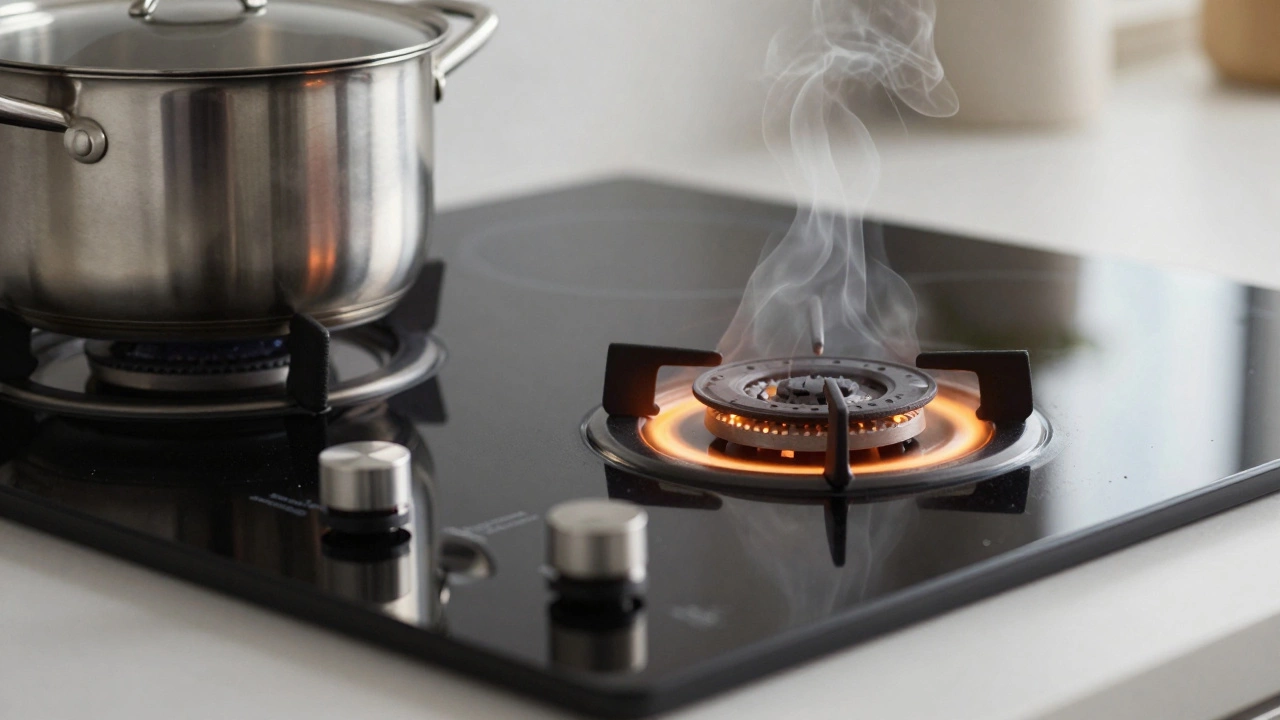
Electric Hob Repair vs. Replace Calculator
Not sure whether to fix your broken electric hob or buy a new one? Answer these quick questions to get a personalized recommendation based on industry standards.
Your Recommendation
Why this recommendation?
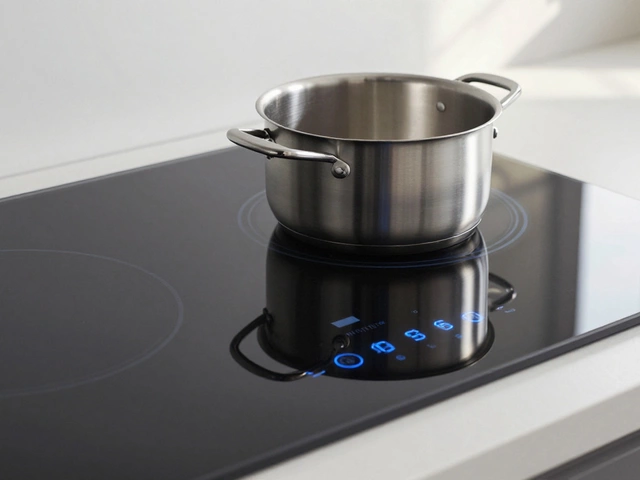
Your stove is dead. You’re staring at a cold burner while dinner waits, and the first question that pops into your head is usually: can this thing actually be fixed, or do I need to buy a new one? The short answer is yes. In most cases, an electric hob is a kitchen cooking surface powered by electricity, featuring either radiant ceramic glass or induction technology can be repaired. Whether you have a smooth-top ceramic model or a modern induction unit, the components inside are replaceable. Swapping out a broken part is almost always cheaper than replacing the entire appliance.
However, "can it be repaired" isn't just about whether a part exists. It’s about safety, cost, and complexity. Electricity and high heat don’t mix well for amateurs. While some fixes are simple swaps, others require professional tools and knowledge. This guide breaks down exactly what you can fix yourself, what needs a pro, and how to decide if your hob is worth saving in 2026.
Diagnosing the Problem Before You Call Anyone
Before you spend money on parts or call a technician, you need to know what’s actually wrong. Most electric hob failures fall into three buckets: power issues, heating element failures, or control board glitches. Identifying which bucket your problem falls into saves time and cash.
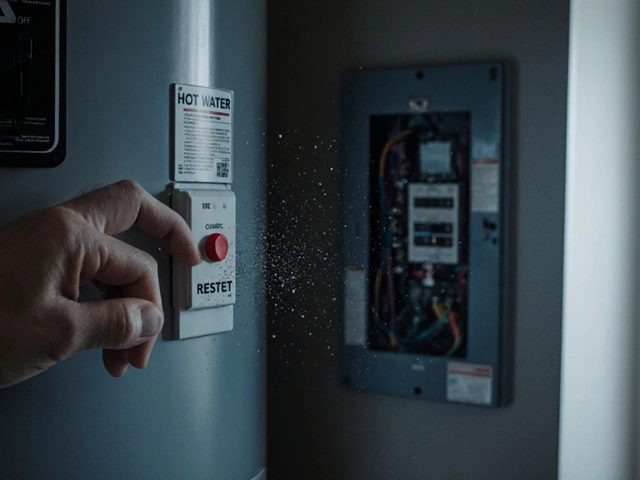
Start with the basics. Is the hob getting any power at all? If none of the zones light up or respond, check your circuit breaker. An overloaded kitchen circuit is a common culprit. If the breaker hasn’t tripped, check the plug (if it’s a portable unit) or the hardwired connection behind the unit. Loose wires here cause intermittent power loss.
If only one zone is failing, the issue is likely isolated to that specific heating element or sensor. For induction hobs, place a metal spoon on the zone. If the hob makes a humming noise but doesn’t heat, it might be detecting the pan incorrectly due to a faulty sensor. If it does nothing, the induction coil under that zone may be burnt out.
- No power anywhere: Check breaker, fuse box, or main power cable.
- One zone dead: Likely a failed heating element or induction coil.
- Error codes flashing: Consult your manual; often indicates a sensor or board fault.
- Heating slowly: Could be a dimmer switch failure or degraded element.
Common Fixes You Can Attempt Yourself
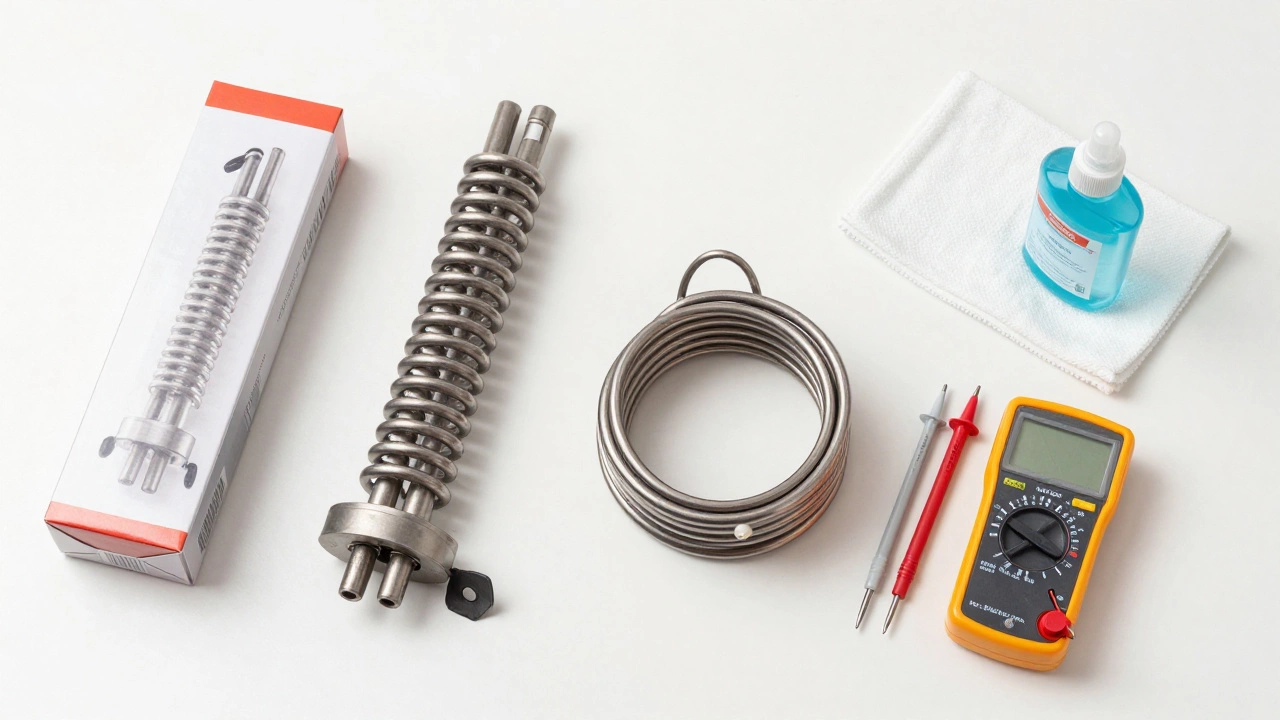
Some repairs are straightforward enough for a handy homeowner. These usually involve replacing external components or cleaning sensors. However, safety is paramount. Always unplug the hob or turn off the main power supply before touching anything. Electricity lingers in capacitors even after unplugging, so wait at least 15 minutes before opening any panels.
Cleaning the Control Panel Sticky buttons or unresponsive touch controls are often caused by grime, oil, or moisture trapped under the glass. For touch-control hobs, use a microfiber cloth and a small amount of rubbing alcohol. Avoid harsh abrasives that can scratch the sensitive layer. Sometimes, simply drying out the electronics resolves the issue.
Replacing Surface Heating Elements If you have an older electric hob with removable spiral coils, this is the easiest fix. Lift the old coil out, disconnect the wire harness, and snap in the new one. Ensure the new coil matches the wattage and voltage of the old one. Mismatched elements can trip breakers or fail to heat properly.
Resetting the Electronics Modern hobs have smart boards that can glitch. A full power cycle-unplugging the unit for 30 minutes-can clear temporary memory errors. For hardwired units, flip the breaker off for five minutes. This resets the logic board and often clears persistent error codes like "E0" or "F1".
When to Call a Professional Technician
Not every job is DIY-friendly. If the problem involves the internal wiring, the main control board, or the induction generator, it’s time to call a pro. Working with mains voltage (230V-240V in Australia) without proper training is dangerous. One wrong connection can start a fire or electrocute you.
In Adelaide, where summer heatwaves push air conditioners and ovens to their limits, electrical faults in appliances are more common. A qualified technician has multimeters, thermal cameras, and schematics to pinpoint faults quickly. They also carry genuine replacement parts, which is crucial for warranty compliance and safety standards.
Consider calling a pro if:
- The error code persists after a reset.
- You smell burning plastic or see scorch marks inside the unit.
- The hob sparks when turned on.
- The glass surface is cracked (this compromises insulation and safety).
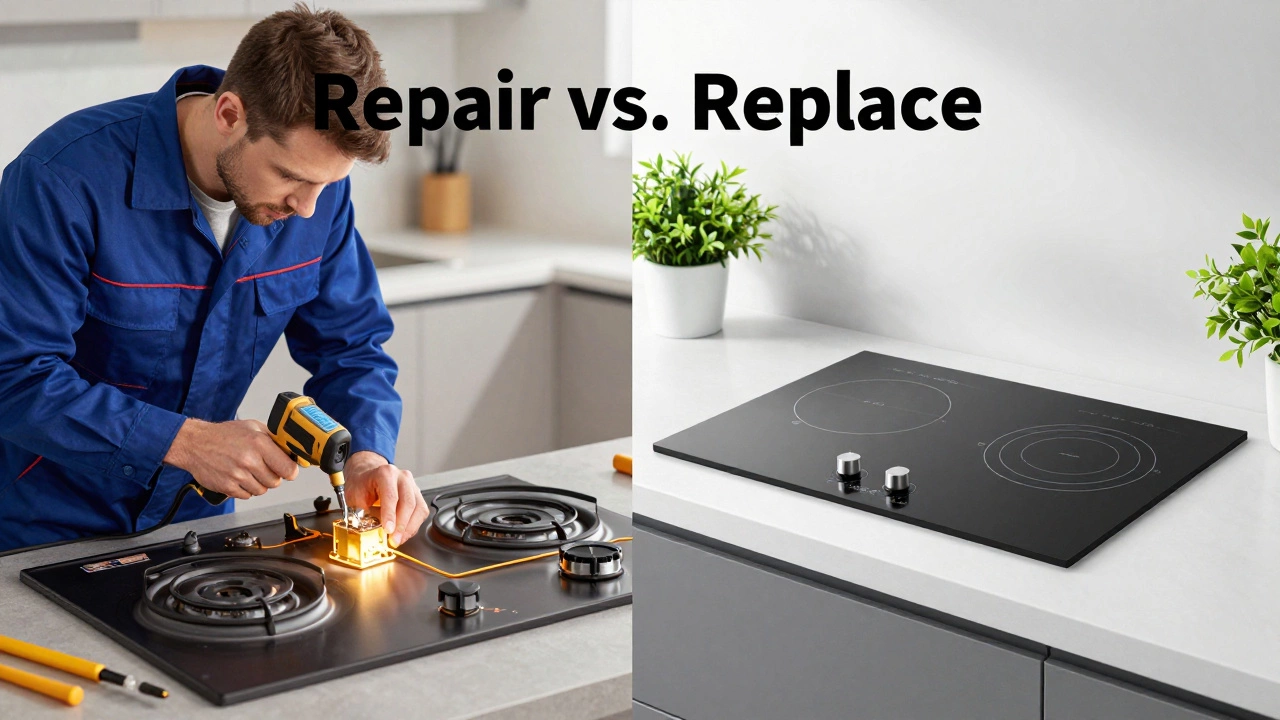
Repair vs. Replace: Is It Worth It?
This is the big question. Just because something *can* be fixed doesn’t mean it *should* be. The decision comes down to age, cost, and technology.
| Factor | Repair Recommended | Replace Recommended |
|---|---|---|
| Age of Hob | Less than 7 years | More than 10 years |
| Repair Cost | Under $300 AUD | Over $400 AUD |
| Part Availability | Genuine parts available | Parts discontinued |
| Efficiency | Current model is efficient | Older, energy-inefficient model |
If your hob is over ten years old, the technology has improved significantly. Newer induction models heat up twice as fast and use less electricity. If the repair quote exceeds 50% of the price of a new unit, replacement is usually the smarter financial move. Also, consider energy savings. An old radiant electric hob wastes heat; a new induction hob transfers 90% of energy directly to the pan.
Safety First: Essential Precautions
Electric hobs operate at high voltages. Never attempt to open the main housing if you are not comfortable with electrical work. Even when unplugged, residual charge can remain in the capacitors for hours. Use a non-contact voltage tester to confirm the power is off before touching any wires.
Also, beware of counterfeit parts. Cheap online replacements may lack proper insulation or correct wattage ratings, leading to overheating. Stick to authorized dealers or reputable suppliers. In Australia, ensure any replacement part meets AS/NZS safety standards.
Maintenance Tips to Prevent Future Breakdowns
Prevention is cheaper than cure. Regular maintenance extends the life of your electric hob significantly. Clean spills immediately, especially sugary liquids that can burn onto the glass and damage sensors. Use only scrapers designed for ceramic glass to avoid scratches.
For induction hobs, ensure your cookware is magnetic. Non-magnetic pans won’t heat and can confuse the sensors, leading to error codes. Keep the ventilation gaps around the hob clear to prevent overheating of the internal electronics. Dust buildup in these vents forces the fan to work harder, leading to premature motor failure.
How much does it cost to repair an electric hob in Australia?
Costs vary widely. A simple part swap like a heating element might cost between $150 and $300 including labor. Complex board repairs or induction coil replacements can range from $300 to $600. Labor rates in cities like Adelaide typically run $80-$120 per hour. Always get a written quote before authorizing work.
Can I repair a cracked glass-ceramic hob myself?
No. Cracked glass compromises the electrical insulation underneath. Moisture or food debris can enter the crack, causing short circuits or electric shocks. The entire glass panel must be replaced by a professional. Do not use a cracked hob.
Why is my induction hob making a buzzing noise?
A low hum is normal during operation. However, a loud buzzing or rattling often indicates loose cookware, a damaged pot base, or a failing cooling fan inside the unit. If the noise persists even with no pan on top, the internal fan bearings may be worn and need replacement.
What do error codes E0, E1, or F1 mean?
These codes vary by brand but generally indicate communication errors between the control board and the heating zones. E0 often means a sensor failure. F1 usually points to a keypad lock or touch control malfunction. Try resetting the power first. If the code returns, a technician needs to inspect the wiring harnesses.
Is it safe to leave an electric hob on overnight?
It is not recommended. Modern hobs have safety timers, but mechanical switches can fail. Leaving a hob unattended poses a fire risk, especially if pots boil dry. Always supervise cooking and turn off the hob when done. If you forget, modern units will usually shut off automatically after 1-2 hours.